What the Latest Rules Mean for Rental Reimbursement Auto Insurance
Recent regulatory updates and insurance market rules for rental reimbursement coverage adjust how insurers handle daily rental caps, repair delay extensions, and claim payouts. Driven by rising rental rates and longer auto body shop tu...
Recent regulatory updates and insurance market rules for rental reimbursement coverage adjust how insurers handle daily rental caps, repair delay extensions, and claim payouts. Driven by rising rental rates and longer auto body shop turnaround times, these rules emphasize higher daily limits, expanded coverage periods, and clearer disclosure standards to prevent out-of-pocket expenses during claim-related repairs.
Contents
Understanding Rental Reimbursement Coverage Basics
Rental reimbursement coverage is an optional endorsement added to an auto insurance policy. It pays for temporary transportation—most commonly a rental car—while your personal vehicle is unavailable due to a covered loss, such as a traffic collision, vehicle theft, vandalism, or storm damage.
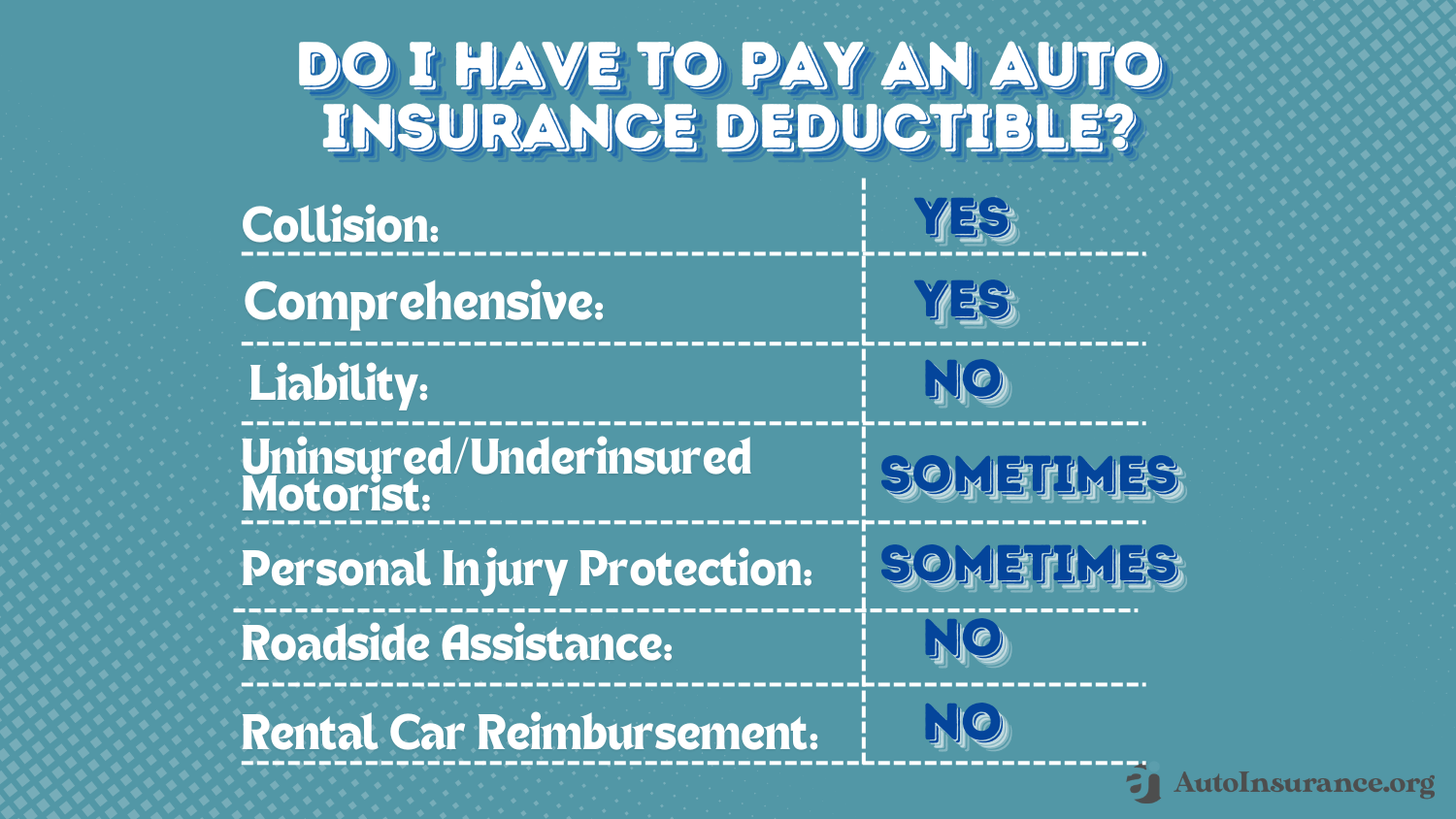
It is important to distinguish rental reimbursement from collision damage waivers (CDW) or rental car insurance offered at rental counters. Rental reimbursement does not pay for routine vehicle maintenance, mechanical breakdowns unrelated to an accident, or recreational car rentals for vacations. Furthermore, it is typically accessible only if you already carry comprehensive and collision coverage on the damaged vehicle.
Coverage limits are structured around two distinct numbers: a daily limit and an aggregate limit per claim. For example, a policy defined as $40/$1,200 means the insurance company will pay up to $40 per day for a rental vehicle, capped at a maximum of $1,200 per incident. Under this structure, the policy provides a maximum of 30 days of rental assistance ($1,200 total cap divided by $40 daily limit), provided the vehicle remains in the repair shop for a covered claim during that entire period.
Key Regulatory Shifts and Industry Rule Updates
The landscape of auto repair and temporary transportation has shifted significantly in recent years. Long-standing regulatory guidelines established by state insurance departments—such as the National Association of Insurance Commissioners (NAIC) model regulations—have faced pressure from sustained inflation in auto body labor, parts supply chain backlogs, and elevated daily rental car rates.
- Covered Auto Incident
- Vehicle in Repair Shop
- Standard Daily Limit ($30-$40/day) (Risk of out-of-pocket costs)
- Parts / Labor Delays
- Extended Turnaround Time
- Higher Daily Limit ($50-$100/day) (Adequate market rate coverage)
- Extended Turnaround Time
1. Daily Limit Cap Revaluations
Historically, standard rental reimbursement endorsements offered daily limits between $20 and $30 per day. In modern rental markets, basic compact cars frequently exceed $45 to $60 per day before taxes and fees. In response to consumer complaints regarding unexpected out-of-pocket expenses, state insurance regulators have increasingly pressured carriers to update policy language and offer higher basic coverage tiers—frequently establishing baseline options starting at $50 per day up to $100 per day for larger family vehicles.
2. Mandatory Disclosure of Aggregate Limits
Regulatory updates require insurers to provide explicit disclosures regarding how long coverage will realistically last based on local rental rates. If a policyholder maintains a legacy limit of $30 per day in a market where the cheapest available rental is $55 per day, the insurer must clearly outline that the policyholder is responsible for the daily price difference, or that the aggregate benefit will exhaust faster if higher daily caps are authorized.
3. Extended Repair Delay Protections and Fair Handling
Supply chain bottlenecks and microchip shortages have extended average collision repair times. State insurance commissioners have clarified rules regarding "loss of use" claims. While first-party rental reimbursement endorsements remain strictly bound by written policy limits ($1,200 total, for instance), third-party claims (where another driver's insurance pays for your loss) are governed by tort law. Under third-party loss-of-use rules, the at-fault insurer is generally required to pay for reasonable temporary transportation for the full duration of repairs, provided the repair delays are beyond the victim's control.
Disclaimer: Auto insurance regulations and statutory requirements vary by jurisdiction. Specific policy provisions, mandatory endorsements, and loss-of-use rules are subject to individual state laws and official carrier policy contracts.
Key Policy Terms and Rules Policyholders Must Know
Navigating a rental reimbursement claim requires a precise understanding of common insurance terminology and rule definitions.
- First-Party vs. Third-Party Claims: First-party claims are filed against your own insurance policy under your rental reimbursement endorsement. Third-party claims are filed against an at-fault driver's insurance policy, which pays under their property damage liability coverage without enforcing your policy's daily dollar caps.
- Direct Billing vs. Manual Reimbursement: Insurers maintain preferred partnerships with major car rental agencies (such as Enterprise, Hertz, or Avis). When using a preferred agency, the rental company bills the insurer directly up to your daily cap. If you select an independent rental company, you may need to pay out-of-pocket and submit itemized receipts for manual reimbursement.
- Comparable Vehicle Provisions: Standard first-party endorsements promise functional basic transportation, not necessarily a replacement of identical make, model, or class. If you drive a full-sized three-row SUV, a basic $30/day endorsement may only cover an economy sedan unless you specifically purchase a higher-tier "comparable vehicle" endorsement.
- Loss of Use Valuation: When rental vehicles are unavailable, certain state statutes permit policyholders to claim monetary compensation for the physical loss of vehicle availability, calculated using local standard rental rates, even if an actual rental car is not hired.
Comparing Rental Reimbursement Coverage Tiers
Choosing the appropriate endorsement requires balancing annual premium costs against actual daily car rental pricing in your geographic area. The following table illustrates standard policy configurations and their application under current market conditions.
| Coverage Tier | Daily Limit / Aggregate Cap | Approx. Annual Premium Cost | Covered Vehicle Class | Best Suited For |
|---|---|---|---|---|
| Basic / Legacy | $30 / $900 | $15 – $25 | Economy / Subcompact | Single drivers; low-cost rural rental markets; minor repairs |
| Standard / Updated | $50 / $1,500 | $30 – $50 | Midsize Sedan / Compact Crossover | Commuters; small families needing standard daily transport |
| Expanded / Premium | $75 / $2,250 | $55 – $85 | Full-Size SUV / Minivan | Large families; drivers needing specialized vehicle space |
| Commercial / Heavy Vehicle | $100 / $3,000 | $90 – $140 | Pickup Truck / Cargo Van | Work vehicles; utility trucks; high-demand rental markets |
Step-by-Step Guide: Filing a Rental Reimbursement Claim
Following a structured procedure ensures seamless claim processing and minimizes out-of-pocket costs when obtaining a temporary vehicle.
- Step 1: Verify Policy & Open Claim
- Confirm rental reimbursement limits with insurer
- Step 2: Choose Rental Method
- Select Direct Billing (Preferred Partner) or Direct Reimbursement (Independent)
- Step 3: Reserve Comparable Vehicle
- Keep rental rate within daily cap limit
- Step 4: Monitor Repair Shop Progress
- Track completion estimates against aggregate limits
- Step 5: Return Vehicle & Final Settlement
- Ensure final invoice matches approved dates and limits
Step 1: Confirm Claim Eligibility and Endorsement Limits
Before reserving a rental vehicle, verify with your insurance adjuster that the underlying loss (collision, theft, or weather damage) is accepted under your policy's comprehensive or collision coverage. Request written confirmation of your daily cap ($50/day) and aggregate cap ($1,500 total).
Step 2: Select a Rental Agency Option
Inquire whether your insurer utilizes direct billing arrangements. Partnering with an insurer's preferred rental provider eliminates the need to pay upfront for the daily rate. If choosing an independent rental agency, confirm that the agency's itemized receipt format satisfies your insurer's claim documentation rules.
Step 3: Reserve an Eligible Vehicle Class
Select a rental car whose base daily rate sits at or below your daily policy cap. Be aware that daily caps must cover taxes, mandatory state rental fees, and licensing surcharges. If the daily rental rate is $45 and local taxes add $8, the total daily cost ($53) will exceed a $50 policy cap, leaving you responsible for the $3 difference each day.
Step 4: Coordinate Repair Timelines with the Body Shop
Establish regular check-ins with your collision repair center. If parts delays occur, notify your insurance adjuster immediately. While first-party claims cannot exceed the written aggregate limit (e.g., $1,500), early communication allows adjusters to expedite parts sourcing or authorize transfer to alternative repair facilities if necessary.
Step 5: Finalize Return and Inspect Receipts
Return the rental car promptly upon completion of your vehicle's repairs. Review the final invoice to confirm that base rental rates match the pre-authorized rates and that no unauthorized add-ons were billed directly to your insurance file.
Common Exclusions and Policy Limitations
Policyholders often encounter unexpected charges due to common misinterpretations of coverage boundaries. Review these standard exclusions carefully:
- Security Deposits and Hold Fees: Rental agencies require a personal credit card to hold a refundable security deposit (typically $100 to $300). Insurance policies never cover security deposits.
- Optional Collision Damage Waivers (CDW): The rental agency will offer supplemental insurance at the counter. Your primary auto policy's comprehensive and collision coverage usually transfers to the rental vehicle automatically. Purchasing counter insurance is typically redundant and is non-reimbursable under rental reimbursement rules.
- Fuel, Tolls, and Mileage Charges: Rental reimbursement policies cover only the daily rental rate and associated mandatory tax fees. Consumable expenses—such as gasoline, electric vehicle charging costs, toll pass rentals, and GPS fees—are your financial responsibility.
- Maintenance Turnaround Downtime: If your personal car is in the shop for routine oil changes, brake replacements, or non-accident mechanical failures, rental reimbursement endorsements cannot be triggered.
- Coverage Beyond Repair Completion: Once the repair facility notifies you that your personal vehicle is repaired and ready for pickup, insurance coverage for the rental car typically terminates within 24 to 48 hours. Retaining the rental vehicle beyond this grace period results in out-of-pocket charges.
Frequently Asked Questions
Does rental reimbursement apply if my vehicle is stolen?
Yes, rental reimbursement covers temporary transportation if your vehicle is stolen, provided you carry comprehensive coverage and the endorsement. Most policies impose a standard 48-hour waiting period following a reported theft before rental coverage benefits begin.
What happens if auto repair delays exceed my aggregate coverage limit?
Once you reach your maximum aggregate limit (for example, $1,200 on a $40/$1,200 policy), first-party insurance payments automatically stop. Any additional rental days must be paid out-of-pocket. However, if another driver was entirely at fault for the accident, your insurer or legal representative can pursue the at-fault driver's insurance carrier to recover those additional out-of-pocket rental costs under third-party property damage liability rules.
Do I need to buy the extra insurance offered by the car rental company?
In most cases, no. If you carry comprehensive and collision coverage on your primary auto insurance policy, that coverage generally extends to temporary rental vehicles operated in the United States and Canada. Check with your insurance agent prior to renting to confirm your existing coverage limits transfer cleanly.
Can I choose any rental car company I want under current rules?
Yes. Regulatory standards prevent insurance companies from forcing policyholders to use specific rental agencies. However, using an insurer's preferred partner streamlines the process through direct billing, whereas using an independent agency may require you to pay upfront and submit receipts for manual reimbursement.
How does rental reimbursement work if the accident was not my fault?
If another driver is at fault, you have two options. You can use your own insurance endorsement for immediate direct billing up to your policy caps, after which your insurer will seek subrogation (reimbursement) from the at-fault driver's insurance. Alternatively, you can file a direct third-party claim with the at-fault driver's carrier, which is obligated to provide reasonable temporary transportation without being restricted by your specific policy caps.
Practical Next Steps for Policyholders
To protect yourself against out-of-pocket costs during future vehicle repairs, audit your current auto insurance policy parameters:
- Review Your Endorsement Caps: Log into your insurance portal and check your current daily limit. If your policy shows $25 or $30 per day, contact your agent to adjust your limit to $50 or $75 per day to align with current rental market prices.
- Confirm Comprehensive and Collision Status: Verify that rental reimbursement is attached to all primary vehicles carrying full physical damage coverage.
- Save Emergency Claim Contacts: Store your insurer’s claims hotline and preferred rental partner details in your mobile device to expedite setup in the event of an accident.
- Consult a Licensed Professional: If you operate specialized commercial vehicles, carry high-value custom modifications, or transport large family groups, consult a licensed insurance agent to secure specialized "comparable vehicle" endorsements that match your specific transportation requirements.
Image Gallery