Median Household Net Worth in Captiva, Florida: Data, Drivers, and Economic Insights
The estimated median household net worth in Captiva, Florida (ZIP code 33924) comfortably exceeds $2.2 million, driven by ultra-luxury barrier island real estate, accumulated investment portfolios, and a wealthy demographic of business...
The estimated median household net worth in Captiva, Florida (ZIP code 33924) comfortably exceeds $2.2 million, driven by ultra-luxury barrier island real estate, accumulated investment portfolios, and a wealthy demographic of business executives and retirees. Because many island properties serve as second homes or seasonal residences, household net worth far outpaces local W-2 earned income metrics.
Contents
Understanding Captiva’s Economic Landscape: Income vs. Net Worth
Analyzing the financial standing of households on Captiva Island requires a clear distinction between income and net worth. Standard government reporting, such as the U.S. Census Bureau’s American Community Survey (ACS), primarily measures annual household earned income. However, in exclusive enclave markets like Captiva, traditional earned income provides an incomplete representation of resident wealth.
Net worth measures total assets—including real estate equity, brokerage accounts, retirement funds, private business holdings, and liquid reserves—minus all liabilities such as mortgages and personal loans. In contrast, median household income reflects annual taxable earnings reported on tax filings.
On Captiva Island, median household income generally hovers between $140,000 and $160,000 among permanent full-time residents. However, median net worth is estimated to be more than fourteen times higher than annual income. This substantial divergence occurs for several structural reasons:
- Retiree and Executive Profiles: A significant portion of Captiva’s full-time population consists of retirees, corporate leaders, and entrepreneurs who draw relatively small W-2 salaries but hold extensive wealth in liquid securities, family trusts, and real estate.
- Property Appreciation: Barrier island real estate along Gulf Drive and Captiva Drive has appreciated substantially over recent decades, generating massive unearned equity for long-term homeowners.
- Seasonal Ownership: Many of the highest-net-worth property owners maintain primary residency in states with traditional income reporting (or low-tax jurisdictions) while holding Captiva real estate as seasonal equity investments, which skews local income surveys while concentrating physical real estate wealth on the island.
Primary Drivers of Wealth on Captiva Island
Captiva Island’s unique geographic isolation, stringent land-use regulations, and high barrier to entry establish an environment where wealth accumulates rapidly. Several underlying economic factors explain why Captiva’s median net worth significantly exceeds national and state benchmarks.
1. High-Value Real Estate and Housing Equity
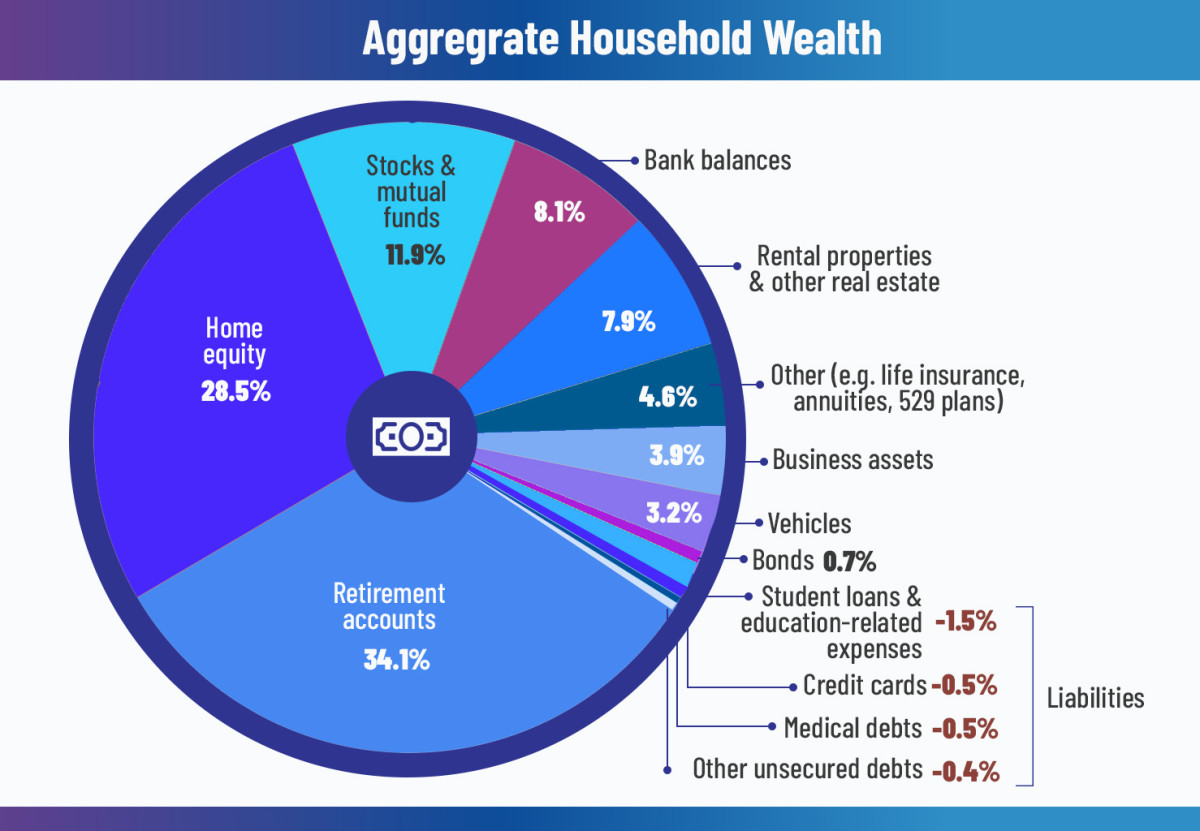
Real estate represents the largest single component of net worth for the majority of Captiva residents. Captiva features some of the most exclusive oceanfront and bayfront real estate in Southwest Florida. Single-family homes routinely command multi-million-dollar valuations, with luxury beach estates frequently priced between $3 million and over $15 million.
Unlike suburban residential markets where mortgage debt accounts for a high percentage of property value, a significant percentage of Captiva real estate transactions are executed in cash or backed by low-ratio wealth management collateral loans. Consequently, island homeowners retain exceptionally high equity margins, insulating them from real estate market volatility and directly inflating overall household net worth.
2. Strategic Tax Planning and Wealth Preservation
Florida’s favorable tax environment serves as a primary magnet for high-net-worth individuals relocating to Captiva. The state provides several concrete structural financial benefits:
- No Personal Income Tax: Florida does not levy a state income tax on individual earnings, capital gains, pensions, or dividend distributions.
- Homestead Asset Protections: Permanent residents who establish primary domicile in Florida benefit from the Florida Homestead Exemption, which caps annual property tax assessment increases on primary residences (under the "Save Our Homes" cap) and offers robust asset protection against civil court judgment creditors.
- No State Estate or Inheritance Tax: Florida imposes no state-level estate tax, facilitating smooth intergenerational wealth transfers within family trusts and private foundations.
3. Investment Portfolios and Private Business Equity
Beyond real estate, Captiva residents hold significant concentrations of wealth in traditional financial markets and private commercial ventures. Wealth management trends across Lee County's barrier islands indicate that high-net-worth households maintain diversified asset allocations, including dividend-paying equities, municipal bonds, real estate investment trusts (REITs), and private equity stakes. These income-generating assets sustain household liquidity without requiring active corporate employment.
Comparative Economic Analysis: Captiva vs. Regional Benchmarks
To understand Captiva Island's financial standing, it is helpful to compare its estimated financial metrics against nearby communities in Lee County, state averages across Florida, and national figures established by the Federal Reserve Survey of Consumer Finances.
| Region / Geographic Area | Estimated Median Household Net Worth | Estimated Median Household Income | Estimated Median Home Value | Primary Wealth Driver |
|---|---|---|---|---|
| Captiva Island (ZIP 33924) | $2,250,000 – $2,600,000 | $145,000 – $165,000 | $2,400,000 – $3,200,000 | Oceanfront Real Estate & Investment Capital |
| Sanibel Island (ZIP 33957) | $1,300,000 – $1,600,000 | $118,000 – $135,000 | $1,100,000 – $1,500,000 | Residential Real Estate & Retirement Savings |
| City of Fort Myers | $210,000 – $260,000 | $62,000 – $70,000 | $340,000 – $410,000 | Diversified Employment & Primary Housing |
| Lee County (Overall) | $280,000 – $320,000 | $68,000 – $74,000 | $370,000 – $430,000 | Suburban Housing Equity & Service Economy |
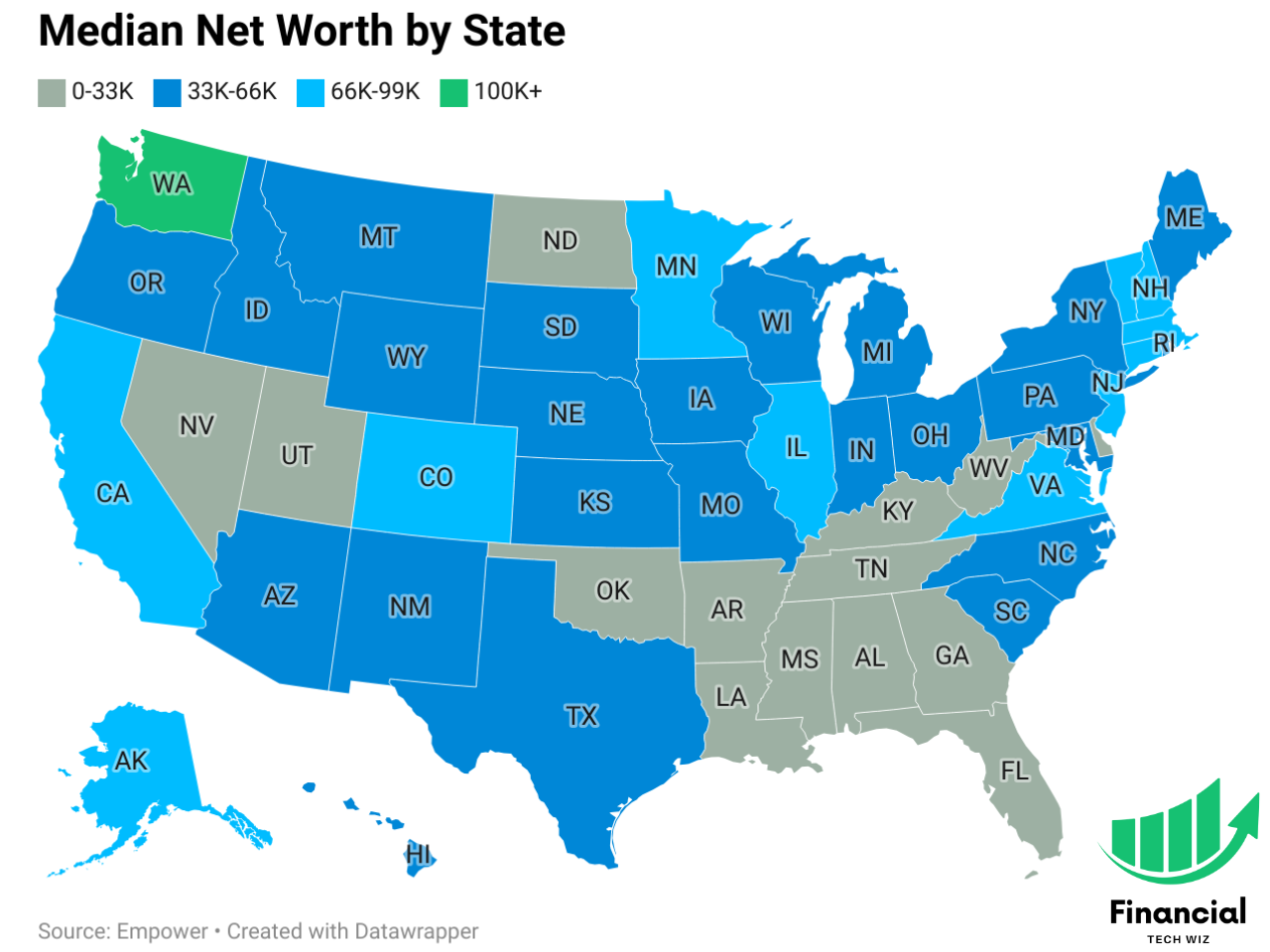
| State of Florida | $210,000 – $240,000 | $67,500 – $71,000 | $380,000 – $410,000 | Standard Real Estate Equity & Earned Wages |
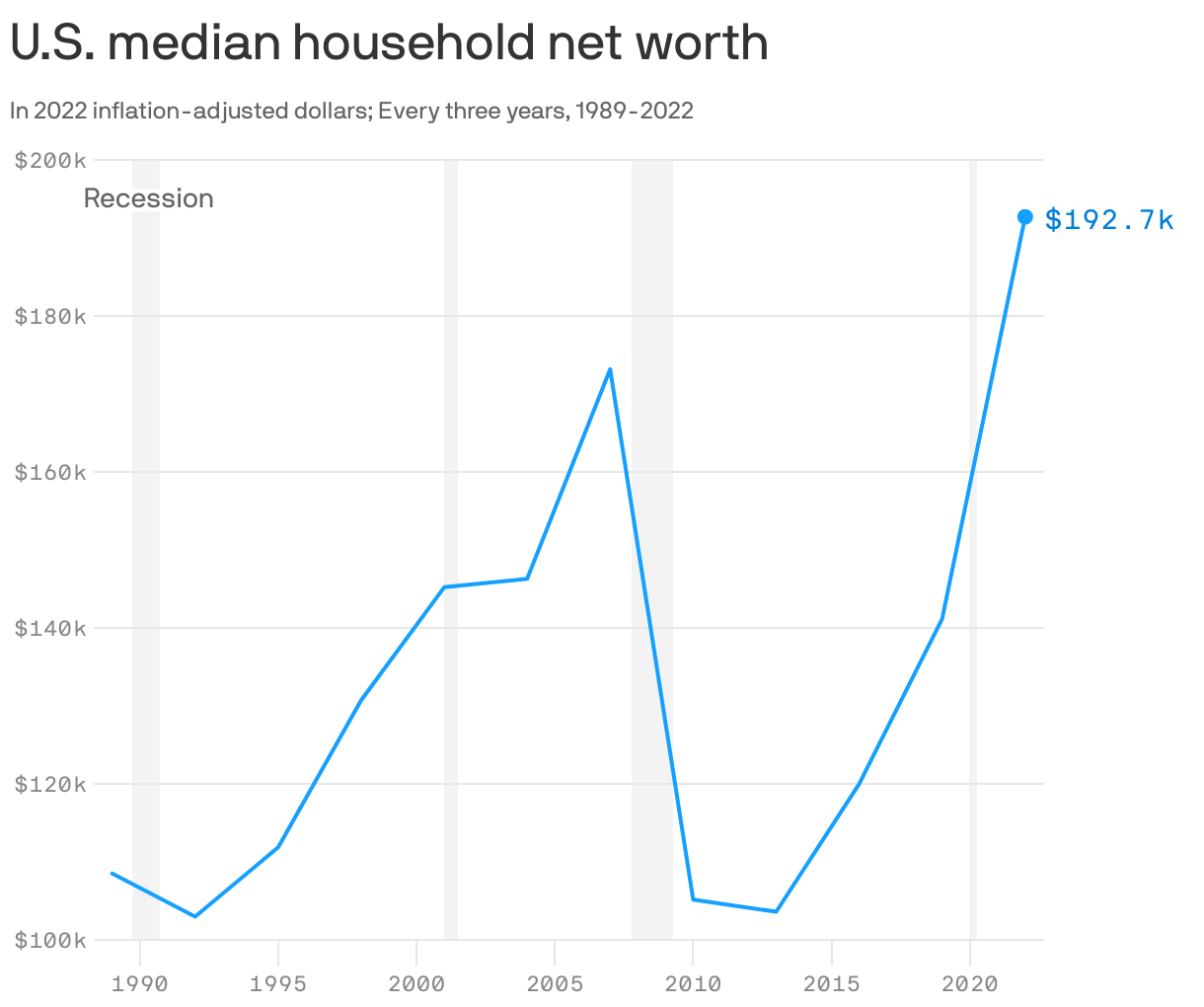
| United States (National) | $192,900 | $74,580 | $340,000 – $380,000 | Employer Retirement Plans & Primary Equity |
Note: Figures draw upon comparative synthesis of U.S. Census Bureau ACS data, Federal Reserve consumer finance surveys, and local property appraiser records adjusted for baseline economic parameters.
Financial Factors and Risk Management on Barrier Islands
While net worth figures on Captiva are substantial, maintaining and protecting wealth on a exposed barrier island requires specialized financial risk management. Recent environmental and macroeconomic shifts have reshaped how island property owners manage risk and liquidity.
Rising Carrying Costs and Property Insurance
Following major weather events such as Hurricane Ian, property ownership costs across Captiva have escalated. Windstorm and flood insurance policies—administered through the National Flood Insurance Program (NFIP) and private excess carriers—require substantial annual capital allocations. High-net-worth owners often evaluate several strategies to handle elevated risk:
- Self-Insurance and Higher Deductibles: Property owners with significant liquid reserves may opt for higher windstorm deductibles or self-insure specific structures to lower annual premium costs.
- Structural Mitigation Investments: Capital improvements, such as elevated pilings, impact-resistant glass, and fortified roof systems, preserve home value and mitigate long-term casualty loss exposures.
- Escrow and Reserve Management: Maintaining higher short-term liquidity within cash management accounts to cover unforeseen assessment increases or rapid storm repairs.
Ownership Structures and Estate Planning
Due to the value of Captiva property, direct individual homeownership is relatively rare among high-net-worth residents. Properties are frequently held within sophisticated legal structures to optimize asset protection and estate transfer:
- Revocable and Irrevocable Trusts: Used to bypass probate, manage estate taxes, and maintain privacy regarding family financial affairs.
- Limited Liability Companies (LLCs): Utilized to limit liability exposure associated with rental properties, guest residences, or joint family holdings.
- Tenancy by the Entirety: Standard ownership for married couples under Florida law, offering legal protection against single-spouse creditor claims.
Methodological Context: How Net Worth Data Is Estimated
Understanding how demographic metrics are derived helps place Captiva’s net worth numbers in proper statistical perspective.
Federal agencies such as the U.S. Census Bureau collect detailed income data via the American Community Survey, but they do not publish direct household net worth tabulations by ZIP code or small Census Designated Places (CDPs). Instead, national wealth figures are measured primarily by the Federal Reserve Board through its triennial Survey of Consumer Finances (SCF).
To calculate localized median net worth for high-income ZIP codes like Captiva (33924), economic research firms apply wealth-to-income and real estate-to-equity multipliers derived from federal survey data, local land registry deeds maintained by the Lee County Property Appraiser, and IRS tax return migration records.
Because small island populations have relatively low sample sizes in federal surveys, individual extreme property sales can skew average net worth heavily upward. Concentrating on median net worth provides a more reliable picture of the mid-point household on the island.
Practical Guidance for Prospective Buyers and High-Net-Worth Residents
For individuals considering purchasing property or establishing primary residence in Captiva, aligning real estate acquisitions with broader wealth management strategies is essential.
Establish Florida Domicile Correctly
To leverage Florida’s asset protection and tax laws, buyers transitioning from high-tax states must take formal steps to demonstrate primary domicile. This includes filing a Declaration of Domicile in Lee County, updating driver’s licenses and voter registrations, transferring primary banking relationships, and spending more than 183 days per calendar year in the state.
Evaluate Complete Property Holding Costs
When factoring real estate equity into your overall net worth calculations, look beyond the purchase price. Build comprehensive carrying cost models that include Lee County ad valorem property taxes, non-ad valorem assessments, specialized wind and flood insurance, home maintenance contracts for coastal environments, and potential homeowners association (HOA) or island infrastructure fees.
Balance Real Estate illiquidity with Portfolio Liquidity
Because a substantial portion of a Captiva resident's balance sheet is tied up in illiquid island property, financial advisors generally recommend maintaining a robust liquid buffer in fixed-income instruments, short-duration Treasuries, or cash equivalents. This prevents the need to liquidate real estate during unfavorable market cycles to meet cash flow requirements.
Frequently Asked Questions
What is the estimated median household net worth in Captiva, Florida?
The estimated median household net worth in Captiva, Florida (ZIP code 33924) ranges between $2.2 million and $2.6 million. This figure reflects substantial real estate equity in luxury island homes, combined with significant holdings in stocks, bonds, and private business assets.
Why is median net worth so much higher than median income on Captiva Island?
Captiva is home to many retirees, business founders, and high-net-worth investors who earn lower annual W-2 salaries but hold accumulated wealth in real estate and financial investments. Additionally, seasonal residents often report earned income in their home state while holding primary property equity on the island.
How does Captiva's median net worth compare to nearby Sanibel Island?
Captiva generally exhibits higher median net worth figures than neighboring Sanibel Island. While both islands are wealthy, Captiva has a smaller overall housing stock with a higher concentration of mega-luxury beachfront compounds, driving up median asset values per household.
Are second-home owners included in local Census net worth data?
Standard U.S. Census demographic surveys evaluate full-time permanent residents who list Captiva as their primary domicile. However, broader financial estimates of island wealth include non-resident property owners, whose inclusion raises total physical wealth and real estate value on the island.
How do Florida tax laws benefit high-net-worth residents in Captiva?
Florida offers significant tax advantages, including no personal state income tax, no state inheritance or estate tax, and strong homestead creditor protection rules for primary residences. These policies allow high-net-worth residents to preserve capital and streamline estate planning.
Summary and Next Steps
Captiva, Florida represents one of the most financially robust residential enclaves in the southeastern United States. Driven by multi-million-dollar real estate values, strategic state tax policies, and an affluent base of full-time and seasonal residents, household balance sheets on the island are heavily weighted toward long-term real estate equity and liquid capital.
If you are evaluating real estate or wealth relocation to Captiva:
- Consult a Florida-Licensed Estate Attorney: Review existing trust structures to ensure compliance with Florida asset protection and probate laws.
- Review Coastal Insurance Coverage: Obtain updated windstorm and flood quotes to account for post-storm regulatory and building code changes.
- Analyze Tax Residency Requirements: Ensure proper documentation if transitioning primary domicile from another state to take advantage of Florida’s homestead and income tax rules.
Disclaimer: This article provides generalized financial and demographic analysis based on publicly available Census, property appraiser, and economic survey data. It does not constitute formal tax, legal, financial, or real estate advisory services. Consult a certified financial planner, CPA, or licensed legal professional for advice tailored to your personal financial situation.
Image Gallery