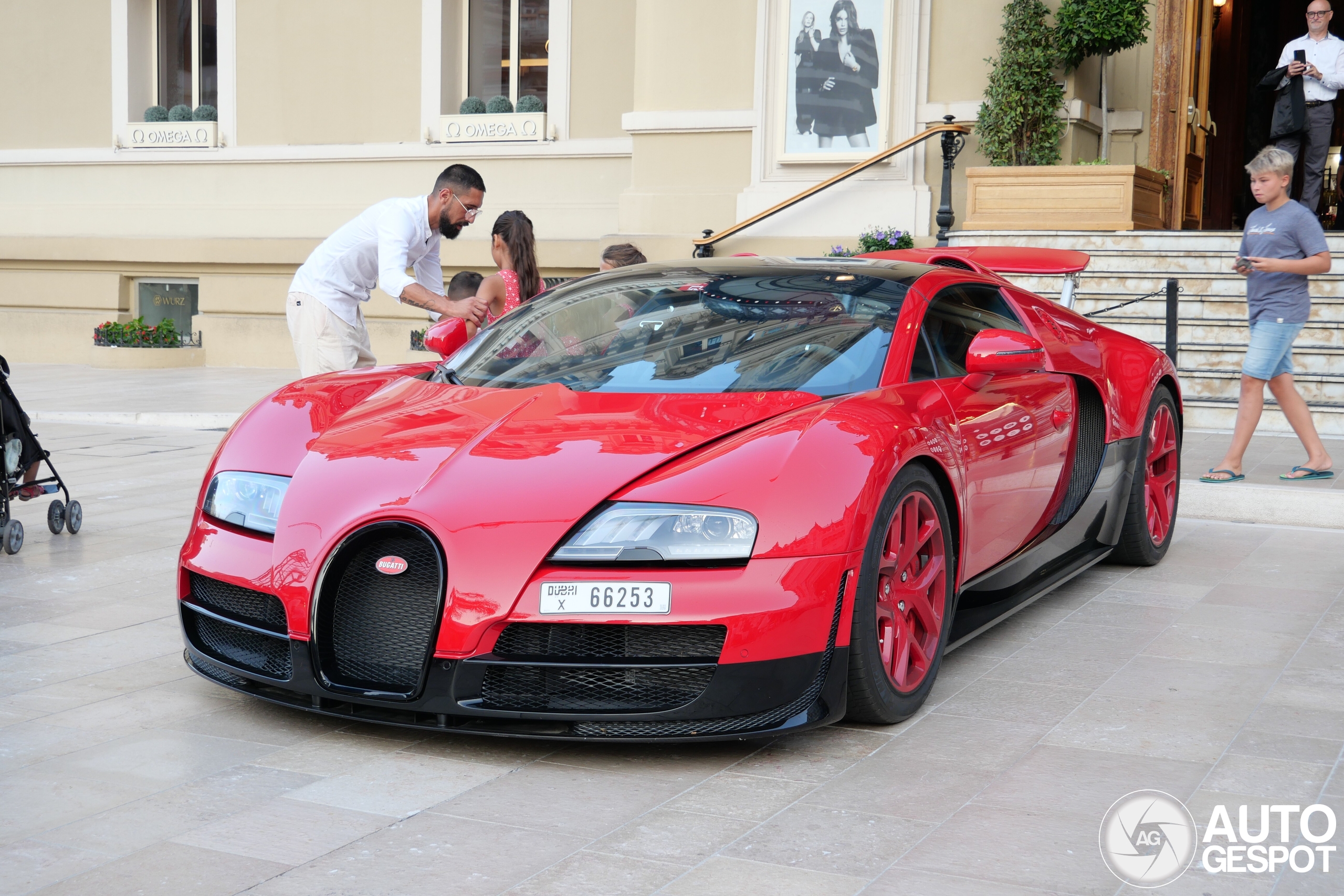
Market Analysis: The 2014 Bugatti Veyron Grand Sport in 2026
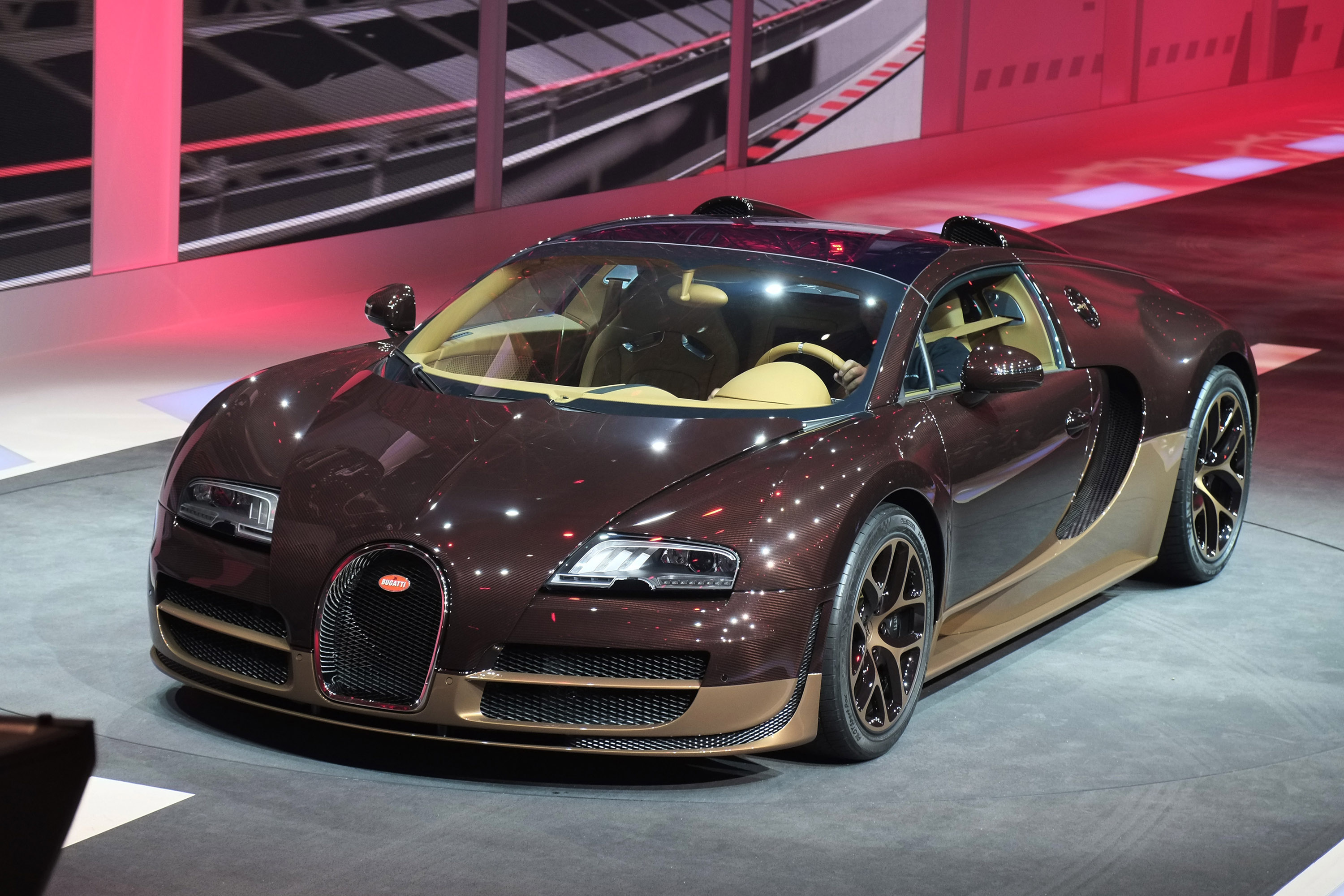
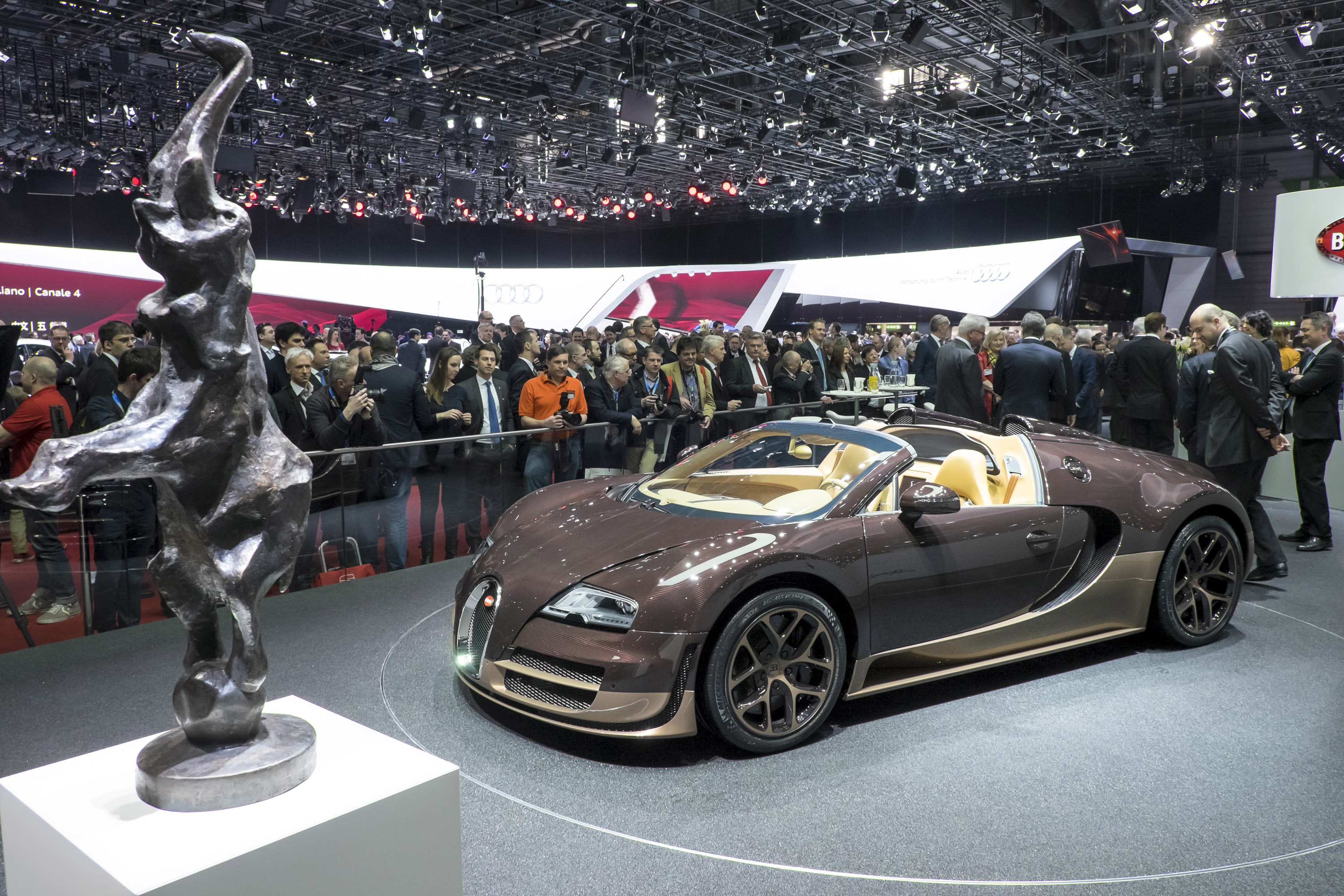
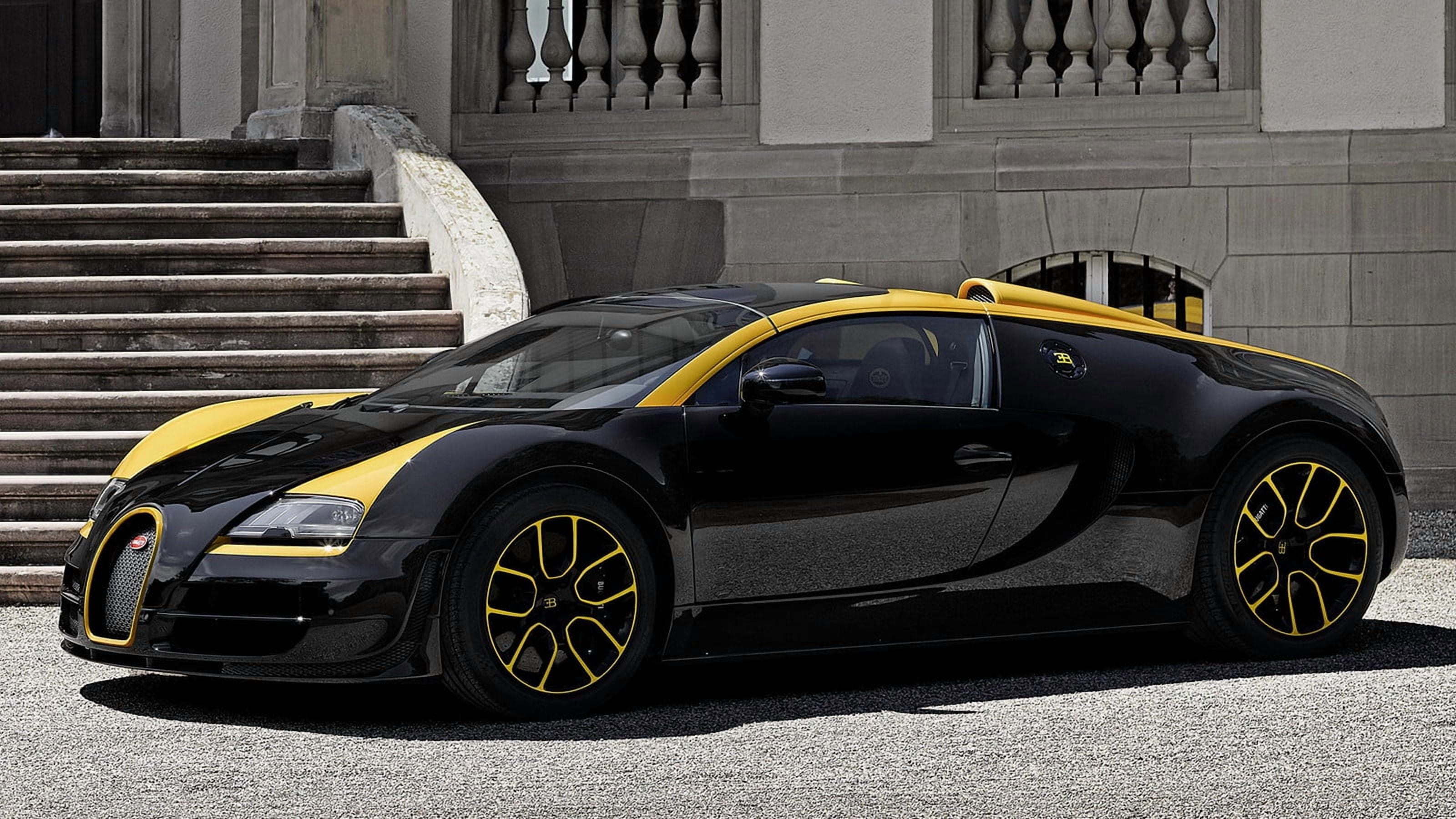
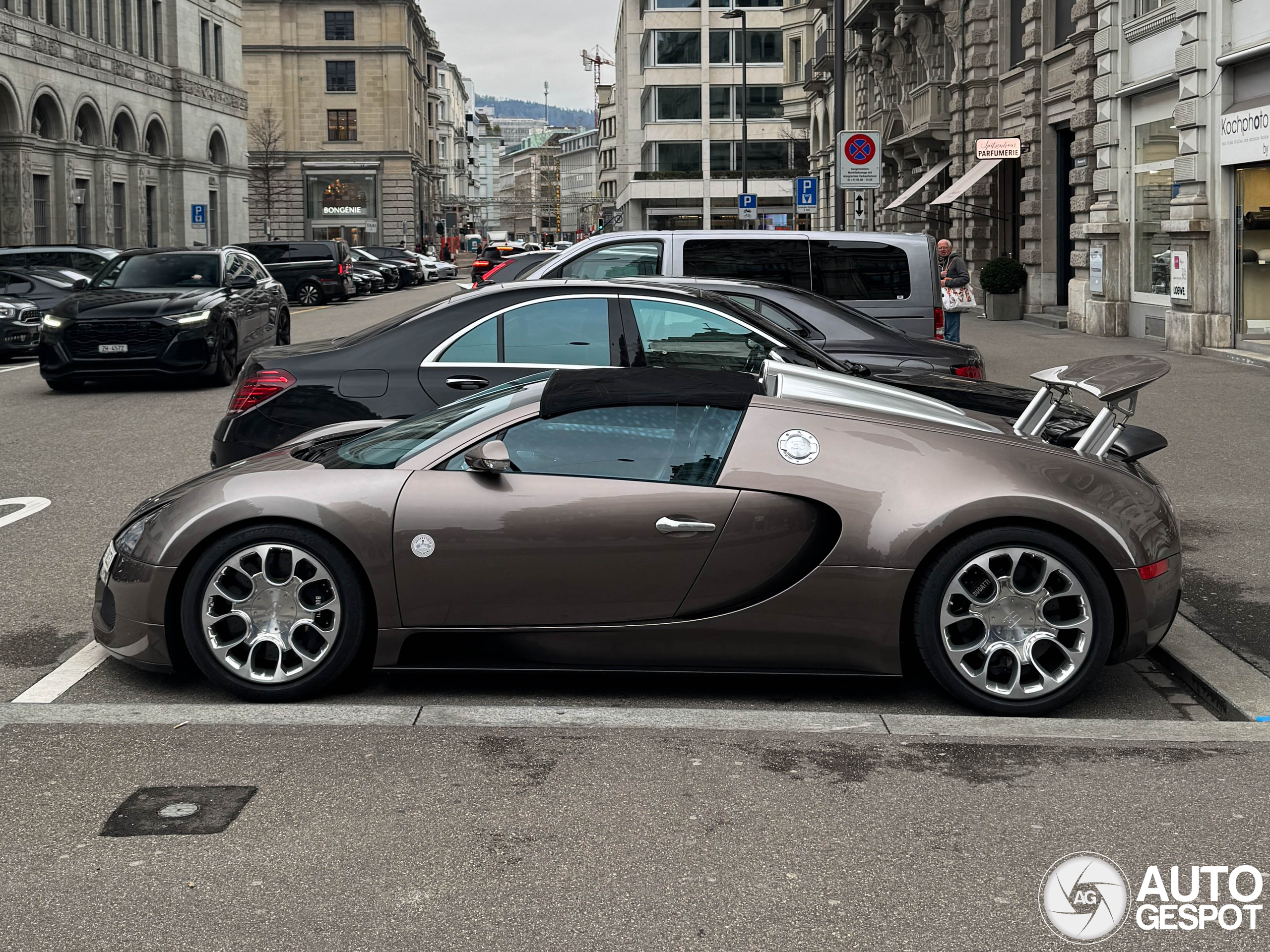
In 2026, the 2014 Bugatti Veyron Grand Sport has solidified its status as a premier blue-chip collectible, with market values typically ranging between $2.8 million and $3.5 million. As one of the final expressions of the quad-turbocha...
In 2026, the 2014 Bugatti Veyron Grand Sport has solidified its status as a premier blue-chip collectible, with market values typically ranging between $2.8 million and $3.5 million. As one of the final expressions of the quad-turbocharged W16 lineage, its rarity, open-top configuration, and historical significance drive sustained appreciation among elite global collectors and investors.
Contents
The Evolution of the Veyron Grand Sport Legacy
The 2014 Bugatti Veyron Grand Sport represents a pivotal moment in the history of the Molsheim-based manufacturer. Launched as the targa-top version of the original Veyron 16.4, the Grand Sport solved the engineering challenge of maintaining structural rigidity without a fixed roof. By 2014, Bugatti was nearing the end of the Veyron’s production run (which concluded in 2015), meaning 2014 models benefited from the most refined electronics, cooling systems, and interior craftsmanship the platform ever offered.
In the current 2026 market, the "standard" Grand Sport (1,001 hp) is often viewed through a different lens than its more powerful sibling, the Grand Sport Vitesse (1,200 hp). While the Vitesse commands higher price ceilings, the 2014 Grand Sport is prized for its purity and its role as the definitive open-top hypercar of the 2000s and early 2010s. Collectors today value these late-production units because they represent the bridge between the analog-feeling early Veyrons and the hyper-digital performance of the successor, the Chiron, and the recently debuted Tourbillon.
Engineering Specifications and Performance
To understand why the 2014 Veyron Grand Sport maintains such high value, one must look at the mechanical complexity that defined an era. At its heart lies the 8.0-liter, quad-turbocharged W16 engine. This masterpiece of engineering produces 1,001 metric horsepower (PS) and 1,250 Nm of torque.
The Grand Sport utilizes a carbon fiber monocoque that was extensively reinforced to compensate for the removal of the roof. To protect the occupants and maintain the car's 253 mph (407 km/h) top speed capability, Bugatti redesigned the air intakes and the B-pillars. When the transparent polycarbonate roof is removed, the car is electronically limited to 223 mph (360 km/h) to ensure stability—a figure that remains staggering even by 2026 standards.
Technical Data Overview
| Feature | Specification |
|---|---|
| Engine | 8.0L W16 Quad-Turbocharged |
| Power Output | 1,001 PS (987 HP) |
| Transmission | 7-Speed Dual-Clutch (DSG) |
| 0-100 km/h (62 mph) | 2.7 Seconds |
| Top Speed (Roof On) | 407 km/h (253 mph) |
| Top Speed (Roof Off) | 360 km/h (223 mph) |
| Production Total | 150 Units (Grand Sport & Vitesse combined) |
| Current Market Value (2026) | $2,800,000 – $3,500,000 |
Analyzing the 2026 Market Dynamics
The secondary market for Bugatti vehicles has undergone a transformation over the last decade. Previously, the Veyron experienced a period of relative price stagnation as the Chiron dominated headlines. However, as the automotive industry pivots toward hybridization and electrification, the Veyron’s status as the last purely internal combustion W16 "technological moonshot" has caused a resurgence in demand.
Scarcity and Provenance
Only 150 Grand Sport models (including the Vitesse) were ever produced. By 2014, most units were highly customized through the "Sur Mesure" program. In 2026, the market places a heavy premium on unique color combinations and low-mileage examples. A 2014 unit with fewer than 3,000 miles and a documented service history from Molsheim is considered a "Category A" investment.
The "Tourbillon" Effect
The recent introduction of the Bugatti Tourbillon, with its V16 hybrid powertrain, has paradoxically increased the value of the Veyron. Collectors now view the Veyron as the "Genesis" of the modern Bugatti era. The 2014 Grand Sport is increasingly compared to the Ferrari F50 or the Porsche Carrera GT—analogue or semi-analogue masterpieces that offer a visceral experience that modern hybrids cannot fully replicate.
Ownership Costs and Maintenance Realities
Acquiring a 2014 Bugatti Veyron Grand Sport is only the first step; maintaining it requires a financial commitment equivalent to owning a small fleet of luxury vehicles. In 2026, parts availability remains high through the Bugatti Heritage Program, but labor costs and specialized equipment keep maintenance expenses at the top of the automotive pyramid.
- Annual Service: A standard annual fluid change and diagnostic check-up typically costs between $20,000 and $25,000. This involves a specialized technician and, often, the partial disassembly of the rear of the car.
- Tire Replacement: Michelin produces specific tires for the Veyron (Pilot Sport PAX) that must be replaced every 2,500 miles or five years, whichever comes first. A full set in 2026 costs approximately $35,000 to $42,000.
- Wheel Replacement: Every three tire changes, Bugatti requires the replacement of the wheels themselves to ensure the integrity of the bead seal at high speeds. This service can exceed $60,000.
- The "Coup de Cœur" Program: Many 2014 Grand Sport owners opt for Bugatti’s factory certification program. This involves a rigorous 147-point inspection and provides a factory warranty extension. Having this certification can add $200,000 or more to the resale value of the car.
Investment Potential: Is it a "Buy" in 2026?
For high-net-worth individuals, the 2014 Bugatti Veyron Grand Sport is currently viewed as a "Store of Value" asset. Unlike modern mass-produced supercars that depreciate rapidly, the Veyron has cleared its depreciation curve.
Factors Favoring Appreciation:
- Historical Significance: It was the car that redefined what was possible for a production vehicle.
- Aesthetic Longevity: The design of the Grand Sport, particularly the late-year 2014 models, has aged remarkably well, avoiding the "dated" look of many competitors from the same era.
- The W16 Engine: As internal combustion engines are phased out of new production, a 16-cylinder quad-turbo engine becomes a museum-grade artifact.
Risks to Consider:
- Technical Obsolescence: While the engine is timeless, the early infotainment and electronic interfaces are showing their age. However, most collectors prioritize mechanical purity over digital connectivity.
- Liquidity: High-value hypercars are not liquid assets. Selling a $3 million car often requires months of negotiation or a high-profile auction slot at events like Pebble Beach or Villa d'Este.
Verifying Authenticity and Condition
When evaluating a 2014 Grand Sport in today's market, verification is paramount. Prospective buyers should focus on three critical areas:
- Service Logs: Ensure all services were performed by authorized Bugatti "Flying Doctors" or certified partner hubs. Any gap in the service history is a major red flag that can devalue the car by 20-30%.
- Accident History: Due to the carbon monocoque construction, any structural damage is immensely expensive to repair and must be documented by the factory.
- The "Veyron Registry": Use independent registries and chassis-tracking databases to confirm the vehicle's history, previous owners, and any modifications performed since it left Molsheim.
Frequently Asked Questions
Is the 2014 Grand Sport faster than a 2026 supercar?
While many 2026 electric and hybrid hypercars have faster 0-60 mph times (often under 2 seconds), the Veyron Grand Sport’s top speed of 253 mph still places it in the top 1% of all vehicles ever produced. Its high-speed stability and "endless" acceleration from 100 mph to 200 mph remain its hallmark.
How many 2014 Grand Sports were specifically made?
Bugatti did not release specific annual production numbers for the Grand Sport vs. the Vitesse for the year 2014. However, it is estimated that fewer than 20 units of the "standard" 1,001 hp Grand Sport were delivered in 2014, as the production focus had largely shifted to the Vitesse and the "Les Légendes de Bugatti" series.
Can the Veyron Grand Sport be driven regularly?
Technically, yes. The Veyron was designed to be as easy to drive as a Volkswagen Golf in city traffic. However, in 2026, most owners limit driving to "shakedown runs" to keep seals lubricated, as the cost-per-mile in terms of depreciation and maintenance is incredibly high.
What is the difference between a 2014 Grand Sport and a 16.4 Coupe?
The Grand Sport is the targa-top version. It features a reinforced chassis, a different windshield height, and modified air intakes. The 2014 Grand Sport also features updated LED lighting and interior electronics that were not present on the early 2006-2008 Coupes.
Does the roof fit in the car?
The Grand Sport comes with a transparent hardtop that must be left at the garage. For unexpected rain, Bugatti provides a "soft-top" umbrella-like emergency cover that can be stored in the trunk, though it limits the car's speed to approximately 80 mph.
Recommendations for Buyers and Sellers
If you are looking to purchase a 2014 Bugatti Veyron Grand Sport in 2026, prioritize "Preservation Class" vehicles. These are cars that have been maintained in climate-controlled environments with all original accessories, including the PDA-based telemetry system, the speed key, and the original car cover.
If you are selling, the best results are currently found through specialized auction houses like RM Sotheby’s or Gooding & Company. Ensure the car has a fresh service and a "clean bill of health" from Bugatti Molsheim before listing. In a market where buyers are hyper-educated, transparency regarding the car's mechanical state is the most significant factor in achieving a record-breaking price.
Image Gallery