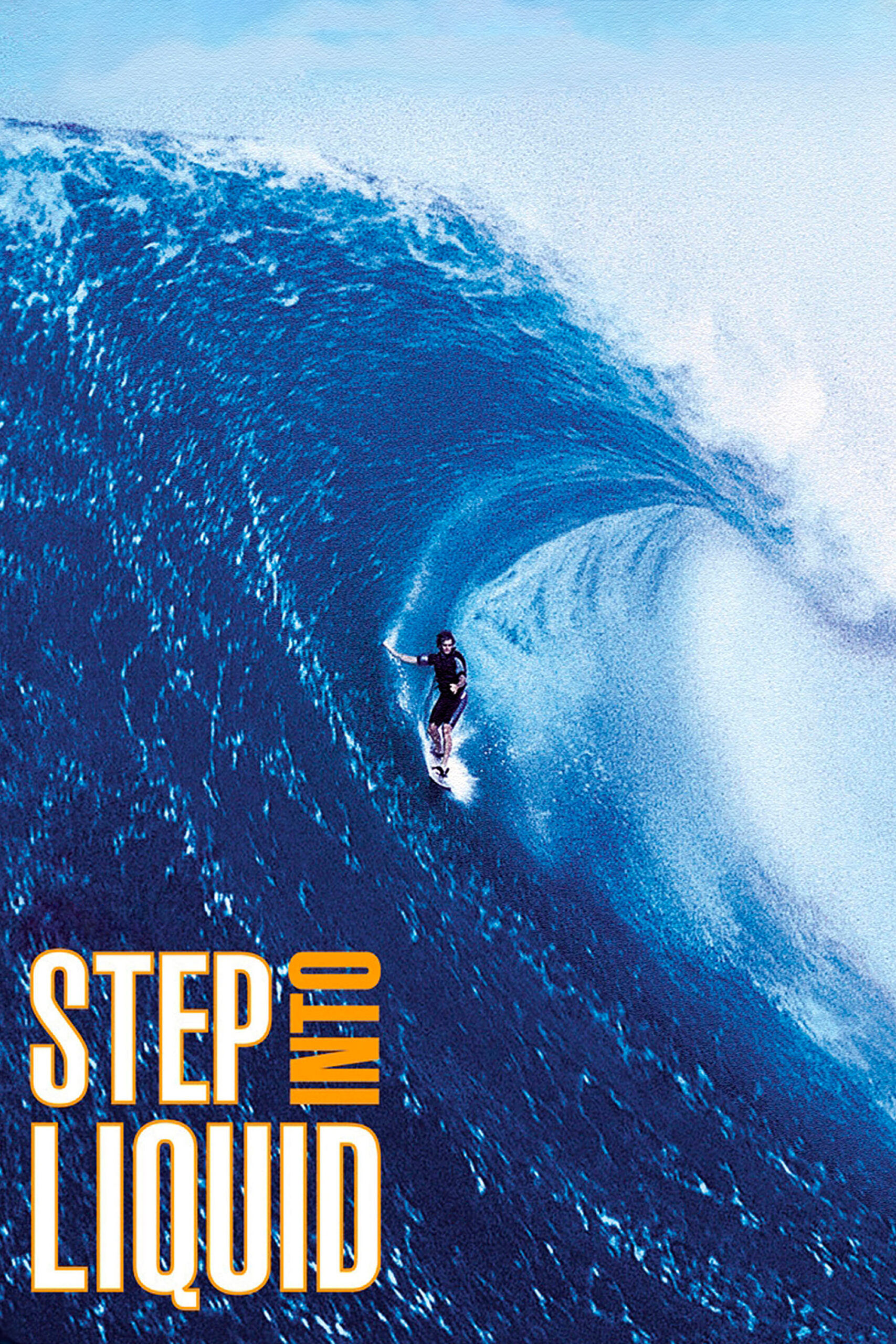
Watch Step Into Liquid With the Right Expectations
To truly enjoy Step Into Liquid, viewers should expect a celebratory, visually stunning exploration of surfing’s global soul rather than a traditional narrative or instructional guide. Directed by Dana Brown, this 2003 documentary focu...
To truly enjoy Step Into Liquid, viewers should expect a celebratory, visually stunning exploration of surfing’s global soul rather than a traditional narrative or instructional guide. Directed by Dana Brown, this 2003 documentary focuses on the diverse passion of surfers worldwide, emphasizing emotional connection over technical breakdown or competitive drama.
Contents
The Cinematic Legacy of Dana Brown
When preparing to watch Step Into Liquid, it is essential to understand its DNA. The film was directed by Dana Brown, the son of Bruce Brown, the visionary behind the legendary 1966 film The Endless Summer. While his father defined the "surf-and-travel" genre, Dana Brown modernized it for the turn of the millennium. By 2026, the film remains a cornerstone of sports cinematography, but its impact is best felt when you recognize it as a spiritual successor to his father's work.
Unlike many modern surf edits found on social media that focus on three-minute bursts of high-performance maneuvers, Step Into Liquid is a feature-length immersion. It was one of the first surf films to utilize high-quality 35mm film and digital techniques to capture the scale of the ocean in a way that felt "liquid" to the audience. Entering the viewing experience with the expectation of a slow-burn, high-production-value documentary will help you appreciate the pacing, which prioritizes the atmosphere of the locations over rapid-fire editing.
Exploring the Global Scope of Surfing
One of the primary reasons to watch Step Into Liquid is its refusal to stay within the traditional "surf hubs" of Hawaii, California, and Australia. The film’s strength lies in its democratization of the sport. It illustrates that the "perfect wave" is a subjective experience, found as much in the freezing waters of Ireland as in the tropical breaks of the South Pacific.
Dana Brown takes the audience to unexpected locations, including:
- Sheephaven Bay, Ireland: Highlighting the rugged endurance of cold-water surfers.
- Texas Tanker Surfing: A unique segment showing surfers riding the massive wakes produced by oil tankers in the Galveston Ship Channel.
- Vietnam: Exploring the nascent surf culture in regions previously defined by conflict.
- Easter Island (Rapa Nui): Showcasing remote, powerful waves and the indigenous connection to the sea.
By setting your expectations to see "unconventional" surfing, you avoid the disappointment of not seeing a 90-minute highlight reel of Pipe or Teahupo'o. Instead, you gain a deeper understanding of surfing as a global human condition.
Key Figures and Surfing Disciplines
The film features a mix of world-class professionals and "everyday" legends. Understanding who these individuals are before watching can provide necessary context for their segments. For instance, the segments involving Laird Hamilton focus on the dawn of tow-in surfing, a discipline that allowed surfers to tackle waves previously thought unrideable.
| Surfer/Subject | Region/Focus | Significance in the Film |
|---|---|---|
| Laird Hamilton | Maui, Hawaii | Pioneer of tow-in surfing and foil boarding. |
| Robert August | Global / Costa Rica | Original star of The Endless Summer; provides historical continuity. |
| The Malloy Brothers | Various | Represent the "pro-traveler" lifestyle and brotherhood. |
| The Keaulana Family | Makaha, Hawaii | Focuses on the "Waterman" philosophy and Hawaiian heritage. |
| Dale Webster | Northern California | A man who surfed every single day for over 28 years. |
| Cortes Bank Crew | 100 miles offshore | Surfing a "sunken island" in the middle of the Pacific Ocean. |
Managing Technical and Aesthetic Expectations
As of 2026, viewers are accustomed to 4K and 8K drone footage and ultra-stabilized GoPro angles. Step Into Liquid was released in 2003, a transitional period for film technology. While it was groundbreaking at the time for its use of the Sony HDW-F900 CineAlta camera (the same model used for Star Wars: Episode II), it does not have the hyper-stabilized, robotic look of modern surf content.
Expect a more "organic" visual style. The grain of the film and the choice of angles are designed to make the viewer feel the weight of the water. The soundtrack is also a product of its era, featuring early-2000s alternative and surf-rock vibes that complement the optimistic tone of the film. If you expect a gritty, edgy documentary like Bra Boys or Bustin' Down the Door, you will find Step Into Liquid surprisingly wholesome and bright. It is a "feel-good" movie, intended to make you want to jump into the water, regardless of your skill level.
The "Cortes Bank" Sequence: A Masterclass in Tension
Perhaps the most famous segment of the film involves Cortes Bank, an underwater mountain range located roughly 100 miles off the coast of Southern California. In 2003, the footage of Ken Collins, Peter Mel, and Mike Parsons riding these massive, open-ocean peaks was revolutionary.
When watching this section, keep in mind the logistical nightmare it represented. In 2003, there was no sophisticated GPS-tracked jet-ski rescue infrastructure to the level we see today at Nazaré. The isolation of Cortes Bank adds a layer of genuine peril to the cinematography. If you watch this expecting the polished safety protocols of modern Big Wave World Tour events, you might miss the raw, experimental nature of what these surfers were doing at the time.
Why the Human Element Outshines the Athletics
While the surfing is world-class, the "right expectation" is to focus on the interviews and the philosophy. Dana Brown is an expert at finding the "why." He interviews people who surf in Lake Michigan in the middle of winter and people who surf in the wake of boats because they live miles from the ocean.
The film argues that the "feeling" of a wave is the same for a pro at Jaws as it is for a beginner catching their first whitewash. This egalitarian view of the sport is what has kept the documentary relevant for over two decades. It isn't just a movie about athletes; it is a movie about obsession, joy, and the passage of time.
Critical Considerations for 2026 Viewers
- Pacing: The documentary follows a "vignette" structure. It moves from one location to another without a heavy overarching plot. Expect a journey, not a destination.
- Cultural Context: Some of the segments reflecting on "new" surf frontiers (like Vietnam) are now over 20 years old. Those surf scenes have evolved significantly since the film was made.
- Gender Representation: While the film features the "Surf Divas" and mentions women's surfing, it is largely dominated by male figures, reflecting the industry landscape of the early 2000s.
- Format: If possible, seek out the remastered digital versions available on major streaming platforms like Amazon Prime Video or Apple TV to ensure the high-definition intent of the director is preserved on modern displays.
Common Mistakes When Watching for the First Time
The most common mistake new viewers make is expecting a "competitive" breakdown. Step Into Liquid does not care about heat scores, jerseys, or world titles. If you go in looking for the technical nuances of a "backside 360 air," you are watching the wrong film.
Another mistake is comparing it too harshly to The Endless Summer. While the lineage is there, Dana Brown’s voice is distinct from his father’s. Bruce Brown’s narration was famously droll and observational; Dana’s is more earnest and celebratory. Acknowledge the connection, but allow Step Into Liquid to stand on its own as a modern classic.
Frequently Asked Questions
Is Step Into Liquid a sequel to The Endless Summer?
No, it is not a direct sequel. While it was directed by Dana Brown (son of Endless Summer director Bruce Brown) and features some of the same figures like Robert August, it is a standalone documentary with a different stylistic approach and a broader focus on the global diversity of surfing.
Who is the narrator of Step Into Liquid?
The film is narrated by its director, Dana Brown. His narration is central to the film’s tone, offering a mix of philosophical insight, humor, and a deep, personal passion for the ocean.
Does the film cover big wave surfing?
Yes, a significant portion of the film is dedicated to big wave surfing, specifically the "Tow-In" revolution of the early 2000s. The climax of the film features the historic session at Cortes Bank, where some of the largest waves ever filmed at that time were captured.
Is the movie suitable for non-surfers?
Absolutely. One of the film's primary goals is to explain the "stoke" of surfing to those who have never touched a board. The human stories, such as Dale Webster’s daily surfing streak or the family dynamics of the Keaulanas, provide universal themes of dedication and family.
What is the significance of the title?
"Step Into Liquid" refers to the transition from land to water—the moment a surfer leaves the solid world behind and enters the fluid, ever-changing environment of the ocean. It represents the immersion into the surfing lifestyle.
Recommendation for Next Actions
To get the most out of Step Into Liquid, schedule your viewing for a time when you can watch it on the largest screen available with a high-quality sound system. The film’s strength is its scale and its soundtrack. After watching, consider viewing The Endless Summer (1966) to see the evolution of the genre, or explore Dana Brown’s other work, such as Dust to Glory (about the Baja 1000), to see how he applies his "passion-first" documentary style to other extreme sports. If you are a surfer, the best next action is simple: go for a paddle and try to see the water through the celebratory lens the film provides.
Image Gallery