How to Prepare for the Google Cloud Professional Cloud Security Engineer Certification
To prepare for the Google Cloud Professional Cloud Security Engineer certification, you must master Identity and Access Management (IAM), network security, and data protection within the Google Cloud ecosystem. Success requires combini...
To prepare for the Google Cloud Professional Cloud Security Engineer certification, you must master Identity and Access Management (IAM), network security, and data protection within the Google Cloud ecosystem. Success requires combining theoretical study of official documentation with extensive hands-on experience through Google Cloud Skills Boost labs and rigorous practice with simulated exam scenarios.
Contents
Earning the Google Cloud Professional Cloud Security Engineer certification in 2026 remains one of the most effective ways to validate your expertise in designing, developing, and managing a secure infrastructure on Google Cloud Platform (GCP). As cloud environments become increasingly complex with integrated AI workloads and hybrid-cloud architectures, the role of a security engineer has transitioned from a perimeter-focused technician to a holistic architect of zero-trust environments.
Understanding the Professional Cloud Security Engineer Role
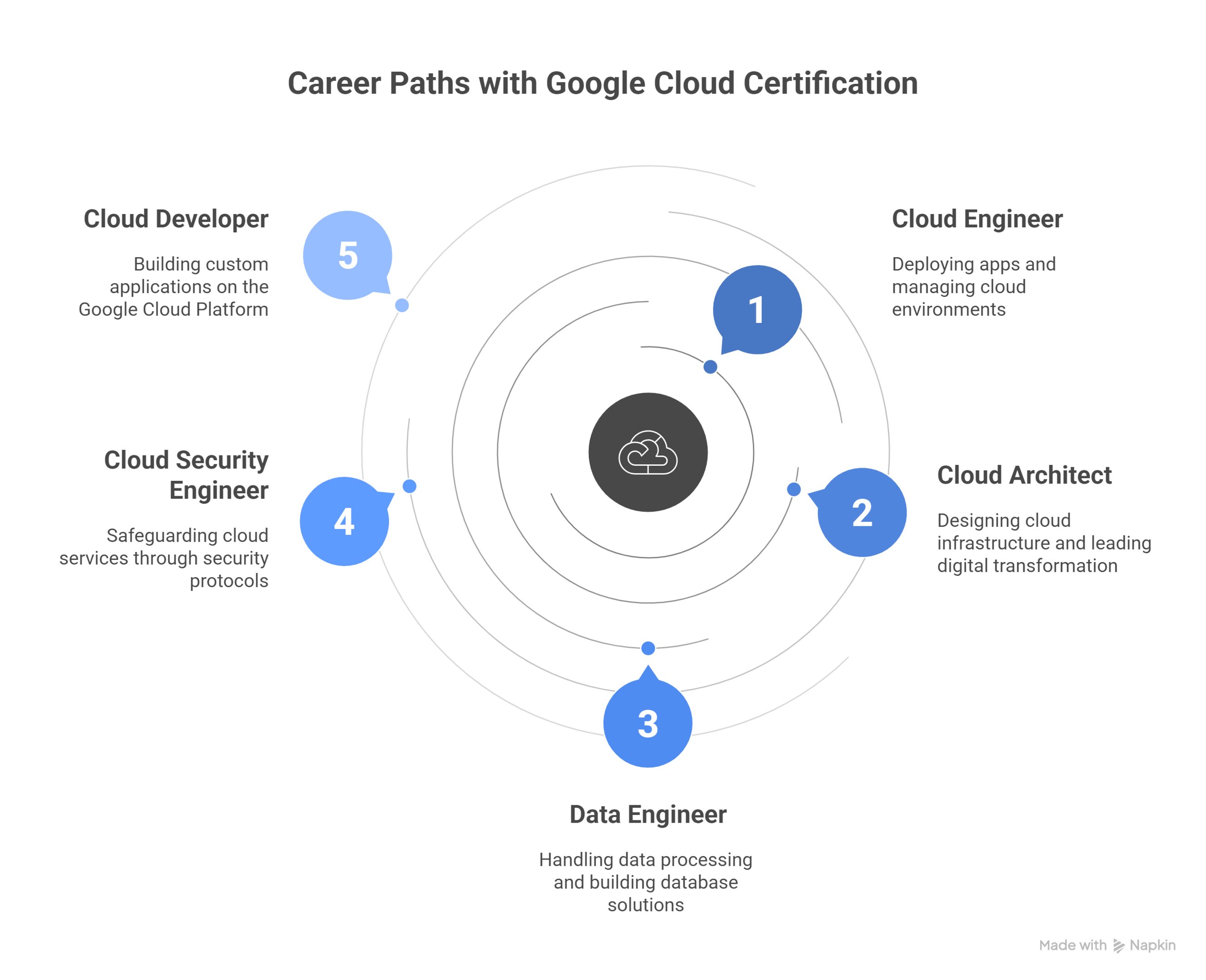
A Google Cloud Security Engineer is responsible for much more than just configuring firewalls. In the current 2026 landscape, these professionals are expected to implement security best practices across the entire development lifecycle. This includes managing identity and access, defining organizational structure and policies, protecting data with encryption, and configuring network security defenses.
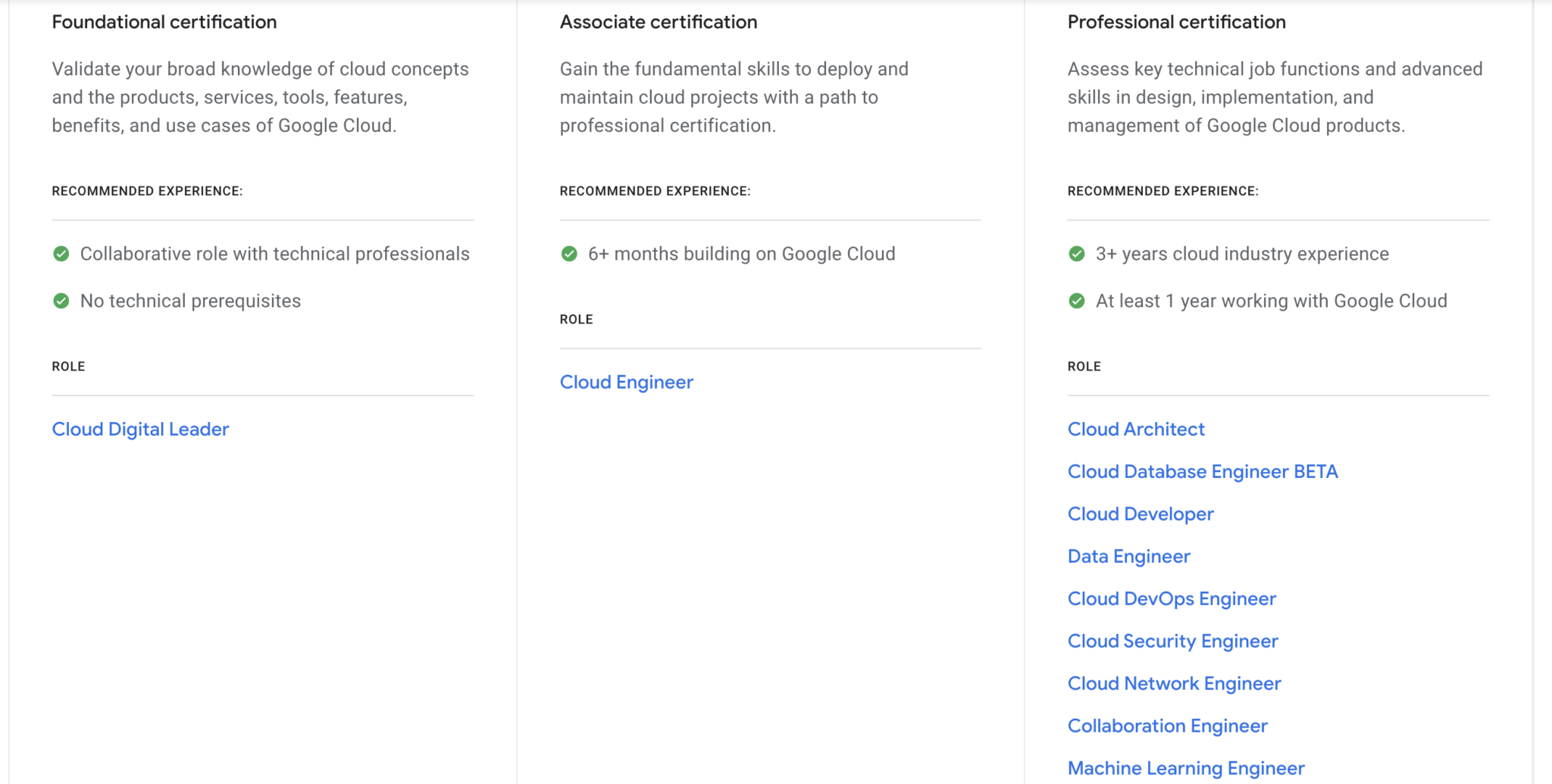
The certification exam assesses your ability to use Google Cloud security technologies to comply with regulatory requirements and mitigate threats. You are tested on your proficiency in using tools like Security Command Center, Cloud KMS, and VPC Service Controls. Because this is a "Professional" level exam, Google expects candidates to have at least three years of industry experience, including one year specifically designing and managing solutions using GCP.
Core Domains of the Certification Exam
The exam is structured around several critical domains. To prepare effectively, you must allocate your study time according to the weight and complexity of these areas.
1. Identity and Access Management (IAM)
IAM is the cornerstone of GCP security. You must understand the hierarchy of resources—Organization, Folders, Projects, and Resources—and how inheritance works. Mastery of Cloud IAM roles (Primitive, Predefined, and Custom) is essential. You should also be deeply familiar with Service Accounts, which are used by applications to make authorized API calls. In 2026, there is a significant emphasis on Workload Identity Federation, allowing on-premises or multi-cloud workloads to access GCP resources without needing to manage long-lived service account keys.
2. Network Security
Network security in GCP revolves around the concept of a Virtual Private Cloud (VPC). You need to know how to configure VPC Firewall Rules, understand the difference between ingress and egress, and how to use Network Tags for granular control. Beyond basic firewalls, the exam covers advanced topics like Cloud Armor for DDoS protection and WAF capabilities, and Identity-Aware Proxy (IAP), which enables a zero-trust model by verifying user identity and context before granting access to applications.
3. Data Protection and Encryption
Google Cloud encrypts data at rest and in transit by default, but a security engineer must know how to manage those keys. You will be tested on Cloud KMS (Key Management Service), including the use of Customer-Managed Encryption Keys (CMEK) and Customer-Supplied Encryption Keys (CSEK). You must also understand how to use Cloud Data Loss Prevention (DLP) to discover, classify, and redact sensitive data within your storage buckets or databases.
4. Logging, Monitoring, and Operations
Security is a continuous process. You must know how to configure Cloud Logging and Cloud Monitoring to detect anomalies. The exam often includes scenarios regarding Audit Logs (Admin Activity, Data Access, System Event, and Policy Denied logs). Knowing how to export these logs to BigQuery or Pub/Sub for long-term analysis or integration with a SIEM (Security Information and Event Management) system is a common requirement.
Recommended 2026 Preparation Roadmap
Preparation should be methodical. Simply reading the documentation is rarely enough to pass a Professional-level exam.
Phase 1: Theoretical Foundation
Start by reviewing the official Google Cloud Professional Cloud Security Engineer Exam Guide. This guide is the ultimate source of truth for what will be covered. Follow this by completing the "Security Engineer" learning path on Google Cloud Skills Boost. These courses provide the necessary context for why specific security services exist and how they integrate.
Phase 2: Hands-on Experience
Google’s exams are highly situational. You will face questions that describe a specific business problem and ask for the most secure or efficient solution. Use Qwiklabs to perform tasks like:
- Configuring VPC Service Controls to prevent data exfiltration.
- Setting up a Private Service Connect.
- Automating security policy deployments using Infrastructure as Code (Terraform).
- Configuring Binary Authorization for GKE (Google Kubernetes Engine) clusters.
Phase 3: Deep Dive into Documentation
When you encounter a service you are less familiar with during your labs, go back to the official documentation. Pay close attention to "Best Practices" sections. For instance, the Best practices for IAM page provides insights that are frequently mirrored in exam questions, such as the principle of least privilege and the avoidance of primitive roles in production.
Phase 4: Practice and Verification
Before booking the exam, take the official sample questions provided by Google. In 2026, many reputable third-party platforms also offer updated practice exams. When taking these, do not just look for the right answer; analyze why the other three options are incorrect. This "process of elimination" logic is vital for the actual 120-minute exam.
Technical Comparison: Security Certifications
It is helpful to understand how the Google Cloud Security certification compares to other industry-leading credentials to gauge the depth of knowledge required.
| Feature | Google Cloud Security Engineer | AWS Certified Security - Specialty | Microsoft Azure Security Engineer |
|---|---|---|---|
| Primary Focus | Identity, VPC SC, and Data Protection | Identity (IAM), Logging, and Incident Response | Identity (Entra ID), Platform, and Data Security |
| Key Differentiator | Heavy emphasis on Shared VPCs and global networking | Focus on complex KMS policies and automated remediation | Integration with Microsoft 365 and hybrid security |
| Exam Duration | 120 Minutes | 170 Minutes | 120 Minutes |
| Prerequisites | None (Recommended 3+ yrs experience) | None (Recommended 5+ yrs experience) | None (Recommended proficiency in Azure) |
| Cost (2026) | $200 USD | $300 USD | $165 USD |
Critical Technical Concepts to Master
To ensure you are fully prepared, you must have a functional understanding of these specific "high-stakes" technical areas:
- VPC Service Controls (VPC SC): This is often one of the most difficult topics. Understand how to create service perimeters, bridge perimeters, and use ingress/egress rules to allow specific cross-perimeter communication.
- Shared Responsibility Model: Know exactly what Google is responsible for (physical security of the data center) and what the customer is responsible for (IAM policies, firewall rules, and data encryption choices).
- Organizational Policy Service: Learn how to enforce constraints across your entire GCP organization, such as "Disable Service Account Key Creation" or "Restrict Public IP addresses on VMs."
- Security Command Center (SCC): Understand the difference between the Standard and Premium tiers. Know how to interpret findings related to vulnerabilities and misconfigurations.
- Binary Authorization: Focus on how this service ensures that only trusted container images are deployed on Google Kubernetes Engine (GKE).
Common Mistakes to Avoid
Many candidates fail the Professional Cloud Security Engineer exam because they approach it as a general IT security test.
- Ignoring the "Google Way": GCP has specific ways of handling networking (e.g., global VPCs) that differ from AWS or on-premises environments. Always choose the solution that utilizes native Google Cloud services first.
- Underestimating IAM Inheritance: Remember that if a user has "Editor" access at the Folder level, you cannot "revoke" it at the Project level. Permissions are additive.
- Neglecting Managed Services: If a question asks for a secure way to manage secrets, the answer is usually Secret Manager, not a custom database or third-party tool, unless specified otherwise.
- Skipping the Case Studies: While Google has reduced the reliance on long-form case studies in some exams, situational awareness of enterprise-scale problems is still a core requirement for security engineers.
Frequently Asked Questions
How difficult is the Google Cloud Security certification?
The exam is considered "Professional" level, meaning it is significantly more difficult than the Associate Cloud Engineer exam. It requires a deep understanding of how security services interact. You are expected to solve complex architecture problems rather than just define terms.
How long does the certification last?
Like most Google Cloud professional certifications, the Security Engineer credential is valid for two years. You must retake the exam to maintain your certified status, ensuring you are up to date with the latest security features and threats as of 2026.
Can I take the exam online?
Yes, Google offers both onsite proctored exams at testing centers and remote proctored exams that you can take from your home or office. Remote exams require a stable internet connection, a functional webcam, and a clean, private workspace.
What is the passing score for the exam?
Google Cloud does not publish the exact passing score or the percentage of questions you need to get right. The results are provided as a simple "Pass" or "Fail." This approach emphasizes a holistic understanding of the subject matter rather than "teaching to the test."
Does this certification help with career advancement?
Yes, cloud security is one of the highest-paying and most in-demand specialties in the IT industry. Holding this certification in 2026 signals to employers that you can protect their most sensitive data and infrastructure against modern cyber threats.
Final Recommendation for Candidates
Once you feel confident with the theoretical material, focus your final week of preparation on the Security Command Center and VPC Service Controls. These two areas often provide the most challenging questions on the exam. Practice building a multi-tier application architecture and then systematically securing each layer using the principles of Zero Trust. This practical application of your knowledge will bridge the gap between "studying" for an exam and "mastering" the role of a Google Cloud Security Engineer.
Image Gallery