How to Become a Psychiatrist in California: A Comprehensive Career Guide
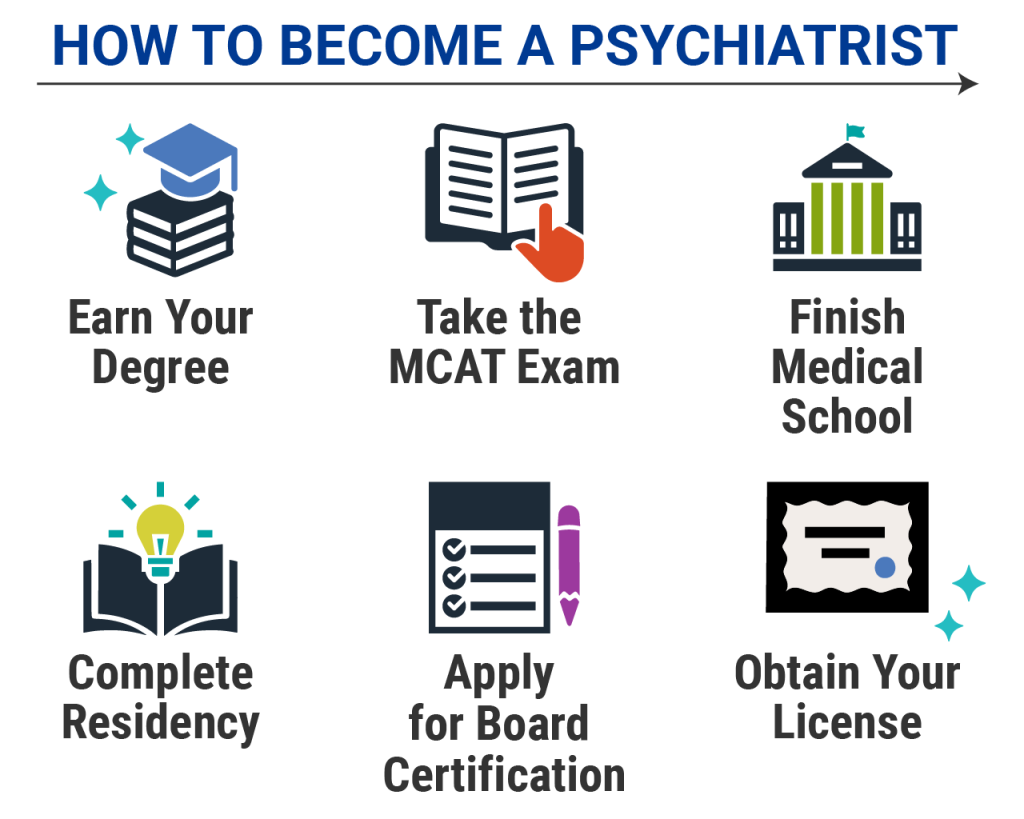
To become a psychiatrist in California, you must complete a four-year undergraduate degree, four years of medical school (MD or DO), and a four-year psychiatric residency. Following this, you must obtain a Physician’s and Surgeon’s Cer...
To become a psychiatrist in California, you must complete a four-year undergraduate degree, four years of medical school (MD or DO), and a four-year psychiatric residency. Following this, you must obtain a Physician’s and Surgeon’s Certificate from the Medical Board of California and, typically, achieve board certification through the American Board of Psychiatry and Neurology.
Contents
The path to becoming a psychiatrist in the State of California is a rigorous journey that balances intensive medical training with specialized psychological expertise. As of 2026, California remains one of the most demanding yet rewarding states for mental health professionals due to its stringent licensing standards and high demand for psychiatric services across diverse populations. Unlike psychologists, who typically hold a PhD or PsyD, psychiatrists are medical doctors who can prescribe medication, order laboratory tests, and manage the complex interface between physical and mental health.
The Educational Foundation: Undergraduate and Pre-Medical Requirements
The journey begins with a four-year bachelor's degree from an accredited institution. While many prospective psychiatrists major in biological sciences or psychology, medical schools do not require a specific major. However, students must complete a core set of "pre-med" requirements, including organic chemistry, biology, physics, and biochemistry.
In 2026, California medical school admissions committees place significant weight on holistic reviews. Beyond a high GPA, successful applicants demonstrate a commitment to the field through clinical volunteering, research, or shadowing experience. The Medical College Admission Test (MCAT) remains a critical milestone; students typically take this exam in their junior year of college. A competitive score is essential for entry into prestigious California institutions such as the David Geffen School of Medicine at UCLA or the UCSF School of Medicine.
Navigating Medical School: MD vs. DO Pathways
Once admitted, you will spend four years earning either a Doctor of Medicine (MD) or a Doctor of Osteopathic Medicine (DO) degree. Both degrees are fully recognized by the Medical Board of California and allow for full practice rights as a psychiatrist.
- Years 1 & 2: Focus on didactic learning, covering anatomy, physiology, pharmacology, and pathology. You will also begin learning the basics of the psychiatric interview and the Diagnostic and Statistical Manual of Mental Disorders (DSM-5-TR).
- Years 3 & 4: Transition into clinical rotations. You will rotate through various specialties, including internal medicine, surgery, and pediatrics. A dedicated psychiatry clerkship is mandatory, where you will gain your first hands-on experience treating patients in inpatient and outpatient psychiatric settings.
During medical school, you must pass the first two parts of the United States Medical Licensing Examination (USMLE) for MDs or the Comprehensive Osteopathic Medical Licensing Examination (COMLEX-USA) for DOs. These exams verify your medical knowledge and readiness for supervised clinical practice in a residency program.
Completing a Psychiatric Residency in California
After graduating from medical school, you are officially a doctor, but you cannot yet practice independently. You must "match" into a four-year residency program in psychiatry. In California, residency programs are highly competitive, offered by major university systems (UC schools) and private healthcare networks like Kaiser Permanente.
The PGY-1 Year (Internship)
The first year of residency (Post-Graduate Year 1) involves significant time in non-psychiatric rotations. You will typically spend several months in internal medicine, neurology, and emergency medicine. This ensures that a psychiatrist understands the medical conditions that can mimic psychiatric disorders, such as thyroid dysfunction or neurological tumors.
PGY-2 through PGY-4
The remaining three years focus exclusively on psychiatry. You will learn to manage acute crises in the psych emergency room, treat chronic conditions in outpatient clinics, and utilize various modalities of psychotherapy, including Cognitive Behavioral Therapy (CBT) and psychodynamic therapy. By PGY-4, many residents serve as chief residents or pursue electives in subspecialties like forensic psychiatry, child and adolescent psychiatry, or geriatric psychiatry.
California Medical Licensing Requirements and Procedures
California has specific regulatory requirements that differ from other states. The Medical Board of California (MBC) or the Osteopathic Medical Board of California (OMBC) oversees the issuance of licenses.
The Postgraduate Training License (PTL)
As of current 2026 regulations, all residents in California training programs must obtain a Postgraduate Training License (PTL) within 180 days of starting their program. This license allows you to practice medicine only within the confines of your residency or fellowship program. To qualify, you must have graduated from an approved medical school and passed the required USMLE/COMLEX steps.
Transitioning to the Physician’s and Surgeon’s Certificate
To practice independently or "moonlight" outside of your residency, you must apply for a full Physician’s and Surgeon’s Certificate. In California, this requires:
- Completion of at least 12 to 24 months of ACGME-accredited postgraduate training (requirements may vary based on whether you graduated from a domestic or international medical school).
- Passing Step 3 of the USMLE or COMLEX.
- A thorough background check, including a Live Scan (fingerprinting) through the California Department of Justice and the FBI.
- Payment of licensing fees, which generally exceed $800, excluding application and background check costs.
Board Certification and Specialization
While a state medical license grants you the legal right to practice, most hospitals and insurance panels require Board Certification from the American Board of Psychiatry and Neurology (ABPN).
Board certification involves a rigorous examination process that tests both clinical knowledge and the ability to apply that knowledge to patient cases. Becoming "Board Eligible" occurs upon completion of residency, but passing the board exam makes you "Board Certified." In California’s competitive market, being board-certified is essential for career advancement and securing positions in top-tier healthcare systems.
For those interested in further specialization, one- to two-year fellowships are available in:
- Child and Adolescent Psychiatry
- Geriatric Psychiatry
- Forensic Psychiatry
- Addiction Psychiatry
- Consultation-Liaison Psychiatry (Psychosomatic Medicine)
Career Outlook and Financial Considerations in 2026
The demand for psychiatrists in California continues to outpace the supply. Areas such as the Central Valley and the Inland Empire are particularly underserved, often offering significant recruitment incentives or student loan repayment programs through the California Department of Health Care Access and Information (HCAI).
Salary Expectations
In 2026, the average salary for a psychiatrist in California ranges from $260,000 to over $350,000, depending on the region and setting. Private practice in high-cost areas like San Francisco or West Los Angeles may command higher fees, but these roles come with significant overhead costs and administrative burdens.
Continuing Education
California law requires psychiatrists to complete 50 hours of Continuing Medical Education (CME) every two years to maintain their license. Additionally, California has specific mandates for CME topics, such as pain management and the risks of addiction, which are critical for any physician with prescribing authority.
Summary of the Path to Psychiatry in California
| Stage | Duration | Primary Goal | Key Milestone |
|---|---|---|---|
| Undergraduate | 4 Years | Bachelor's Degree | MCAT Exam |
| Medical School | 4 Years | MD or DO Degree | USMLE Step 1 & 2 |
| Residency | 4 Years | Clinical Training | USMLE Step 3 & PTL |
| Licensure | Ongoing | Independent Practice | Physician's & Surgeon's Certificate |
| Board Certification | Lifetime | Professional Standard | ABPN Board Exam |
Frequently Asked Questions
How long does it take to become a psychiatrist in California?
Typically, it takes 12 years of post-secondary education: 4 years of undergraduate study, 4 years of medical school, and 4 years of residency. If you choose to pursue a subspecialty fellowship, such as Child and Adolescent Psychiatry, you should add an additional 1 to 2 years to that timeline.
Can I become a psychiatrist with a DO degree in California?
Yes. The Osteopathic Medical Board of California (OMBC) licenses DOs, and they have the same practice rights, including the ability to prescribe medication and perform medical procedures, as MDs. Many of the top psychiatric residency programs in California actively recruit DO graduates.
What is the difference between a psychiatrist and a psychologist in California?
Psychiatrists are medical doctors (MD or DO) who can prescribe medication and focus on the biological aspects of mental illness. Psychologists (PhD or PsyD) focus on psychological testing and talk therapy. While some psychologists in other states have limited prescribing rights, in California, only psychiatrists and other medical providers (like NPs or PAs) have full prescribing authority.
Are there student loan forgiveness programs for California psychiatrists?
Yes. Programs like the California State Loan Repayment Program (SLRP) offer significant financial assistance to psychiatrists who agree to work in federally designated Health Professional Shortage Areas (HPSAs) within the state. This is a common path for early-career psychiatrists to manage the high cost of medical school debt.
Is California a good place to practice psychiatry?
California offers some of the highest salaries in the nation and a diverse patient population. However, it also has a high cost of living and complex regulatory requirements. For those committed to the field, the state provides a robust professional network and numerous opportunities in research, private practice, and public health.
Next Steps for Aspiring Psychiatrists
If you are currently an undergraduate, focus on maintaining a high GPA and securing a strong MCAT score. For medical students, prioritize your psychiatric rotations and seek out mentors within the California Psychiatric Physicians Association (CPPA). Understanding the specific licensing requirements of the Medical Board of California early in your residency will ensure a smooth transition from trainee to licensed physician.
Image Gallery