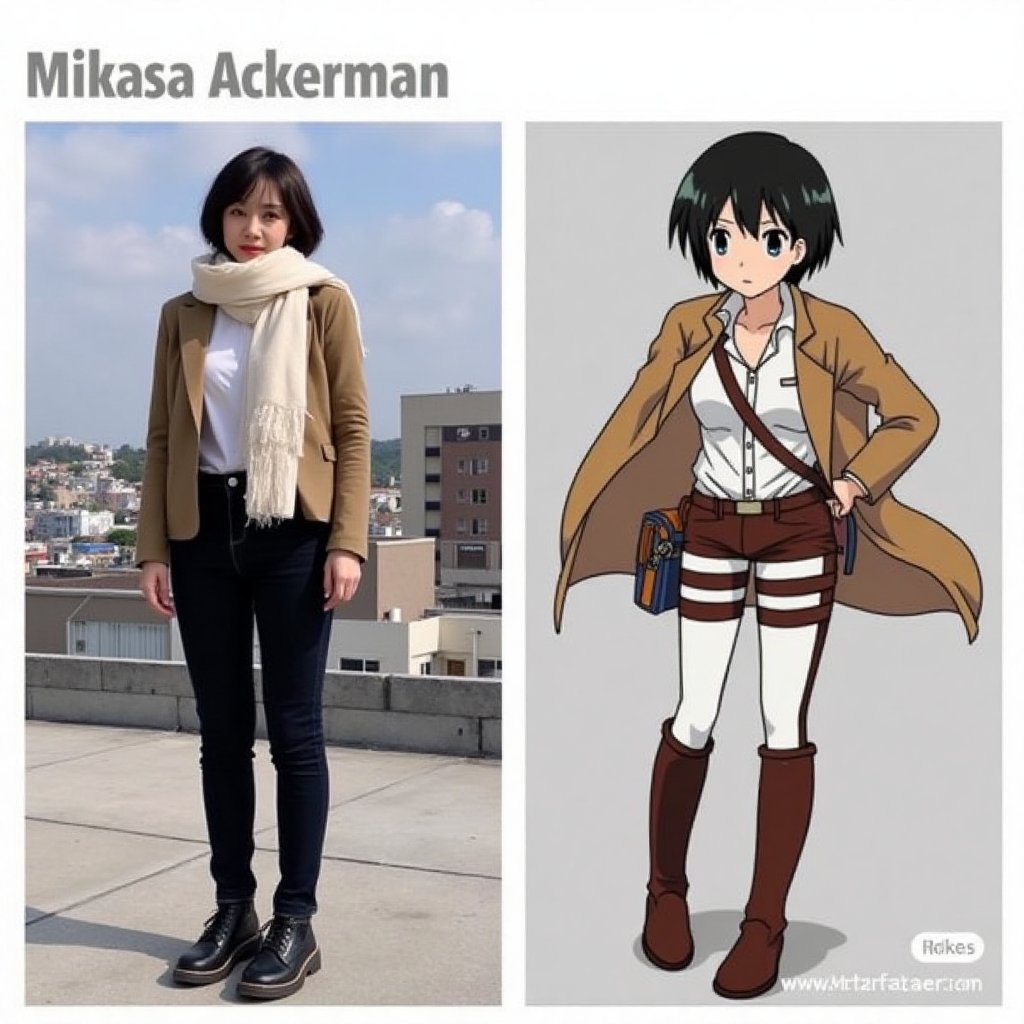
Who Created OOTD? The Origin and Evolution of the Outfit of the Day Movement
While no single individual can be credited with inventing the acronym OOTD, it emerged as a collective linguistic creation within early 2000s fashion communities on platforms like LiveJournal, Flickr, and specialized style forums. It t...
While no single individual can be credited with inventing the acronym OOTD, it emerged as a collective linguistic creation within early 2000s fashion communities on platforms like LiveJournal, Flickr, and specialized style forums. It transitioned from niche internet shorthand into a global cultural phenomenon following the rise of image-centric social media, specifically Instagram, around 2010.
Contents
The Digital Roots: From Forums to Flickr
To understand who "created" OOTD, one must look at the transition from text-based internet communication to the early days of digital photography. In the late 1990s and early 2000s, fashion enthusiasts gathered on Bulletin Board Systems (BBS) and niche forums such as The Fashion Spot, Superfuture, and Styleforum. These users often participated in threads titled "What are you wearing today?" or "WIWT."
As digital cameras became more affordable and mobile phones began featuring basic lenses, these text descriptions evolved into visual posts. The acronym OOTD (Outfit of the Day) likely surfaced as a more rhythmic and catchy alternative to WIWT. By the mid-2000s, the platform Flickr became a primary hub for this activity. A dedicated "OOTD" group was established on Flickr as early as 2007, where thousands of users uploaded self-portraits—often taken in mirrors or using self-timers—to document their daily style. This collective of hobbyists and early "prosumers" effectively standardized the term.
The Role of the Early Fashion Blogger
Before the term "influencer" existed, personal style bloggers were the primary architects of the OOTD format. In the period between 2004 and 2009, individuals like Bryan Grey Yambao (Bryanboy), Tavi Gevinson (Style Rookie), and Susie Lau (Susie Bubble) began publishing daily chronicles of their wardrobes.
These pioneers didn't just post a photo; they provided context, brand breakdowns, and narrative storytelling. While they may not have coined the four-letter acronym, their consistent posting schedules turned the concept of a "daily outfit" into a viable form of media content. By 2026, we recognize these early bloggers as the bridge between traditional fashion journalism and the decentralized social media landscape we navigate today. They proved that there was a massive audience for "regular" people’s clothing choices, independent of Vogue or Harper’s Bazaar.
The Instagram Catalyst: Turning an Acronym into a Brand
If the forums created the term and the bloggers created the format, Instagram provided the infrastructure for OOTD to achieve global hegemony. Launched in 2010, Instagram’s square-crop format and filter capabilities were perfectly suited for fashion photography.
The hashtag #OOTD became one of the most used tags in the history of the platform. By 2012, the term had moved beyond fashion circles and into the general lexicon. It was during this era that the "OOTD" evolved from a simple status update into a professionalized industry. Influencers began partnering with brands to showcase specific pieces, leading to the "shoppable" OOTD. The infrastructure of the internet changed to support this; apps like LIKEtoKNOW.it (now LTK) allowed creators to monetize their daily outfits directly, cementing the acronym's place in the global economy.
Linguistic Structure and Cultural Variants
The success of "OOTD" lies in its linguistic efficiency. It follows the pattern of other early internet acronyms like LOL (Laugh Out Loud) or BRB (Be Right Back), but it refers specifically to an aesthetic presentation of the self. As the movement matured, several variations emerged to cater to different niches:
- WIWT: What I Wore Today (The older, more European-favored variant).
- OOTN: Outfit of the Night (Specifically for evening wear or clubbing).
- OOTW: Outfit of the Week (A summary post often seen in "slow fashion" circles).
- MOTD: Makeup of the Day (The beauty-centric spin-off).
By the mid-2020s, the linguistic family of "OTD" expanded even further, reflecting a society that documents every facet of daily life, from meals to workspaces.
Timeline of OOTD History and Evolution
| Era | Primary Platform | Cultural Significance |
|---|---|---|
| 2000–2005 | The Fashion Spot / Superfuture | Text-based "What are you wearing" threads; early digital photos. |
| 2006–2009 | Flickr / Personal Blogs | Emergence of the specific "OOTD" acronym in photo groups. |
| 2010–2014 | Instagram / Pinterest | Global explosion; #OOTD becomes a primary discovery hashtag. |
| 2015–2020 | TikTok / LTK | Transition to video (OOTD hauls) and direct monetization. |
| 2021–2026 | Mixed Reality / AI Styling | OOTD moves into virtual avatars and AI-curated daily "looks." |
Socio-Economic Impact: Fast Fashion and the "Wear Once" Culture
The "creation" of OOTD had unintended consequences for the global garment industry. The pressure to provide a unique "Outfit of the Day" fueled the rise of ultra-fast fashion retailers like Shein and Boohoo. For a significant portion of the 2010s and early 2020s, the cultural norm shifted toward never being seen in the same outfit twice on social media.
This created a "circularity crisis" that environmental advocates have spent the last decade addressing. However, by 2026, we have seen a counter-movement: the #OOTD-Repeat. This sub-culture encourages users to post the same outfit multiple times to normalize outfit repeating and sustainable consumption. The acronym has thus evolved from a tool of consumerism into a tool for environmental awareness.
The Technical Execution of an OOTD Post
The "creator" of the OOTD isn't just the person who thought of the name, but also the millions who refined the technical template. A standard, high-performing OOTD post generally follows a specific technical hierarchy:
- The Hero Shot: A full-body photo, usually taken from a slightly low angle to elongate the silhouette.
- The Detail Shot: Close-ups of accessories, textures, or footwear.
- The Brand Tagging: Systematic identification of each garment to facilitate peer discovery or affiliate sales.
- The Environmental Context: The background (the "street style" aesthetic) often matters as much as the clothes.
This "recipe" was not invented by one person but was optimized by the Instagram algorithm and user engagement patterns over fifteen years.
OOTD vs. GRWM: The Shift in Digital Expression
In the current landscape of 2026, the static OOTD has largely been supplanted by the GRWM (Get Ready With Me) video format. While the OOTD focuses on the final result, the GRWM focuses on the process—the selection of clothes, the application of makeup, and the vulnerability of the "before" state.
Despite this shift toward video, the term OOTD remains the foundational concept. The GRWM is essentially a "long-form OOTD." The creators of the 2020s realized that the audience wanted more than just a picture; they wanted the "Why" and the "How" behind the fashion choices. This transition marks the maturity of the OOTD movement from a vanity metric into a storytelling medium.
Frequently Asked Questions
Did a celebrity invent the term OOTD?
No. While celebrities like the Kardashians or Rihanna popularized the practice of posting daily looks, the term itself grew organically from internet message boards and photo-sharing sites like Flickr. It is a "folksonomy" term—created by the people, for the people.
What was the first recorded use of #OOTD?
The earliest uses of the hashtag on Twitter and Instagram date back to 2010, coinciding with Instagram's launch. However, the acronym "OOTD" appeared in Urban Dictionary and on fashion blogs as early as 2008 and 2009.
Is OOTD still relevant in 2026?
Yes, though its form has changed. In 2026, OOTD is often used in the context of "capsule wardrobes" or "digital fashion" (for avatars). While the era of posting a mirror selfie every single day has declined in favor of video, the term remains the standard industry shorthand for a coordinated look.
How did OOTD affect the fashion industry?
It revolutionized marketing. Brands moved their budgets from magazines to influencers who could provide "OOTD" content. It also led to the development of "Instagrammable" clothing—items designed to look good in a static photo, sometimes at the expense of physical comfort or durability.
Who is the most famous OOTD creator?
In the history of the term, bloggers like Aimee Song (Song of Style) and Chiara Ferragni (The Blonde Salad) are often cited as the "Queens of the OOTD" for their roles in turning the daily photo into a multi-million dollar business model.
Practical Recommendation for Modern Creators
If you are looking to document your style in 2026, focus on authenticity and repetition. The "new" OOTD is less about showing off a constant stream of new purchases and more about showing the versatility of a well-curated wardrobe. Use the acronym to join global conversations about style, but prioritize high-quality, sustainable pieces that can withstand the "repeat" test. For those looking to optimize their reach, transitioning the OOTD concept into short-form video (GRWM) remains the most effective way to engage with the current algorithmic preferences of major social platforms.
Image Gallery