All Vegetables Are Gluten-Free: A Comprehensive Guide to Safety and Nutrition
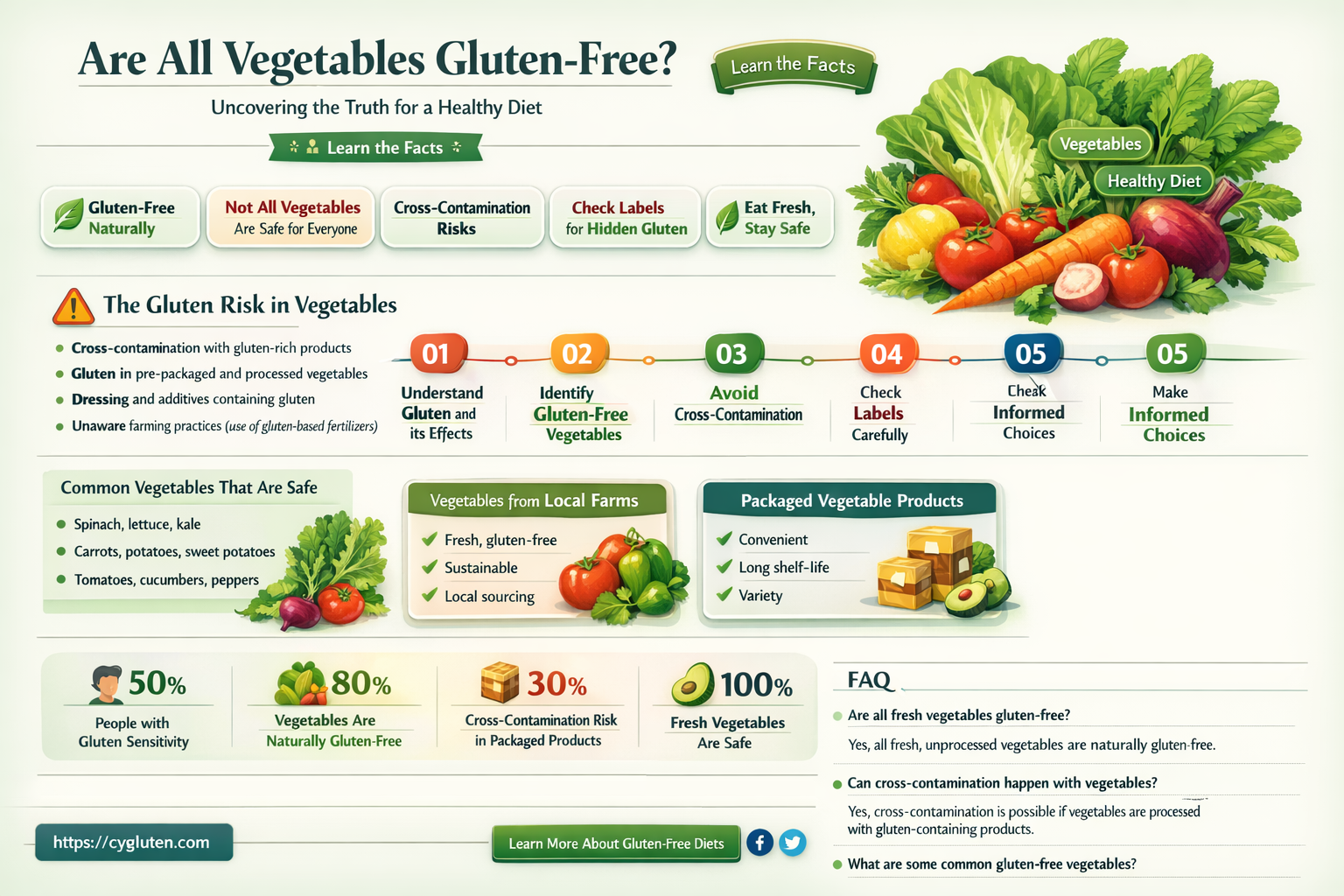
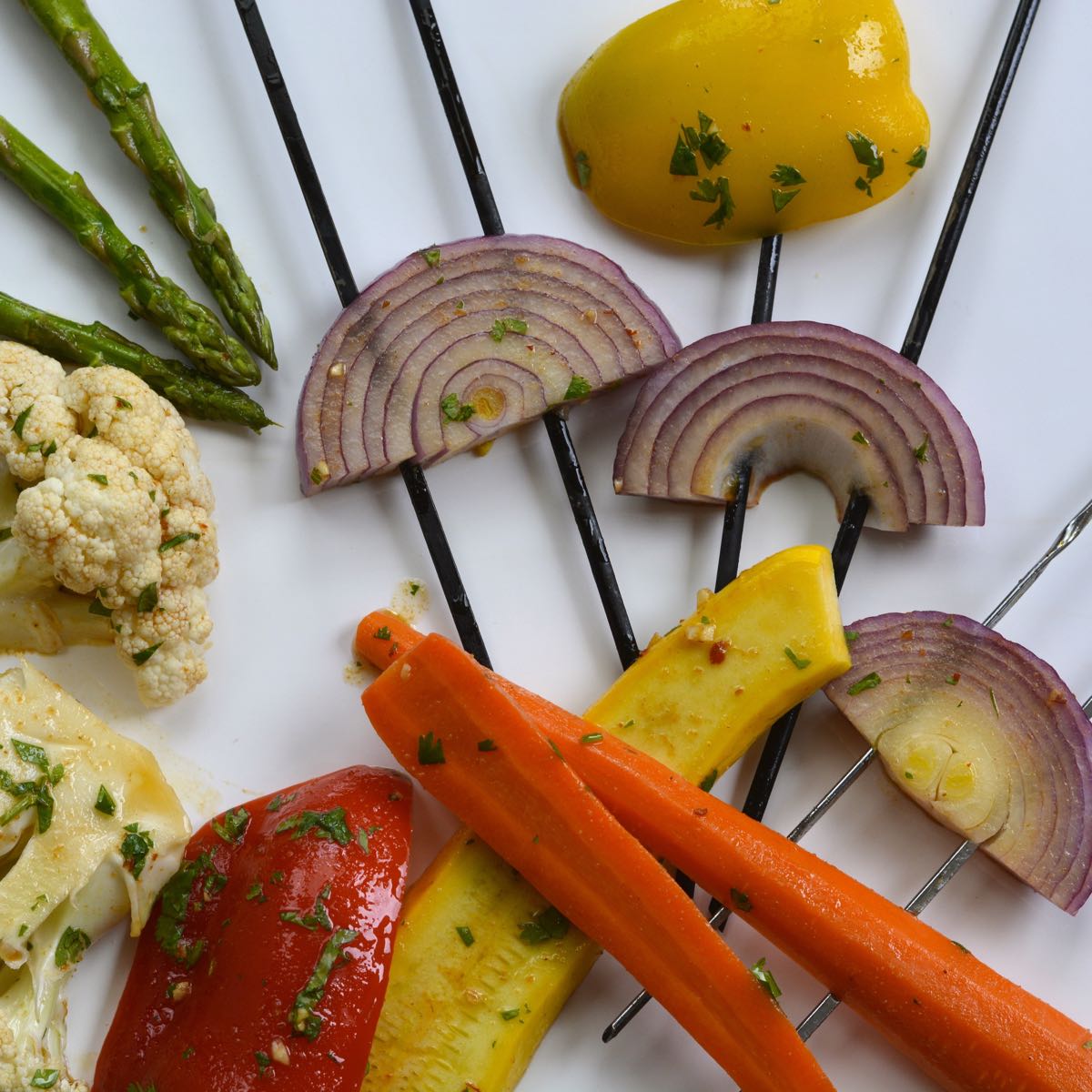
Fresh, unprocessed vegetables are naturally 100% gluten-free. Because gluten is a storage protein found exclusively in cereal grains like wheat, barley, and rye, botanical vegetables lack the genetic makeup to produce it. However, risk...
Fresh, unprocessed vegetables are naturally 100% gluten-free. Because gluten is a storage protein found exclusively in cereal grains like wheat, barley, and rye, botanical vegetables lack the genetic makeup to produce it. However, risk arises during processing, packaging, or cooking where additives, sauces, or cross-contamination may introduce gluten.
Contents
Understanding Why Vegetables Are Naturally Gluten-Free
To understand why all vegetables are gluten-free, one must first define what gluten is and where it originates. Gluten is a group of proteins—primarily gliadin and glutenin—that act as a "glue" to help foods maintain their shape. These proteins are specifically found in the endosperm of seeds from the Poaceae (grass) family, specifically within the Triticeae tribe. This includes wheat (and its varieties like spelt, farro, and kamut), barley, and rye.
Vegetables belong to entirely different botanical families. For example, cruciferous vegetables like broccoli and kale belong to the Brassicaceae family, while nightshades like tomatoes and peppers belong to the Solanaceae family. Because these plants do not produce the specific storage proteins found in cereal grains, they are fundamentally safe for individuals with celiac disease, non-celiac gluten sensitivity (NCGS), or wheat allergies.
In 2026, clinical nutritionists continue to emphasize that a "whole foods" approach remains the safest way to navigate a gluten-free lifestyle. By prioritizing the produce aisle, consumers eliminate the vast majority of risks associated with hidden ingredients and industrial manufacturing.
The Evolution of Processing: When Vegetables Are No Longer "Just Vegetables"
While a head of lettuce or a raw carrot is inherently safe, the modern food supply chain often subjects vegetables to various levels of processing. It is within these stages that gluten can be inadvertently or intentionally introduced.
Frozen Vegetables
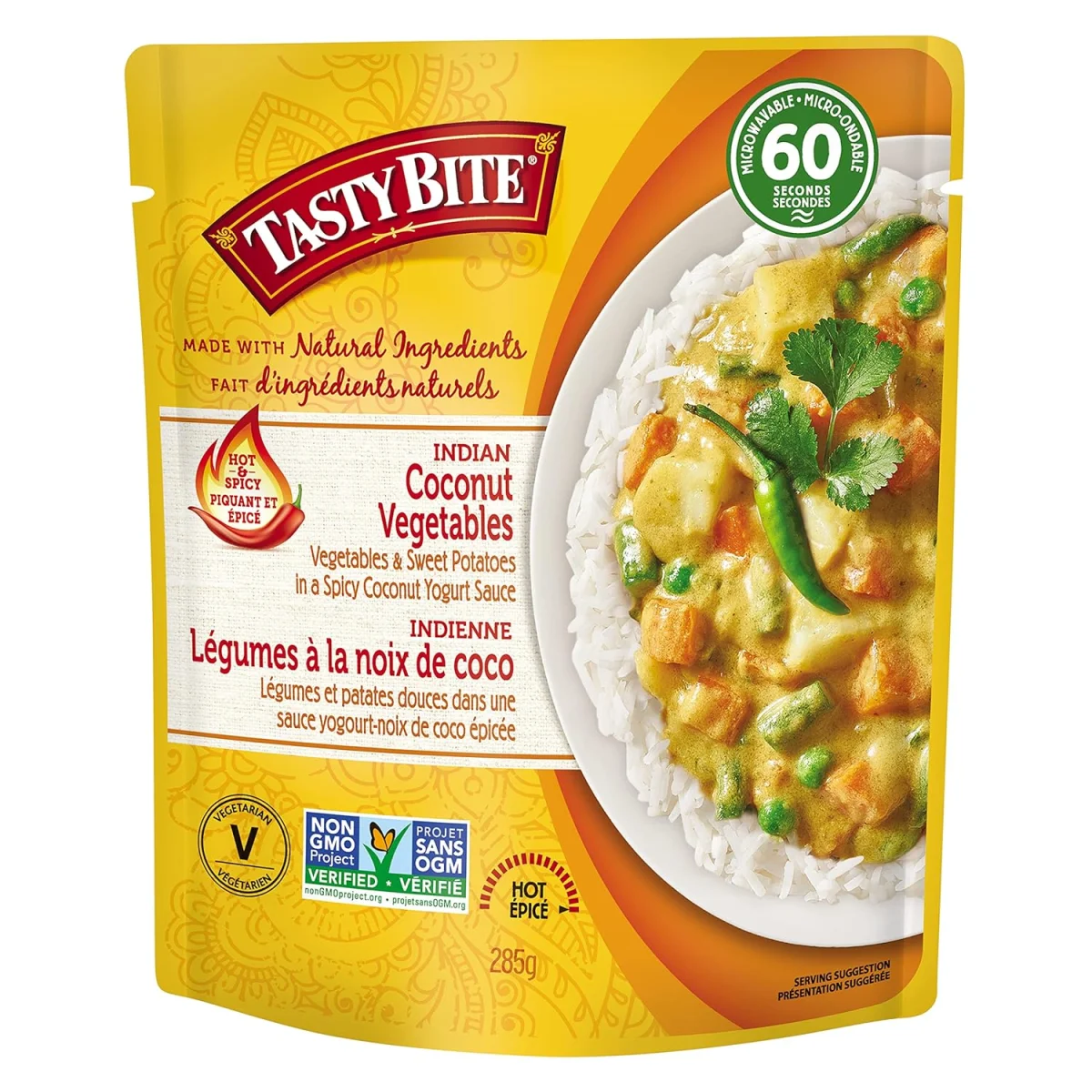
In their simplest form, frozen vegetables are blanched in hot water or steam and then flash-frozen. These are almost always gluten-free. However, complexity increases with "medley" packs or those that include "flavor crystals" or built-in sauces. Many frozen vegetable side dishes use wheat flour or modified wheat starch as a thickening agent for cheeses or herb butters. According to the FDA’s labeling requirements, manufacturers must disclose wheat, but barley and rye derivatives can sometimes be hidden under terms like "natural flavorings" or "yeast extract."
Canned Vegetables
Standard canned vegetables—those packed in water and salt—are generally safe. The risk profile shifts when dealing with "creamed" products (like creamed corn) or canned beans. Canned beans are frequently processed on equipment that also handles grain-based products. Furthermore, some brands of canned beans use "natural flavors" that may contain barley-derived malt.
Dried and Dehydrated Vegetables
Dehydrated vegetable chips (like beet or sweet potato chips) are popular snacks. While the vegetables themselves are safe, the seasonings are a common source of gluten. Maltodextrin, while often corn-based in the United States, can be derived from wheat in other jurisdictions. Additionally, many dried snacks are processed in facilities that handle wheat-based crackers or pretzels, leading to a risk of airborne cross-contact.
Identifying Hidden Gluten in Vegetable-Based Products
For those on a strict gluten-free diet in 2026, reading labels is a non-negotiable skill. Even products marketed as "veggie-forward" can contain binders or fillers that pose a threat.
- Veggie Burgers: Many plant-based meat substitutes use "vital wheat gluten" as the primary protein source and structural binder. Even "black bean burgers" in restaurants often use breadcrumbs to maintain their shape.
- Vegetable Pasta: While "zucchini noodles" (zoodles) are safe, many "veggie pastas" sold in boxes are actually standard wheat semolina pasta with a small percentage of vegetable powder added for color. Always look for "100% legume" or "certified gluten-free" labels.
- Starch-Based Coatings: Frozen french fries and sweet potato fries are often dusted with flour or wheat starch to achieve a crispier texture after baking or frying.
- Modified Food Starch: If a label does not specify the source (e.g., "modified corn starch"), there is a marginal risk it could be wheat-derived, although current labeling laws in many regions have become much stricter regarding this disclosure.
Cross-Contamination: From Farm to Fork
Cross-contamination (or cross-contact) occurs when a gluten-free food comes into contact with gluten-containing ingredients or surfaces. This is a critical concern for those with celiac disease, where even 20 parts per million (ppm) of gluten can trigger an autoimmune response.
At the Farm and Facility
Field-level contamination is rare for most vegetables, but it can occur with legumes (like lentils or chickpeas) that are grown in rotation with wheat or processed using the same harvesting equipment. In processing plants, shared conveyor belts and packaging lines are the primary culprits. If a facility processes "wheat-dusted" frozen appetizers on the same line as plain frozen peas, the risk of residue remains.
In the Kitchen
In a home or restaurant environment, "hidden" gluten often enters the vegetable dish via:
- Shared Fryers: Deep-frying naturally gluten-free potatoes in the same oil used for breaded chicken or onion rings.
- Boiling Water: Using the same water used for wheat pasta to blanch vegetables.
- Cutting Boards and Utensils: Using a bread knife or a flour-covered cutting board to prep a salad.
- Buffet Lines: Shared serving spoons or accidental spills from adjacent grain-based dishes.
Summary of Gluten Status by Vegetable Category
The following table provides a quick reference for the safety of various vegetable preparations as of 2026.
| Vegetable Category | Safe (Naturally GF) | Potential Risk (Check Labels) | High Risk (Usually Contains Gluten) |
|---|---|---|---|
| Fresh Produce | All raw, whole vegetables. | Pre-cut salads with toppings. | None (if unprocessed). |
| Frozen | Plain veggies (peas, corn). | Veggies with sauces or butter. | Breaded vegetables (e.g., okra). |
| Canned | Veggies in water/brine. | Creamed vegetables, baked beans. | Veggie soups with "thickener." |
| Potatoes | Plain, baked, boiled. | Frozen fries, potato salad. | Restaurant fries (shared oil). |
| Plant-Based Meat | Tofu, plain tempeh. | Veggie sausages, deli slices. | Seitan-based veggie burgers. |
| Dried Snacks | Plain dehydrated veggies. | Seasoned veggie chips. | "Straw" snacks with wheat flour. |
Nutritional Importance of Vegetables in a Gluten-Free Diet
Transitioning to a gluten-free diet can sometimes lead to nutritional deficiencies if one relies too heavily on processed gluten-free substitutes (like GF white bread or cookies). These substitutes are often lower in fiber and B vitamins compared to their whole-wheat counterparts.
Vegetables are the perfect solution to this "fiber gap." They provide essential micronutrients that support long-term health:
- Fiber: Essential for digestive health, especially since many gluten-free grains are highly refined.
- Folate: Naturally occurring in leafy greens (spinach, asparagus), which is crucial because many gluten-free flours are not enriched with folic acid.
- Iron: Found in dark leafy greens and legumes, helping to prevent the anemia often seen in newly diagnosed celiacs.
- Potassium: High in potatoes and squash, supporting cardiovascular health and blood pressure regulation.
Medical institutions like the Mayo Clinic suggest that a naturally gluten-free diet—heavy on fruits, vegetables, and lean proteins—is significantly healthier than a diet focused on processed "gluten-free" labeled replacement foods.
Practical Tips for Safe Shopping and Preparation
- Shop the Perimeter: The edges of the grocery store are where the fresh, unprocessed produce lives. Staying here reduces the need to scrutinize complex ingredient lists.
- Look for the "Certified Gluten-Free" Seal: For processed vegetables (frozen or canned), look for third-party certification from organizations like the Gluten-Free Certification Organization (GFCO). This ensures the product has been tested to contain less than 10 ppm of gluten.
- Wash Thoroughly: While washing doesn't "remove" gluten if it's baked in, washing fresh produce removes any potential dust or residue from the market or transport.
- Ask About the Fryer: When dining out, always ask if the "naturally gluten-free" fries or roasted vegetables are prepared in a dedicated space.
- Be Wary of "Vegetable Tempura": "Tempura" specifically refers to a wheat-flour batter. Unless a restaurant specifies the use of rice flour or cornstarch, it is unsafe.
Frequently Asked Questions
Are potatoes gluten-free?
Yes, potatoes are 100% naturally gluten-free. They are tubers, not grains. However, you must be careful with potato-based products like instant mashed potatoes (which may contain wheat-based thickeners), restaurant french fries (shared oil), and potato chips (seasonings).
Is corn considered a gluten-free vegetable?
Corn is botanically a grain, but it is often treated as a vegetable in culinary contexts. It does contain a protein called "maize gluten," but this is not the same as the gluten found in wheat. It is safe for people with celiac disease and does not trigger the same autoimmune response.
Can I eat canned beans on a gluten-free diet?
Most canned beans are safe if they are packed in water and salt. However, some brands use wheat-based thickeners or barley malt for flavoring (especially in "maple" or "barbecue" varieties). Always check the label for "wheat" or "malt."
Are frozen vegetables safe from cross-contamination?
Most plain frozen vegetables are safe. However, many brands produce them in facilities that also process wheat-containing frozen meals. If you are highly sensitive, look for brands that specifically state "Gluten-Free" on the packaging to ensure rigorous cleaning protocols were followed.
Is modified food starch in vegetables always wheat?
In the United States, if modified food starch is derived from wheat, the law requires "wheat" to be listed on the label. If the label simply says "modified food starch" without a grain listed, it is typically derived from corn, potato, or tapioca, making it gluten-free.
Final Recommendation
For anyone managing a gluten-related disorder in 2026, fresh, whole vegetables should be the cornerstone of your diet. They are the safest, most nutrient-dense foods available. To maintain safety, prioritize raw or minimally processed options and maintain a healthy skepticism toward pre-packaged "veggie sides" or restaurant dishes with complex sauces. By focusing on whole foods and verifying labels on frozen or canned goods, you can enjoy the full spectrum of the vegetable kingdom without the risk of gluten exposure.
Image Gallery