Is the University of Richmond Private or Public? Understanding the 2026 Institutional Landscape
The University of Richmond is a private, non-profit liberal arts university located in Richmond, Virginia. Unlike public institutions funded by the Commonwealth of Virginia, it relies on its substantial private endowment, tuition reven...
The University of Richmond is a private, non-profit liberal arts university located in Richmond, Virginia. Unlike public institutions funded by the Commonwealth of Virginia, it relies on its substantial private endowment, tuition revenue, and donor contributions. This status allows for smaller class sizes, independent governance, and unique programs like the Richmond Guarantee.
Contents
The question of whether the University of Richmond (UR) is private or public often arises because of its name, which it shares with Virginia’s capital city. While many "University of [City]" institutions are state-funded, Richmond remains a fiercely independent entity. For students and parents evaluating higher education options in 2026, understanding the implications of this private status is essential for making informed decisions regarding cost, academic rigor, and campus culture.
Defining the Institutional Status of the University of Richmond
Founded in 1830, the University of Richmond began as a manual labor school for Baptist ministerial students. Over nearly two centuries, it evolved into a comprehensive, top-tier private university. Its classification as a private institution means it is governed by a private Board of Trustees rather than a state-appointed board. This autonomy allows the university to set its own strategic priorities, admission standards, and curriculum without the direct legislative oversight that governs public schools like the University of Virginia (UVA) or Virginia Commonwealth University (VCU).
The university is categorized as a "national liberal arts college" by major ranking publications, but it is unique because it also houses a highly ranked undergraduate business school and the nation’s first school of leadership studies. This hybrid identity—combining a broad liberal arts foundation with professional schools—is a hallmark of its private institutional strategy.
The Impact of Private Funding
One of the most significant markers of its private status is its endowment. As of 2026, the University of Richmond maintains one of the largest per-student endowments in the United States. This financial independence allows the university to offer resources that many public institutions struggle to match, such as lower student-to-faculty ratios (currently 8:1) and the ability to meet 100% of demonstrated financial need for all admitted domestic students.
Private vs. Public: Key Differences at the University of Richmond
Choosing between a private university like Richmond and a public university involves more than just looking at the sticker price. The differences manifest in the daily student experience, the administrative flexibility, and the long-term networking opportunities.
1. Class Size and Faculty Interaction
Public universities often utilize large lecture halls for introductory courses, sometimes seating hundreds of students. At the University of Richmond, the private model emphasizes intimacy. Almost no classes exceed 30 students, and the average class size remains around 16. Because the university does not rely on state "per-head" funding, it does not face the same pressure to increase enrollment at the expense of small-group learning.
2. Governance and Curriculum
As a private institution, Richmond can pivot its curriculum quickly. For example, the Jepson School of Leadership Studies was founded as the first of its kind in the world, a move facilitated by private philanthropy and a board willing to experiment with interdisciplinary education. Public schools often require multiple levels of state-level approval to launch entire schools or radical new degree paths.
3. Demographic Diversity
While public universities in Virginia have mandates to prioritize in-state residents (often requiring around 70% of the student body to be from Virginia), the University of Richmond has no such restriction. Consequently, its student body is more geographically diverse, with students coming from across the globe and only a minority hailing from Virginia.
Financial Considerations: Tuition, Aid, and the "Richmond Guarantee"
The most immediate concern for families regarding private vs. public status is the cost. It is a fact that the "sticker price" of the University of Richmond is higher than the in-state tuition of public rivals. However, the net price—what a family actually pays—is often comparable or even lower for many students due to the university’s robust financial aid policies.
Need-Blind Admissions
The University of Richmond is one of a small group of private institutions that is need-blind for domestic applicants. This means that a student’s ability to pay is not considered during the admissions process. Furthermore, the university commits to meeting 100% of a student's demonstrated financial need. Public universities, facing state budget cuts, frequently have to gap students or rely more heavily on loans.
The Richmond Guarantee
A standout feature of Richmond's private model is the Richmond Guarantee. This program ensures that every undergraduate student is eligible for up to $5,000 in funding for one summer internship or faculty-led research project. Because the university is private and well-endowed, it can earmark these funds specifically to ensure that students do not have to choose between a paycheck and a career-building experience.
| Feature | University of Richmond (Private) | Typical Virginia Public University |
|---|---|---|
| Funding Source | Endowment, Tuition, Gifts | State Appropriations, Tuition |
| Avg. Class Size | 16 Students | 25–40+ Students |
| Admissions | Need-blind (Domestic) | Varies (Often need-aware) |
| Residency Requirements | None (Geographically Diverse) | Priority for In-state Residents |
| Governance | Independent Board of Trustees | State-appointed Board of Visitors |
| Financial Aid | Meets 100% of Demonstrated Need | Often relies on Federal/State grants |
Academic Structure and the Coordinate College System
The University of Richmond retains a unique administrative structure that reflects its private history: the coordinate college system. While students attend the same classes and share the same faculty, they are technically members of either Richmond College (for men) or Westhampton College (for women).
This system provides a "small college" feel within the broader university. Each college has its own dean, student government, and traditions. This structure is rare in 2026 and is almost never found at public universities, which tend to favor a centralized administrative model for efficiency. The coordinate system allows for gender-specific leadership development and support while maintaining a fully co-educational academic environment.
The Five Schools of Richmond
The university’s private status supports five distinct schools, each providing a specialized focus:
- School of Arts & Sciences: The heart of the liberal arts curriculum.
- Robins School of Business: Highly ranked and AACSB-accredited, offering a private-sector focus.
- Jepson School of Leadership Studies: Interdisciplinary study of leadership.
- University of Richmond School of Law: A top-tier professional school.
- School of Professional & Continuing Studies: Serving adult learners and professionals.
Campus Life and the "Spider" Identity
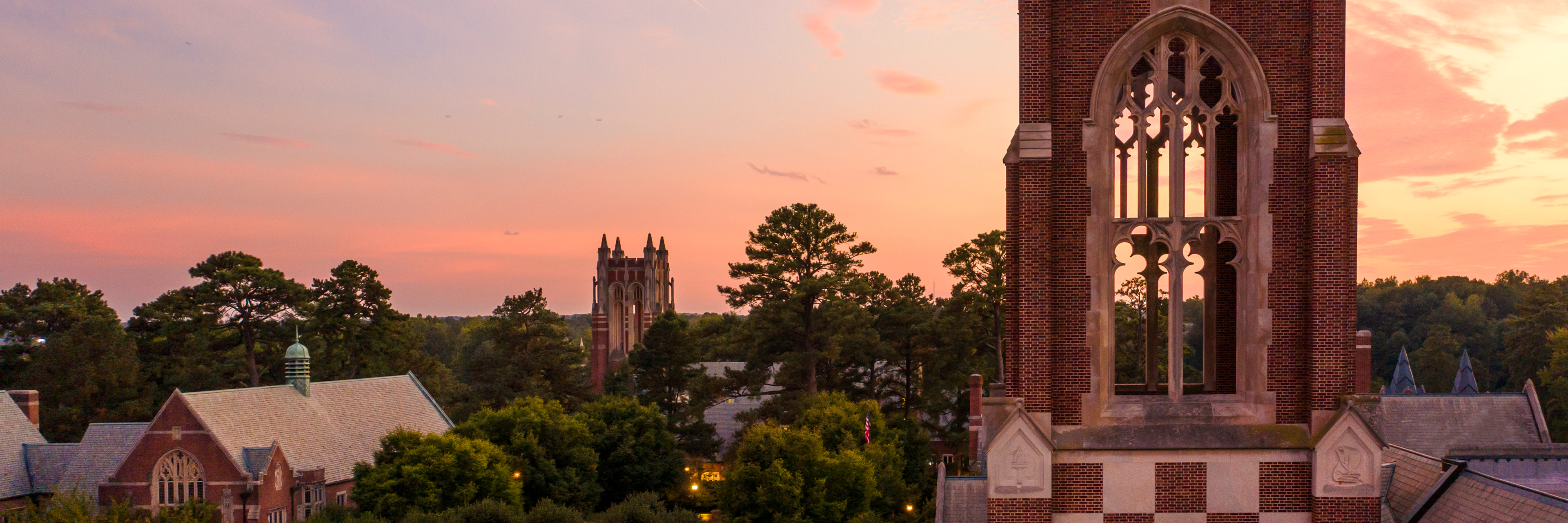
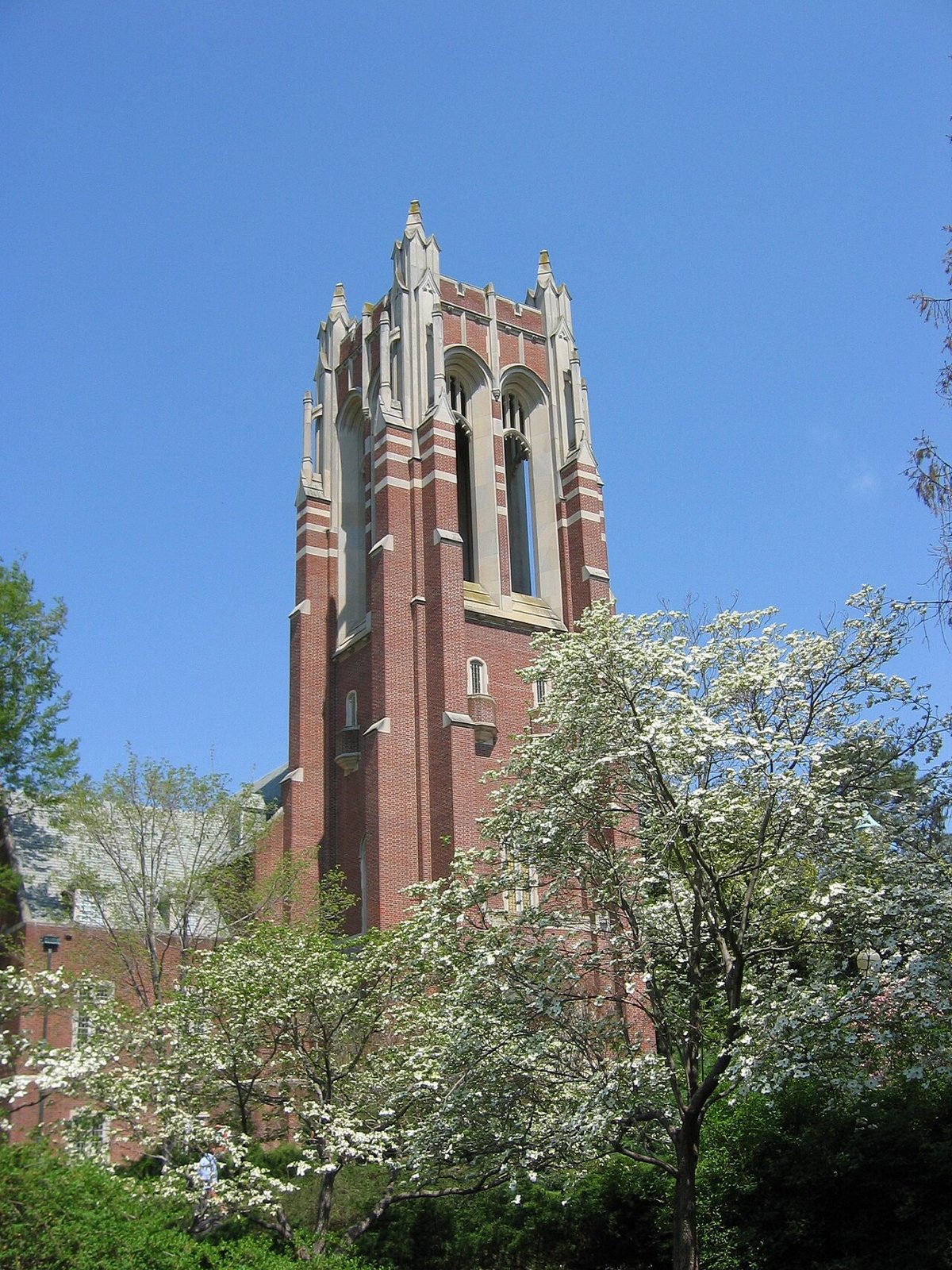
Being a private institution often allows for a more "residential" feel. At Richmond, approximately 90% of undergraduate students live on campus all four years. The university’s campus, often cited as one of the most beautiful in the nation, features Gothic architecture and a 10-acre lake.
The mascot, the Spider, is the only one of its kind in NCAA Division I sports. This unique branding is part of the university's independent identity. While public schools often have massive athletic programs that serve as a primary focus for the state’s identity, Richmond’s athletics (the Spiders) are integrated into a smaller, more tight-knit community where student-athletes are held to high academic standards without the pressure of "revenue-first" mandates seen at larger state schools.
Comparing Richmond to Public Universities in Virginia
When prospective students ask "private or public," they are usually comparing Richmond to the University of Virginia (UVA), William & Mary, or Virginia Tech.
- University of Virginia (UVA): While both are academically rigorous, UVA is significantly larger and has a distinct "state school" culture, including a Greek life system that dominates the social scene more than at Richmond.
- William & Mary: This is perhaps the closest public equivalent to Richmond in terms of "feel." However, as a public "Ivy," William & Mary still faces state-mandated enrollment ratios and different funding structures.
- Virginia Commonwealth University (VCU): Located just miles away, VCU is a large, public, urban research university. The contrast is stark: Richmond offers a secluded, park-like residential experience, whereas VCU is integrated into the city grid of downtown Richmond.
Frequently Asked Questions
Is the University of Richmond part of the Richmond public school system?
No. The University of Richmond is a private, independent institution of higher education. It has no administrative or financial connection to the Richmond Public Schools (K-12) system or the local municipal government. Its name simply reflects its historic location.
Does the University of Richmond offer in-state tuition for Virginia residents?
No, the University of Richmond does not have a separate in-state tuition rate because it is a private university. However, Virginia residents may be eligible for the Virginia Tuition Assistance Grant (VTAG), a state-funded grant for Virginia residents attending private colleges within the Commonwealth.
Is the University of Richmond a religious school?
While the university was founded by Virginia Baptists and maintains a historic relationship with the Baptist General Association of Virginia, it is today a non-sectarian, independent institution. There is no religious requirement for admission, and the curriculum is not faith-based.
How does the cost of Richmond compare to public schools after financial aid?
For many low-to-middle-income families, the University of Richmond can actually be less expensive than a public university. Because Richmond meets 100% of demonstrated financial need, the "net price" often accounts for the difference in sticker price, particularly for students who do not qualify for significant aid at state schools.
Is the University of Richmond considered an "Ivy League" school?
The Ivy League is a specific athletic conference of eight private schools in the Northeast. While the University of Richmond is not an Ivy League member, it is frequently classified as a "Hidden Ivy" or a "Southern Ivy" due to its selective admissions, high endowment, and academic prestige.
Final Recommendation
If you are seeking a highly personalized, small-class environment with significant financial support for internships and research, the University of Richmond's private status makes it an ideal choice. While the initial tuition figures may seem daunting compared to public universities, the university’s commitment to meeting 100% of financial need often levels the playing field. Prospective students should focus on the "Richmond Guarantee" and the intimate faculty-student relationships that define the private liberal arts experience. For more information on their specific 2026-2027 admissions cycle, visit the official University of Richmond website.
Image Gallery