Understanding Umbilical Cord Cutting Delay: Clinical Guidelines and Physiological Benefits
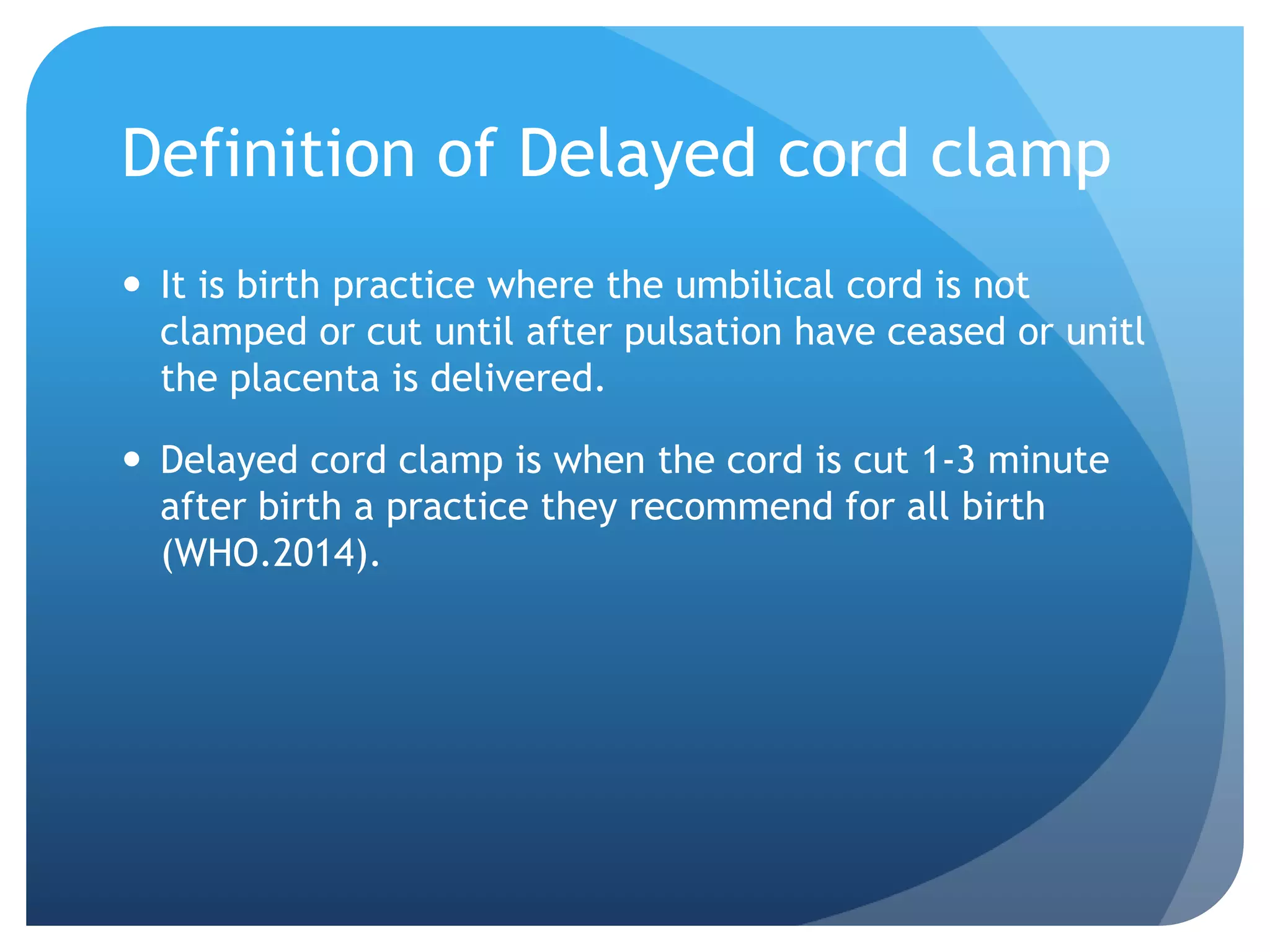
Umbilical cord cutting delay, medically referred to as delayed cord clamping (DCC), involves waiting a designated period—typically between 30 and 180 seconds—after birth before clamping and cutting the umbilical cord. This practice all...
Umbilical cord cutting delay, medically referred to as delayed cord clamping (DCC), involves waiting a designated period—typically between 30 and 180 seconds—after birth before clamping and cutting the umbilical cord. This practice allows for a physiological transfer of oxygen-rich blood from the placenta to the newborn, enhancing iron stores and supporting cardiovascular transition in the early postnatal period.
Contents
The Physiological Basis for Delayed Cord Clamping
At the moment of birth, the umbilical cord acts as a vital bridge between the placenta and the newborn. During the final moments of labor and immediately following delivery, a significant volume of blood—roughly one-third of the total fetal blood volume—remains in the placental circulation. When the umbilical cord is left intact, gravity and the newborn’s respiratory efforts facilitate the movement of this blood into the infant’s body.
This transfusion is not merely a transfer of volume; it is rich in essential components, including red blood cells, white blood cells, and stem cells. The primary physiological benefit is the enhancement of the infant’s hematocrit levels and iron status. Clinical data suggest that infants who undergo DCC have higher hemoglobin concentrations at birth and maintain improved iron reserves through their first six months of life, significantly reducing the risk of iron-deficiency anemia, a condition that can impair neurodevelopment.
Furthermore, the transition to pulmonary respiration is a complex process. As the infant begins to breathe, the lungs expand, and the fetal circulatory pathways (such as the ductus arteriosus) begin to close. DCC provides a "cushion" during this transition. By maintaining the placental connection, the infant receives oxygenated blood during the crucial first minute of life while the lungs are clearing fetal fluid and establishing regular breathing patterns.
Current Clinical Guidelines and Recommendations
As of 2026, major global health organizations, including the World Health Organization (WHO) and the American College of Obstetricians and Gynecologists (ACOG), recommend delayed cord clamping for both term and preterm infants. The standard clinical consensus supports a delay of at least 30 to 60 seconds.
Global Health Organization Stance
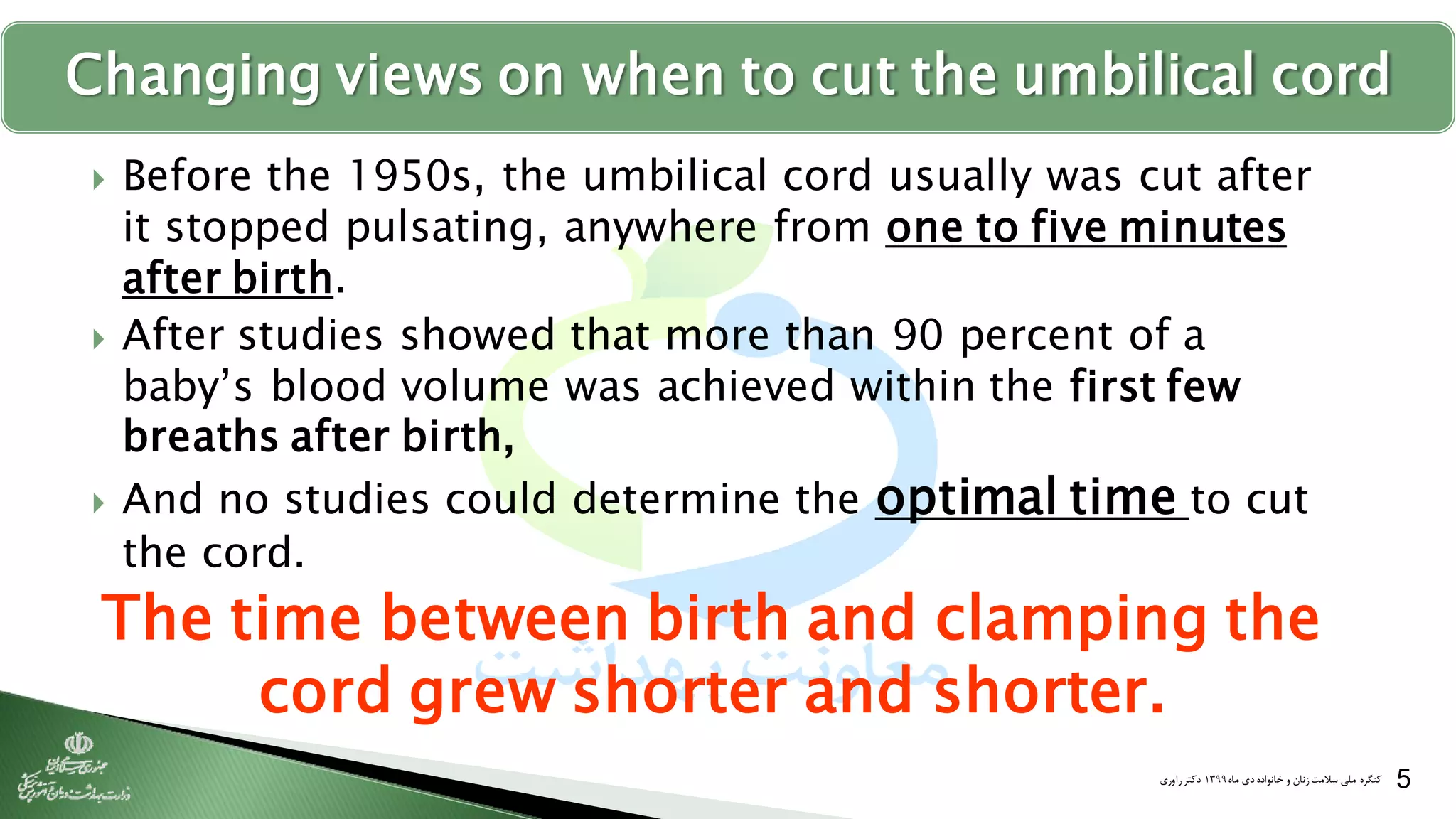
The WHO advocates for DCC for all births where the infant does not require immediate resuscitation. This recommendation is based on the significant reduction in infant morbidity associated with the practice. In clinical settings, the timing is often dictated by the "pulsation" of the cord; providers are instructed to observe the cord until it stops pulsating or to adhere to a fixed-time protocol based on institutional policy.
Considerations for Preterm Infants
For preterm infants, the benefits of DCC are even more pronounced. Premature infants are at higher risk for intraventricular hemorrhage (bleeding in the brain) and necrotizing enterocolitis. Research indicates that delaying the cord clamping in preterm neonates promotes better hemodynamic stability, reducing the need for blood transfusions shortly after birth and lowering the incidence of these severe complications.
Practical Implementation in the Delivery Room
Implementing delayed cord clamping requires coordination between the obstetrician, midwife, and the neonatal resuscitation team. The process begins before the infant is even delivered.
- Preparation: The birth team should be aware of the patient's delivery plan. If the patient has requested DCC, this should be noted in the birth plan and communicated to the pediatric team present at the delivery.
- Positioning: To maximize blood transfer, the infant is typically placed at or slightly below the level of the placenta (on the mother's abdomen or chest) immediately after birth.
- Observation: The provider monitors the infant’s breathing and color. If the infant is crying or breathing spontaneously, the cord is left unclamped.
- Resuscitation Needs: If the infant is born limp, non-responsive, or requires immediate resuscitation, the protocol for DCC is superseded by the need for stabilization. In such cases, the cord is clamped immediately to move the infant to the warming table.
Factors Influencing Timing
| Factor | Impact on DCC Decision |
|---|---|
| Infant Vitality | High vitality allows for the full recommended delay. |
| Neonatal Distress | Immediate clamping required for resuscitation. |
| Maternal Hemorrhage | May necessitate shorter delays to manage maternal stability. |
| Multiple Births | Requires individualized assessment for each twin/triplet. |
Addressing Risks and Controversies
While the benefits are well-documented, clinical practice must account for potential risks. The most cited concern regarding delayed cord clamping is the increased risk of neonatal jaundice (hyperbilirubinemia). Because the infant receives a higher volume of red blood cells, there is more bilirubin produced as those cells naturally break down. While this often necessitates phototherapy in some infants, medical consensus generally views this as a manageable and transient risk that is outweighed by the systemic benefits of improved iron status and hemodynamic stability.
Another concern, particularly in older clinical literature, involves maternal blood loss. There was historical apprehension that delayed clamping might increase the risk of postpartum hemorrhage (PPH). However, current evidence indicates that DCC does not significantly increase the risk of PPH when active management of the third stage of labor—including the administration of uterotonics—is employed.
The Role of Stem Cell Banking
A significant intersection exists between delayed cord clamping and cord blood banking. If a family intends to collect umbilical cord blood for private or public stem cell storage, they must be aware that the delay in clamping will result in a lower volume of blood available for collection. Parents should discuss this trade-off with their healthcare provider early in the third trimester. Many practitioners now offer "partial" collection or prioritize the infant's health (via DCC) over the volume of stored blood, acknowledging that the immediate health of the infant is the primary clinical objective.
Frequently Asked Questions
Does delayed cord clamping prevent all iron deficiency? No. While DCC significantly boosts iron stores at birth, it does not replace the need for appropriate dietary intake or monitoring of iron levels as the child grows. It is a preventative measure for early infancy, not a permanent solution for all iron-related health metrics.
Is it safe to delay clamping if the mother has an infection? Medical protocols vary by jurisdiction and the specific nature of the maternal infection. In cases of certain blood-borne viruses, providers may advise against DCC to reduce the potential for vertical transmission, though this remains a subject of active clinical investigation and individual risk assessment.
Can DCC be performed during a cesarean section? Yes. Modern surgical protocols for cesarean sections have evolved to incorporate DCC. The infant is held at the level of the uterus by the nursing staff or the obstetrician during the delay period, and the procedure is performed similarly to a vaginal birth.
How does the cord "pulsation" affect the timing? Historically, providers used the presence of umbilical artery pulsations as a guide. While many continue to use this as a tactile indicator, most evidence-based guidelines now suggest relying on a timer to ensure a consistent, scientifically supported duration of at least 30 to 60 seconds, regardless of whether pulsations are still felt.
What should I ask my doctor during a prenatal visit? You should explicitly ask about their standard "third stage of labor" protocol. Determine if DCC is their default practice, how long they typically wait, and how they handle situations where the baby requires immediate assistance. Having these expectations aligned before the labor begins is crucial for birth satisfaction.
Conclusion and Recommendations
The decision to delay cord clamping is a standard of care that offers substantial physiological advantages for the newborn. For most healthy pregnancies, a delay of 60 seconds is both safe and beneficial, contributing to better long-term health outcomes regarding hematological stability.
If you are currently planning for a delivery, you should prioritize discussing this with your OB-GYN or midwife during your third-trimester appointments. Ensure that your birth plan clearly states your preference for delayed cord clamping. Furthermore, recognize that while you may desire a specific delay, clinical safety must remain the priority; should your infant require immediate medical intervention at birth, be prepared to support the medical team in prioritizing resuscitation over the cord clamping protocol.
Image Gallery