Understanding AIOps in the Modern Data Center
AIOps, or Artificial Intelligence for IT Operations, is the application of machine learning, data analytics, and automation to streamline IT infrastructure management. In the modern data center, it functions as an essential layer that...
AIOps, or Artificial Intelligence for IT Operations, is the application of machine learning, data analytics, and automation to streamline IT infrastructure management. In the modern data center, it functions as an essential layer that ingests vast streams of operational data, identifies anomalies, correlates events, and proactively resolves issues, moving IT teams from reactive firefighting to predictive maintenance.
Contents
The Evolution of the Data Center and the AIOps Mandate
The modern data center has evolved into a highly distributed, hybrid environment. By 2026, the complexity of managing multi-cloud architectures, containerized microservices, and edge computing nodes has outpaced the capabilities of traditional, rule-based monitoring tools. Legacy monitoring often relies on static thresholds—alerting an engineer only after a metric has crossed a pre-defined boundary. In a system with thousands of moving parts, these alerts create "noise," leading to alert fatigue and delayed incident response.
AIOps addresses this by shifting the operational model from passive observation to intelligent orchestration. It aggregates data from logs, metrics, traces, and events across the entire stack. By utilizing sophisticated algorithms, AIOps platforms filter this input to distinguish between trivial fluctuations and genuine service-impacting threats. This transformation is not merely about efficiency; it is a business requirement for maintaining the uptime and reliability expected in modern digital service delivery.
How AIOps Functions: The Core Mechanics
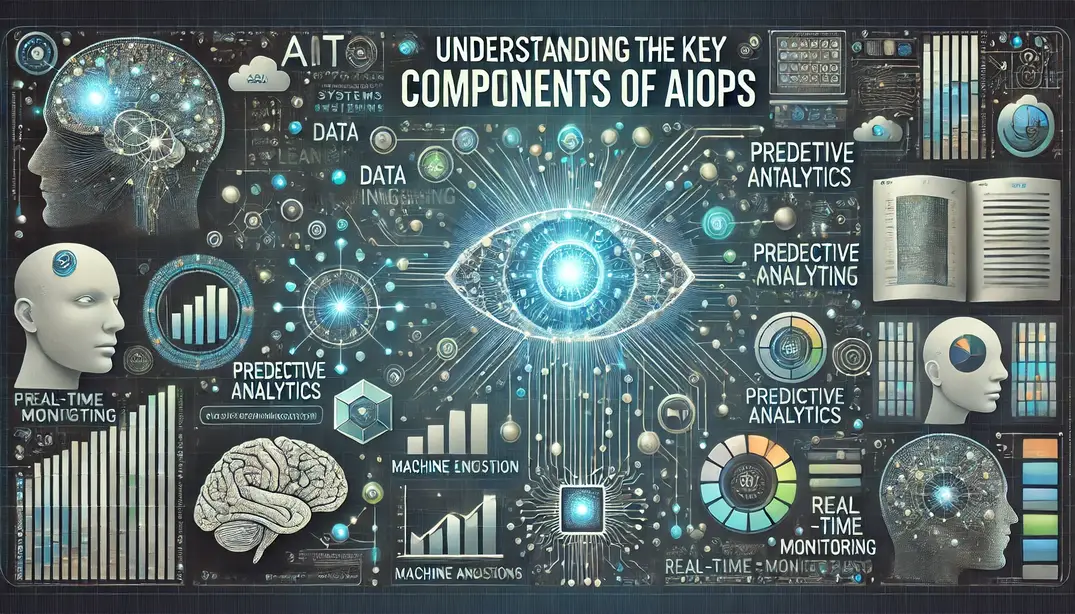
The efficacy of AIOps rests on its ability to turn raw telemetry into actionable intelligence through a structured, multi-stage process.
Data Ingestion and Normalization
The foundation of any AIOps deployment is the unification of disparate data sources. Modern data centers generate logs from firewalls, metrics from virtual machines, and trace data from application performance monitoring (APM) tools. AIOps platforms utilize universal connectors to ingest this telemetry. They normalize the data into a common format, ensuring that a "CPU spike" identified by an infrastructure tool and an "increased latency" reported by an application tool are seen as part of the same operational narrative.
Pattern Recognition and Anomaly Detection
Once data is normalized, machine learning models establish a "baseline of normalcy." Unlike static thresholds, these models account for seasonality—such as predictable traffic spikes on Monday mornings or end-of-month processing tasks. When real-time data deviates from these learned patterns, the system flags an anomaly. This proactive identification often catches issues before end-users experience any performance degradation.
Causal Analysis and Noise Reduction
The most critical feature for IT operations teams is the ability to correlate related events. In a complex environment, one failed service might trigger hundreds of secondary alerts. AIOps performs event deduplication and grouping, distilling thousands of disparate alerts into a handful of "incidents." By applying causal reasoning, the platform maps the dependency chain to pinpoint the root cause, such as a misconfigured load balancer, rather than merely reporting the downstream effects.
AIOps Implementation: A Strategic Framework
Deploying AIOps requires more than just purchasing a vendor platform; it necessitates a structured approach to integration and operational culture.
- Inventory and Tool Audit: Before implementation, IT leadership must catalog existing monitoring tools and data silos. Understanding where gaps in visibility exist is paramount.
- Standardization of Telemetry: Data quality determines model accuracy. Teams must ensure that logs, traces, and metrics are correctly tagged and indexed across all environments.
- Pilot Program: Start with a specific use case, such as automated incident grouping for a specific application tier, rather than attempting a data center-wide rollout immediately.
- Human-in-the-Loop Integration: During the initial phases, AIOps should act as an assistant to human operators, providing suggestions rather than autonomous remediation. As confidence in the models increases, automated playbooks can be activated.
Comparing Traditional Monitoring and AIOps
The shift to AIOps represents a fundamental change in how performance is managed.
| Feature | Traditional Monitoring | AIOps |
|---|---|---|
| Logic | Static, rule-based thresholds | Dynamic, machine learning models |
| Alerting | Reactive, high alert volume | Predictive, incident-focused |
| Scope | Often siloed by domain | Cross-domain, full-stack visibility |
| Resolution | Manual troubleshooting | Automated playbooks and root cause analysis |
| Scalability | Limited by manual configuration | High, automated baseline adjustment |
The Impact on IT Operations Teams
The transition to AIOps often triggers concerns regarding job displacement. In practice, however, AIOps shifts the nature of work rather than eliminating it. By offloading the high-volume, low-value task of filtering alerts, IT professionals can redirect their expertise toward architectural design, security hardening, and strategic innovation.
However, a "skills gap" remains a significant challenge. Teams must cultivate expertise in data science, automation scripting, and platform engineering to manage the AIOps tools themselves. The role of the Site Reliability Engineer (SRE) becomes critical here, as they are best positioned to bridge the gap between traditional infrastructure knowledge and the algorithmic requirements of AIOps.
Common Pitfalls and Operational Limitations
While the potential benefits are significant, organizations often encounter hurdles during adoption. One of the most frequent mistakes is the "black box" syndrome, where operators fail to understand why an AI model reached a specific conclusion. This lack of transparency can hinder troubleshooting efforts.
Another limitation involves data bias. If the training data contains "dirty" information—such as incorrect timestamps or incomplete logs—the resulting models will produce skewed insights. Furthermore, AIOps is not a "set-it-and-forget-it" technology. Models require continuous retraining to remain relevant as the infrastructure evolves, new versions of applications are deployed, and the traffic patterns of the business shift.
Frequently Asked Questions
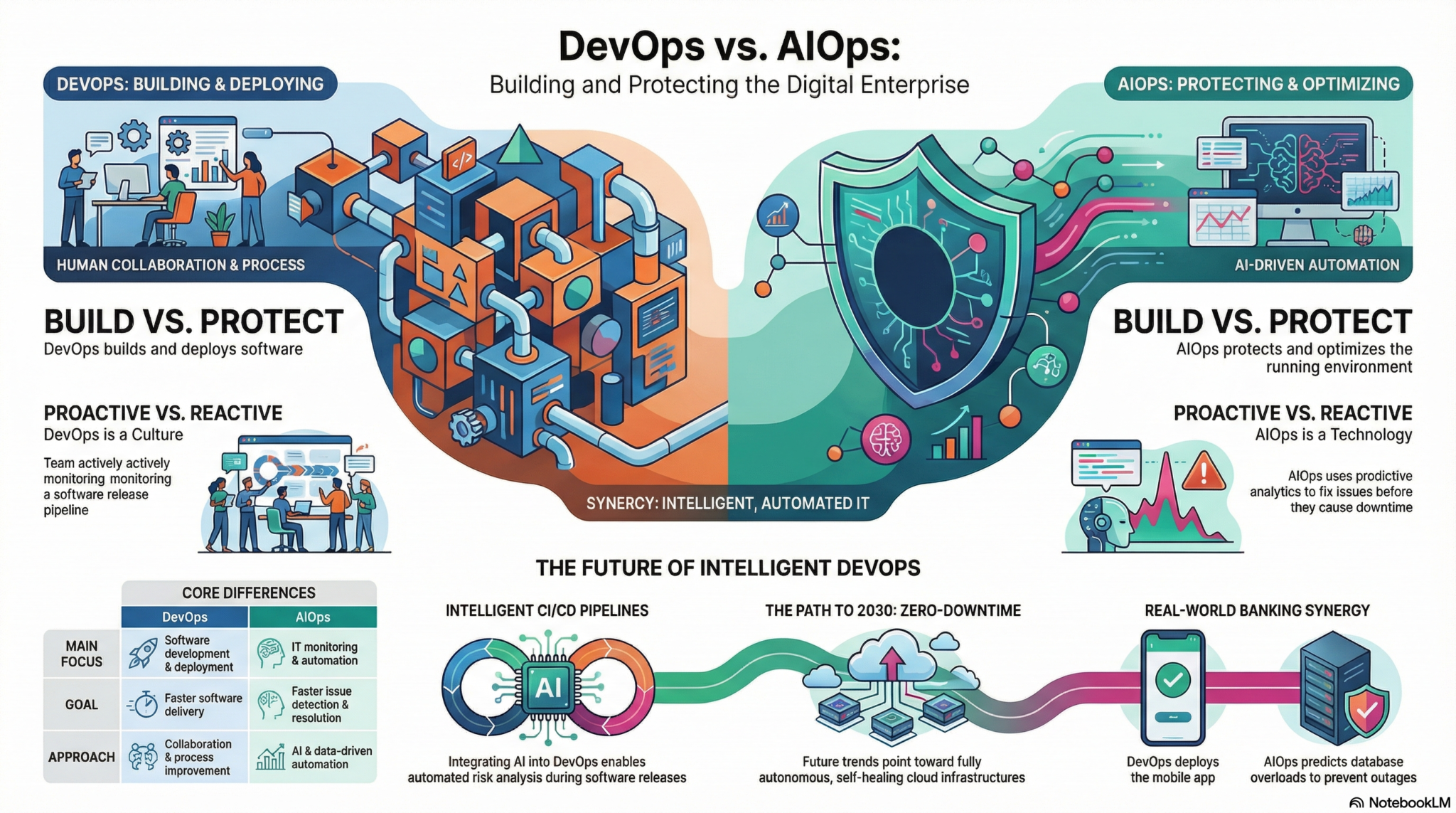
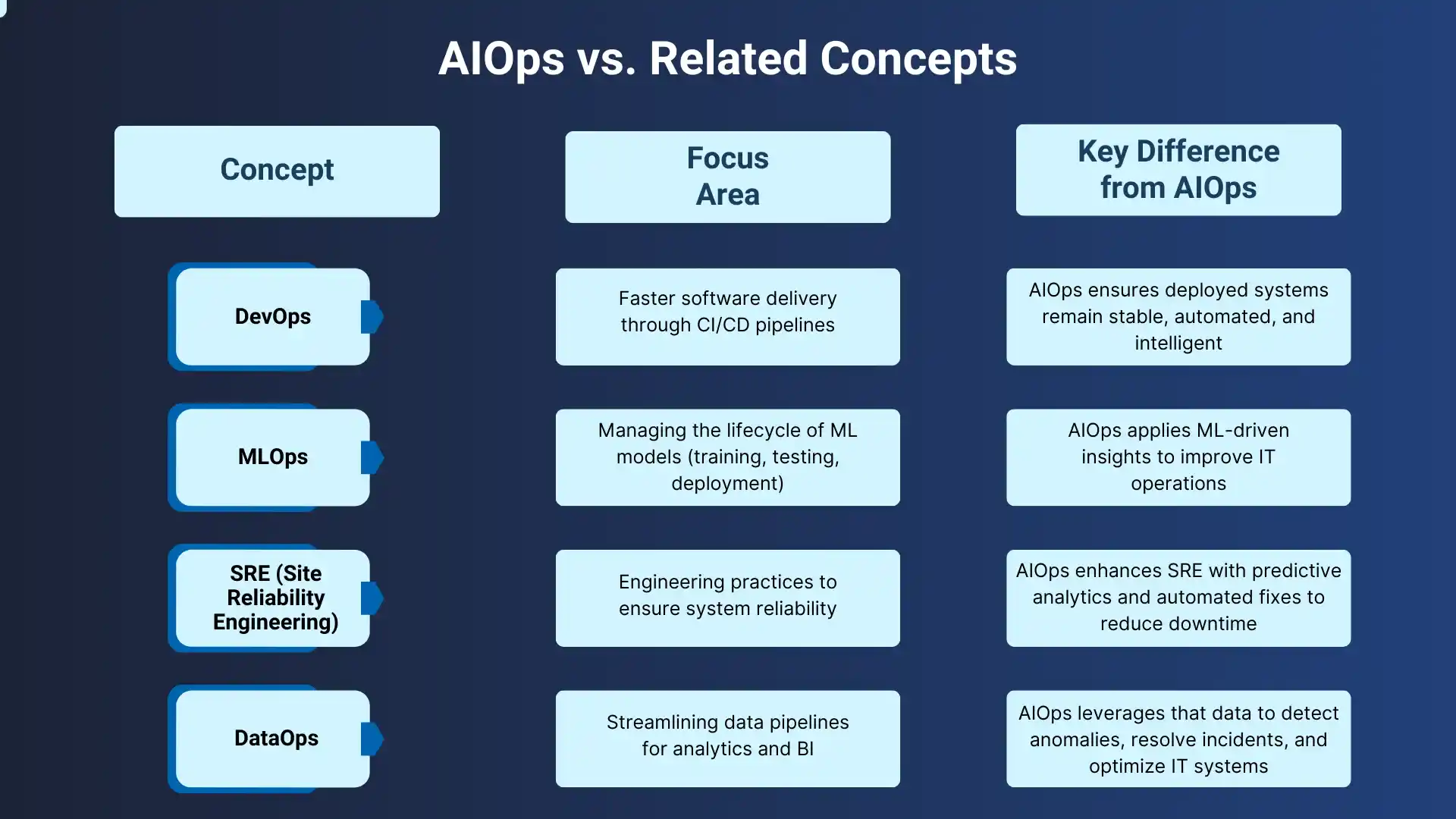
Does AIOps replace the need for monitoring tools? No. AIOps acts as an intelligence layer that sits on top of existing tools. It relies on the telemetry generated by established monitoring systems, APM, and log management software to perform its analysis.
Can AIOps fix problems automatically? Yes, but only if configured to do so. Many AIOps platforms support "closed-loop remediation," where the system executes predefined scripts to resolve known issues. It is standard practice to start with manual verification before enabling full automation.
How does AIOps handle security threats? AIOps platforms often overlap with security operations (SecOps). By monitoring for anomalous user behavior or unusual system traffic, AIOps can provide early warning signs of security breaches or ransomware activity that might otherwise go unnoticed.
Is AIOps suitable for smaller data centers? While AIOps is highly scalable, the return on investment depends on the environment's complexity. If a data center is small and static, traditional monitoring may be more cost-effective. AIOps provides the most value in heterogeneous, hybrid-cloud environments.
How do I measure the success of an AIOps initiative? Success should be measured by metrics such as Mean Time to Detect (MTTD), Mean Time to Resolve (MTTR), and the reduction in the total number of manual tickets opened by the NOC (Network Operations Center).
Next Steps for Implementation
Begin by auditing your current incident response logs from the past six months. Identify recurring, low-level alerts that consistently require the same manual steps for resolution. Prioritizing these "noisy" incidents for an AIOps pilot will provide immediate, quantifiable relief to your team, building the business case for broader adoption across the data center infrastructure.
Image Gallery