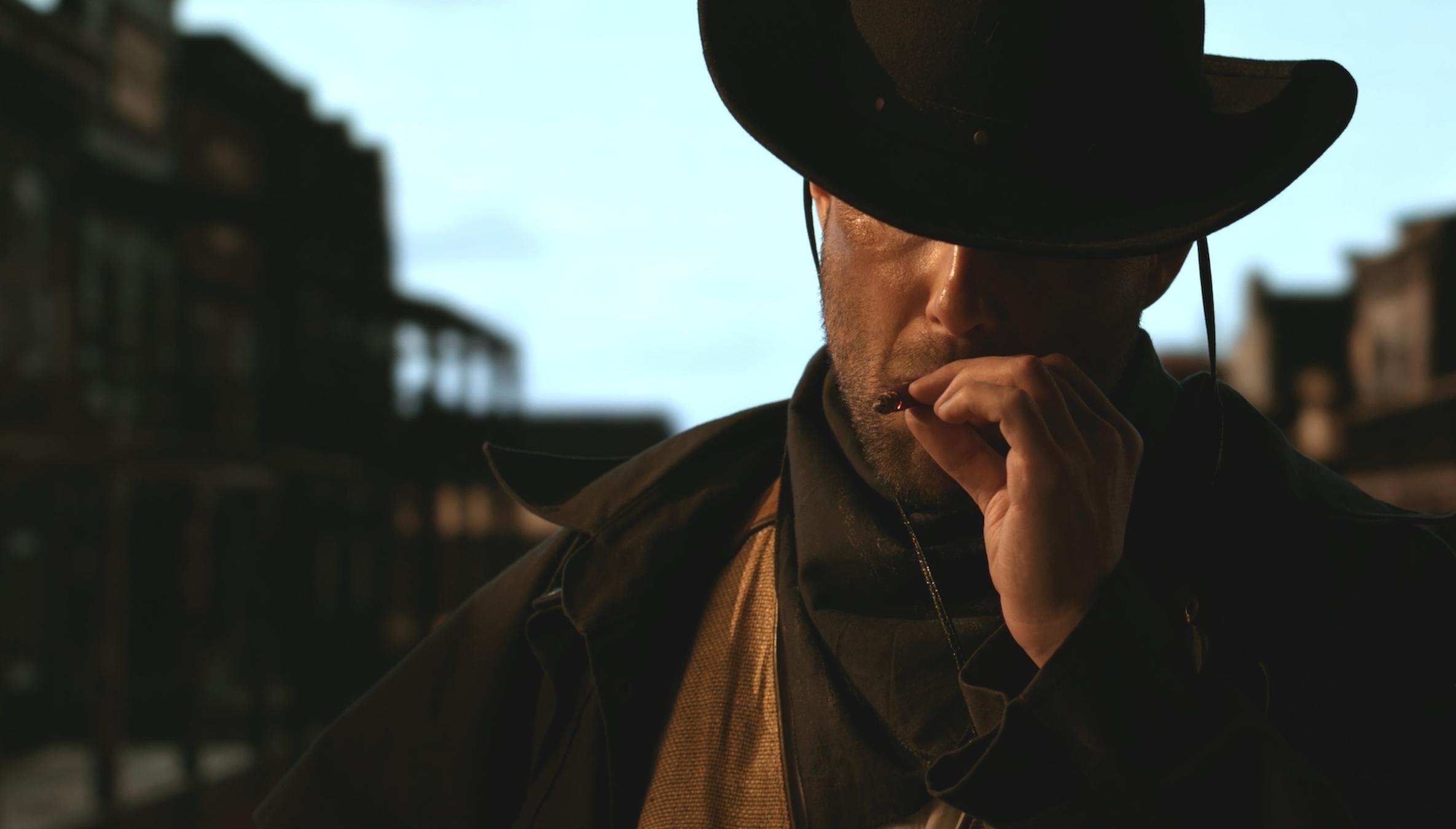
Why Western Old Movies Still Captivate Modern Audiences
Classic Western films remain a cornerstone of global cinema, maintaining a grip on modern audiences through their archetypal character structures, moral clarity, and the evocative power of the American frontier landscape. These films,...
Classic Western films remain a cornerstone of global cinema, maintaining a grip on modern audiences through their archetypal character structures, moral clarity, and the evocative power of the American frontier landscape. These films, predominantly produced between the 1930s and 1960s, transcend their historical setting by framing universal human dilemmas—such as the conflict between individual freedom and societal law, the weight of vengeance, and the nature of courage—in a visually expansive, uncluttered narrative style that continues to resonate in 2026.
Contents
The Architecture of the Mythic West
The endurance of the Western genre is rooted in its highly stylized version of the American frontier. Filmmakers like John Ford, Howard Hawks, and Sergio Leone did not merely document history; they constructed a mythic space. In these films, the landscape is not a passive backdrop but an active participant in the story. The vast, rugged terrain of the American West—often filmed in Monument Valley or the stark deserts of Almería, Spain—symbolizes the untamed nature of humanity itself.
Modern viewers, often living in dense, digital environments, find a psychological release in the visual scale of these movies. The framing of a lone rider against an infinite horizon evokes a sense of solitude and autonomy that is increasingly rare. This "visual vocabulary" established by directors in the mid-20th century remains the gold standard for cinematic storytelling regarding scale and perspective.
Archetypes and Moral Clarity
Westerns operate on a foundation of clear, often stark, moral binaries. The presence of the "Good," the "Bad," and the "Ugly" provides a simplified structure that allows viewers to engage deeply with the consequences of choice.
- The Reluctant Hero: Often a drifter or a retired gunslinger, this character seeks peace but is pulled back into conflict by a moral imperative.
- The Institution: Represented by the railroad, the bank, or the encroaching law, these entities often represent the inevitable loss of freedom as "civilization" arrives.
- The Outlaw: Frequently a mirror to the hero, representing the consequences of pathing a life outside the law.
These archetypes allow for complex thematic explorations without the need for convoluted backstories. When the stakes are life, death, and honor, the dialogue is often sparse, forcing the actor to rely on physical performance and subtle expressions, which adds a layer of timeless humanity to the roles.
Historical and Technical Foundations
To appreciate why these films persist, one must understand the technical environment in which they were created. The mid-20th-century Western was defined by advancements in Technicolor and widescreen formats like VistaVision. These technical choices meant that every frame was meticulously composed. Unlike much of the fast-cut editing seen in modern digital productions, old Westerns often utilize long takes that require the viewer to observe the entire frame, enhancing the immersive quality of the experience.
Comparative Analysis of Western Cinema Eras
| Era | Key Characteristics | Technical Focus | Dominant Themes |
|---|---|---|---|
| Golden Age (1930s–40s) | Morality plays, black-and-white, studio sets | Contrast and lighting | Community, duty, and order |
| Expansion (1950s) | Technicolor, widescreen, psychological depth | Landscape cinematography | Alienation and moral ambiguity |
| Revisionist (1960s–70s) | Anti-heroes, gritty realism, nihilism | Practical effects and editing | The death of the myth, corruption |
The Longevity of the "Frontier" Metaphor
The concept of the frontier is not exclusive to the 19th-century American experience. In 2026, the genre’s enduring relevance lies in its function as a flexible container for contemporary anxieties. The tension between the individual and the collective, the struggle to build something meaningful, and the confrontation with the unknown are perennial human experiences.
When a modern audience watches a film like The Searchers (1956) or The Good, the Bad and the Ugly (1966), they are not necessarily looking for historical accuracy. They are looking for a symbolic representation of the human struggle. The Western provides a vacuum where the complexities of modern life are stripped away, leaving only the essential conflicts that define the human condition.
Practical Engagement: How to Approach the Genre
For those looking to explore why these movies remain captivating, it is helpful to approach them with an understanding of their context rather than viewing them through a strictly modern lens.
- Understand the Director's Vision: Start by identifying the style of directors like John Ford (classicism and community) versus Sergio Leone (operatic and cynical).
- Focus on the Craft: Pay attention to how sound is used—the way silence is layered with the sound of wind, horses, or a distant gunshot. This design is foundational to modern action cinema.
- Analyze the Conflict: Ask yourself, "What does the land represent here?" and "What is the specific moral cost of the hero's actions?"
Frequently Asked Questions
Why are the landscapes in old Westerns so important? The landscapes act as a barometer for the characters' internal states. In the Western, distance is distance; the struggle to cross a desert is a physical representation of a character's resilience or their isolation from society.
Are these films accurate to history? No. Most classic Westerns are romanticized, fictionalized accounts. They use the setting of the American frontier as a mythic backdrop rather than a historical record. They are best viewed as artistic interpretations of moral philosophy rather than documentaries.
Why do modern directors still reference the "Western" style? The genre provides a blueprint for efficient storytelling. Because the archetypes are so well-established, directors can bypass lengthy exposition and get straight to the central conflict, which is a technique highly valued in contemporary filmmaking.
Where can I find these films for high-quality viewing? Many classic Westerns have undergone 4K restoration by institutions like The Film Foundation or major studio archival departments. Streaming services and physical media collectors prioritize these versions because the original cinematography—specifically the use of film grain and natural light—is best experienced in high definition.
Do these films lose their impact due to age? Because the core themes—justice, vengeance, and the search for home—are universal, the emotional resonance remains intact. While the pacing may feel different compared to modern high-velocity editing, the deliberate nature of the scenes allows for deeper immersion in the character's psychology.
Next Steps for Enthusiasts
If you are interested in exploring the genre further, begin by selecting one foundational work from the 1950s, such as High Noon, to observe the economy of script and character development. Follow this with a later "Revisionist" film like The Wild Bunch to see how the genre evolved to challenge its own myths. Examining these alongside one another provides a complete picture of why the Western remains the most enduring mythic structure in cinema history.
Image Gallery