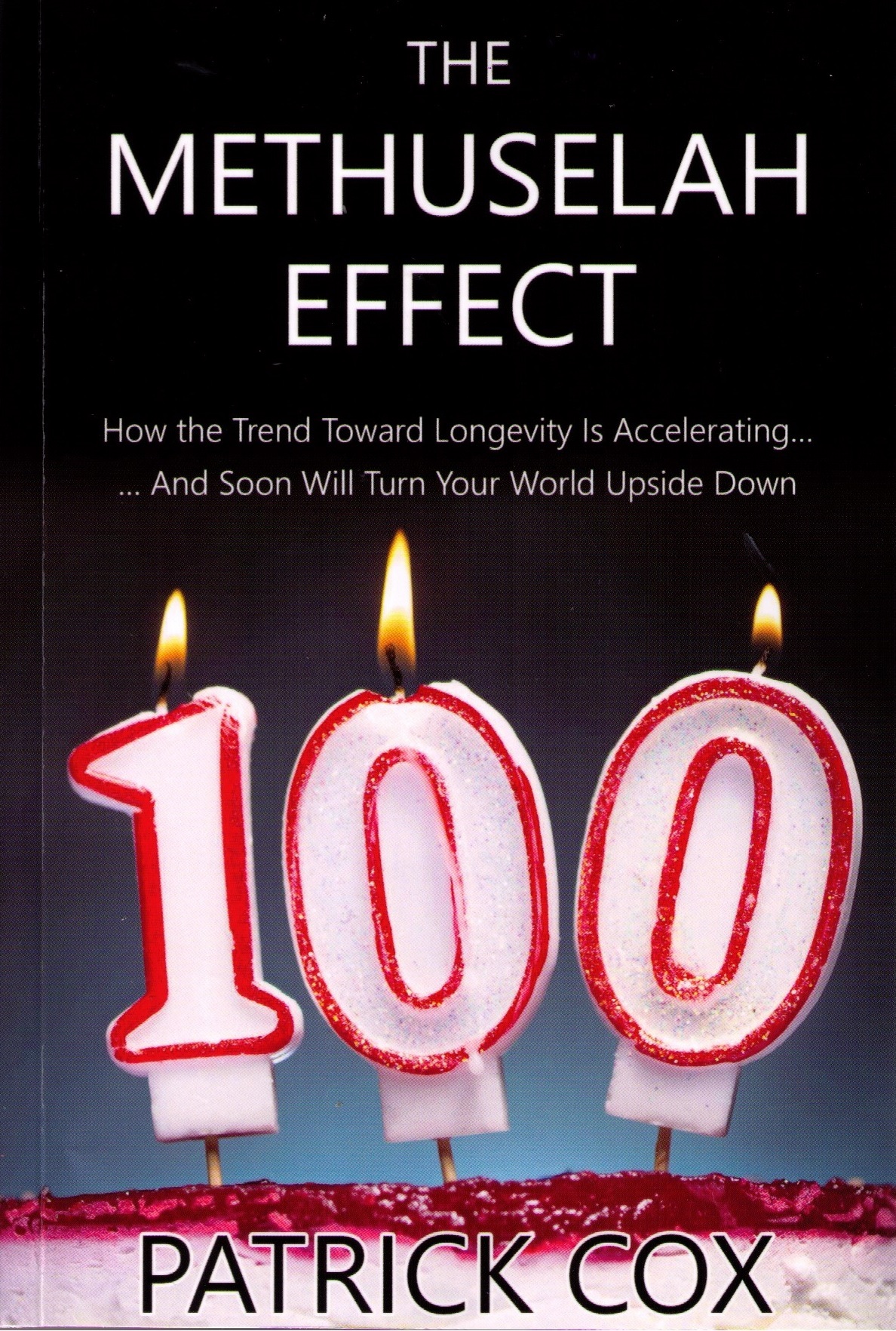
Methuselah Lifespan: Understanding Longevity Debates and Biological Potential
The Methuselah lifespan refers to the theoretical and biological pursuit of extending human longevity significantly beyond current demographic limits, drawing inspiration from the biblical figure Methuselah. This field encompasses inte...
The Methuselah lifespan refers to the theoretical and biological pursuit of extending human longevity significantly beyond current demographic limits, drawing inspiration from the biblical figure Methuselah. This field encompasses intense scientific, ethical, and sociological debates regarding the feasibility of radical life extension, the distinction between "healthspan" and lifespan, and the societal implications of a significantly aging global population.
Contents
The Origins of the Methuselah Concept
The term "Methuselah" originates from the Hebrew Bible, specifically Genesis 5:27, which describes a man who lived to the age of 969. While this figure is treated as a historical or mythological record of extreme longevity, modern science approaches the concept of a "Methuselah lifespan" through the lens of geroscience. Geroscience is the intersection of aging biology and disease prevention, focusing on the mechanisms that cause cellular senescence and age-related physiological decline.
In the contemporary longevity community, the Methuselah Foundation—an organization dedicated to making 90 the new 50 by 2030—has popularized the pursuit of therapies that address the "Seven Pillars of Aging." These include cell loss, nuclear mutations, mitochondrial mutations, and the accumulation of extracellular junk. The objective is not merely to extend the current human maximum, which sits around 122 years, but to fundamentally alter the rate at which human biology degrades.
Distinguishing Healthspan from Lifespan
A central point of contention in longevity debates is the distinction between lifespan—the total number of years an organism lives—and healthspan—the number of years an organism lives in good health, free from chronic disease. Critics often argue that chasing a Methuselah-like lifespan is secondary to the more pressing need to eliminate age-related morbidities such as cardiovascular disease, cancer, and neurodegeneration.
However, proponents of radical life extension argue that the two are inseparable. By addressing the molecular hallmarks of aging, one naturally delays the onset of multiple age-related conditions simultaneously. This paradigm shift, from "disease-based" medicine to "biology-based" maintenance, is the cornerstone of current longevity research.
Core Mechanisms Under Scrutiny
To understand the debate, one must examine the biological pathways currently being researched to achieve extended life cycles. These mechanisms are often at the center of both promising clinical data and significant regulatory skepticism.
1. Senolytics
Senolytics are a class of drugs aimed at inducing the death of "senescent" cells—cells that have stopped dividing but refuse to die, instead secreting inflammatory signals that damage nearby healthy tissue. Removing these cells in animal models has shown remarkable improvements in physical performance and survival.
2. NAD+ Precursors
Nicotinamide adenine dinucleotide (NAD+) is a coenzyme central to metabolism and DNA repair. Levels of NAD+ decline naturally as humans age. Research into precursors like NMN (nicotinamide mononucleotide) and NR (nicotinamide riboside) focuses on restoring these levels to improve mitochondrial function, although high-quality human data confirming long-term life extension remains limited.
3. Caloric Restriction and Mimetics
Caloric restriction (CR) is the most robust intervention for extending lifespan in various laboratory species. Because strict, long-term CR is difficult for humans to maintain, researchers are investigating "CR mimetics"—compounds that trick the body into a state of calorie deprivation without the actual reduction in energy intake.
Comparative Overview of Longevity Strategies
The following table summarizes common strategies and their current status within the scientific and regulatory landscape as of 2026.
| Strategy | Primary Mechanism | Current Status | Regulatory Standing |
|---|---|---|---|
| Senolytics | Clearing senescent cells | Early human trials | Investigational |
| NAD+ Boosters | Metabolic restoration | Human trials | Dietary Supplements |
| Metformin | AMPK activation | Clinical trials (TAME) | Approved for diabetes |
| Rapamycin | mTOR pathway inhibition | Pre-clinical/Off-label | Investigational |
| Stem Cell Therapy | Tissue regeneration | Experimental | Highly regulated |
The Ethical and Societal Debate
The prospect of a Methuselah-level lifespan raises profound ethical questions. Critics often cite the "inequality gap," fearing that longevity technologies will be available only to the ultra-wealthy, potentially creating a tiered society where health and time are luxury goods.
Furthermore, economists grapple with the impact on retirement, pension systems, and population density. If human lifespans were to increase by several decades, the current social contract—centered around the traditional three-stage life of education, work, and retirement—would become obsolete. Critics argue that we should focus on the quality of life for the existing population before attempting to disrupt the biological limits of the human species.
Challenges to Implementation
Despite the excitement surrounding longevity research, several structural challenges impede progress.
- Clinical Trial Duration: To prove that an intervention actually increases human lifespan, trials would need to last for decades. Consequently, researchers often use biomarkers of biological age, such as epigenetic clocks (e.g., the Horvath clock), as proxies for success. However, the FDA does not yet recognize these as definitive endpoints for "anti-aging" drug approval.
- Regulatory Hurdles: Aging is not officially classified as a disease by most regulatory bodies, including the U.S. Food and Drug Administration. This makes it difficult for pharmaceutical companies to secure funding for trials that target aging directly rather than specific diseases.
- Safety and Side Effects: Intervening in fundamental biological pathways like the mTOR pathway or DNA repair mechanisms carries inherent risks. Long-term systemic inhibition of certain pathways could lead to immune suppression or unintended oncogenic effects.
Navigating the Information Landscape
For those interested in the longevity space, it is critical to distinguish between peer-reviewed scientific literature and speculative wellness marketing. Consumers should be wary of any product claiming to "reverse aging" or offer a "Methuselah-like" experience without rigorous clinical data.
When evaluating a longevity-focused intervention, consider:
- Source of Evidence: Is the claim supported by peer-reviewed, double-blind, randomized, placebo-controlled trials?
- Mechanism of Action: Is there a plausible, medically understood pathway, or is the explanation purely speculative?
- Regulatory Status: Is the substance approved for human use by reputable agencies, or is it an unregulated experimental compound?
Frequently Asked Questions
Is it possible to reach a 900-year lifespan today? No. There is no biological evidence or technology in 2026 that can extend human life to the magnitude suggested by the biblical Methuselah. Current research is focused on incremental improvements in healthspan and delaying age-related decline.
What is the "TAME" trial? The Targeting Aging with Metformin (TAME) trial is a clinical study designed to test whether the drug Metformin can delay the onset of multiple age-related chronic diseases, thereby acting as a proxy for slowing human aging.
Do NAD+ supplements definitely increase lifespan? There is no definitive evidence in human clinical trials that NAD+ precursors increase lifespan. While animal models show potential, human studies are currently inconclusive regarding their efficacy for longevity.
Are there known risks to longevity interventions? Yes. Manipulating core biological pathways like cell cycle regulation or metabolic signaling can have significant side effects, including impaired immune response, altered hormone levels, and potential increases in cancer risk.
Next Steps for Interest Holders
If you are following the development of longevity science, the most practical approach is to prioritize evidence-based lifestyle modifications known to improve healthspan, such as cardiovascular exercise, optimized sleep hygiene, and nutritional density.
For those engaging with clinical developments, monitor updates from organizations like the American Federation for Aging Research (AFAR) or search government databases like ClinicalTrials.gov for registered trials regarding senolytics and mTOR inhibitors. Always consult with a qualified physician before initiating any supplement regimen or participating in experimental protocols, as these interventions may interact with pre-existing conditions or current medications.
Image Gallery