The Role of B-Roll in a Movie: Elevating Narrative and Continuity
B-roll is the supplemental or alternative footage intercut with the main scene—often called A-roll—that provides visual context, deepens narrative impact, and solves technical continuity challenges during the editing process. By captur...
B-roll is the supplemental or alternative footage intercut with the main scene—often called A-roll—that provides visual context, deepens narrative impact, and solves technical continuity challenges during the editing process. By capturing secondary angles, character reactions, environmental details, or metaphorical imagery, filmmakers create a sophisticated visual tapestry that keeps audiences engaged and clarifies complex story beats without relying solely on dialogue.
Contents
Defining the Scope: A-Roll Versus B-Roll
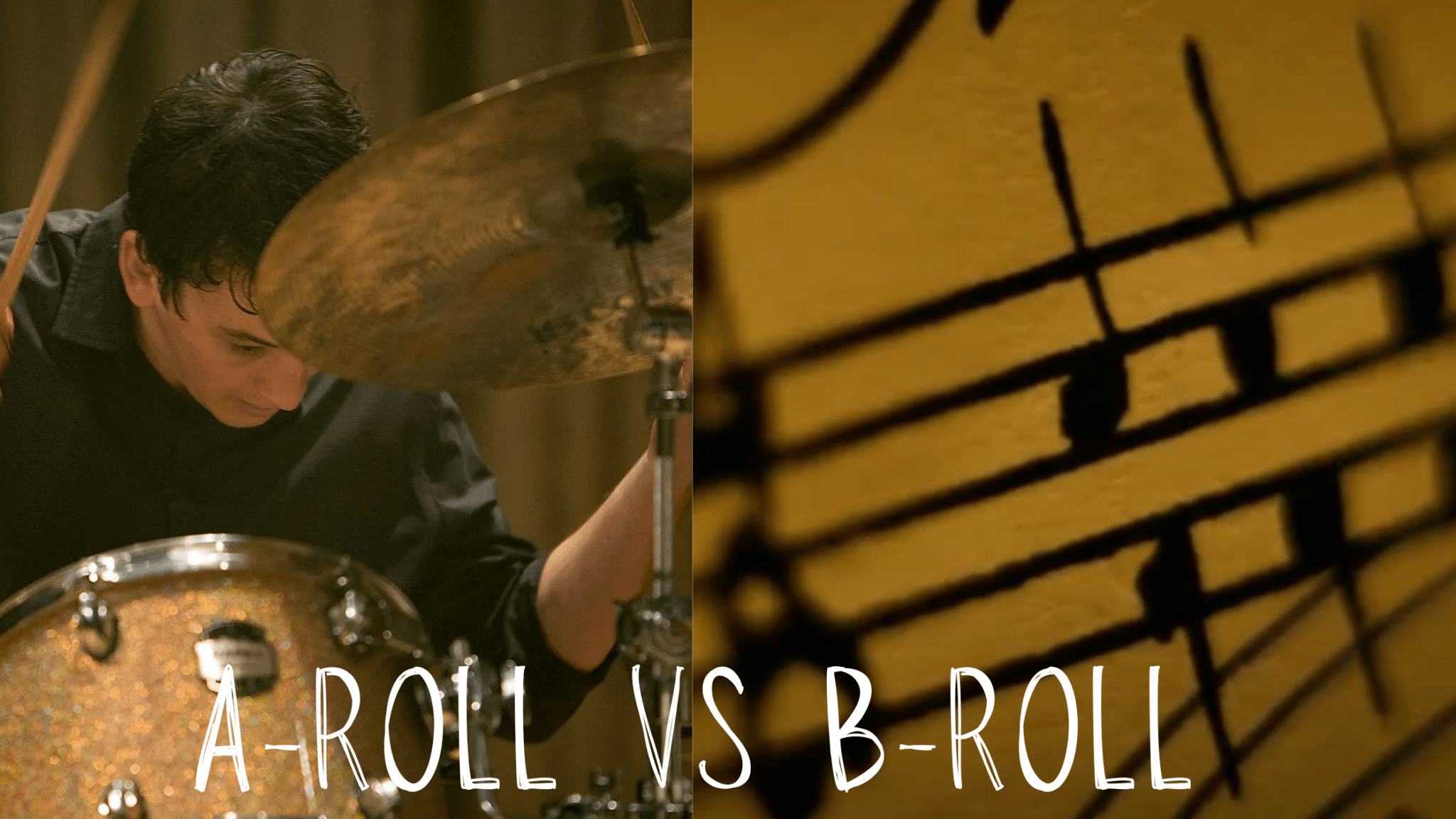
To understand the utility of B-roll, one must distinguish it from the primary footage. A-roll typically consists of the "meat" of the scene: the principal action, the primary dialogue, or the main subject speaking directly to the camera (as seen in interviews or monologues).
B-roll is the supporting material. If a character is describing their childhood home, the A-roll captures their face and emotion, while the B-roll consists of lingering shots of an old photograph, a sunset over a suburban street, or close-ups of the character’s hands fidgeting. This interplay is essential in modern filmmaking, where visual storytelling must remain dynamic to prevent viewer fatigue.
Functional Utility in Professional Filmmaking
B-roll is rarely just "filler"; it is a functional tool used to solve specific production and post-production hurdles.
Continuity and Jump Cuts
In digital editing, the "jump cut"—where the subject seems to twitch or teleport between two edits of the same shot—is often jarring and visually unprofessional. By placing a piece of B-roll over the cut point, the editor creates a seamless transition. This allows for the removal of awkward pauses, stumbles in speech, or changes in camera position without breaking the viewer's immersion.
Pacing and Rhythm Control
A movie is a series of beats. Sometimes, the primary footage contains necessary information but lacks the rhythmic energy required to maintain momentum. Inserting B-roll—such as a quick cut to a ticking clock, a city skyline, or an object relevant to the plot—can compress time or accelerate the perceived pace of a scene. It provides the editor with "breathing room" to transition between different emotional states.
Establishing Environment and Mood
Audiences need to feel the "where" and "when" of a film. Establishing shots, a subset of B-roll, serve this purpose immediately. Before a conversation begins in a dimly lit office, showing the rain hitting the window or the flickering neon sign outside sets the tone before a single line of dialogue is spoken. This environmental storytelling creates atmospheric weight that supports the performances on screen.
Strategic Production: Capturing Effective B-Roll
Many filmmakers fall into the trap of assuming B-roll can be "fixed in post." While editing is powerful, B-roll is most effective when it is purpose-driven rather than an afterthought.
| Type of B-Roll | Primary Purpose | Best Used When |
|---|---|---|
| Environmental | Establishing location/setting | Setting the scene or changing locations |
| Reactionary | Deepening emotional impact | Emphasizing a character's internal thoughts |
| Detail/Macro | Highlighting narrative symbols | Drawing focus to a plot-critical object |
| Actional | Bridging transitions | Connecting two related but distant actions |
The Checklist for Production
When shooting, the production team should prioritize the following to ensure the editor has a usable toolkit:
- Multiple Focal Lengths: Always capture a mix of wide, medium, and close-up shots of the same subject to allow for depth variation in the edit.
- Varied Movement: Use static tripod shots for stability and handheld or gimbal movements to provide energy and variety.
- Lighting Consistency: Ensure the color temperature of your B-roll matches the A-roll unless a specific stylistic shift is intended.
- Sufficient Duration: Always shoot 10 to 15 seconds more than you think you need for a single clip. This gives the editor the necessary "handles" for transitions or potential slow-motion effects.
Common Mistakes in B-Roll Integration
The most frequent error is the misuse of "stock" or unrelated B-roll. Footage that feels disconnected from the established visual language of the film can pull the viewer out of the story. If the A-roll is shot with high-contrast, cinematic lighting, inserting flat, poorly lit, or low-resolution B-roll will create a jarring dissonance that undermines the professional quality of the project.
Another mistake is failing to capture "coverage." Coverage refers to the practice of shooting enough angles so that the editor never finds themselves "stuck." If a character is holding a prop during a scene, you must capture close-ups of that prop in isolation. If you do not, the editor will be forced to rely on long takes, which limits their ability to manipulate the timing of the scene.
The Evolution of B-Roll in 2026
As of 2026, the distinction between B-roll and A-roll has blurred in high-end cinematography. Modern mirrorless and cinema-grade cameras allow for such high-resolution sensor output (often 8K or higher) that "B-roll" can often be cropped into "A-roll" in post-production. This capability provides a new layer of safety for filmmakers, allowing them to extract high-quality close-ups from wide shots without sacrificing pixel density.
However, despite these technical advancements, the creative requirement remains the same: the footage must serve the story. Over-editing—or adding excessive, flashy B-roll—can actually distract from the core narrative. The best B-roll is often the kind the audience doesn't consciously notice; it simply feels like the natural progression of the scene.
Frequently Asked Questions
Is B-roll always shot separately from the main scene?
Not necessarily. While it is often captured during specific "B-roll sessions," it is frequently grabbed on the fly during main unit production. If the lighting and environment are already set, it is the most efficient time to capture secondary details.
How much B-roll is typically required for a feature film?
There is no fixed ratio, but a general rule of thumb for documentary or interview-heavy work is to shoot at least three times the amount of B-roll as the final runtime of the sequence. For scripted narrative films, it depends on the complexity of the montage or transition.
Can I use stock footage as B-roll?
Yes, provided it is color-graded and edited to match the "look" of your project. The danger of stock footage is often a lack of visual cohesion, so prioritize sourcing material that matches your frame rate, resolution, and lighting style.
What is the difference between B-roll and a montage?
A montage is a sequence of shots edited together to convey a passage of time or a thematic shift, often set to music. B-roll is the individual raw material; the montage is a specific narrative technique that utilizes that material.
Should B-roll always match the lens choice of the A-roll?
Matching lens characteristics—such as depth of field and compression—helps maintain continuity. If your A-roll is shot on a 35mm lens, using an 85mm lens for your B-roll close-ups can create a jarring perspective shift unless you are intentionally trying to create a stylistic contrast.
Strategic Next Steps
For your next production, create a "B-roll Shot List" before you arrive on set. Review your script or interview transcript, highlight every specific object, location, or reaction mentioned, and allocate time specifically for capturing these shots. By treating B-roll as a prioritized production requirement rather than an incidental task, you will significantly improve the technical polish and narrative depth of your final edit.
Image Gallery