Understanding What the Hijab Means in Arabic: Linguistic and Cultural Context
In Arabic, the word "hijab" (حجاب) literally translates to a partition, curtain, or screen. Beyond its linguistic roots, it functions as an essential term in Islamic jurisprudence and social practice, referring to the principle of mode...
In Arabic, the word "hijab" (حجاب) literally translates to a partition, curtain, or screen. Beyond its linguistic roots, it functions as an essential term in Islamic jurisprudence and social practice, referring to the principle of modesty and the specific outer garment worn by many Muslim women to cover their hair and neck in the presence of adult males outside their immediate family.
Contents
The Linguistic Roots of Hijab
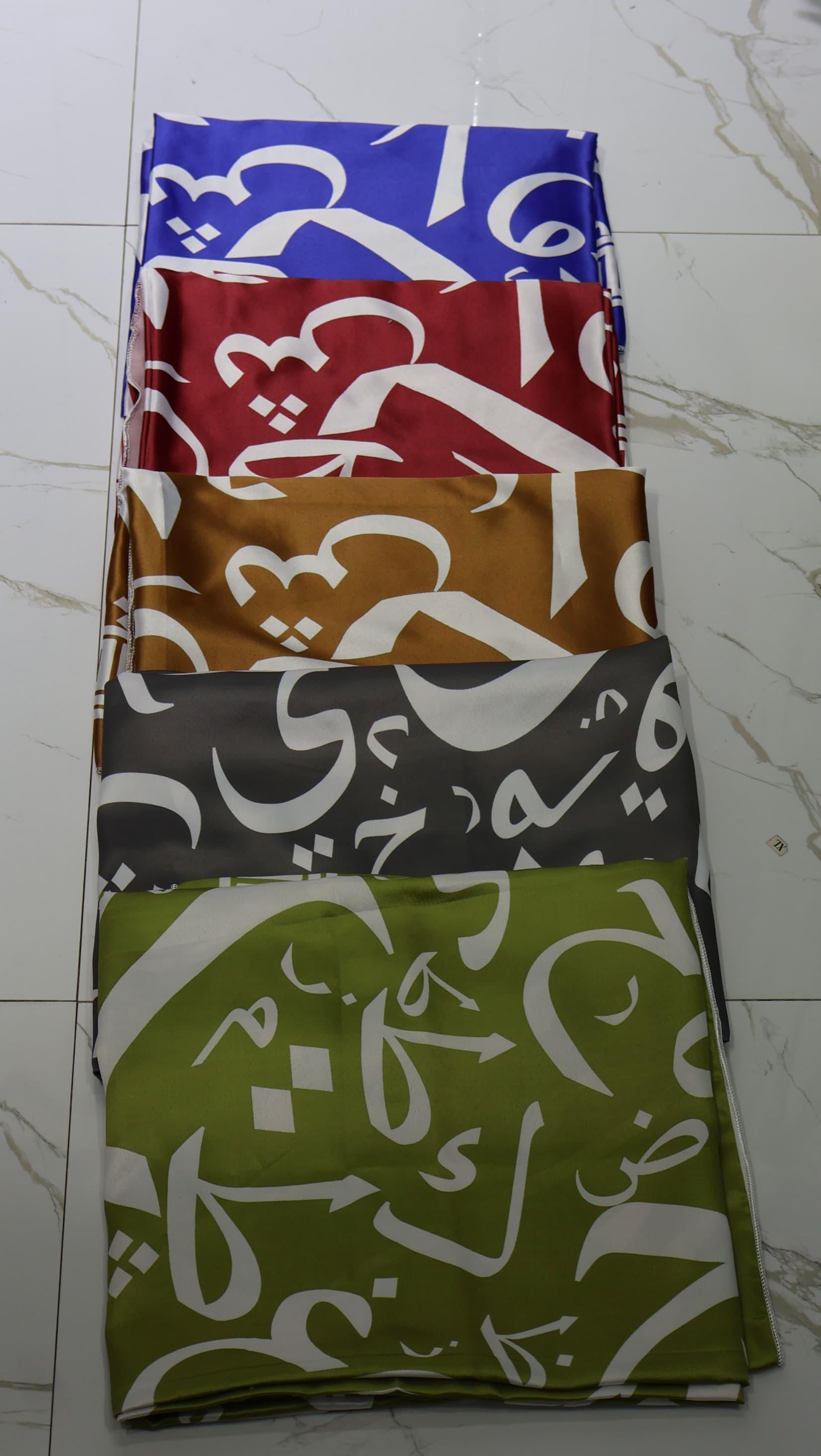
To understand the meaning of the hijab, one must first examine its etymological origin. The word derives from the Arabic root h-j-b (ح ج ب), which signifies to veil, to cover, to screen, or to protect. In classical Arabic literature and pre-Islamic usage, a hijab was not necessarily a garment. It often referred to a physical partition or curtain used to create privacy within a home or a tent. For example, in historical accounts, it was common to speak of a hijab separating a ruler from the public, serving as a barrier to ensure solitude or maintain a respectful distance.
Over time, this concept of a physical partition transitioned into a moral and behavioral framework. In a spiritual sense, the word is used in the Quran to describe various forms of "screens," including metaphorical barriers between people, between humanity and the divine, or between the truth and falsehood. The application of this term to a woman’s head covering emerged as a specific legal and social interpretation of broader Quranic directives regarding haya (modesty) and khimar (the specific term used in the Quran for a head covering).
The Quranic Context and Terminology
It is a common point of confusion to equate the term "hijab" exclusively with the headscarf, when the Quran utilizes distinct terminology for modesty. The term hijab appears in the Quran in various contexts, most famously in Surah Al-Ahzab (33:53), where it refers to the curtain used to separate the wives of the Prophet Muhammad from his visitors. This historical precedent established the hijab as a symbol of sanctity and privacy.
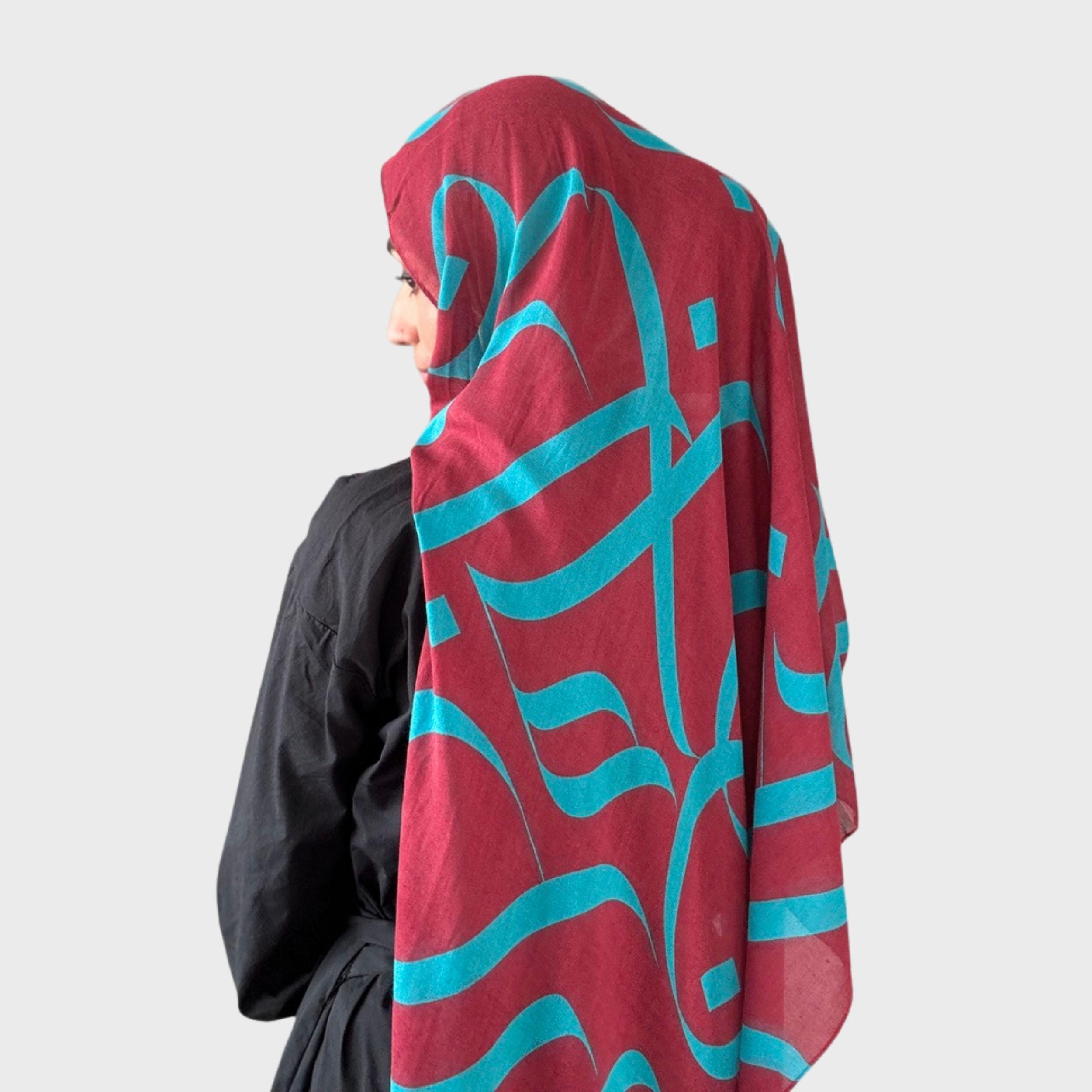
The garment that modern society identifies as the "hijab"—a scarf covering the hair and neck—is more accurately identified in traditional Islamic texts by the term khimar. The command for women to draw their khimars over their bosoms is found in Surah An-Nur (24:31). Therefore, while the word hijab has linguistically expanded to encompass the entire concept of modest dress, the technical distinction between a partition and a garment remains important for scholars of Islamic studies and linguistics.
The Hijab as a Modality of Modesty
In contemporary practice, the hijab serves as a visible manifestation of haya, an Arabic term that encompasses modesty, shyness, and a sense of reverence toward God. The wearing of the hijab is intended to shift the focus of social interaction from a person’s physical appearance to their character and intellect. By covering the hair and neck, the wearer asserts a boundary that defines the space between the private self and the public sphere.
This act of covering is considered an act of ibadah (worship) by millions of women. It is viewed as an outward expression of an inward commitment to faith. Because the definition is deeply tied to the Arabic root of "protection," many practitioners feel that the hijab protects them from the objectification that often occurs in environments where beauty is commodified.
Distinctions in Islamic Attire
While the term hijab is used globally as an umbrella term, different styles and cultural interpretations exist. It is essential to distinguish between these forms, as the terminology often changes based on regional influence and the extent of the covering.
| Term | Traditional Description | Cultural Origin/Context |
|---|---|---|
| Khimar | A head covering that drapes down to the waist. | Quranic; general term for head veil. |
| Niqab | A face veil that leaves the eyes visible. | Common in parts of the Arabian Peninsula. |
| Chador | A full-body cloak that leaves the face exposed. | Predominantly associated with Iran. |
| Abaya | A loose-fitting cloak worn over other clothing. | Common in the Arab world; often paired with a hijab. |
| Burqa | A garment that covers the entire body, including a mesh screen for the eyes. | Regional, specifically in South and Central Asia. |
The Social and Jurisprudential Evolution
The interpretation of what constitutes proper coverage has been debated by Islamic scholars for centuries. These discussions are generally centered on the concept of awrah, which refers to the parts of the human body that, according to Islamic law, should be concealed in public.
In most traditional schools of thought, the awrah of a woman includes the entire body except for the face and hands. However, some interpretations, drawing from specific historical narrations or cultural traditions, argue for the inclusion of the face (leading to the niqab) or prioritize looser, less conspicuous clothing. The 2026 understanding of these roles acknowledges that while the core requirement remains consistent, the hijab has become a site of identity formation, where women navigate the balance between traditional religious obligations and modern civic participation.
Common Misconceptions
A significant misunderstanding in non-Arabic speaking regions is that the hijab is a symbol of oppression or forced subordination. Linguistically and historically, this is not supported by the term itself. The Arabic meaning centers on "screening" and "privacy," concepts that are often tied to dignity and individual choice in the context of the tradition.
Furthermore, the hijab is not a static piece of cloth; it is a dynamic choice. In the 2020s, the "modest fashion" industry has exploded, allowing women to integrate the hijab into diverse styles that reflect their personal aesthetic while adhering to their interpretation of the religious mandate. This suggests that the hijab is not a monolithic practice but a fluid expression of faith and identity that adapts to the time and place of the wearer.
Frequently Asked Questions
Does the word hijab appear in the Quran to describe a headscarf? No. In the Quran, the word hijab refers to a partition or curtain. The instruction regarding covering the head and chest uses the word khimar. The term hijab was adopted later in common parlance to describe the head covering itself.
Is wearing the hijab mandatory in all Arabic-speaking countries? No. Laws and social expectations regarding the hijab vary significantly between countries like Saudi Arabia, Egypt, Lebanon, and Morocco. While it is a deeply rooted cultural practice, the enforcement or social pressure to wear it is highly dependent on national laws, local customs, and individual community standards.
What is the difference between a hijab and a shayla? A shayla is a specific, popular style of hijab—a long, rectangular scarf wrapped around the head and tucked at the shoulder. The term hijab is the general, overarching category for the practice of veiling, whereas shayla refers to the specific physical garment.
Can men wear a hijab? In Islamic terminology, the word hijab is specific to the modest dress requirements of women. However, there is a parallel concept for men known as ghadd al-basar (lowering the gaze) and a requirement for modest dress, often referred to as the sunnah dress, which prohibits the exposure of the body between the navel and the knee.
Conclusion and Next Steps
The meaning of the hijab in Arabic is rooted in the concepts of screening, protection, and privacy. It is an expression of faith that has evolved from a physical partition in the time of the Prophet to a widely recognized symbol of modesty. For those seeking to further their understanding, the best approach is to distinguish between the linguistic origins of the term and the diverse, lived realities of the women who choose to wear it. If you are researching this for academic, professional, or personal interest, look toward primary source translations of the Quran and Hadith to observe the nuance between the specific garments and the broader principles of modesty.
Image Gallery