Understanding Human Dignity: Definition, Examples, and Practical Application
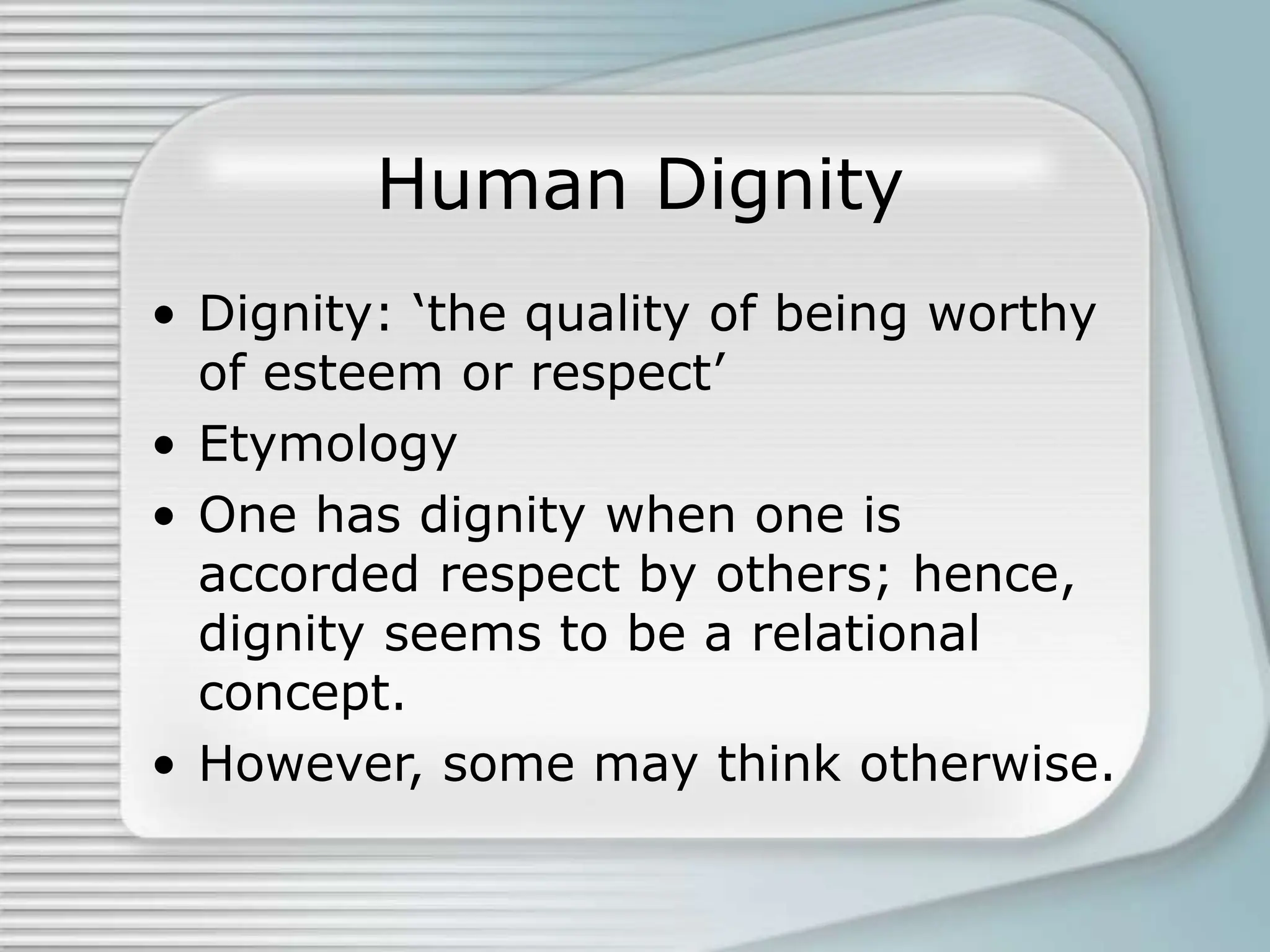
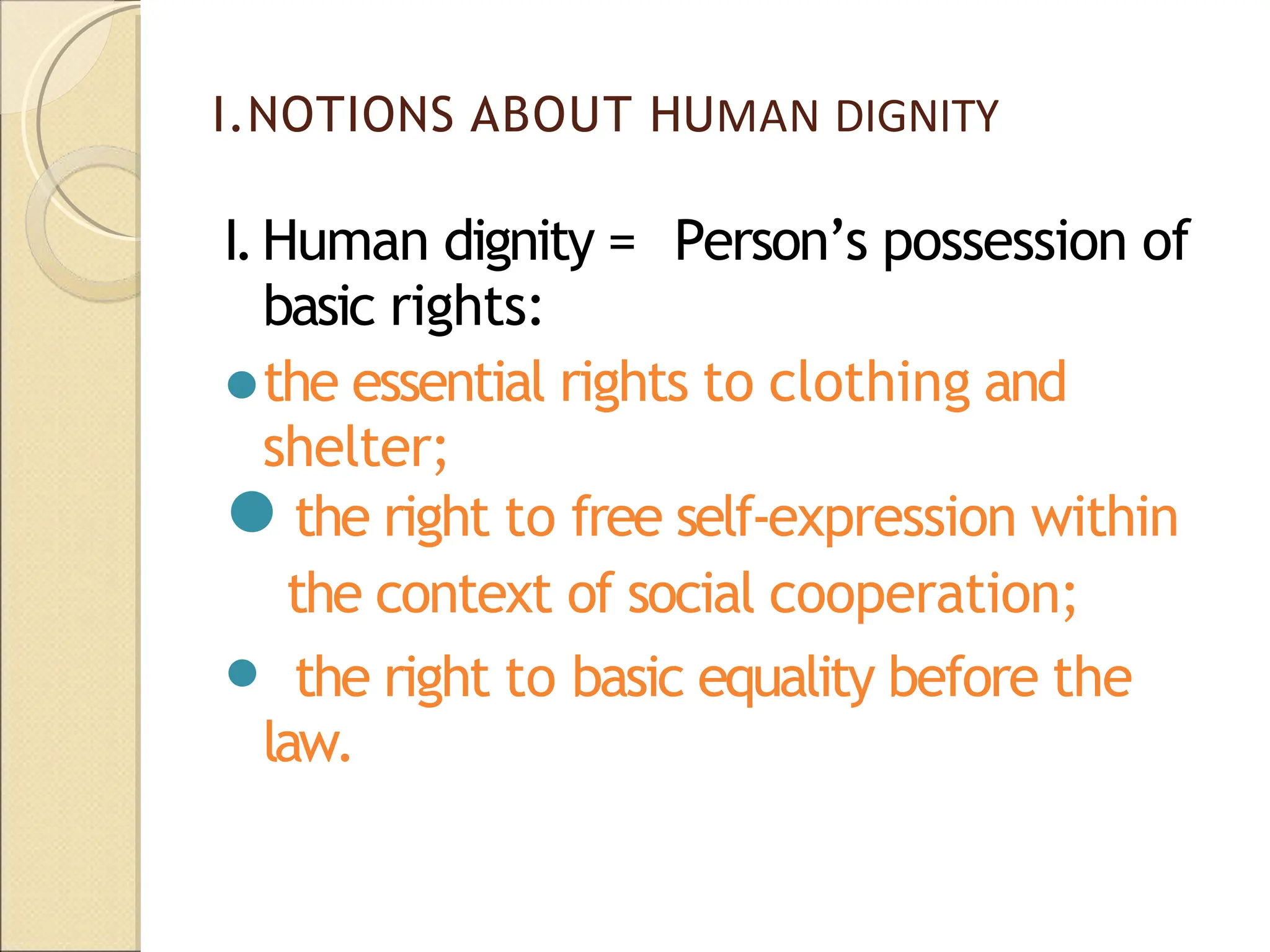
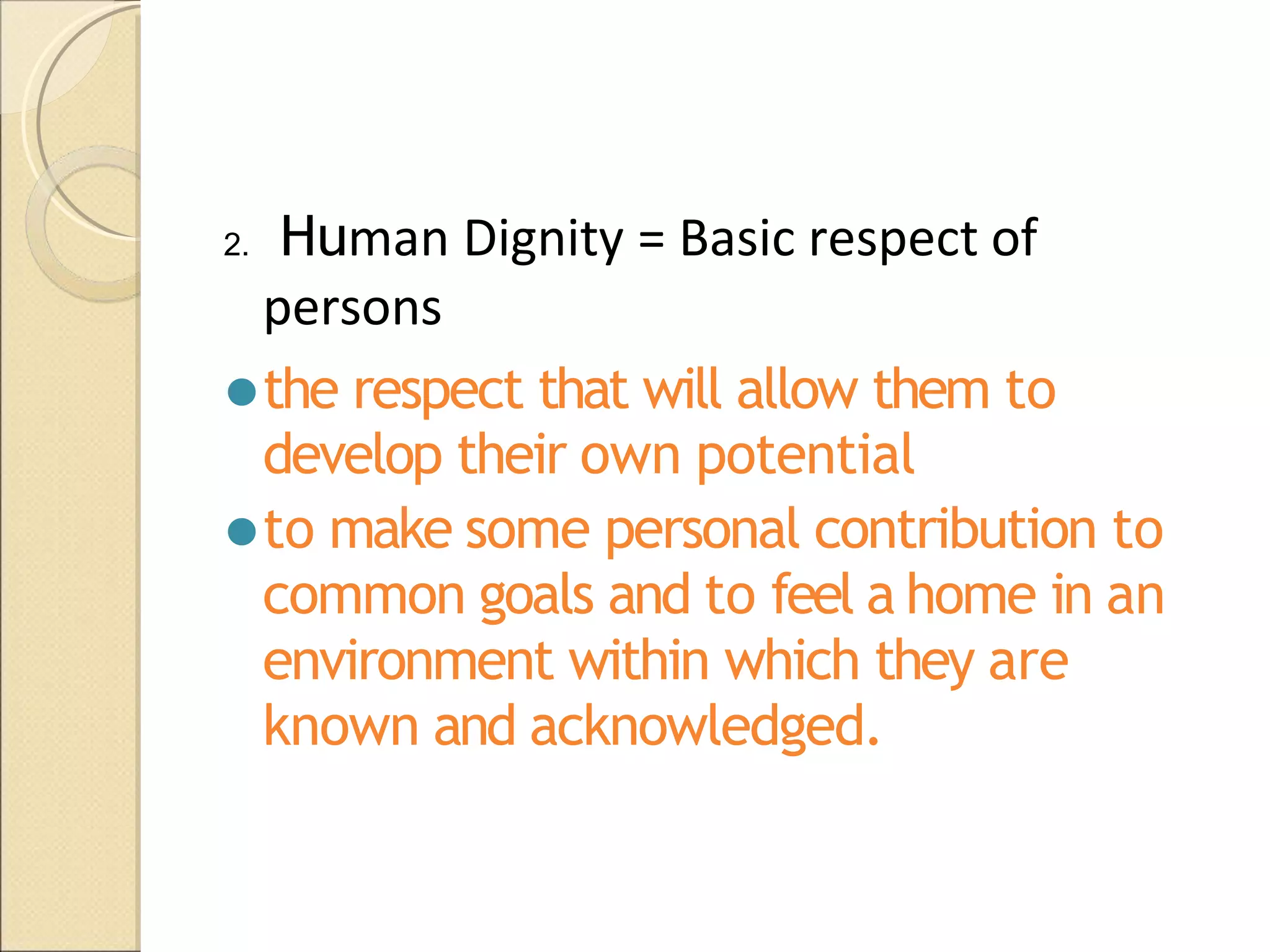
Human dignity is the inherent, inalienable value possessed by every individual simply by virtue of being human, regardless of their status, capabilities, or societal contributions. It serves as the moral foundation for human rights, di...
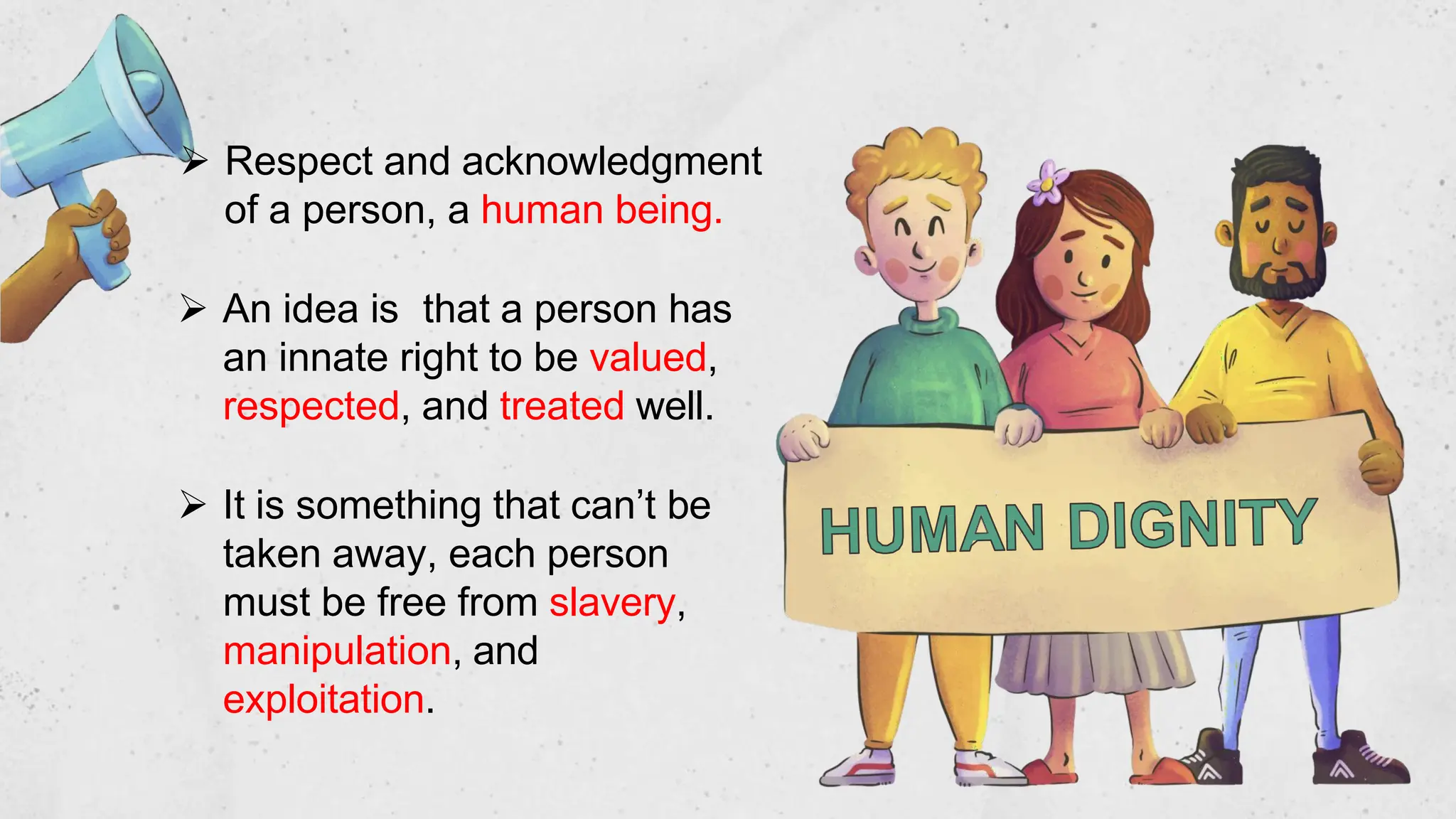
Human dignity is the inherent, inalienable value possessed by every individual simply by virtue of being human, regardless of their status, capabilities, or societal contributions. It serves as the moral foundation for human rights, dictating that all people must be treated with respect, autonomy, and consideration, rather than as means to an end, and it is protected through legal frameworks and ethical conduct across global institutions.
Contents
The Philosophical Foundations of Human Dignity
The concept of human dignity is not merely a modern sentiment; it has deep roots in moral philosophy. Immanuel Kant, a seminal figure in this discourse, articulated that human beings possess "dignity" rather than "price." While items with a price can be replaced by an equivalent, a human being possesses an internal worth that is unique and irreplaceable. This philosophical stance establishes that dignity is not something earned through achievement or social standing; it is an intrinsic quality that demands recognition.
In a practical sense, recognizing human dignity means acknowledging that every person deserves to make choices about their own life. When an individual is denied the ability to self-determine or is treated as a mere object—whether in the workplace, a healthcare setting, or a legal proceeding—their dignity is compromised. This distinction between "price" and "dignity" remains the benchmark by which many international human rights laws are measured in 2026.
Concrete Examples of Human Dignity in Practice
To understand human dignity, it is helpful to look at how it manifests in professional, legal, and interpersonal settings. Examples often involve the protection of the vulnerable, the preservation of privacy, and the maintenance of equality.
1. Informed Consent in Healthcare
In medicine, the requirement for informed consent is a primary example of upholding human dignity. A patient is not merely a biological specimen to be treated; they are an autonomous individual with the right to understand their diagnosis, the risks of treatment, and the right to refuse care. By providing clear, jargon-free information and respecting the patient’s final decision, a medical professional acknowledges the patient’s agency and inherent worth.
2. Fair Employment Practices
In the workplace, human dignity is protected through equitable treatment. This includes providing safe working conditions, fair compensation, and freedom from harassment. When an employer creates an environment that prevents bullying or discriminatory practices, they are affirming that the employee’s identity and well-being hold value beyond their output or labor value to the company.
3. Privacy and Data Protection
In the digital age, individual privacy has become a frontline for dignity. Respecting a person's desire to keep personal, sensitive, or intimate information private is a way of recognizing their boundary as a person. Practices such as robust data encryption, clear privacy policies, and the right to be forgotten reflect a systemic effort to treat the individual as a subject with rights rather than a data point to be exploited for commercial gain.
Institutional Frameworks and Protection
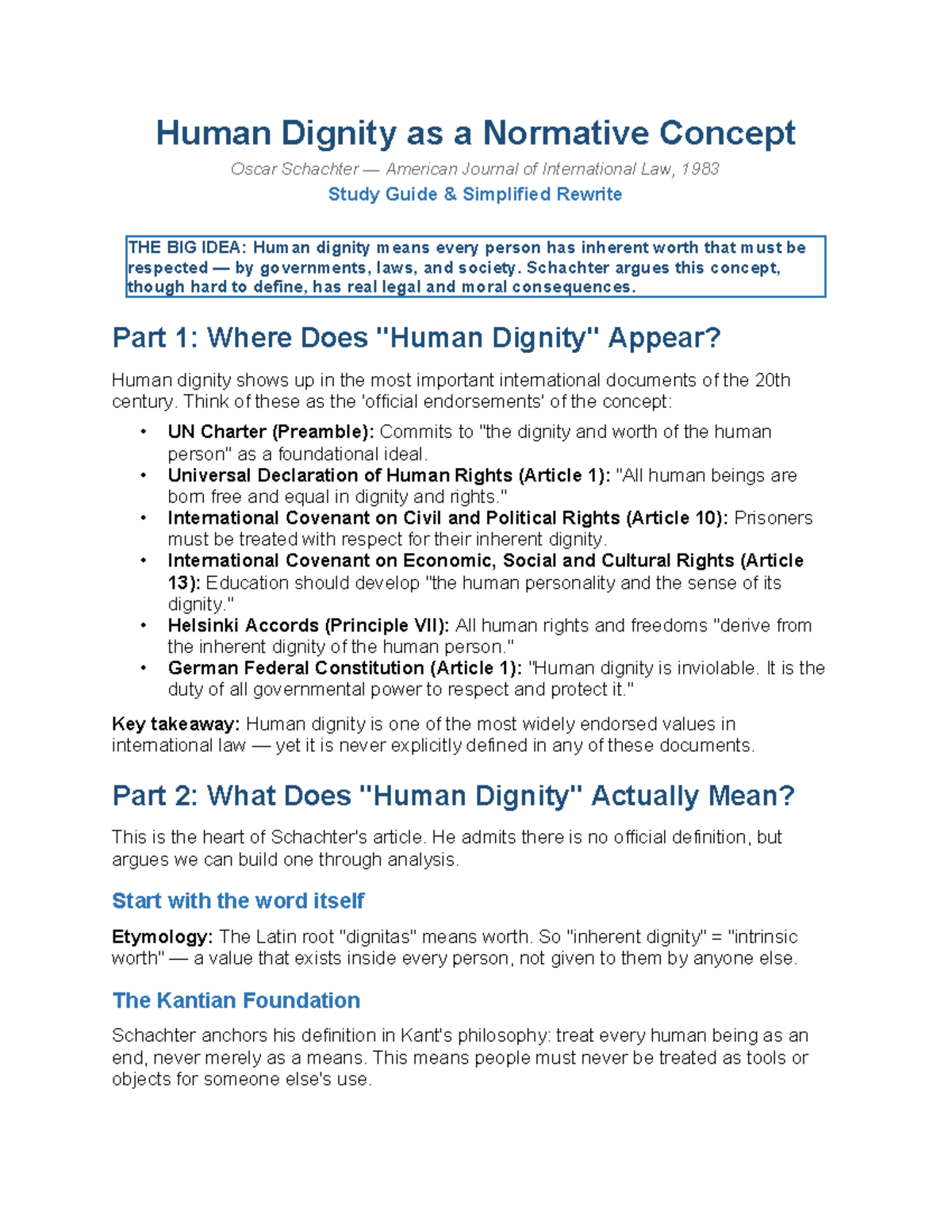
Human dignity is codified in international law, most notably in the 1948 Universal Declaration of Human Rights. The opening articles establish that "all human beings are born free and equal in dignity and rights." Since then, this principle has been incorporated into the constitutions of numerous nations and the operational guidelines of global NGOs.
The following table summarizes how different sectors operationalize the concept of human dignity:
| Sector | Practical Application of Dignity | Primary Goal |
|---|---|---|
| Healthcare | Informed consent, patient privacy, pain management | Protecting patient autonomy |
| Workplace | Fair wages, non-discrimination, safe conditions | Ensuring professional value |
| Legal | Due process, right to counsel, humane treatment | Preventing state overreach |
| Digital | Data protection, transparency, user agency | Safeguarding personal identity |
The Role of Agency and Autonomy
A significant component of human dignity is agency—the capacity of an individual to act independently and make their own free choices. When individuals are subjected to coercion, systemic marginalization, or poverty that restricts their life options, their dignity is challenged.
Actionable examples of preserving agency include:
- Accessible Design: Ensuring that public infrastructure and digital services are accessible to people with disabilities. This removes barriers that would otherwise limit an individual's ability to participate in society.
- Conflict Resolution: Utilizing mediation or restorative justice, which allows victims and offenders to be heard and treated as participants in the justice process, rather than just recipients of punitive measures.
- Cultural Respect: Acknowledging and respecting an individual's background, beliefs, and language. Denigrating someone’s identity is a direct affront to their dignity.
Common Misconceptions
There is often confusion between "dignity" and "pride" or "status." Unlike pride, which is an emotional response to one's achievements, dignity remains intact even when an individual is in a state of extreme vulnerability or suffering.
Another misconception is that dignity can be lost through poor behavior. While a person’s reputation may suffer due to their actions, international human rights law maintains that their inherent dignity remains unchanged. This is why legal systems mandate humane treatment even for those convicted of serious crimes. Dignity is not a reward for good behavior; it is the starting point for all human interaction.
Challenges to Human Dignity in 2026
Despite established frameworks, several modern challenges continue to test our collective commitment to human dignity:
- Algorithmic Bias: In 2026, the increasing use of automated decision-making systems in lending, hiring, and law enforcement can lead to discriminatory outcomes. If these systems are not carefully audited for fairness, they effectively dehumanize individuals by reducing their complex lives to biased machine-learning variables.
- Economic Inequality: While economic status is not a moral indicator of value, severe poverty often forces individuals into situations where their dignity is compromised by the struggle for basic survival.
- Digital Surveillance: The ubiquity of surveillance tools can lead to a "chilling effect," where individuals feel they are being constantly monitored, which restricts their freedom of expression and personal development.
How to Foster Dignity in Daily Life
Preserving human dignity is not just a role for legislators; it is a responsibility within daily interactions. You can uphold this principle by:
- Practicing Active Listening: When you listen fully to someone without interrupting or judging, you signal that their thoughts and experiences have value.
- Maintaining Boundaries: Respecting others' physical and emotional space is a foundational practice in recognizing their autonomy.
- Advocating for Inclusivity: Speak up when you observe environments that systematically exclude or demean others based on their identity.
- Promoting Transparency: Whether in a professional project or a community initiative, being transparent builds trust and respects the right of those involved to know how decisions are made.
Frequently Asked Questions
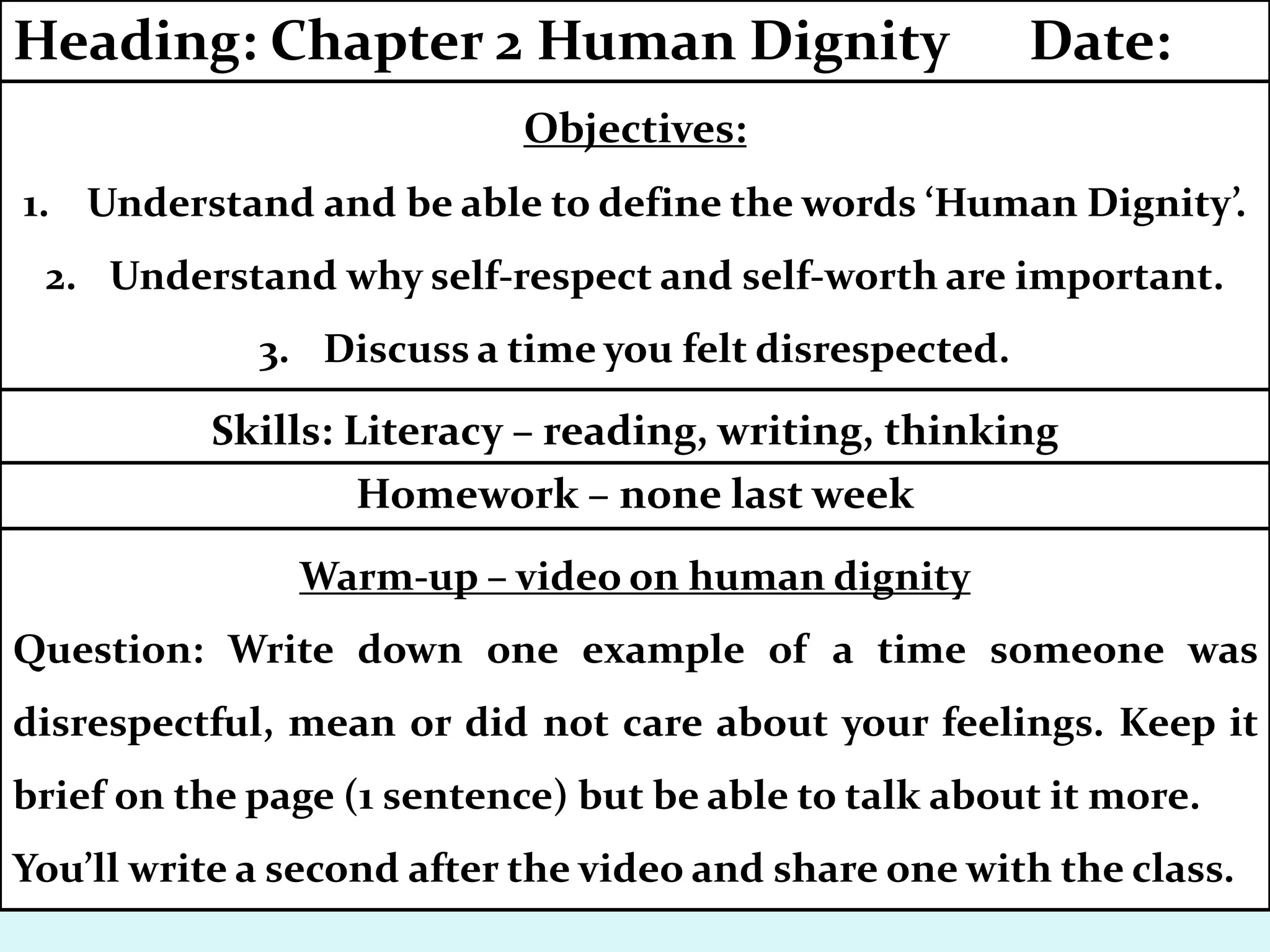
Is dignity the same as self-esteem? No. Self-esteem refers to your internal evaluation of your own worth. Dignity is an objective, inherent quality that exists regardless of how you feel about yourself or how others perceive you.
Can a person lose their dignity? From a human rights and ethical perspective, dignity cannot be lost or surrendered. While individuals may be subjected to dehumanizing conditions that violate their dignity, the inherent value of the person remains constant.
How does dignity relate to equality? Equality is the practical application of the belief in universal human dignity. If all people possess equal dignity, it follows that they must be treated as equals before the law and granted equal access to fundamental rights.
What is the difference between human rights and human dignity? Human dignity is the moral principle or foundation; human rights are the specific legal and social mechanisms created to protect that dignity in society.
Does treating someone with dignity mean always agreeing with them? Not at all. You can disagree with someone’s opinions or actions while still respecting their fundamental value as a human being. Dignity requires civility and respect, not total consensus.
Next Steps
To further engage with this subject, consider examining the foundational documents of your own region’s legal code or the professional ethics standards within your field. Understanding these frameworks provides the tools to recognize when dignity is being upheld and when it is being ignored, allowing for proactive, ethical decision-making in your professional and personal life.
Image Gallery