Why Life Insurance Rarely Funds Long Term Health Care
Life insurance rarely funds long-term health care because most policies are designed strictly as mortality-based contracts that pay out only upon the death of the insured. Unless a policy specifically includes a long-term care rider or...
Life insurance rarely funds long-term health care because most policies are designed strictly as mortality-based contracts that pay out only upon the death of the insured. Unless a policy specifically includes a long-term care rider or is a hybrid "asset-based" product, it lacks the legal and actuarial triggers required to provide living benefits for custodial or nursing home costs.
Contents
The Fundamental Conflict Between Mortality and Morbidity
The primary reason for the disconnect between life insurance and long-term care (LTC) lies in the actuarial science used to price and structure these products. Life insurance is based on mortality risk—the statistical likelihood of when an individual will die. Long-term care insurance is based on morbidity risk—the likelihood that an individual will suffer from a chronic illness or disability that prevents them from performing basic daily tasks.
Most traditional life insurance policies, particularly term life, are "pure" insurance. They exist for a specific duration to provide a death benefit to beneficiaries. Because the insurance company only expects to pay out if the insured dies during the term, the premiums are relatively low. There is no "living benefit" component because the contract does not account for the high costs of healthcare services provided while the policyholder is still alive. Even permanent policies, such as Whole Life or Universal Life, are primarily structured to build cash value for legacy purposes or supplemental retirement income, not to act as a revolving fund for medical expenses.
In 2026, we continue to see a significant "protection gap" where policyholders assume their permanent life insurance is a liquid resource for all end-of-life needs. In reality, without specific contractual language, that death benefit remains "locked" until the insured passes away, leaving a massive funding void during the years when expensive care is actually required.
The Misconception of Accelerated Death Benefits (ADB)
Many policyholders believe they are covered for long-term care because their policy includes an Accelerated Death Benefit (ADB) rider. However, this is one of the most common points of confusion in financial planning. There is a critical technical difference between a "Terminal Illness" rider and a "Long-Term Care" rider.
Standard ADB riders typically only trigger when a physician certifies that the insured has a terminal illness with a life expectancy of 12 to 24 months. While this allows the policyholder to access a portion of the death benefit early, it is often insufficient for long-term care needs, which can last for a decade or more. Conditions like Alzheimer’s or Parkinson’s disease may require intensive custodial care for years without being classified as "terminal" in the short term.
Furthermore, many ADBs are "chronic illness" riders rather than true LTC riders. Under Internal Revenue Code (IRC) Section 101(g), chronic illness riders allow early access to funds if the insured cannot perform two of the six Activities of Daily Living (ADLs). However, these are often "discounted" benefits, meaning the insurance company reduces the payout based on the insured's remaining life expectancy and the lost interest the company would have earned. This is significantly less robust than a dedicated LTC rider, which provides a dollar-for-dollar benefit specifically for care.
Actuarial Underwriting and Risk Pooling
Another reason life insurance rarely covers LTC is that the underwriting process for the two risks is entirely different. When you apply for life insurance, the underwriter is concerned with your internal health—heart function, cancer history, and lifestyle choices that impact your lifespan.
Long-term care underwriting is concerned with functionality and cognitive health. An individual might be an excellent candidate for life insurance because they have a well-managed heart condition that won't kill them for 30 years. However, that same person might be uninsurable for long-term care if they have early-stage arthritis or a family history of dementia, as these conditions suggest a high probability of needing expensive assistance with daily living.
Because the risks are pooled differently, an insurance company cannot simply "add" LTC coverage to a standard life policy without a secondary, more stringent underwriting process. In 2026, most carriers keep these risks separate to maintain the solvency of their life insurance reserves. Combining them requires a "Hybrid" policy, which usually demands a much higher premium or a significant one-time lump-sum payment to offset the dual risk of the company paying out for both care and death.
The Limitations of Cash Value Withdrawals
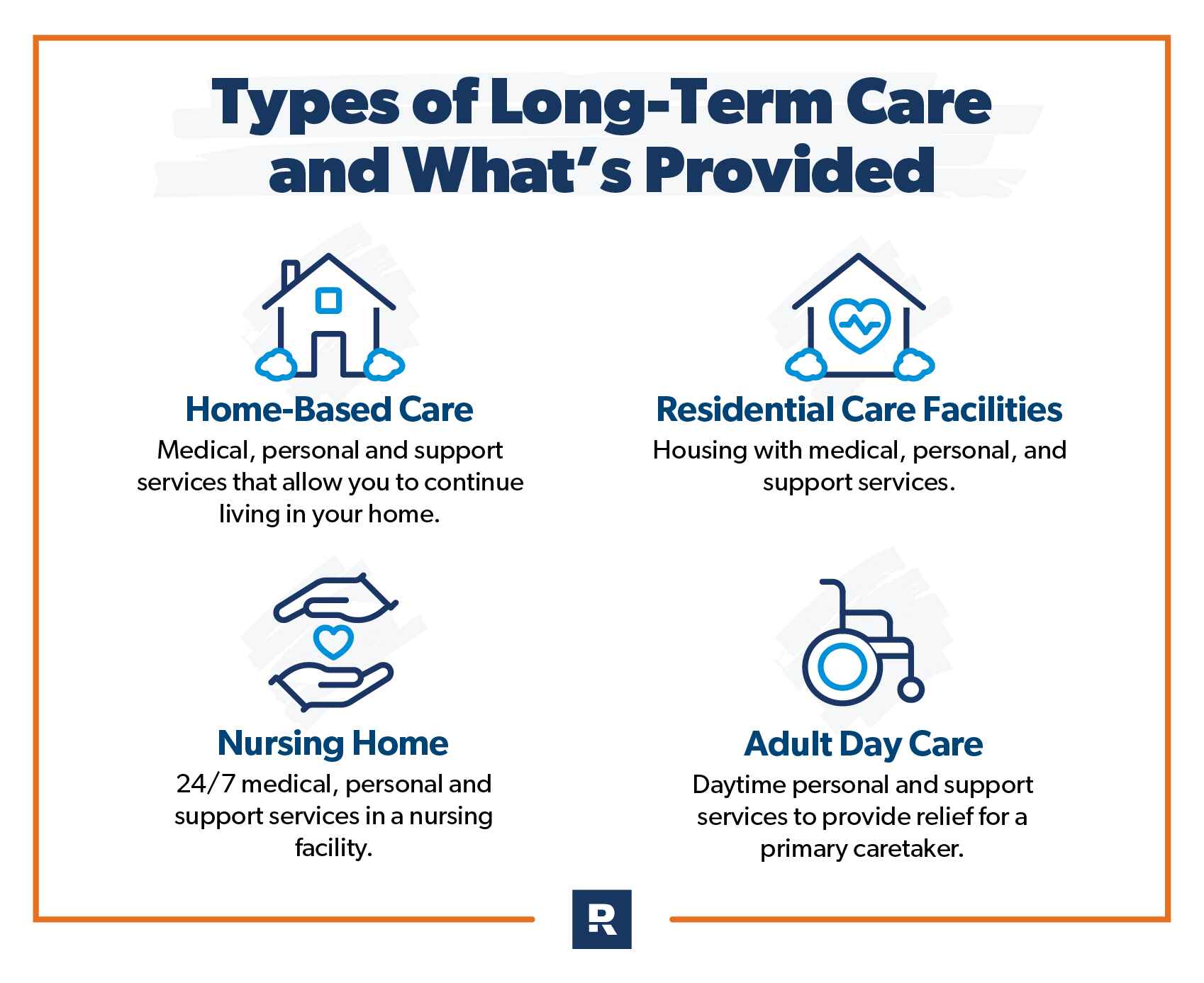
Policyholders with permanent life insurance (Whole Life or Universal Life) often point to their cash value as a potential source for health care funding. While it is true that you can withdraw or borrow against the cash value of a permanent policy, this is rarely an efficient way to fund long-term care for several reasons:
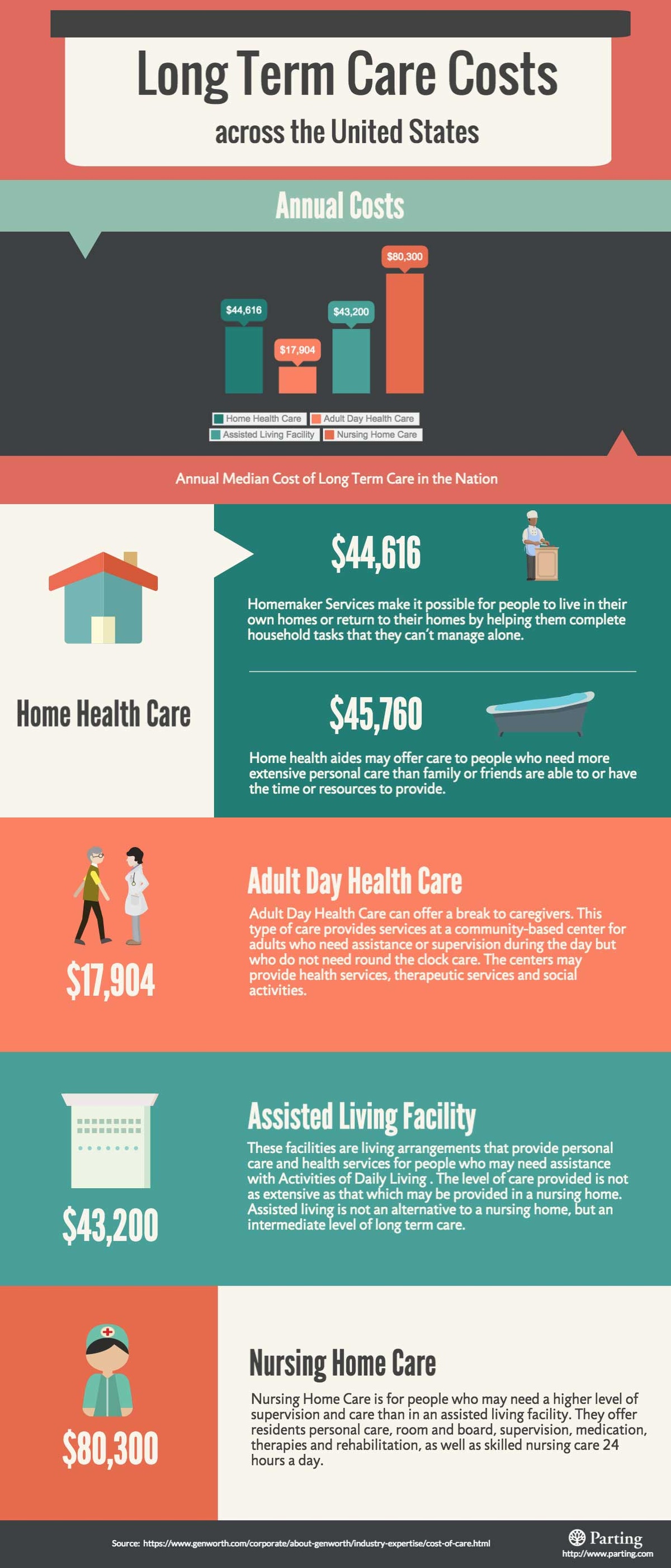
- Insufficient Growth: In most cases, the cash value of a policy takes decades to grow to a level that could sustain the costs of a private-pay nursing home, which in 2026 averages over $100,000 per year in many regions.
- Policy Erosion: Taking large withdrawals or loans against a policy reduces the death benefit and can cause the policy to lapse if the interest on the loan exceeds the remaining value. If a policy lapses, the policyholder may face a significant tax bill on the gains.
- No Leverage: Unlike a dedicated LTC policy where a $3,000 annual premium might buy $150,000 of care coverage, withdrawing cash value provides no leverage. You are simply spending your own savings, whereas insurance is designed to provide a benefit greater than the sum of the premiums paid.
Comparative Overview of Funding Mechanisms
The table below illustrates why traditional life insurance falls short compared to specialized or hybrid products when addressing long-term care needs in 2026.
| Feature | Standard Term Life | Standard Whole/Universal Life | Life Insurance with LTC Rider | Hybrid (Asset-Based) LTC |
|---|---|---|---|---|
| Primary Trigger | Death of Insured | Death of Insured | 2 of 6 ADLs or Cognitive Impairment | 2 of 6 ADLs or Cognitive Impairment |
| Living Benefits | None | Cash Value Access Only | Accelerated Death Benefit | Dedicated Care Fund + Death Benefit |
| Underwriting | Mortality Only | Mortality Only | Dual (Mortality + Morbidity) | Morbidity Focused |
| Cost Efficiency | High (for death only) | Moderate | Lower (high premiums) | High (for specific care use) |
| Tax Status | Tax-Free Death Benefit | Tax-Free Death Benefit | Generally Tax-Free (IRC 7702B) | Generally Tax-Free (IRC 7702B) |
| Impact on Legacy | N/A | Reduces Death Benefit | Reduces Death Benefit | May preserve or reduce legacy |
The Regulatory and Tax Framework (IRC 7702B vs. 101(g))
The legal structure of insurance contracts also limits the ability of life insurance to fund health care. For a policy to provide tax-qualified long-term care benefits, it must adhere to Internal Revenue Code Section 7702B. This section requires that the policy follow specific consumer protection standards and defines how benefits can be paid out tax-free.
Most life insurance policies are governed by Section 101(g). While 101(g) allows for the tax-free acceleration of death benefits for chronic illness, it does not allow for the same level of flexibility as a 7702B contract. For example, 101(g) riders often do not cover "temporary" stays in a nursing home or home health care for someone expected to recover; they are designed for permanent, irreversible conditions.
Furthermore, 7702B-compliant policies allow for the inflation protection and "non-forfeiture" options that are standard in the LTC industry but virtually non-existent in the life insurance industry. Without these regulatory markers, a life insurance policy simply cannot function as a legal substitute for health care funding.
The Shift Toward Hybrid Policies in 2026
Recognizing that traditional life insurance rarely funds long-term care, the insurance market has shifted toward Hybrid Life/LTC Policies. These are specialized contracts that allow the policyholder to use the death benefit to pay for care while they are alive.
If the care is needed, the death benefit is depleted to pay for it. If the care is never needed, the beneficiaries receive the full death benefit. While this solves the "use it or lose it" problem of traditional LTC insurance, it also highlights the central theme: a standard life insurance policy cannot do this. It must be a specifically engineered hybrid product with a "long-term care services" rider that satisfies both mortality and morbidity actuarial requirements.
FAQ
Can I add a long-term care rider to my existing life insurance policy? In most cases, no. Long-term care riders must typically be added at the time of the initial application because they require specific morbidity underwriting. If your health has changed or if the carrier does not offer "after-issue" additions, you would likely need to replace the policy through a 1035 Exchange to a new hybrid product.
Do all permanent life insurance policies have cash value for health care? Most permanent policies (Whole, Universal, Variable) build cash value, but not all of them allow for efficient withdrawals. Furthermore, "Guaranteed Universal Life" (GUL) policies often have very little to no cash value, as they are designed to provide the lowest cost permanent death benefit possible. These policies are particularly ill-suited for funding long-term care.
What are the 6 Activities of Daily Living (ADLs)? To trigger long-term care benefits, an insured usually must be unable to perform two of the following: bathing, dressing, toileting, transferring (moving in/out of bed or a chair), continence, and eating. Standard life insurance does not recognize these triggers; it only recognizes a death certificate or a terminal diagnosis.
Is it better to have a standalone LTC policy or a life insurance rider? Standalone policies usually offer more robust care benefits and inflation protection but have "use it or lose it" premiums. Life insurance riders provide a guaranteed payout (either as care or a death benefit) but are generally more expensive upfront and may offer less comprehensive care coverage than a dedicated policy.
Will Medicare pay for long-term care if my life insurance doesn't? Medicare is designed for acute medical care and short-term rehabilitation, not long-term custodial care. It generally only covers up to 100 days of skilled nursing care following a hospital stay, and only a portion of that is fully funded. This makes the lack of LTC coverage in standard life insurance a critical risk for retirees.
Practical Recommendation
If you are relying on a life insurance policy to cover potential nursing home or home health care costs, you should immediately review your policy's "Triggers for Payout" section. If the language only mentions "Death" or "Terminal Illness," you do not have long-term care coverage.
Consider consulting with a financial advisor about a Section 1035 Exchange, which allows you to transfer the value of an existing life insurance policy into a hybrid Life/LTC policy without triggering immediate taxes. This can provide you with a dedicated "living benefit" pool specifically designed for care, ensuring that your health needs do not deplete your entire estate.
Image Gallery