Mastering the Chipotle Paleo Bowl: A Guide to Customizing Your Order
To get the Chipotle Paleo bowl right, focus on selecting high-quality animal proteins, avoiding all grains, legumes, and dairy, and opting for nutrient-dense fats like guacamole. Since Chipotle does not offer an official "Paleo" menu i...
To get the Chipotle Paleo bowl right, focus on selecting high-quality animal proteins, avoiding all grains, legumes, and dairy, and opting for nutrient-dense fats like guacamole. Since Chipotle does not offer an official "Paleo" menu item, success depends on your ability to navigate the serving line by bypassing prohibited ingredients—such as rice, beans, corn, and cheese—while maximizing compliant vegetable toppings and salsas.
Contents
Understanding the Paleo Framework at Chipotle
The Paleo diet centers on the consumption of whole, unprocessed foods that mimic what human ancestors might have eaten: lean meats, fish, vegetables, fruits, nuts, and seeds. When applying this framework to a fast-casual environment like Chipotle, the challenge lies in the "hidden" ingredients. While Chipotle is renowned for using responsibly raised meats and fresh produce, many of their standard preparation methods involve non-Paleo staples.
To build a compliant bowl, you must mentally strip away the standard "burrito bowl" components. The base of your meal should be a salad, but because Chipotle does not always default to a salad base in their POS (point-of-sale) system, you must be explicit about your requirements.
Navigating the Serving Line: The "Must-Avoid" List
When ordering, transparency is your best tool. Many employees are accustomed to standard orders, so clearly stating your dietary restrictions helps ensure the bowl is prepared correctly.
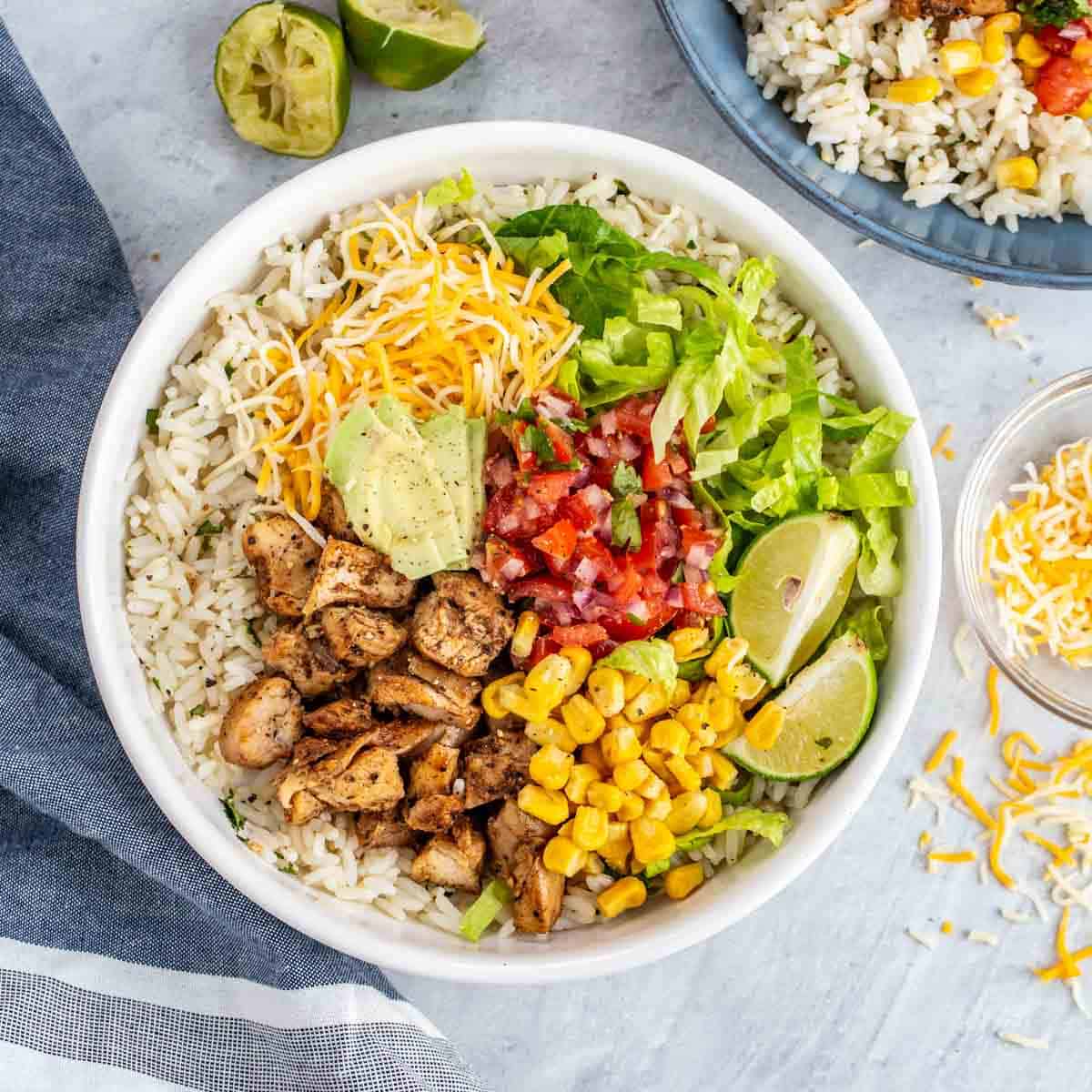
- Grains: Absolutely no white or brown cilantro-lime rice. Rice is a staple of almost every order, so keep a watchful eye during this step.
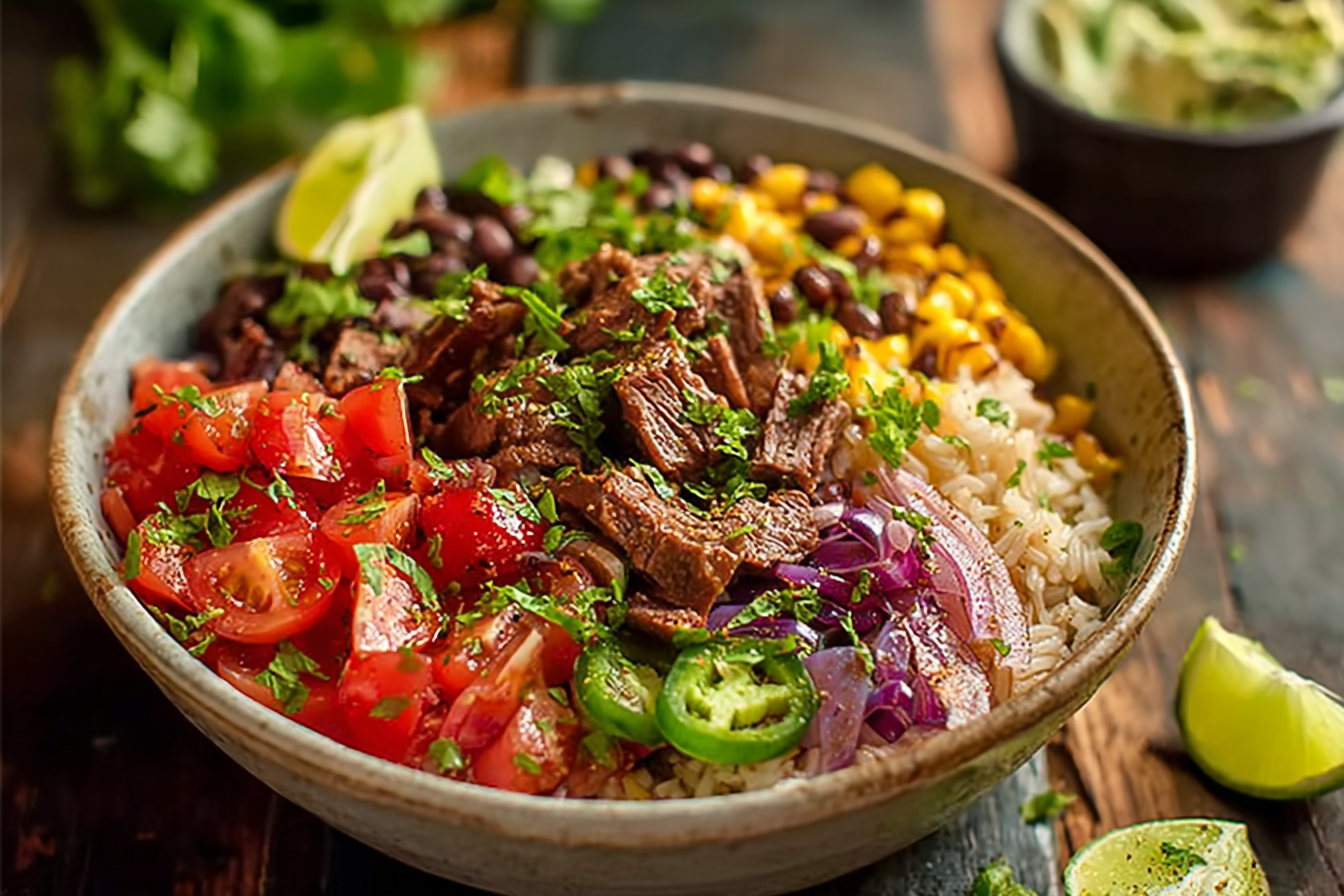
- Legumes: Avoid both black beans and pinto beans. Both are strictly excluded from Paleo protocols due to their lectin and phytic acid content.
- Dairy: Skip the shredded Monterey Jack cheese, sour cream, and queso.
- Corn: Although corn is technically a vegetable, it is classified as a grain in strict Paleo guidelines. Avoid the roasted chili-corn salsa.
- Dressings: Be cautious with the vinaigrette. While it is made with rice bran oil, some variations of commercial dressings contain added sugars or non-compliant oils. When in doubt, stick to lime wedges or fresh salsa.
Building Your Compliant Bowl
Once you have cleared the prohibited ingredients, focus on the high-quality components that make your bowl both filling and nutritionally aligned with Paleo principles.
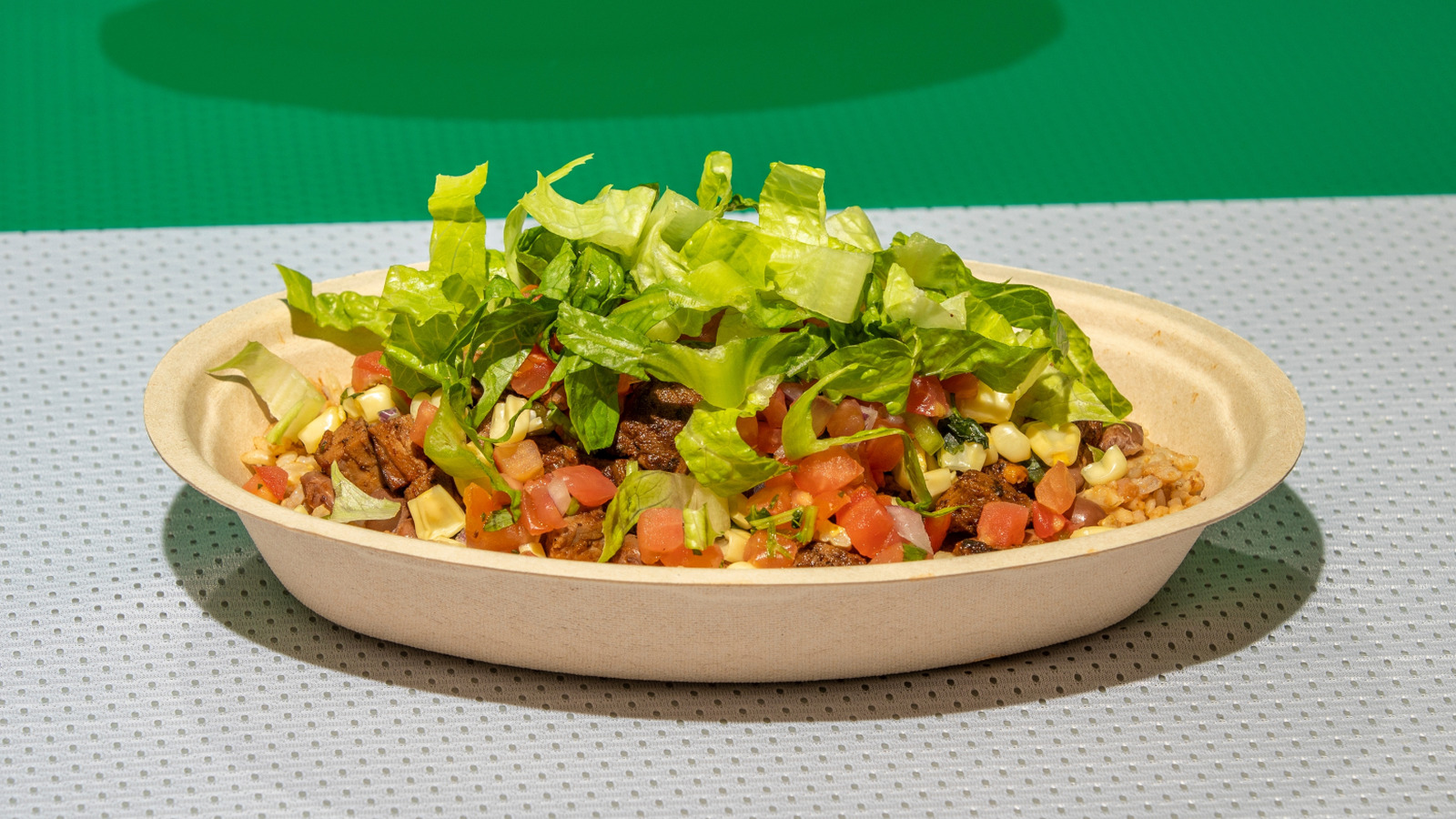
- The Base: Start by asking for a "salad bowl" (lettuce base). If they offer extra greens, take them to increase the volume of the meal.
- The Protein: Choose from the standard protein offerings. Options like the grilled chicken, steak, carnitas, or barbacoa are generally compliant, provided they are prepared in the standard fashion (seasoned with salt, pepper, and spices).
- The Fats: This is where you maintain satiety. Adding a generous portion of guacamole is the gold standard for a Paleo bowl, as it provides the healthy monounsaturated fats necessary for sustained energy levels.
- The Veggies: Opt for the fajita veggies—sautéed peppers and onions. Ensure they are cooked in a compliant oil (Chipotle typically uses sunflower or rice bran oil; while purists may debate specific oil preferences, these are generally accepted in a "real-world" Paleo context).
- The Salsas: The fresh tomato salsa (pico de gallo) and the tomatillo-green chili salsa are excellent additions. Always verify the ingredients if you are concerned about added sugar, though most of these are primarily vegetables, salt, and aromatics.
Comparative Nutrition Table
The following table illustrates how to pivot from a standard bowl to a Paleo-compliant selection.
| Component | Standard Selection | Paleo Adjustment |
|---|---|---|
| Base | Cilantro-Lime Rice | Romaine Lettuce |
| Protein | Chicken/Steak | Chicken/Steak (No change) |
| Beans | Black or Pinto | Omit |
| Dairy | Cheese/Sour Cream | Omit |
| Toppings | Corn Salsa | Extra Guacamole |
| Dressing | Vinaigrette | Fresh Lime Juice |
Operational Considerations and Tips for Success
The primary hurdle you may face is the "cross-contamination" factor. In a busy kitchen, a scoop used for beans might accidentally touch your lettuce. If you are strictly Paleo for medical or autoimmune reasons, inform the staff that you have an allergy or sensitivity to grains or dairy. Most locations are trained to change gloves or use a fresh serving utensil upon request.
Furthermore, consider the time of day you visit. Visiting during off-peak hours (between 2:00 PM and 5:00 PM) often yields a more attentive staff who can accommodate specific customization requests without the pressure of a long queue behind you.
Common Mistakes and Troubleshooting
- The "Oil" Issue: Some Paleo proponents are strict about seed oils (sunflower, canola, rice bran). If you are an "anti-seed oil" advocate, Chipotle may be difficult, as their meats and fajita vegetables are cooked in these oils. There is no current way to request "no oil" for the proteins, as they are pre-prepped.
- Hidden Sugar: While the salsas are generally safe, some pre-marinated proteins may contain trace amounts of sugar. If you are on an strict 30-day "reset" style Paleo, you may want to stick to the carnitas or plain steak, as they have the shortest ingredient lists.
- The Salad Base: Occasionally, employees might try to put your ingredients directly into the bottom of the bowl without the lettuce, assuming you want a smaller portion. Politely remind them that you want the "salad base" to ensure you get your greens.
Frequently Asked Questions
Are Chipotle’s fajita vegetables Paleo-compliant? Yes, they consist of onions and bell peppers seasoned with salt and oregano, typically sautéed in oil. They are a staple of a Paleo bowl and provide excellent fiber and flavor without the need for grains or legumes.
Is the Chipotle vinaigrette Paleo-friendly? Chipotle’s honey vinaigrette contains honey, which is generally acceptable in small amounts for some Paleo dieters, but it also uses soybean/rice bran oil. If your specific version of Paleo excludes all vegetable oils or added sweeteners, skip the dressing and use fresh lime juice or extra guacamole to add moisture to the bowl.
How do I make sure I get a good portion of guacamole? Guacamole is an "extra" charge item. When you order, ask for the guacamole specifically to be added to the salad base. Because it is a paid add-on, staff are usually happy to provide a generous scoop.
Can I get a Paleo bowl via the mobile app? Yes, the mobile app allows for detailed customization. Select the "Salad" base option. From there, you can toggle off beans, rice, and cheese. It is highly recommended to select the "Light" or "Extra" options for your chosen toppings to ensure the bowl is built to your specific volume preference.
Is Chipotle’s Barbacoa Paleo? The barbacoa is slow-cooked and seasoned with garlic, cloves, and bay leaves. It is an excellent choice for a Paleo bowl as it does not rely on fillers or binders that contain grains or soy.
Final Recommendation
To master the Chipotle Paleo bowl in 2026, treat the experience as a "build-your-own" salad. Start with a salad base, select your preferred animal protein, add fajita veggies, and finish with a double portion of guacamole. By communicating your needs clearly and avoiding the grain-and-legume-heavy components, you can maintain your dietary adherence while enjoying a convenient, nutrient-dense meal. When in doubt, remember that the simplest bowls—meat, greens, and avocado—are almost always the most effective and cleanest choices.
Image Gallery