The Shellback Sailor Tradition: History, Initiation, and Naval Lore
The shellback sailor tradition is a long-standing maritime rite of passage performed when a crew member crosses the Earth's equator at sea for the first time. Known as the "Line-Crossing Ceremony," this transition transforms a "wog" or...
The shellback sailor tradition is a long-standing maritime rite of passage performed when a crew member crosses the Earth's equator at sea for the first time. Known as the "Line-Crossing Ceremony," this transition transforms a "wog" or "pollywog" into a "Trusty Shellback," a status celebrated through elaborate, often grueling, ceremonial hazing overseen by senior crew members acting as characters from nautical mythology.
Contents
The Origins of the Shellback Tradition
The tradition of the line-crossing ceremony dates back centuries, rooted in the age of sail when long voyages around the Cape of Good Hope or Cape Horn necessitated crossing the equator. Historically, the ceremony served two primary purposes: morale and discipline. Crossing the equator was a milestone that relieved the monotony of weeks at sea, while the mock trials and physical challenges tested the resolve, camaraderie, and endurance of the crew.
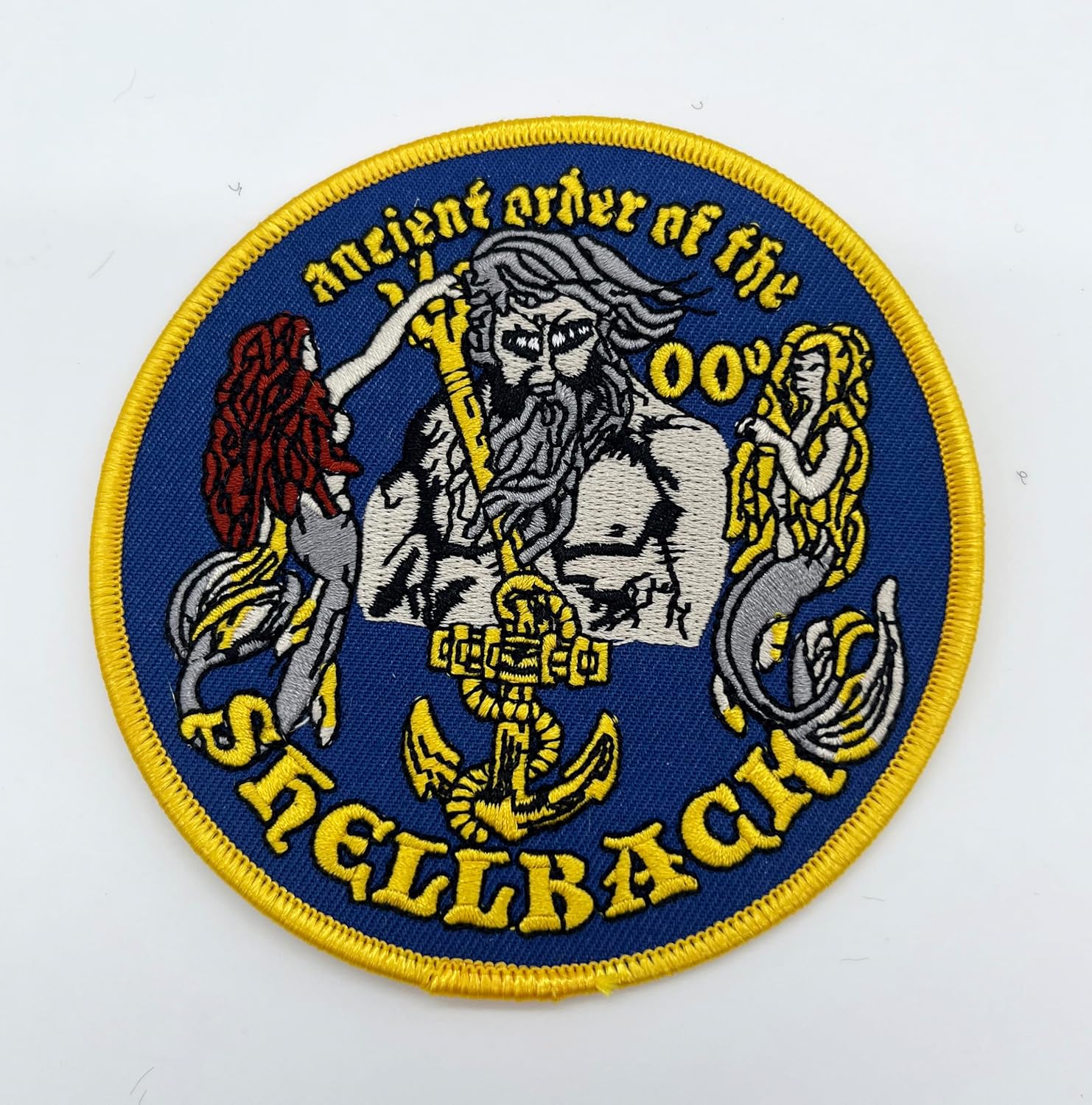
While specific records of the ceremony’s inception are lost to time, it is generally accepted that the practice evolved from earlier European folk customs regarding the initiation of novices into a new trade or life stage. Over the centuries, the tradition was formalized within the British Royal Navy and later adopted by the United States Navy and other maritime forces worldwide. By the 20th century, the ceremonies had become highly stylized, revolving around a set cast of characters led by King Neptune and his queen, Amphitrite.
The Hierarchy of Sailors: Pollywogs and Shellbacks
In the lexicon of the shellback sailor tradition, every crew member is categorized based on their previous transit of the equator. Understanding these designations is essential for grasping the social dynamics of a naval vessel during a crossing.
- Pollywog: A sailor who has never crossed the equator. They are considered "uninitiated" and are the subjects of the ceremony.
- Trusty Shellback: A sailor who has crossed the equator at least once and has been initiated.
- Golden Shellback: A sailor who has crossed the equator specifically at the 0-degree longitude (Prime Meridian), the intersection of the equator and the Greenwich Meridian.
- Emerald Shellback: A sailor who has crossed the equator at the 0-degree longitude (the intersection of the equator and the International Date Line).
The transition from a pollywog to a shellback is rarely viewed as a simple formality; it is treated as a transformation of character. The "trial" is designed to strip away the novice status of the pollywog, often involving physical discomfort, strange attire, and the requirement to complete tasks that demonstrate loyalty to the ship’s collective.
Anatomy of the Ceremony
The modern ceremony, as conducted in 2026, typically follows a structured sequence. It begins with the ship’s arrival at the equator, at which point the vessel is "boarded" by King Neptune and his court. In practice, senior crew members dressed in elaborate costumes—often using scavenged materials, paint, and fabric—assume the roles of Neptune, Davy Jones, and their Royal Court.
The Trial of the Pollywogs
The initiation is not a singular event but a series of challenges. The "charges" brought against the pollywogs are often humorous and performative, detailing "crimes" such as lack of sea legs, failure to salute properly, or simply being a novice. Common components of the ritual include:
- The Royal Court Appearance: Pollywogs are brought before King Neptune to hear their charges read aloud in a mock court setting.
- The Physical Course: Participants must navigate an obstacle course, often involving crawling through garbage-filled chutes, maneuvering across slippery decks, or enduring the "shaving" of their heads (or hair) by members of the court.
- The Consumption of "Delicacies": As part of the humiliation, initiates may be required to consume unusual or unpalatable food items prepared by the court.
- The Royal Seal: The ceremony concludes with the presentation of a "Certificate of the Solemn Mysteries of the Ancient Order of the Deep," which serves as formal verification of the sailor’s new status.
Safety, Consent, and Modern Regulatory Standards
In the modern United States Navy and other professional maritime services, the shellback ceremony is subject to strict command oversight. While the tradition is deep-seated, the culture surrounding it has shifted significantly over the last several decades to align with contemporary standards of safety, dignity, and respect.
Contemporary ceremonies are carefully planned to ensure they remain inclusive and safe. Physical hazing that could lead to injury is prohibited. Commanders are responsible for verifying that the activities do not cross the line into harassment or bullying. Participation is generally encouraged to foster unit cohesion, but modern naval regulations emphasize that the event must remain a morale-building exercise rather than a punitive one. If a sailor has medical concerns or specific objections, there are formal channels to request exemption without fear of reprisal.
Comparative Status Table
The following table summarizes the status hierarchy and the requirements for achieving different shellback designations.
| Designation | Criteria | Status Perception |
|---|---|---|
| Pollywog | Never crossed the equator | Novice/Initiate |
| Trusty Shellback | Crossed the equator once | Fully initiated member |
| Golden Shellback | Crossed at 0° Lat/0° Long | Elite/Rare status |
| Emerald Shellback | Crossed at 0° Lat/180° Long | Rare/Navigator status |
FAQ: The Shellback Tradition
Is it mandatory for all sailors to participate in the ceremony? No. While it is a valued tradition, it is not a legal requirement for naval service. Sailors may generally opt out or request exemption, especially if they have health or safety concerns, though they will not receive the ceremonial recognition.
What happens to the Pollywogs after the ceremony? Once the ceremony concludes and the "Royal Seal" is applied, the pollywogs are officially designated as Shellbacks. They are then fully integrated into the ship’s veteran crew and are expected to assist in the initiation of future pollywogs during subsequent crossings.
Are civilians or passengers allowed to participate? On vessels that host civilians (such as research vessels or special transport), passengers are sometimes permitted to participate, but they do not become part of the official naval record in the same way as crew members. Inclusion is entirely at the discretion of the ship's master.
Does the ceremony occur on every ship that crosses the equator? It depends on the mission, the command, and the circumstances. During high-tempo combat operations or critical humanitarian missions, commanders may choose to forgo the event. The ceremony requires time and labor to organize, so it is usually reserved for periods where the schedule permits.
How is the "Certificate of the Solemn Mysteries" verified? The certificate is a souvenir, not an official government credential. However, sailors often frame them or carry them in their sea records. The primary "verification" is the recognition by fellow sailors, which acts as a permanent entry in the social history of one's naval career.
Next Steps for Sailors
If you are currently serving or preparing for a deployment that will cross the equator, the best course of action is to communicate with your immediate chain of command regarding the ship's specific plans. You will likely be notified of the upcoming ceremony via a "General Quarters" or "Plan of the Day" announcement well in advance.
If you are concerned about specific physical tasks involved in the tradition, speak with your supervisor privately. The goal of the shellback tradition is to build trust and shared history among the crew; as such, modern commands focus on ensuring the event is a memorable, positive experience that reinforces the bonds of the crew rather than individual discomfort.
Image Gallery