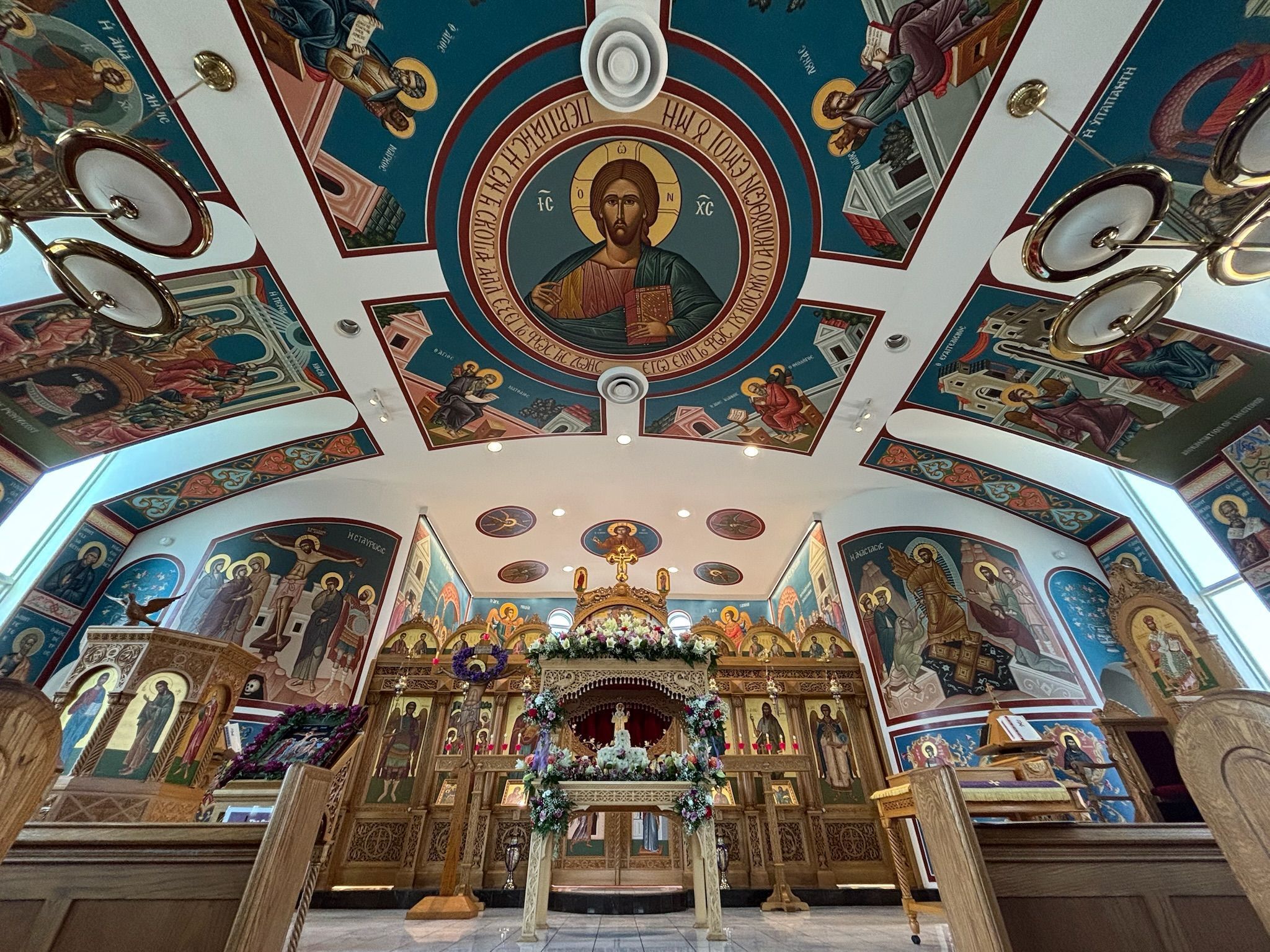
Understanding the Greek Orthodox Church of Alexandria: History, Governance, and Global Presence
The Greek Orthodox Church of Alexandria, formally known as the Greek Orthodox Patriarchate of Alexandria and All Africa, represents one of the ancient apostolic sees of Christianity. It functions as an autonomous ecclesiastical jurisdi...
The Greek Orthodox Church of Alexandria, formally known as the Greek Orthodox Patriarchate of Alexandria and All Africa, represents one of the ancient apostolic sees of Christianity. It functions as an autonomous ecclesiastical jurisdiction led by the Pope and Patriarch of Alexandria and All Africa, overseeing a vast missionary and pastoral network throughout the African continent while maintaining deep historical roots in Egypt.
Contents
Historical Foundations and Apostolic Origins
The foundation of the Church of Alexandria is traditionally attributed to Saint Mark the Evangelist, who arrived in Alexandria around the middle of the first century CE. As one of the most prominent intellectual and commercial centers of the Roman Empire, Alexandria provided a fertile environment for the spread of early Christianity. The See of Alexandria was recognized by the First Council of Nicaea in 325 CE as one of the three original patriarchal sees, alongside Rome and Antioch, establishing its prestige and canonical authority within the early Church.
Throughout the subsequent centuries, the Church faced significant theological and geopolitical challenges, including the Christological controversies following the Council of Chalcedon in 451 CE, which led to a split between the Chalcedonian (Greek) and non-Chalcedonian (Coptic) communities. Despite the shifts in imperial power, Islamic conquest, and modern political transitions, the Patriarchate has maintained a continuous, albeit historically fluctuating, presence in Egypt. In the 20th and 21st centuries, the Church underwent a significant transformation, pivoting its focus from a shrinking expatriate Greek community toward a robust missionary expansion across sub-Saharan Africa.
Canonical Status and Structure
The Greek Orthodox Church of Alexandria holds a unique position within the Eastern Orthodox Church hierarchy. It is ranked second in the diptychs—the official order of precedence—immediately following the Ecumenical Patriarchate of Constantinople. This ranking is a reflection of its apostolic antiquity.
The governing structure is centered on the Holy Synod, which is chaired by the Patriarch. The Church operates through an extensive network of archdioceses and dioceses that span the entire African continent. Unlike localized national churches, this institution is unique for its pan-continental jurisdiction. Governance is governed by the Canon Law of the Orthodox Church, and the administrative headquarters remain located in Alexandria, Egypt, serving as the symbolic and historical anchor of the Patriarchate.
Geographical Scope and Missionary Operations
In 2026, the jurisdictional reach of the Greek Orthodox Church of Alexandria encompasses all nations on the African continent. The ecclesiastical structure is divided into several metropolitan sees, each responsible for local pastoral care, the administration of parishes, and the development of social infrastructure.
The Shift Toward African Outreach
The Church has evolved from a historically Greek-speaking institution into an increasingly diverse body. While the liturgy and tradition remain firmly rooted in the Byzantine rite, a significant portion of the clergy and laity now comprises local African populations. This shift has necessitated the translation of liturgical texts into various local languages, including Swahili, Luganda, and French, to accommodate the growth of the Church in regions such as Kenya, Uganda, Tanzania, and the Democratic Republic of the Congo.
Administrative Comparison of Key Regions
The following table highlights the diversity of the Church’s reach, focusing on the administrative distribution of its pastoral efforts.
| Region | Primary Focus | Character of Ministry |
|---|---|---|
| Egypt (Alexandria) | Historical Preservation | Custodial care of ancient sites and historic parishes. |
| East Africa (Kenya/Uganda) | Missionary Expansion | Rapid growth, educational programs, and local clergy training. |
| West Africa (Cameroon/Nigeria) | Community Development | Healthcare initiatives, clean water projects, and outreach. |
| Southern Africa | Established Parishes | Serving both permanent residents and migrant populations. |
Pastoral Care, Social Work, and Education
Beyond strictly liturgical functions, the Greek Orthodox Church of Alexandria is heavily involved in humanitarian and educational work. Because many of the communities served are in developing regions, the Patriarchate operates schools, medical clinics, and vocational training centers. These facilities are often the primary point of contact between the Church and the local population, providing essential services in areas where public infrastructure may be limited.
Educational initiatives are particularly vital to the Church’s mission. The Patriarchate supports seminaries designed to train local candidates for the priesthood. By empowering local leaders, the Church ensures that the Orthodox tradition is not merely an external import, but an integrated part of the local cultural landscape. Medical missions also play a crucial role; the Church frequently collaborates with international NGOs and charitable organizations to provide supplies and staff for clinics serving impoverished areas.
Challenges and Modern Outlook
The Church faces a variety of challenges in the mid-2020s, ranging from the complexities of inter-religious dialogue in a changing geopolitical climate to the logistics of maintaining a vast, multi-national network.
Inter-Religious Relations
The Patriarchate maintains a balanced approach toward the broader Christian landscape. It remains committed to the ecumenical movement, engaging in dialogue with other Christian denominations, while simultaneously addressing the nuances of religious coexistence within predominantly Muslim or secular states across Africa.
Maintaining Historical Identity
One of the core tensions for the Church involves balancing its Hellenic heritage—evident in its architecture, liturgical language, and cultural traditions—with its current reality as a vibrant, diverse African Church. This requires sensitive administrative handling to ensure that while the traditions of the Fathers are preserved, the Church remains relevant and accessible to its modern, multicultural constituency.
Frequently Asked Questions
1. Is the Greek Orthodox Church of Alexandria the same as the Coptic Orthodox Church?
No. While both trace their history to Saint Mark, they separated in the 5th century following the Council of Chalcedon regarding the nature of Christ. The Greek Orthodox Church of Alexandria is in communion with the global Eastern Orthodox Church, while the Coptic Orthodox Church belongs to the Oriental Orthodox communion.
2. Who is the head of the Church?
The church is led by the Pope and Patriarch of Alexandria and All Africa. As of 2026, this office is held by the Patriarch of Alexandria, who serves as the primus inter pares among the bishops of the African dioceses.
3. How can I find a local parish if I am traveling in Africa?
Because of the expansive nature of the Patriarchate, it is recommended to check the official website of the Patriarchate of Alexandria. They maintain an updated directory of metropolitan sees and individual parish contact details categorized by country.
4. Does the Church offer humanitarian aid?
Yes. Through its various metropolitan sees, the Church operates numerous humanitarian projects including schools, orphanages, and medical dispensaries. These are often supported through charitable contributions and international partnerships aimed at sustainable community development.
5. Can a non-Greek join the Greek Orthodox Church of Alexandria?
Yes. The Church is universal in its mission. Membership is based on the profession of the Orthodox faith and participation in the sacramental life of the Church. It has an extensive and growing membership of various African nationalities who fully participate in the life and governance of the local dioceses.
Recommendations for Further Engagement
For those looking to understand the current activities of the Greek Orthodox Church of Alexandria, the most reliable approach is to consult the official communications issued by the Patriarchate’s press office. These updates provide the most accurate account of synodal decisions, pastoral visits, and the initiation of new charitable projects. If you are interested in supporting their humanitarian efforts, ensure you are interacting with verified official channels of the specific metropolitanate or the central Patriarchal office in Alexandria to confirm the legitimacy of donation requests or volunteer opportunities.
Image Gallery