Understanding Life Insurance Quotes for Adult Children in Indiana
Securing a life insurance quote for adult children in Indiana involves evaluating the specific insurable interest and financial goals intended for the policyholder. As of 2026, Indiana law permits parents to purchase coverage on their...
Securing a life insurance quote for adult children in Indiana involves evaluating the specific insurable interest and financial goals intended for the policyholder. As of 2026, Indiana law permits parents to purchase coverage on their adult children provided there is a clear financial dependency or insurable interest, ensuring the process remains compliant with state regulatory standards while offering long-term financial protection.
Contents
Defining Insurable Interest and Eligibility
In the insurance industry, the concept of "insurable interest" is the legal cornerstone for purchasing a policy on someone else's life. For parents seeking to insure an adult child, you must demonstrate that you would suffer a legitimate financial loss if that child were to pass away. While this is straightforward when an adult child is a minor, it requires documentation when they reach the age of majority.
In Indiana, insurers generally require the adult child to consent to the policy. Because the child is a legal adult, they are typically required to sign the application. This ensures that the policyholder is not attempting to purchase coverage without the knowledge or participation of the insured individual. If the adult child is financially dependent on the parent—for example, due to a disability or because the parent co-signed significant student loans or business debt—the justification for the policy becomes clearer to the underwriter.
Types of Life Insurance Policies Available
When requesting a quote, you will encounter two primary categories of life insurance: term life and permanent (whole or universal) life. Choosing the right one depends on your long-term objective for the adult child.
- Term Life Insurance: This provides coverage for a specific period, such as 10, 20, or 30 years. It is generally the most affordable option. Parents often use this if they have a finite period of financial risk, such as until a student loan is paid off or until the child establishes their own financial stability.
- Permanent Life Insurance: Policies like whole life insurance remain in effect for the child's entire life, provided premiums are paid. These often include a "cash value" component that grows over time. This is frequently used as a financial planning tool to help the child start their adult life with a nest egg or to lock in insurability at a younger age when premiums are lower.
Factors Influencing Your Indiana Quote
Insurance companies in Indiana use actuarial data to determine premiums. Even if the parent is paying the premium, the health and lifestyle of the adult child are the primary variables in the calculation.
- Age and Health Profile: Younger applicants generally receive lower premiums. Insurers will review the child’s medical history, including chronic conditions, surgical history, and current medications.
- Lifestyle Choices: Activities such as professional racing, skydiving, or a history of tobacco use will increase the risk profile and, consequently, the premium cost.
- Occupation: If the adult child works in a high-risk industry, insurers may apply a surcharge. Conversely, a stable professional career can sometimes positively influence the risk assessment.
- Death Benefit Amount: The total payout amount you choose will have a direct impact on the monthly or annual premium. It is essential to balance the desired coverage with what the family budget can sustain over the long term.
Comparative Table: Life Insurance Options
| Feature | Term Life Insurance | Whole Life Insurance |
|---|---|---|
| Duration | Fixed period (10–30 years) | Lifetime coverage |
| Cash Value | None | Accumulates over time |
| Premium Cost | Generally lower | Higher due to benefits |
| Primary Goal | Income replacement | Long-term asset/inheritance |
| Flexibility | Lowest (expires) | Highest (borrowing potential) |
Steps to Obtaining a Quote in Indiana
The process of obtaining a quote in 2026 is highly digitized, yet it still requires attention to detail regarding legal compliance. Follow these steps to ensure you receive an accurate and actionable quote.
1. Determine the Purpose of Coverage Before reaching out to carriers, define why you need the policy. Are you covering specific debts, or is this intended as a gift to help the child build cash value? Having a clear purpose helps you choose the correct death benefit amount.
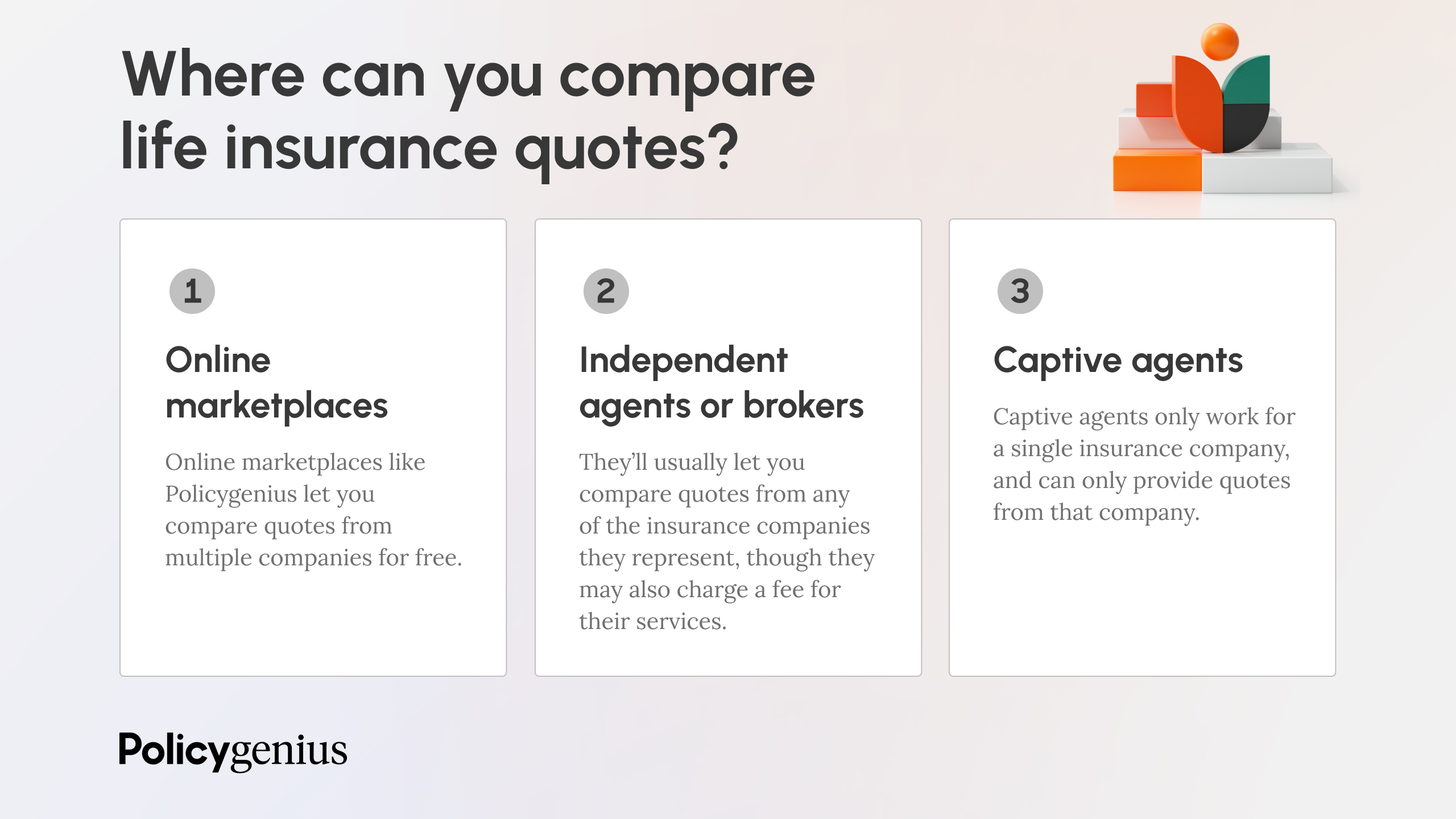
2. Engage with a Licensed Indiana Producer You can work directly with insurance companies or through an independent broker. Working with an Indiana-licensed agent is beneficial because they are familiar with state-specific regulations and can compare multiple carriers simultaneously.
3. Prepare Necessary Documentation You will need to provide the adult child’s social security number, medical history, and potentially their financial information if the policy is of a high face value. The insurer will likely require a paramedical exam, which includes blood and urine samples, to confirm the applicant’s health status.
4. Review and Sign Once the quote is generated, review the policy terms carefully. Ensure the beneficiary designation is correct. In Indiana, if the child is an adult, they may choose to be the policy owner themselves, even if the parent pays the premiums. Discuss ownership structure with a financial advisor or tax professional to understand the implications of premiums paid as gifts.
Common Pitfalls and Troubleshooting
A frequent mistake parents make is failing to update the policy as the child’s financial situation changes. If the policy was meant to cover a student loan that has since been paid off, the coverage might be excessive.
If your application is declined or offered at a "rated" (more expensive) premium due to health issues, do not immediately accept the first offer. You have the right to request a reconsideration or seek quotes from "high-risk" specialty carriers. Always ensure that the insurer you choose is authorized to conduct business in Indiana by checking the records held by the Indiana Department of Insurance.
Frequently Asked Questions
Can I buy a policy on my adult child without their knowledge? No. In almost all jurisdictions, including Indiana, the insured must be aware of the policy and must sign the application. This is a standard anti-fraud measure.
Is the death benefit taxable? Generally, death benefits paid to beneficiaries are not considered taxable income by the IRS. However, you should consult with a tax professional regarding your specific financial situation, as there are exceptions regarding estate taxes if the policy is held within a trust.
What happens if my child moves out of Indiana? Most life insurance policies are portable across state lines. If the child moves to another state, the policy remains active. You should notify the insurance carrier of the change of address to ensure you continue to receive notices and updates.
Does the policy expire when the child reaches a certain age? Term policies expire at the end of the specified term. Whole life policies typically remain in force until the death of the insured or until the policy is surrendered, provided that premiums are kept up to date.
Can I switch from term to whole life later? Many term life policies offer a "conversion privilege," which allows you to convert the policy into a permanent one without undergoing a new medical exam. Verify if your specific policy includes this feature at the time of purchase.
Professional Recommendation
Before finalizing any policy, ensure the adult child is involved in the conversation. Because they are the ones being insured, their cooperation is necessary for both the application process and any future medical underwriting. If you are using this policy as a wealth transfer tool, consult with an Indiana estate planning attorney to ensure the policy structure aligns with your broader financial goals and complies with current tax laws.
Image Gallery