Understanding Independent Life Insurance Carriers and Their Role in Financial Planning
Independent life insurance carriers—often referred to as independent insurance companies or non-captive providers—are organizations that distribute their products through third-party agents and brokers rather than exclusively through a...
Independent life insurance carriers—often referred to as independent insurance companies or non-captive providers—are organizations that distribute their products through third-party agents and brokers rather than exclusively through a salaried, "captive" sales force. By operating through independent intermediaries, these carriers allow consumers to compare various policy structures, premium tiers, and underwriting guidelines side-by-side with offerings from other companies to find a coverage solution that aligns with specific risk profiles and financial goals.
Contents
The Mechanism of Independent Distribution
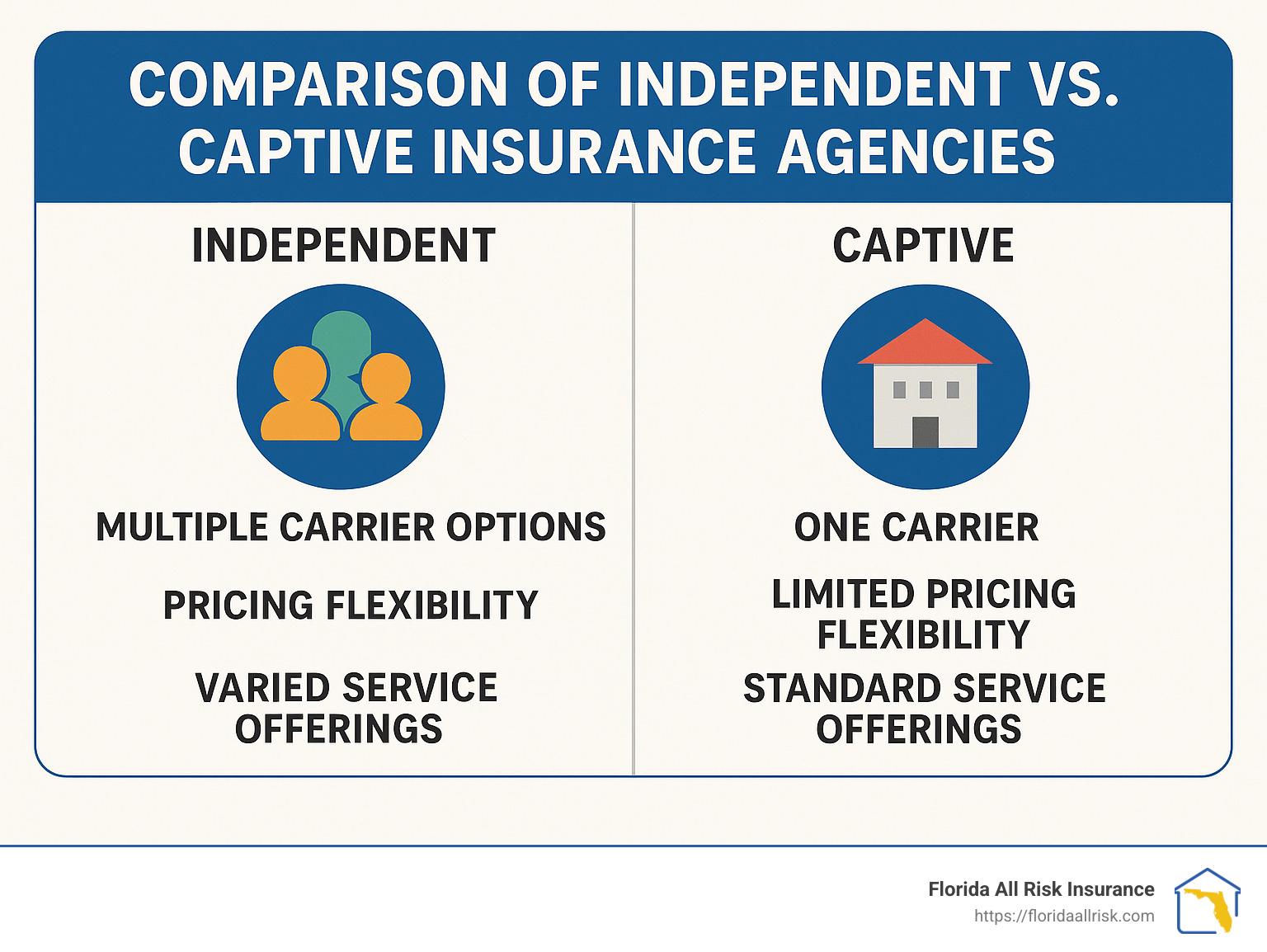
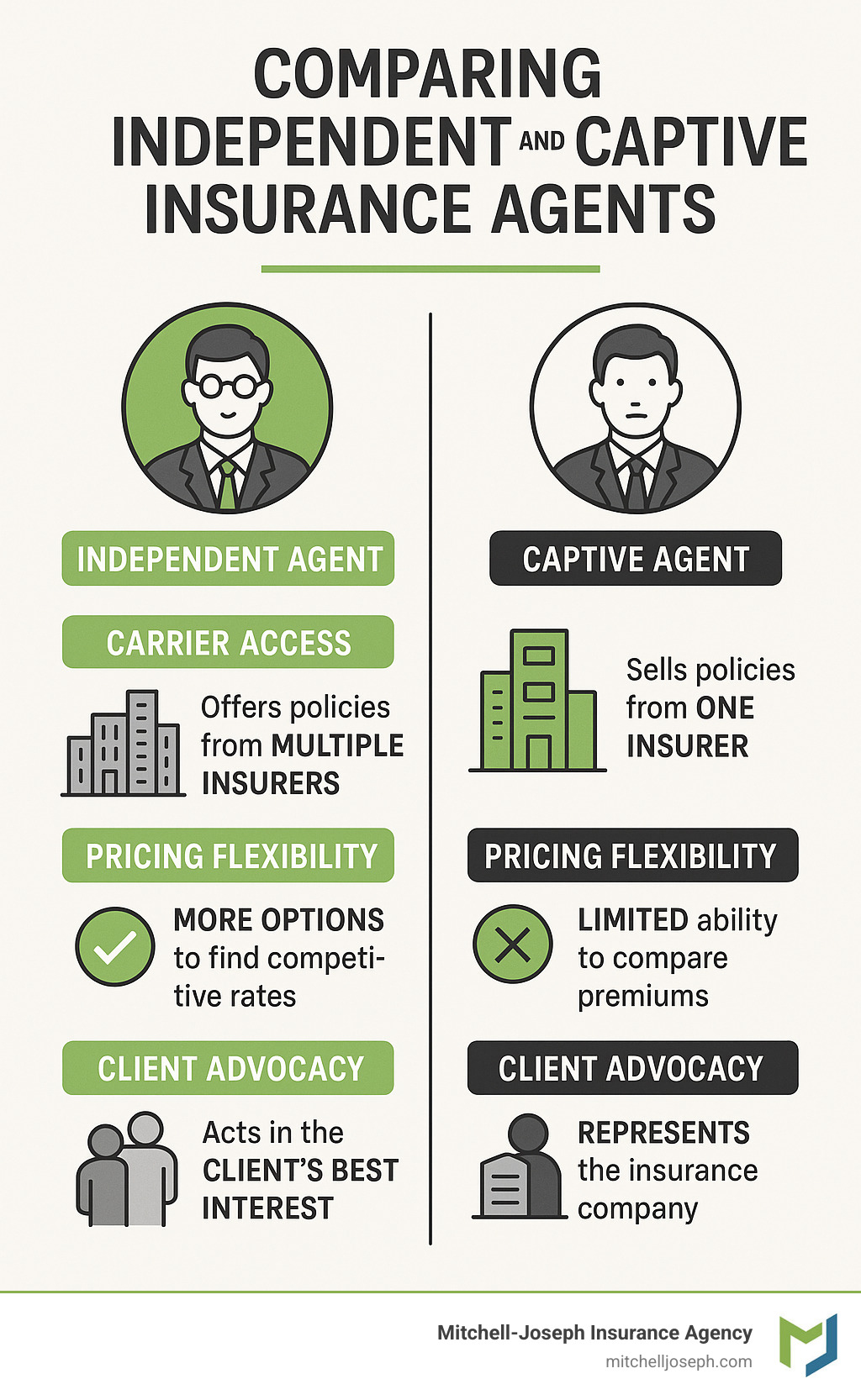
The life insurance landscape is primarily divided between captive agents and independent producers. A captive agent represents a single carrier; their product shelf is limited to the offerings of that specific organization. In contrast, an independent life insurance carrier focuses on developing robust, competitive financial products and relies on a network of independent brokers to place those products with the appropriate clients.
For a consumer, this model provides a distinct advantage: the ability to aggregate data. Because an independent broker has contracts with multiple carriers, they act as an intermediary, pulling quotes from various sources. The carrier benefits from this arrangement by gaining access to a broader market segment without the overhead costs associated with maintaining a massive, direct-to-consumer sales force. Consequently, independent carriers often invest heavily in competitive underwriting agility and diverse policy riders to distinguish themselves in a crowded marketplace.
Evaluating Independent Carriers vs. Captive Alternatives
When analyzing your coverage options, understanding the distinction between these two models is essential for effective comparison. The following table illustrates the primary operational differences that impact the consumer experience.
| Feature | Independent Carrier Model | Captive Carrier Model |
|---|---|---|
| Product Portfolio | Diverse; often specialized niches | Limited to parent company offerings |
| Distribution | Independent brokers and advisors | Salaried, company-specific agents |
| Pricing Strategy | Market-competitive based on distribution | Standardized per internal company goals |
| Underwriting Focus | Often flexible for specialized risks | Strictly follows internal guidelines |
| Advice Objective | Holistic, multi-carrier comparison | Brand-centric, singular solution |
Benefits of Selecting Independent Life Insurance Carriers
Choosing a policy from an independent carrier often yields benefits related to customization and underwriting transparency. Because these companies operate in a competitive environment where brokers frequently hold them to account, they must maintain high standards of service and product flexibility.
1. Enhanced Underwriting Flexibility
Independent carriers frequently distinguish themselves by offering more nuanced underwriting. While one major, captive-only carrier might have a "black-and-white" stance on a specific health condition, an independent carrier might utilize more granular medical criteria. This is particularly beneficial for individuals with pre-existing conditions or those in high-risk occupations who may face automatic declines at larger, rigid institutions.
2. Portfolio Diversity
Independent carriers often lead the market in product innovation. They are often the first to introduce specialized riders—such as those addressing long-term care, terminal illness, or chronic disease—because they rely on the feedback loop provided by independent brokers who hear the exact needs of the end-user.
3. Broker-Led Advocacy
When you work with a broker who represents independent carriers, you gain an advocate. If an application encounters a hiccup during the underwriting process, your broker can pivot to another carrier if the first firm's initial assessment proves unfavorable. This flexibility is rarely available when dealing with a single-source captive agent.
Prerequisites and Requirements for Coverage
Engaging with independent life insurance carriers requires a systematic approach to ensure you provide accurate financial and medical data. Regardless of the carrier’s status as "independent," the fundamental requirements for issuing a life insurance policy remain consistent across the industry in 2026.
- Medical Underwriting: You must be prepared to provide a comprehensive medical history. Depending on the face amount and your age, this may include a paramedical exam, blood work, and an attending physician statement (APS).
- Financial Documentation: For high-net-worth individuals or those applying for large death benefits, carriers require proof of "insurable interest," which may involve verifying income levels, business valuations, or estate planning documents.
- Carrier Ratings: Before settling on an independent carrier, verify their financial strength through independent rating agencies such as A.M. Best or Moody’s. A company’s independence is only valuable if they maintain the solvency required to pay out a claim decades into the future.
Steps to Securing a Policy through Independent Channels
- Assess Your Need: Define whether your primary goal is income replacement, estate tax liquidity, or cash-value accumulation.
- Engage a Broker: Select an independent insurance professional who holds appointments with multiple reputable carriers.
- Market Comparison: Request a quote comparison that includes premiums, projected cash values, and specific policy riders.
- Formal Application: Complete the application process. Your broker will coordinate the collection of medical records and the paramedical exam.
- Underwriting Review: Respond promptly to any requests for additional information from the carrier’s underwriting department.
- Policy Delivery: Once approved, review the actual policy document—not just the sales illustration—to ensure the guarantees and flexible provisions match your expectations.
Common Misconceptions and Risks
A common error is equating "independent carrier" with "smaller or less stable company." In reality, many highly rated, long-standing financial institutions utilize independent distribution as their primary business model. The risk to the consumer is not the size of the carrier, but the quality of the broker. An advisor who is not truly independent—or one who is incentivized to push a specific product regardless of your needs—can negate the inherent advantages of the independent distribution model. Always confirm that your advisor is authorized to shop the market widely rather than being tied to a specific "house" of preferred products.
Frequently Asked Questions
Are independent life insurance carriers more expensive than captive ones? Not necessarily. Pricing is determined by the carrier's mortality tables, administrative costs, and expense structure. Because independent carriers compete against a wider array of products via brokers, they are often incentivized to keep premiums highly competitive to win the broker's recommendation.
Do I pay more for using an independent broker? No. Commissions are paid by the insurance carrier to the broker as a cost of distribution. You generally pay the same premium for a policy whether you purchase it through an independent broker or directly from a company agent.
How do I verify if a carrier is truly independent? A simple way to verify this is to ask a prospective advisor which carriers they represent. If the advisor lists dozens of companies with varied brand names and distinct corporate identities, you are likely looking at an independent brokerage model.
Can I switch my policy to a different carrier later? Life insurance contracts are generally fixed at the time of issuance. However, if your health or financial needs change, an independent broker can help you evaluate "1035 exchanges" or other methods to transition your coverage to a more suitable independent carrier, subject to new underwriting.
What should I prioritize: the carrier's name or the policy's features? Prioritize the carrier's financial stability (ratings) and the specific policy guarantees. A "brand name" is less important than a carrier’s commitment to the underwriting guidelines and policy provisions that meet your specific risk profile.
Recommendation for Next Steps
If you are exploring life insurance, do not start by visiting a single company’s website. Instead, identify an independent financial advisor or insurance broker with a fiduciary-minded approach. Request a "market sweep" of potential carriers that meet your specific health profile and coverage needs. During this process, ensure you review the financial strength ratings of any recommended independent carrier to confirm long-term stability, and always read the policy prospectus in full before signing.
Image Gallery