Selecting a Reliable Solar Panel Installation Company in San Antonio, TX
Choosing the right solar panel installation company in San Antonio requires balancing technical capability, local regulatory knowledge, and long-term service reliability. As homeowners and businesses across the Alamo City look to capit...
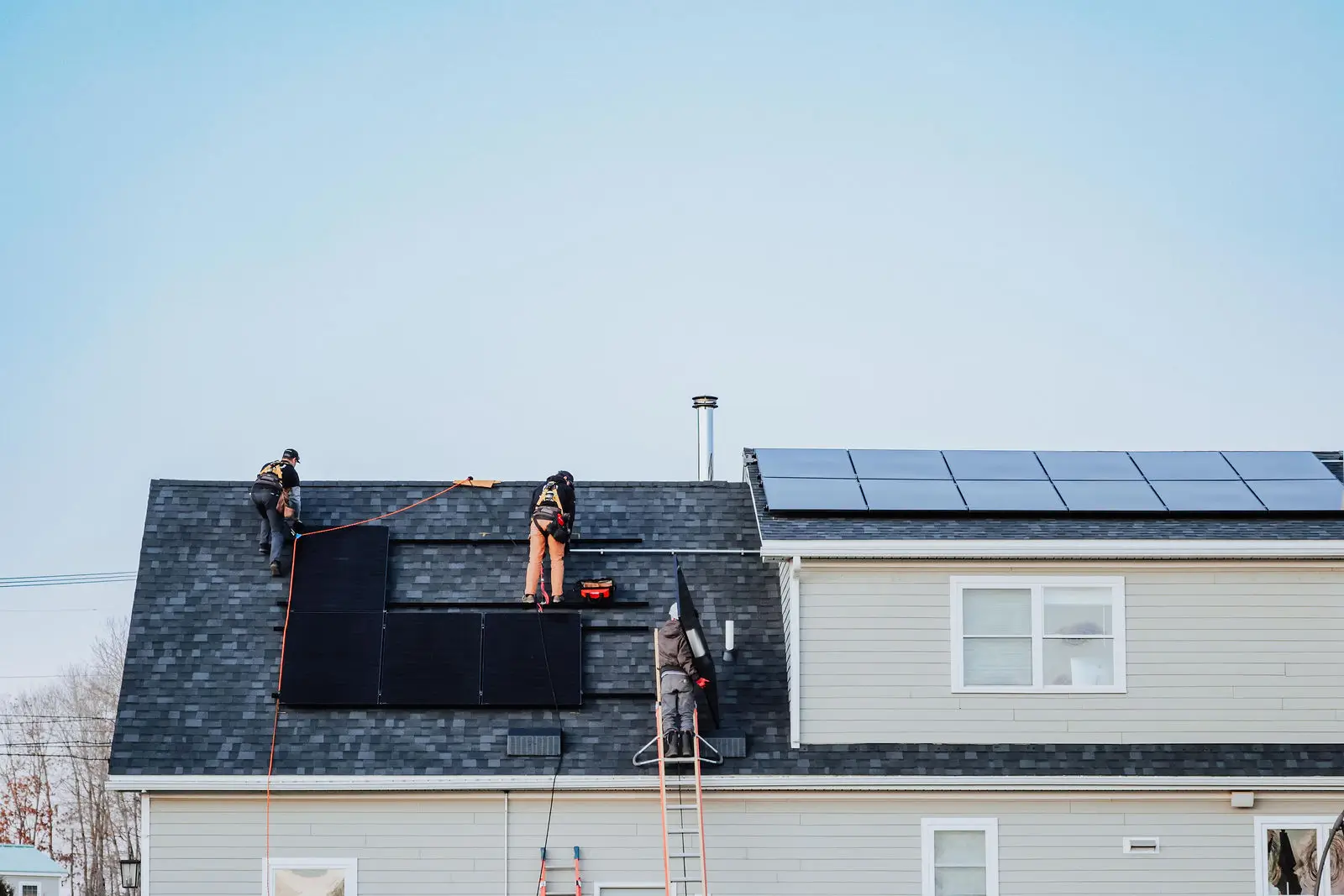
Choosing the right solar panel installation company in San Antonio requires balancing technical capability, local regulatory knowledge, and long-term service reliability. As homeowners and businesses across the Alamo City look to capitalize on the region’s high solar irradiance and municipal utility incentives, selecting a qualified installer is the most critical step in ensuring a productive and safe energy transition.
Contents
The San Antonio solar market is characterized by specific climatic considerations, such as extreme heat and the potential for hail damage, as well as unique local utility programs administered by CPS Energy. A reputable solar installer must demonstrate expertise in structural integrity, electrical code compliance, and the intricacies of grid-tied net metering agreements. By vetting potential contractors based on their licensing, local experience, and transparent cost structures, you can mitigate performance risks and maximize your return on investment.
Understanding the Local Regulatory Landscape
Solar installations in San Antonio are subject to both national electrical codes and specific municipal guidelines established by the City of San Antonio and CPS Energy. Before engaging an installation company, it is essential to understand that your project will require a series of permits and inspections.
A professional installation company serves as your primary advocate throughout this process. They are responsible for submitting the necessary interconnection agreements to CPS Energy. This utility company is one of the largest municipally owned energy providers in the United States and offers specific solar rebates and incentive programs that require strict adherence to their technical documentation standards.
When interviewing potential installers, ask how they manage the permitting workflow. An experienced firm will have a dedicated team or a standardized process for handling:
- Building Permits: Compliance with local building codes regarding roof load capacities and wind resistance.
- Electrical Permits: Adherence to the National Electrical Code (NEC) for all wiring, inverter placement, and grounding.
- Interconnection Agreements: The formal documentation required to connect your array to the municipal grid, ensuring your net metering setup is correctly recognized for billing credits.
Key Selection Criteria for Solar Contractors
Finding the right solar provider involves more than just finding the lowest quote. You must verify the company’s track record, technical competency, and post-installation support structure.
1. Licensing and Certifications
Ensure the installer holds a valid Texas electrical contractor license. While not strictly mandated for every single task, certifications from the North American Board of Certified Energy Practitioners (NABCEP) signify a high level of training and adherence to industry-best practices.
2. Experience with San Antonio Climate
San Antonio presents specific challenges, including high ambient temperatures that can reduce solar panel efficiency and frequent severe weather events such as hail. A local installer should be able to provide evidence of:
- Heat Mitigation: Use of high-quality inverters and racking systems designed to withstand South Texas heat without premature degradation.
- Hail Durability: Knowledge of the impact ratings for the solar panels they install. Most modern Tier-1 solar panels are tested to withstand standard hail, but professional installers will advise on insurance implications for extreme weather events.
3. Equipment Transparency
Reputable companies provide clear documentation on the specific hardware they intend to install. This includes the manufacturer and model number for panels, inverters, and any battery storage systems. Avoid companies that provide vague "system package" quotes without detailing the efficiency ratings, degradation rates, and warranties of the specific components being used.
Cost Considerations and Financial Incentives
The total cost of a solar installation in 2026 is influenced by system size (measured in kilowatts), the complexity of your roof architecture, and the chosen hardware. While federal tax credits provide a significant base incentive, local San Antonio residents often have access to additional programs.
| Cost Factor | Considerations |
|---|---|
| Federal Tax Credit | The Investment Tax Credit (ITC) allows for a significant percentage reduction in federal income tax liability. |
| CPS Energy Rebates | Periodic incentives offered by the municipal utility based on system capacity and installer certification levels. |
| System Complexity | High-pitch roofs, specialized materials like Spanish tile, and limited roof space can increase labor costs. |
| Battery Storage | Adding residential battery storage increases upfront costs but enhances energy independence during grid outages. |
Before signing a contract, ensure that your installer has provided a detailed breakdown of these costs. Furthermore, request an estimated "payback period." This calculation should account for your current electricity consumption rates, expected utility inflation, and the estimated annual output of the proposed array based on your specific roof orientation and shading factors.
Common Pitfalls to Avoid
The solar industry occasionally sees "fly-by-night" operators who lack long-term stability. To protect your investment, watch for these common red flags:
- High-Pressure Sales Tactics: Avoid companies that demand large, non-refundable deposits before conducting a site survey. A professional assessment of your roof and electrical panel must always precede a final contract.
- Guaranteed Performance Claims: While reputable installers can provide accurate estimates based on historical irradiance data, no company can legally guarantee a specific monthly dollar savings because utility rates and weather patterns fluctuate.
- Lack of Physical Presence: Prioritize companies with a permanent office in the San Antonio area. This ensures that if you require maintenance or warranty service in the future, you have a local team available to assist.
The Importance of the Site Survey
The most accurate solar quotes are generated only after a comprehensive site survey. During this visit, a technician will inspect your electrical service panel to determine if an upgrade is necessary to handle the solar input. They will also use tools to calculate the "Solar Access Value" of your roof, accounting for shade from trees, chimneys, and nearby structures.
Never accept an estimate based solely on satellite imagery or phone consultations. A professional contractor must verify the condition of your roof. If your roof is near the end of its lifespan, a responsible installer will recommend a roof replacement before mounting an array, as removing and reinstalling panels later is a significant and costly endeavor.
Frequently Asked Questions
How long does the solar installation process typically take? The process from initial consultation to "Permission to Operate" (PTO) generally spans several weeks to a few months. This includes the design phase, permitting with the City of San Antonio, the physical installation, and the final inspection by both the city and the utility provider.
What happens to my solar power when the grid goes down? Standard grid-tied solar systems are designed to shut down automatically during a power outage to prevent back-feeding electricity into the lines, which could endanger utility workers. If you want power during an outage, you must install a system integrated with battery storage and a compatible transfer switch.
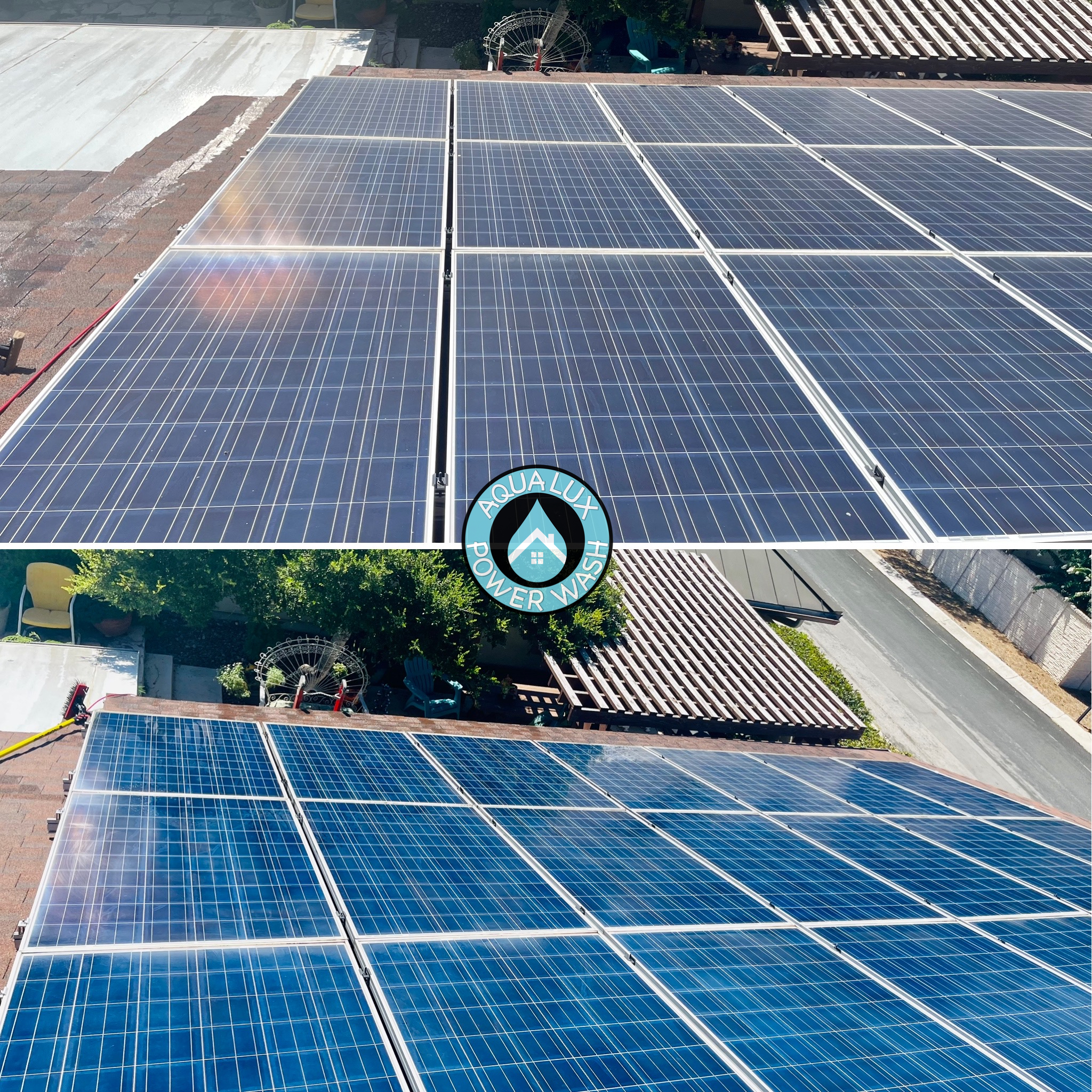
Do solar panels require regular maintenance? Solar panels are relatively low-maintenance, but in the dusty environment of San Antonio, an occasional cleaning can help maintain maximum efficiency. Most installers provide a maintenance guide and should be your first point of contact if you observe a significant drop in power production.
Can I lease my solar panels instead of buying them? Yes, leasing and Power Purchase Agreements (PPAs) are options in Texas. However, these arrangements differ significantly from ownership. Leasing usually means a third party owns the system, which can complicate home sales and may limit your ability to claim federal tax credits. Always weigh the long-term financial benefits of ownership against the lower upfront costs of leasing.
What should I look for in a solar warranty? You should evaluate both the equipment warranty (the manufacturer's guarantee on the panels and inverters) and the workmanship warranty (the installer's guarantee on the quality of the installation). Aim for workmanship warranties that cover at least 5 to 10 years to protect against roof leaks or mounting failures.
Next Steps for Homeowners
If you are ready to explore solar energy for your property, start by reviewing your electricity bills from the past 12 months to understand your energy usage patterns. Contact at least three local solar installation companies to request quotes based on a physical site visit. Compare these proposals not just by price, but by the quality of equipment, the robustness of the workmanship warranty, and the company's established presence within San Antonio. Once you select a provider, verify their license with the state and ensure they have a clear plan for managing the permitting process with CPS Energy.
Image Gallery