Understanding Car Accident Symptoms: A Guide to Recognizing Delayed Medical Issues
Car accident symptoms range from immediate, obvious injuries to subtle, delayed physiological changes that may take hours or days to manifest. Recognizing these signs—including neck stiffness, headaches, dizziness, or localized numbnes...
Car accident symptoms range from immediate, obvious injuries to subtle, delayed physiological changes that may take hours or days to manifest. Recognizing these signs—including neck stiffness, headaches, dizziness, or localized numbness—is critical for ensuring timely medical evaluation, documenting injuries for potential claims, and preventing long-term complications from hidden trauma.
Contents
The Physiology of Delayed Injury
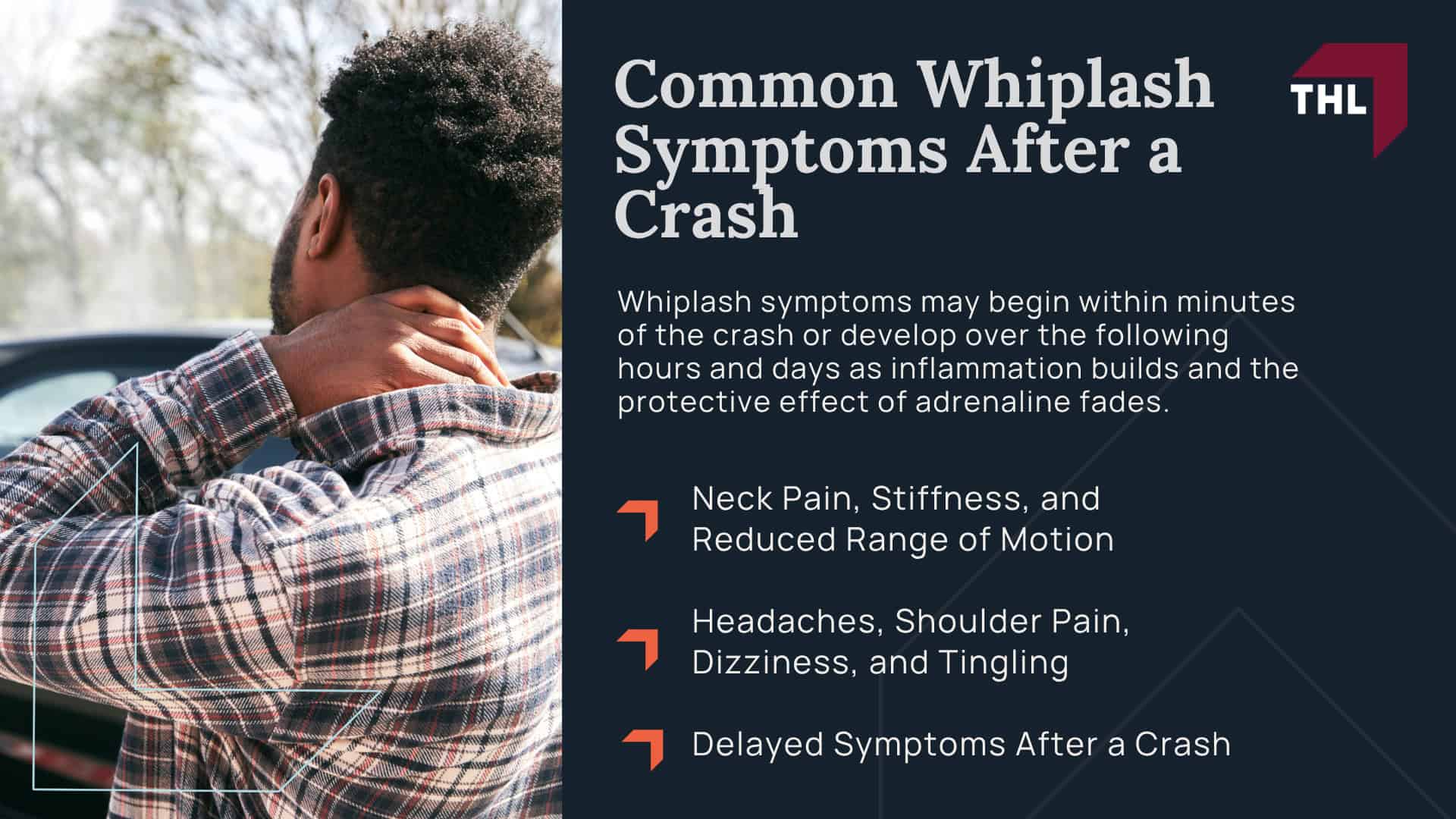
When a vehicle collision occurs, the human body is subjected to intense kinetic forces. Even at low speeds, the sudden deceleration can cause the head and torso to whip back and forth, placing immense stress on the muscles, ligaments, and nerves. Adrenaline and endorphins often mask pain immediately following an impact; the body enters a "fight or flight" state, effectively acting as a natural analgesic.
This biochemical response is the primary reason individuals often feel "fine" at the scene of an accident. As the adrenaline subsides hours or days later, inflammation, muscle spasms, and nerve compression begin to present as physical symptoms. Understanding this delay is essential; the absence of immediate pain does not equate to the absence of injury.
Common Physical Symptoms to Monitor
After a collision, monitoring your body for specific changes is vital. While bruises and lacerations are visible, internal injuries often present with subtler indicators.
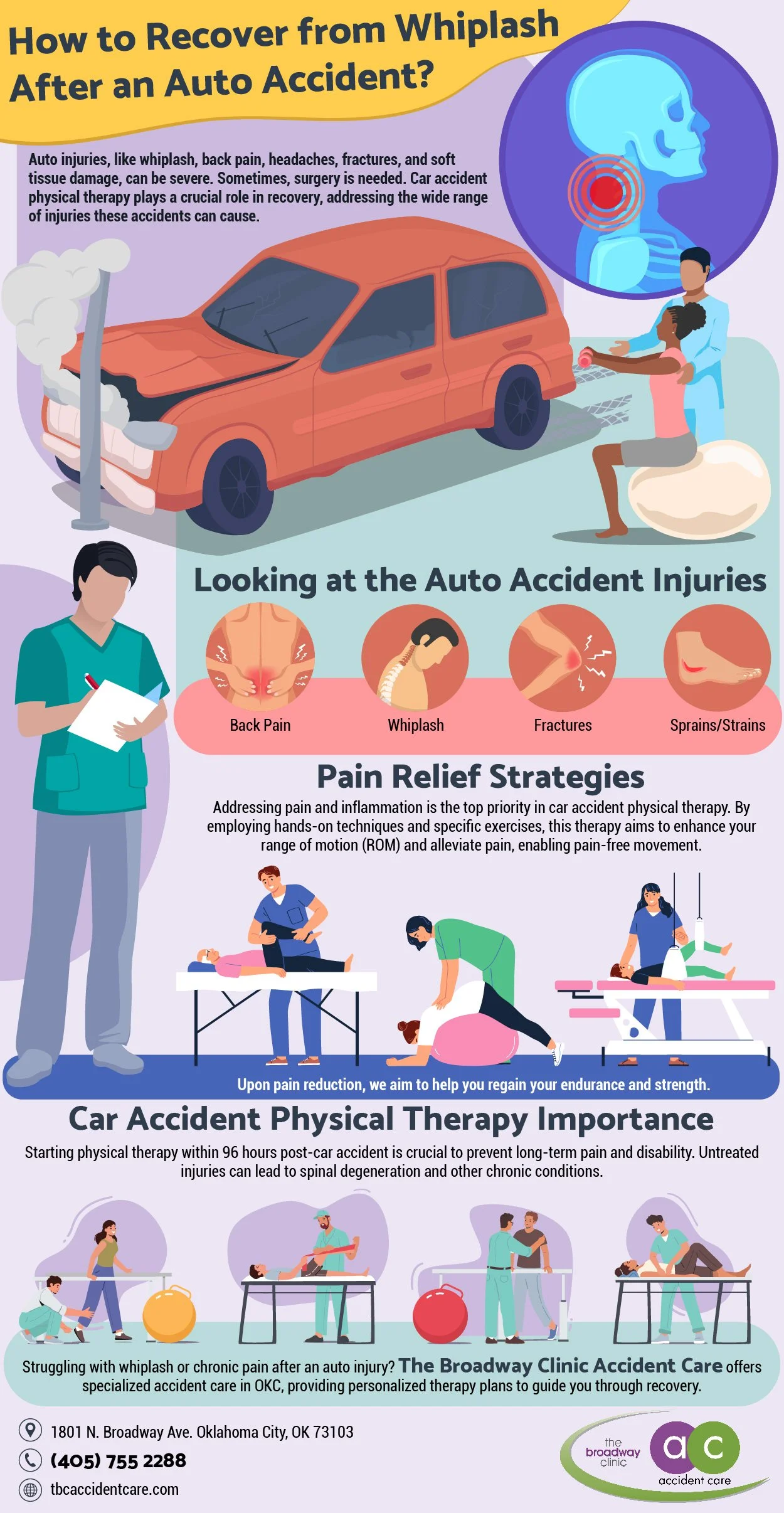
- Headaches: Often occurring at the base of the skull, these can indicate whiplash, concussion, or even a traumatic brain injury (TBI). Persistent or worsening headaches in the days following an accident require urgent professional medical assessment.
- Neck and Shoulder Pain: This is the hallmark of whiplash. Symptoms may include limited range of motion, stiffness, or sharp pain when turning the head.
- Back Pain: The lumbar spine is highly susceptible to trauma during rear-end collisions. Pain, numbness, or tingling radiating down the legs (sciatica) can signify disc herniation or nerve root impingement.
- Abdominal Pain: Pain in the stomach area, particularly if accompanied by bruising or abdominal tenderness, may indicate internal bleeding or organ trauma, which are life-threatening and require immediate emergency care.
- Dizziness and Nausea: These symptoms often signal vestibular issues or a concussion. If you experience balance problems, vertigo, or lightheadedness, these are neurological warning signs that should never be ignored.
- Numbness and Tingling: Known as paresthesia, this sensation often feels like "pins and needles" in the extremities. It is frequently caused by compressed nerves in the spine due to spinal alignment shifts.
Categorizing Symptoms by Severity
For clarity, it is helpful to distinguish between symptoms that require immediate emergency intervention and those that warrant a non-emergency but prompt clinical visit.
| Symptom Category | Examples | Required Action |
|---|---|---|
| Red Flag (Emergency) | Loss of consciousness, severe bleeding, vision loss, inability to walk, severe abdominal pain. | Call 911 or visit the nearest Emergency Department immediately. |
| Urgent (Prompt Care) | Increasing localized pain, neck stiffness, recurring headaches, sleep disturbances, numbness. | Schedule a same-day or next-day appointment with a primary care physician or urgent care. |
| Monitoring (Follow-up) | Minor bruising, mild muscle soreness, irritability, low-grade fatigue. | Monitor for 48 hours; document changes; consult a doctor if pain persists. |
The Role of Whiplash and Soft Tissue Injuries
Whiplash-associated disorders (WAD) are among the most common, yet frequently misunderstood, results of car accidents. These injuries affect the soft tissues—muscles, tendons, and ligaments—rather than the skeletal structure. Because soft tissues do not always appear on standard X-rays, patients may be told they are "fine" despite experiencing significant pain.
If soft tissue damage is suspected, medical professionals may use MRI or CT scans to identify inflammation or structural tears. If left untreated, these injuries can lead to chronic pain syndromes, myofascial pain, or long-term mobility restrictions. Seeking documentation from a medical provider early on is a vital step in ensuring these conditions are correctly diagnosed.
Psychological Symptoms and Cognitive Changes
Physical pain is only one facet of post-accident health. Many individuals experience neurological or emotional symptoms following a collision. Cognitive changes such as difficulty concentrating, memory lapses, or extreme fatigue can be early indicators of a mild TBI or concussion. Similarly, increased anxiety, post-traumatic stress symptoms, or sudden phobias regarding driving are documented psychological responses to the trauma of an accident. These symptoms are just as valid as physical injuries and should be discussed with a healthcare professional to prevent the development of chronic conditions.
The Importance of Medical Documentation
From both a health and a legal standpoint, obtaining medical documentation is a priority. Even if your injuries seem minor, a medical record serves as official proof of the timeline between the incident and the onset of symptoms.
- Seek Medical Attention Promptly: Do not wait for pain to become unbearable. A timely exam provides a baseline for your health.
- Be Explicit: When speaking with a doctor, describe every symptom, no matter how minor. Mention if your sleep is disrupted or if you are feeling uncharacteristic fatigue.
- Follow Treatment Plans: Adhering to the recommended course of care—whether it involves physical therapy, rest, or diagnostic imaging—is essential for recovery.
- Maintain Records: Keep copies of all medical bills, reports, prescriptions, and notes regarding your daily symptoms. This documentation is necessary if you intend to file an insurance claim or seek compensation for medical expenses.
FAQ: Addressing Common Concerns
How long can it take for symptoms to appear after a car accident? Symptoms can take anywhere from a few hours to several days, and in some cases, weeks to fully manifest. The "latent period" occurs as initial inflammation builds and as the body's natural adrenaline levels normalize.
What is the first thing I should do if I feel fine after an accident? Even if you feel fine, it is advisable to perform a self-assessment in a safe location. If you notice any discomfort, seek a professional medical evaluation. Many injuries, such as internal bleeding or whiplash, have no visible external indicators immediately after the event.
Why is it important to see a doctor if I only have minor soreness? Minor soreness can mask significant underlying issues. A doctor can perform a physical examination to rule out spinal cord injuries, disc issues, or internal trauma that may worsen over time if left untreated.
Can an insurance claim be filed if symptoms appear days later? Yes, but the burden of proof increases. Proving that an injury was caused by the accident rather than an intervening event is easier when there is a documented trail of medical visits shortly after the collision.
Should I go to the emergency room or my primary doctor? If you have any severe symptoms or neurological changes, go to the emergency room. If your symptoms are minor and you are stable, your primary care physician may be able to see you; however, do not delay the appointment to wait for "natural" healing.
Recommendations for Next Steps
If you have been involved in a motor vehicle accident, prioritize your physical well-being above all else. Monitor your body for any deviations from your normal state of health over the next 72 hours. Should you experience any of the symptoms detailed in this guide, contact a licensed medical professional immediately. Ensure that all symptoms, however trivial they may seem, are recorded in your medical history to support your recovery and protect your legal interests.
Disclaimer: This article is for informational purposes only and does not constitute professional medical or legal advice. Always seek the advice of a qualified healthcare provider regarding any medical condition.
Image Gallery