Crafting Professional Corporate Holiday Party Invitations
Corporate holiday party invitations serve as the first point of contact for an organization’s seasonal celebration, establishing the event's tone, formalizing attendance expectations, and ensuring essential logistics are communicated t...
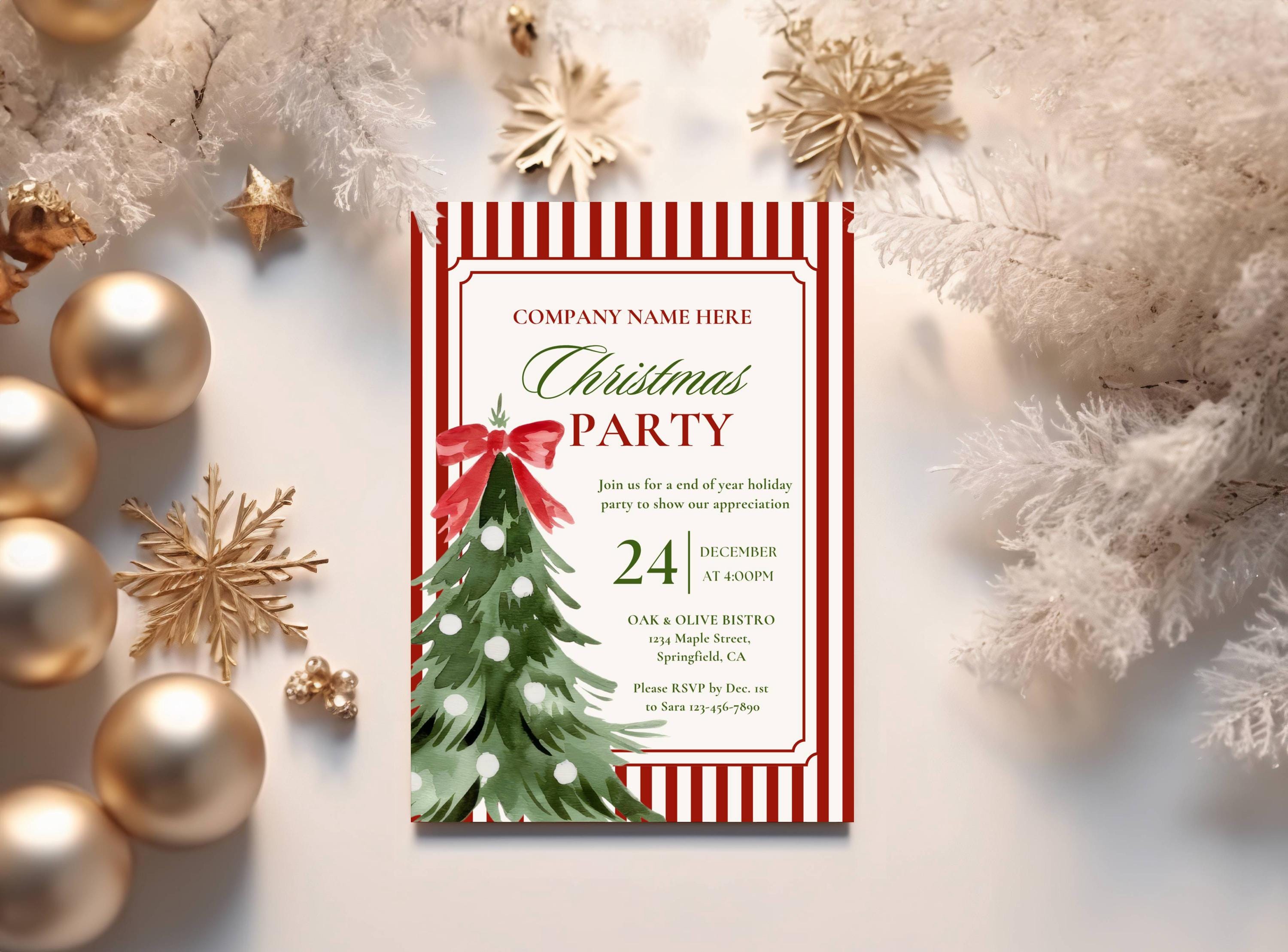
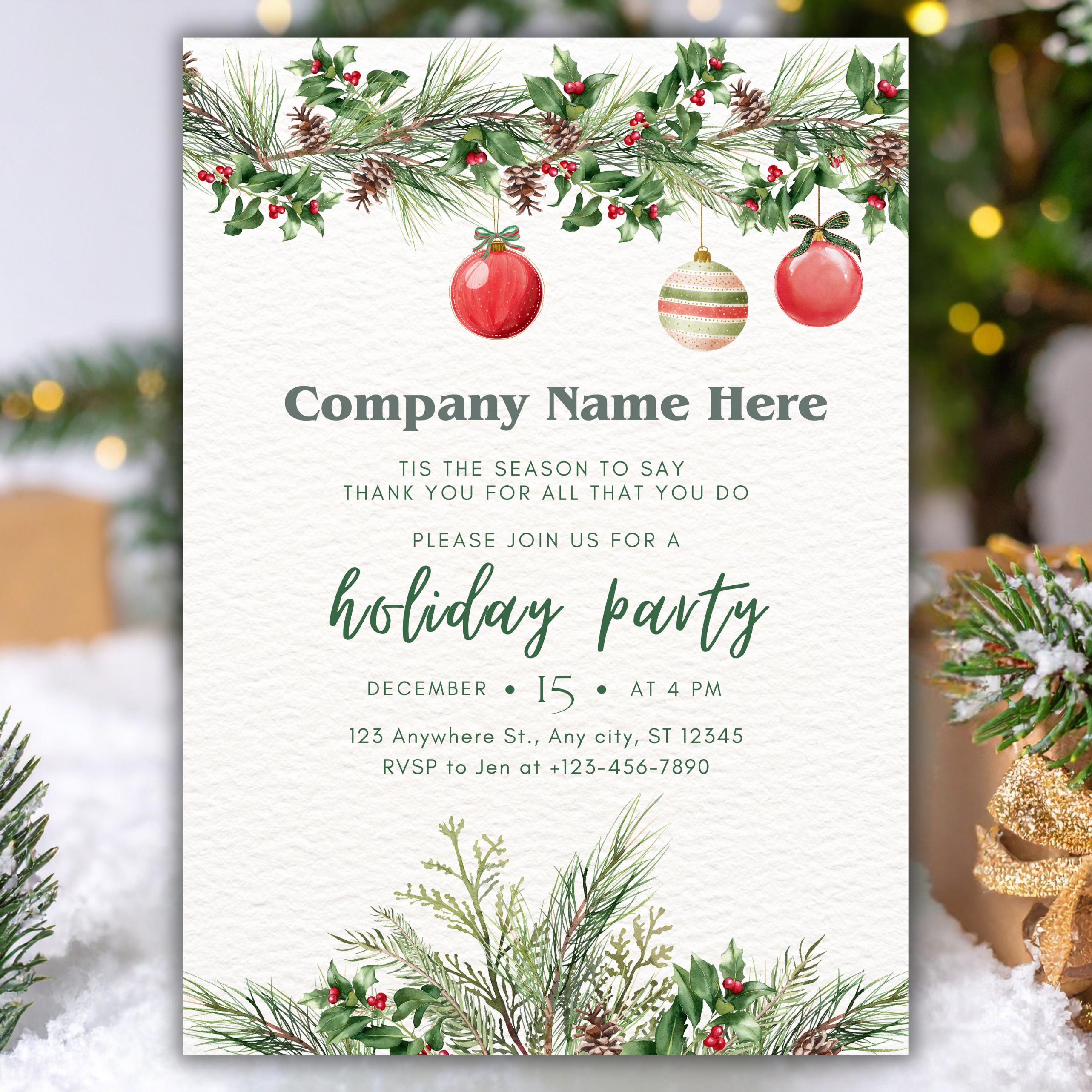
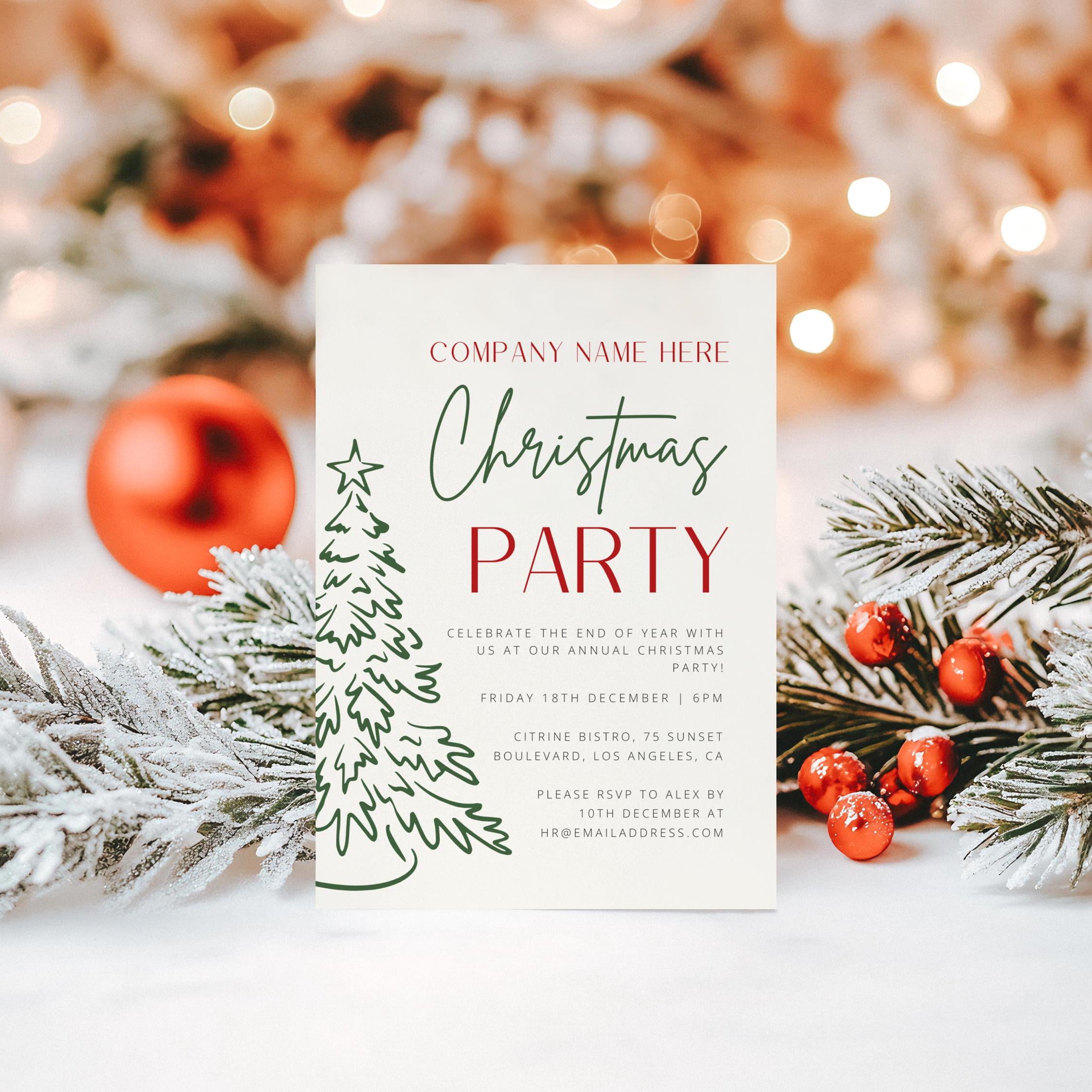
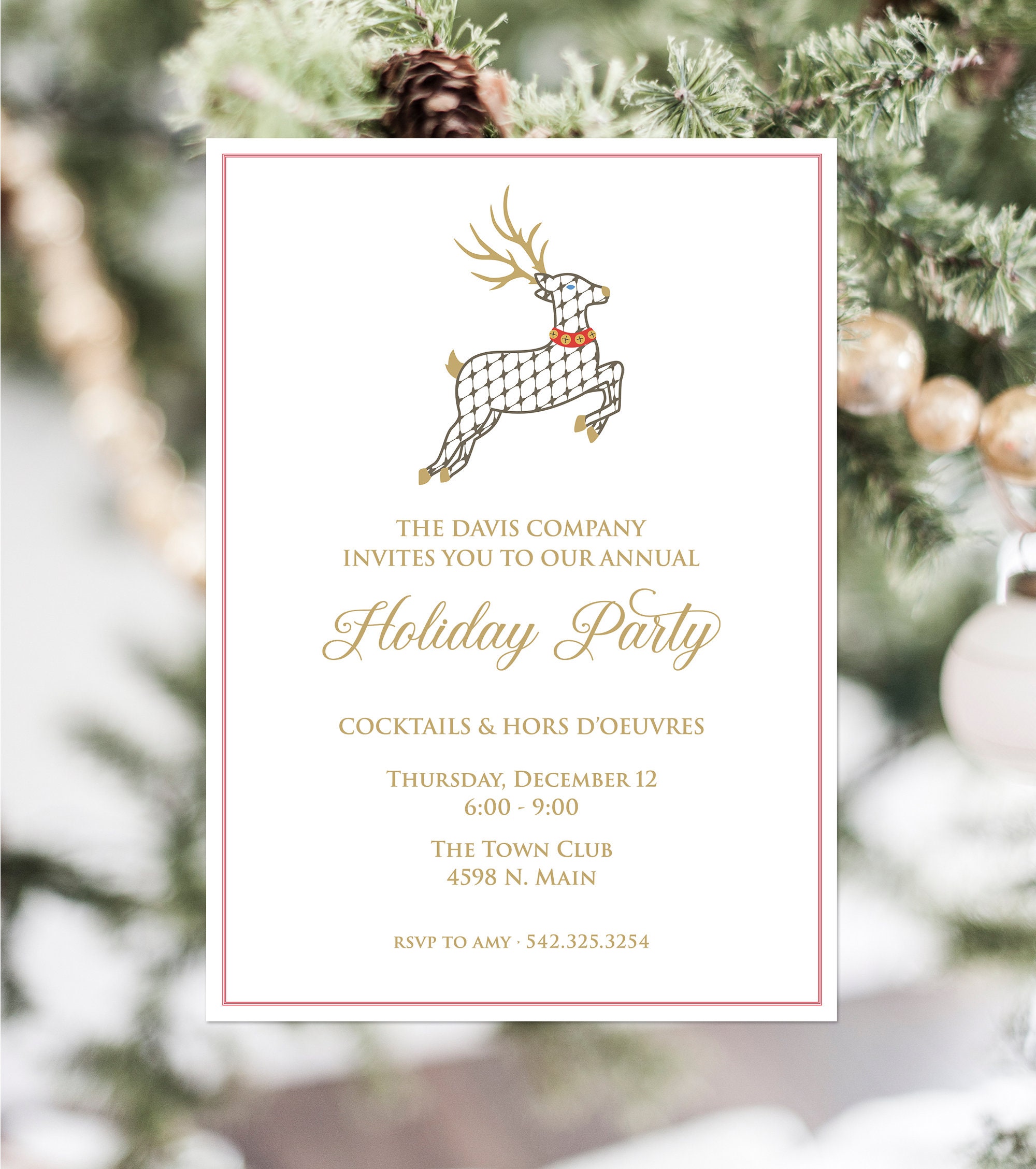
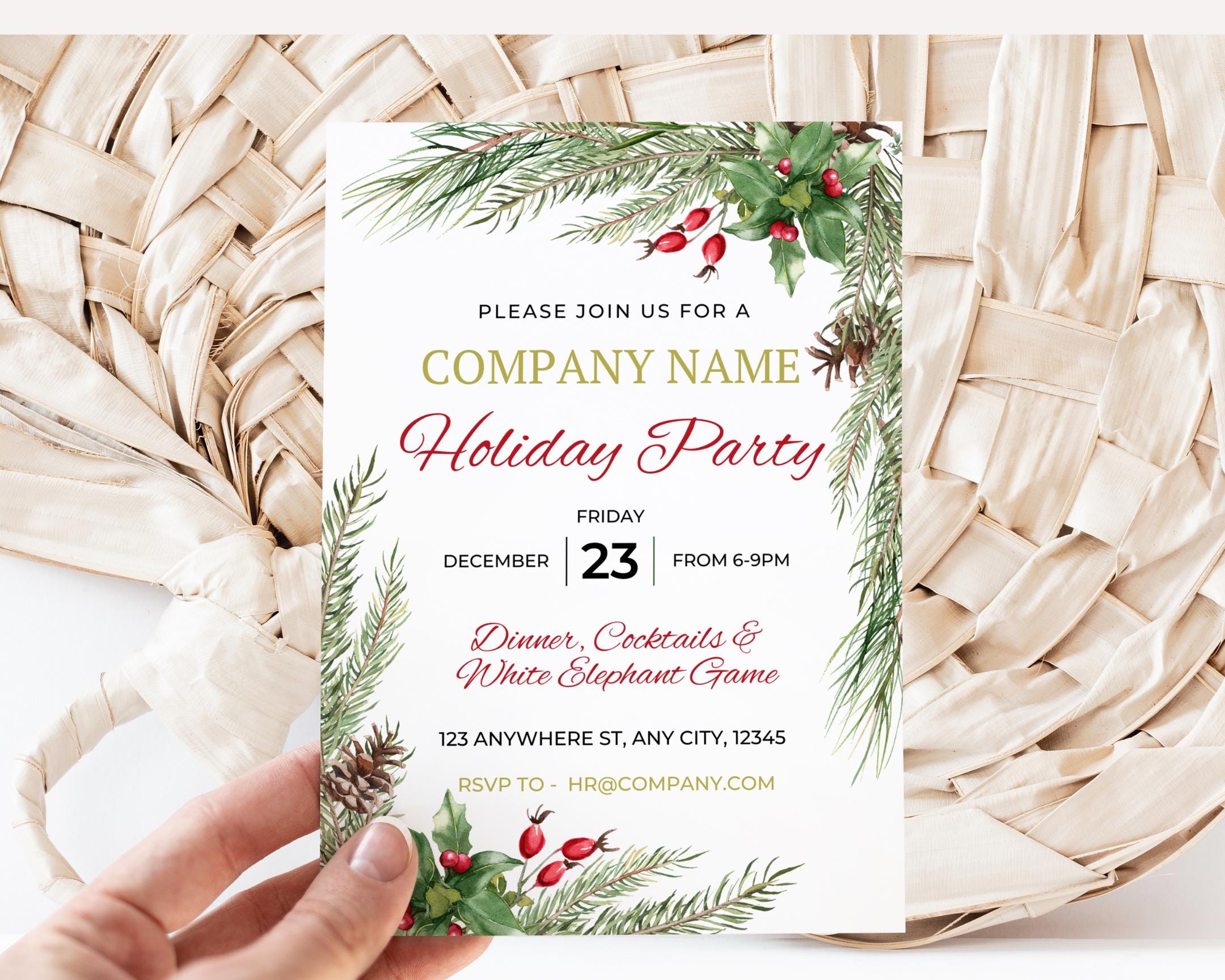
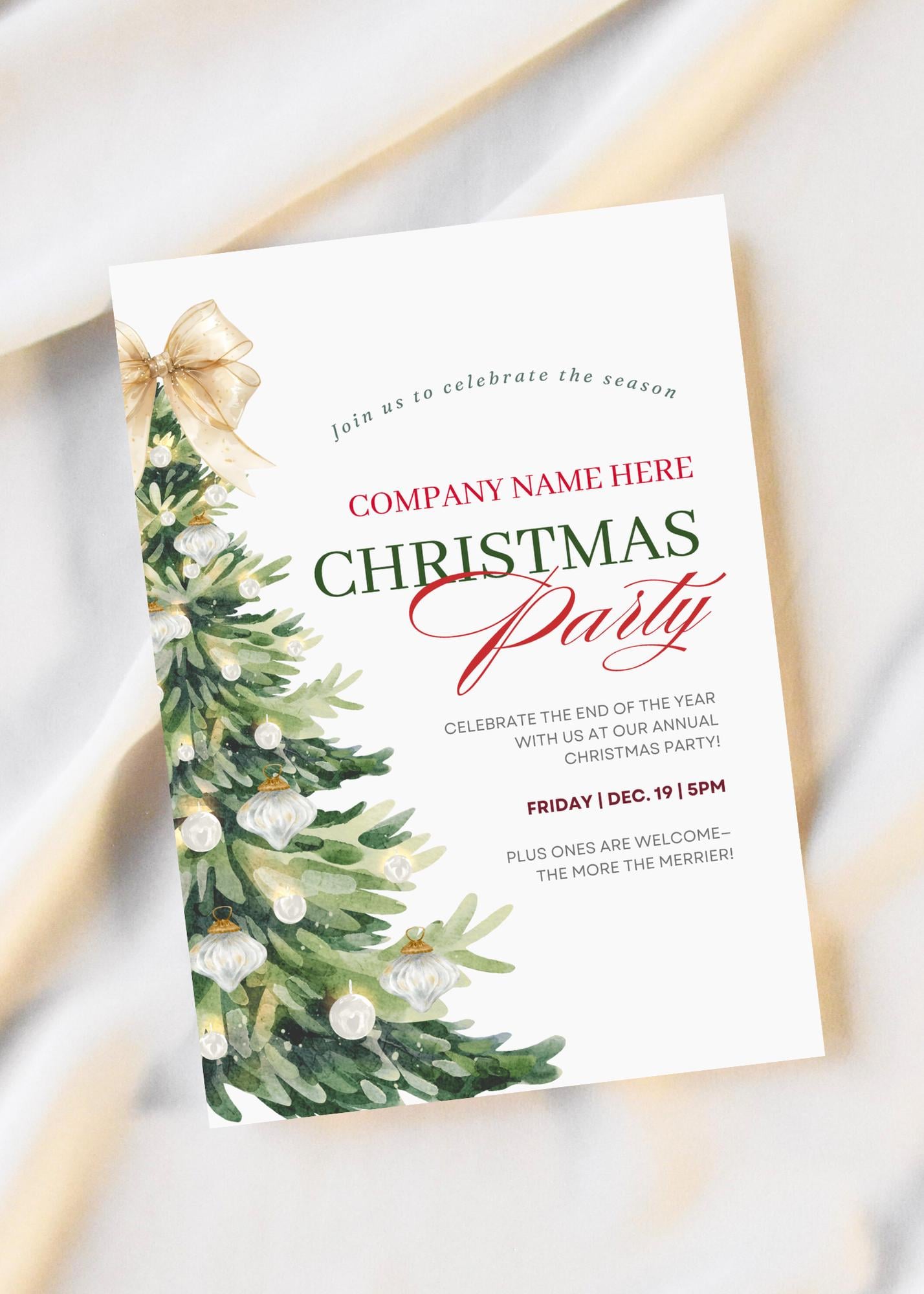
Corporate holiday party invitations serve as the first point of contact for an organization’s seasonal celebration, establishing the event's tone, formalizing attendance expectations, and ensuring essential logistics are communicated to staff and stakeholders. A well-constructed invitation balances organizational culture with clear, actionable information, effectively managing employee anticipation while minimizing administrative follow-up regarding venue, dress code, and plus-one policies.
Contents
Determining the Strategy and Tone
The success of a corporate holiday party often begins with the invitation. Before selecting a design or drafting copy, organizers must establish the event’s purpose. Is the gathering a formal black-tie gala, a casual team-building lunch, or an inclusive seasonal reception? The tone of your invitation dictates the attendees' expectations and influences overall engagement.
A formal tone is appropriate for evening events held at off-site venues, particularly when senior leadership or external partners are present. Conversely, a relaxed, festive tone works best for office-based celebrations or team outings. Regardless of the chosen style, clarity remains the primary objective. Ensure that the invitation explicitly states whether the event is for employees only, if partners are invited, or if the function is family-friendly. Ambiguity regarding guest policies is the most common cause of confusion and potential friction in corporate event management.
Essential Components of the Invitation
Every professional invitation must include specific data points to ensure smooth operations. When drafting your invitation, verify that the following elements are clearly visible:
- Host and Purpose: State clearly who is hosting the event and the specific occasion (e.g., "The Board of Directors cordially invites you to the Annual Holiday Reception").
- Date and Time: Provide the full date and the specific start and end times. If the event is a drop-in style, state this clearly to avoid overcrowding at the start.
- Location: Include the full address. If the location is a large venue or a complex, provide directions or a link to a digital map.
- RSVP Deadlines and Methods: Define a clear RSVP date. For corporate events involving catering, this deadline should be set at least two weeks before the event to allow for final headcounts and dietary adjustments.
- Dress Code: Avoid vague terms like "business casual" if possible. Provide specific guidance (e.g., "Festive Attire," "Formal," or "Smart Casual") to help employees feel comfortable.
- Dietary Accommodations: Include a prompt for guests to report food allergies or specific dietary restrictions within their RSVP.
Digital vs. Physical Invitations
In 2026, the preference between physical and digital invitations depends on the organizational structure and the desired formality. Digital invitations, typically managed through corporate event management platforms or email systems, allow for real-time tracking of RSVPs and instantaneous updates if plans change. These are highly efficient for internal-only events or distributed teams where print distribution is impractical.
Physical invitations, by contrast, offer a tactile element that can elevate the importance of a milestone event, such as a company anniversary or an executive-led gala. If choosing physical media, ensure the quality of the cardstock and the professionalism of the typography reflect the company's brand identity. Many organizations now adopt a hybrid approach: sending an initial digital "Save the Date" to secure employee calendars, followed by a formal digital or paper invitation closer to the event date.
Managing Logistics and Dietary Requirements
The "RSVP" phase is more than a headcount; it is an operational tool. Effective invitation workflows should link to a centralized system that tracks not only attendance but also specific logistical needs. If the event includes a sit-down meal, the invitation must prompt for meal preferences or allergy disclosures.
Standardizing this process prevents last-minute crises. For instance, if you are using an internal portal, ensure the database is updated to reflect whether an employee is currently on leave or if their role permits attendance during core hours. Below is a comparison table to help you determine the best communication channel for your specific event scale.
| Event Type | Ideal Invitation Method | Key Benefit |
|---|---|---|
| All-Hands Office Party | Company Intranet/Email | High visibility and instant updates. |
| Executive/Client Gala | High-Quality Printed Card | Professional impact and exclusivity. |
| Hybrid/Remote Team Event | Digital Interactive Platform | Real-time tracking and RSVP sync. |
| Casual Team Outing | Calendar Invite (Outlook/GCal) | Seamless scheduling and integration. |
Common Mistakes to Avoid
A frequent oversight in corporate invitations is failing to clarify the "+1" policy. In a corporate environment, this is not merely a social etiquette question but an expense and security issue. Always specify whether the invite is "plus one" or "employee only." If guests are permitted, confirm whether they must be of a certain age, particularly if the venue serves alcohol.
Another pitfall is the lack of accessibility information. When choosing a venue, ensure the invitation reflects any mobility accommodations or parking instructions. Failing to provide this information can inadvertently exclude team members, which contradicts the inclusive intent of a corporate holiday gathering. Finally, avoid using overly cryptic or "insider" language that might alienate new hires or staff in different departments. Maintain professional, inclusive, and inviting language throughout.
FAQ: Best Practices for Corporate Invitations
How far in advance should I send corporate holiday invitations? Aim for four to six weeks before the event date. This provides sufficient time for employees to clear their calendars and for the planning committee to finalize catering based on the responses.
Is it necessary to include an RSVP deadline? Yes. An RSVP deadline is essential for accurate budget allocation and catering orders. Without a deadline, you risk paying for unused portions or, conversely, running out of resources.
How do I handle guests with dietary restrictions professionally? Include a line on the RSVP card or the digital link stating: "Please advise of any dietary requirements by [Date]." This keeps the process professional and ensures the kitchen staff has ample time to prepare.
What is the best way to notify staff of a change in venue or time? If a change occurs, send a high-priority email notification immediately. If the event is digital, update the calendar invite directly so the change reflects on all attendees' personal calendars simultaneously.
Can I use a festive theme for a corporate invitation? Yes, but maintain brand alignment. A "festive" design is appropriate, but ensure the fonts and color schemes remain legible and professional. Avoid themes that could be perceived as controversial or exclusive.
Recommended Next Actions
To successfully execute your corporate holiday party invitations, begin by finalizing your guest list and verifying the venue's capacity. Once the logistics are confirmed, draft the copy to ensure all "Who, What, Where, When" details are accurate. If the event involves external clients or high-level stakeholders, have the invitation reviewed by both the HR department and the communications team to ensure brand consistency. Finally, choose a delivery method that allows for automated tracking, ensuring you can monitor response rates as the event date approaches.
Image Gallery