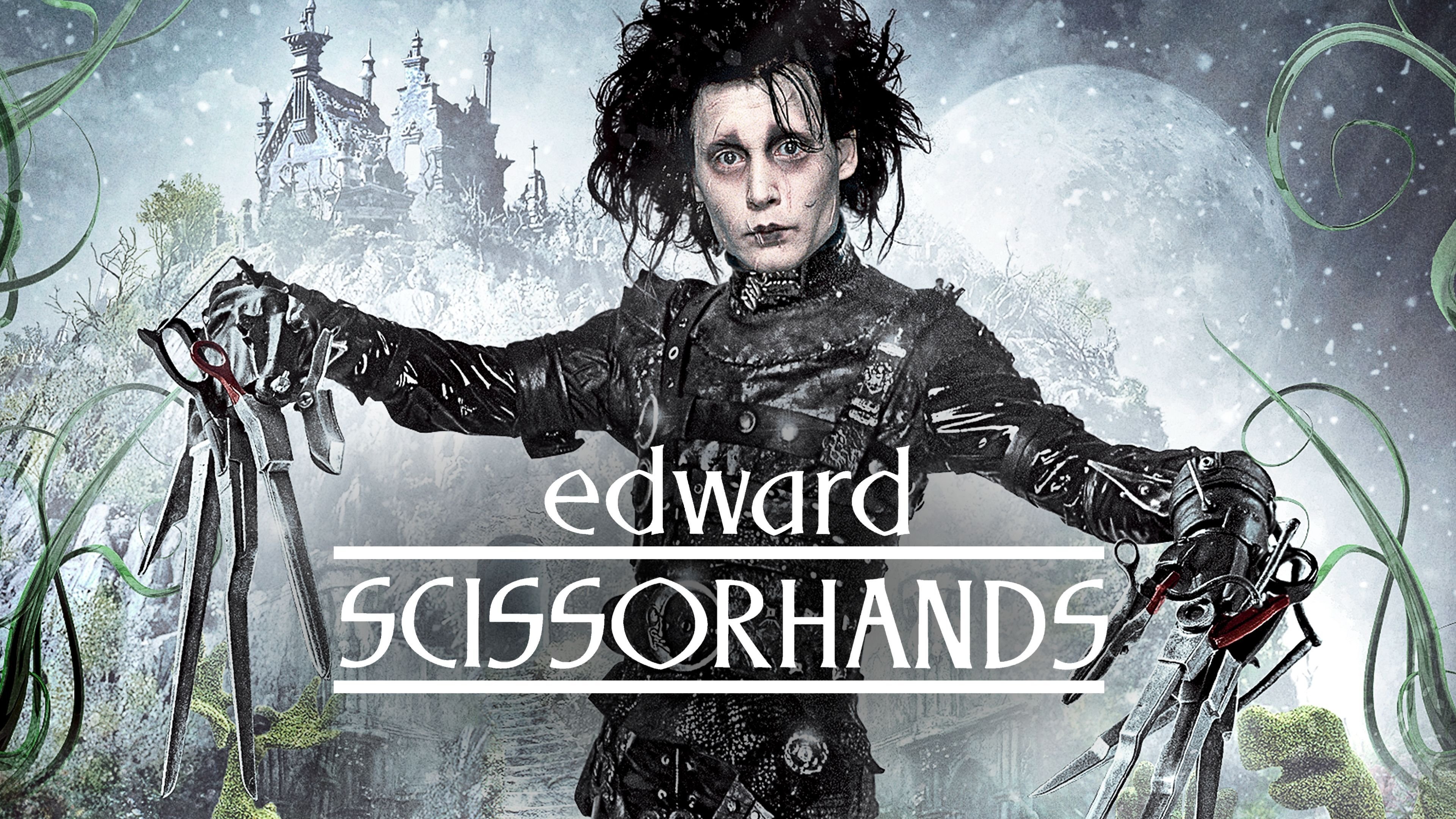
Marge and Edward Scissorhands: The Cultural Significance of Suburban Conformity in Film History
In Tim Burton’s 1990 masterpiece Edward Scissorhands, the character of Marge, portrayed by Conchata Ferrell, serves as a pivotal lens through which the audience experiences the film’s critique of American suburban life. As the quintess...
In Tim Burton’s 1990 masterpiece Edward Scissorhands, the character of Marge, portrayed by Conchata Ferrell, serves as a pivotal lens through which the audience experiences the film’s critique of American suburban life. As the quintessential neighbor and Avon saleswoman who discovers Edward, Marge represents the performative hospitality and invasive curiosity that define the film’s pastel-colored, conformist landscape. Her role is essential in transitioning Edward from his Gothic isolation into the social machinery of Suburbia, ultimately highlighting the fragility of community acceptance in the face of the "other."
Contents
The Architectural and Social Context of Suburbia
To understand Marge’s role, one must first examine the environment she inhabits. Burton constructed a hyper-stylized version of a late 1950s/early 1960s suburb, characterized by monotonous pastel-painted homes, rigid lawns, and an obsession with neighborly approval. In film history, this setting functions as an antagonistic force. It is not merely a backdrop; it is a character that enforces homogeneity.
Marge acts as the primary scout for this community. When she travels up to the desolate mansion on the hill, she is the first to bridge the divide between the two worlds. Her introduction of Edward to the neighborhood is driven by a mix of genuine curiosity, a desire for social capital, and the thrill of novelty. In the narrative arc of the film, Marge is the catalyst for the "social experiment" that is Edward’s integration. She represents the demographic that thrives on gossip and the "new and improved" nature of consumer culture, marking her as the face of the suburban status quo.
Marge as the Avon Saleswoman: The Intersection of Commerce and Social Ritual
The specific occupation of Marge as an Avon lady is a masterstroke of characterization. In 1990, when the film was released, the brand served as a recognizable archetype of door-to-door solicitation, built entirely on the concept of intimacy turned into commerce. Marge doesn't just sell makeup; she sells social entry. By bringing Edward into her home, she isn't acting out of altruism alone; she is creating an opportunity to elevate her standing among her peers.
Her character arc highlights a critical tension in cinema history: the struggle between the outsider (Edward) and the established collective. Marge is the bridge, but she is also the first to turn against him when the social tides shift. Her behavior toward Edward follows a predictable trajectory:
- Curiosity: The initial discovery of a "project" to fix or integrate.
- Acceptance: Integrating him into the social fold to gain status.
- Alienation: Turning against the outsider as soon as he threatens the stability of the collective aesthetic.
Comparative Analysis: The Suburbs in Film
Edward Scissorhands occupies a unique space in cinematic history, echoing the dark satire of Blue Velvet (1986) while softening it with the aesthetic sensibilities of a dark fairy tale. Below is a comparison of how Marge’s archetype—the Suburban Gatekeeper—functions across similar cinematic representations.
| Feature | Marge (Edward Scissorhands) | The Archetype (General Satire) |
|---|---|---|
| Primary Motivation | Social Status / Novelty | Preservation of Status Quo |
| View of Outsider | A project to be "improved" | A threat to be neutralized |
| Method of Control | Gossip and social pressure | Exclusion and ostracization |
| Role in Narrative | The catalyst for integration | The force of expulsion |
This table illustrates that Marge is not merely a comic relief character; she is the manifestation of the "Suburban Machine." While Edward represents pure, unvarnished creativity and vulnerability, Marge represents the filtered, artificial structure that defines success in the suburban dream.
The Dynamics of Conformity and the Role of the Neighbor
Throughout the film, the neighborhood functions as a hive mind. Marge is the queen bee who dictates the acceptability of the neighbors’ behavior. When she invites Edward in, she is testing the waters of communal approval. The tragedy of the character is her complete lack of individual agency; she genuinely believes that by masking her face with makeup—a metaphor for hiding the "real" behind a surface-level product—she is doing the right thing.
This echoes broader themes in American film history regarding the "facade of perfection." By placing Edward in the home, Marge attempts to teach him the rituals of the suburb: how to dress, how to act, and how to "fit in." However, because Edward is incapable of masking his true nature (the blades), the tension becomes inevitable. Marge’s eventual recoil represents the moment when the suburban society realizes that it cannot "sell" or "fix" the authentic, and therefore must destroy it.
Evolution of the "Suburban Critic" Role
In the history of cinema, the "nosy neighbor" trope has evolved from a comedic device into a sociological critique. In the 1950s, characters like Marge were often portrayed as pillars of the community. By the late 80s and early 90s, filmmakers like Tim Burton began recontextualizing them as villains of conformity.
Marge is a pivotal example of this shift. She is not a mustache-twirling antagonist; she is far more dangerous because she is relatable. She is the neighbor who believes her scrutiny is a form of care. This complexity is what makes Edward Scissorhands a staple in film studies classes today. It forces the audience to reconcile their own desire for community with the stifling pressure to be "normal."
Frequently Asked Questions
1. Why is Marge's role as an Avon saleswoman significant to the plot? It establishes her as a purveyor of "masks." The film’s core theme is the contrast between the surface-level perfection of the suburbs and the internal beauty of Edward. Marge’s business is literally to help people look like someone else, which directly opposes Edward’s inability to hide his true form.
2. Is Marge considered a villain in Edward Scissorhands? Marge is not an overt villain, but she functions as a structural antagonist. Her actions are dictated by the collective fear of the neighborhood. She represents the "banality of evil"—the idea that ordinary people can perpetuate harm simply by prioritizing social conformity over human empathy.
3. How does Marge represent 1990s commentary on the 1950s? The film uses the 1950s aesthetic to comment on the cyclical nature of American obsession with conformity. By casting the era as a "pastel nightmare," Burton uses characters like Marge to show that the obsession with image over substance is a recurring issue in suburban life, regardless of the decade.
4. Does Marge change her opinion of Edward by the film’s end? Marge follows the neighborhood's drift toward hostility. As Edward becomes a source of confusion and later a perceived threat, Marge’s initial fascination curdles into fear. She reflects the collective behavior of the community, ultimately participating in the scapegoating of Edward that forces his retreat back to the mansion.
Recommendations for Further Study
For those interested in exploring the cinematic depiction of the American suburbs, it is recommended to view Edward Scissorhands alongside films such as David Lynch’s Blue Velvet and Sam Mendes’s American Beauty. Analyzing the "Marge" archetype provides a deeper understanding of how directors use supporting characters to frame the sociopolitical commentary of their works. To truly appreciate the nuance of this character, observe how she utilizes body language—specifically her performative "helpful" expressions—compared to the static, unmasked expressions of Edward.
Image Gallery