A Comprehensive Guide to Maui Produce for Travelers: What You Need to Know
Travelers visiting Maui often overlook the island’s rich agricultural landscape, focusing instead on resort menus or supermarket staples. However, understanding Maui’s produce—from seasonal availability and local sourcing to the strict...
Travelers visiting Maui often overlook the island’s rich agricultural landscape, focusing instead on resort menus or supermarket staples. However, understanding Maui’s produce—from seasonal availability and local sourcing to the strict biosecurity regulations governing the export of fruits—is essential for any visitor wanting to experience the island’s authentic culinary culture responsibly and legally.
Contents
Understanding the Maui Agricultural Landscape
Maui’s climate, ranging from tropical coastal zones to cool, elevated upcountry regions, creates a unique microclimate mosaic that supports a vast array of produce. Unlike mainland grocery stores where seasonal distinctions are flattened by long-distance shipping, Maui’s markets reflect the true cycle of the land.
For the traveler, this means that "local" has a specific meaning. It refers to crops grown within the islands, often on small family farms that have operated for generations. When you choose Maui-grown produce, you are supporting a local economy that balances tourism with land preservation. However, it is vital to distinguish between what you can consume on-island and what you are permitted to transport.
Navigating Biosecurity and Agricultural Regulations
One of the most critical aspects of Maui produce for travelers is the Hawaii Department of Agriculture (HDOA) strict biosecurity policy. Because Hawaii is an isolated ecosystem, it is highly vulnerable to invasive species, such as fruit flies and other agricultural pests that can devastate local crops.
If you purchase fresh fruits or vegetables on Maui, you are generally prohibited from taking them back to the mainland United States. The United States Department of Agriculture (USDA) mandates that all outgoing luggage and carry-on items be inspected at the airport.
- Prohibited items: Most fresh, raw fruits and vegetables are restricted unless they have been pre-cleared or specifically inspected and certified by an agricultural officer.
- The Inspection Process: You will go through an agricultural screening before leaving Maui. If you are found with non-permitted produce, it will be confiscated, and you could face fines.
- Certified Exemptions: Some commercially packaged products, such as frozen produce or items treated with heat or cold to eliminate pests, may be cleared. Always look for the "USDA Inspected" or HDOA certification stamp on packaging.
Seasonal Availability of Maui Produce
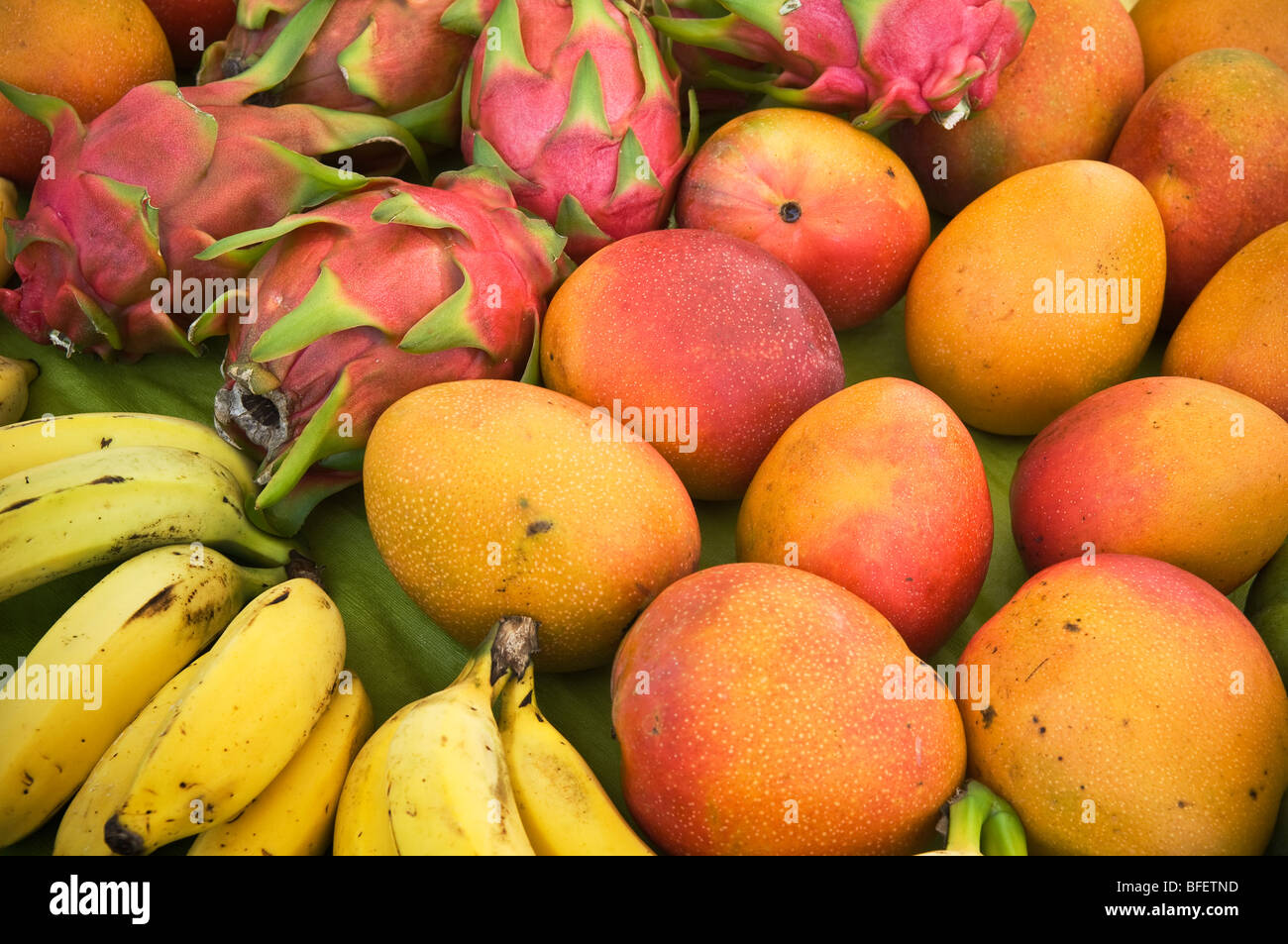
To get the most out of your visit, align your culinary expectations with the island's seasonal output. While some items like bananas and papayas are available year-round due to the stable tropical temperatures, others are strictly seasonal.
| Produce Category | Seasonal Highlights | Best Time to Find |
|---|---|---|
| Tropical Fruits | Mango, Lychee, Longan | June – August |
| Vegetables | Maui Onions, Upcountry Greens | Year-round |
| Citrus | Oranges, Lilikoi (Passion Fruit) | Winter – Spring |
| Root Crops | Taro (Kalo), Sweet Potato | Year-round |
The Maui Onion is perhaps the most famous local specialty. Known for its mild, sweet flavor, it thrives in the volcanic soil of the Kula region. Travelers often seek these out at local farmers' markets; they are best consumed fresh and should not be confused with standard yellow or white onions found in mainland chain stores.
Where to Source Genuine Local Produce
For the highest quality, avoid standard supermarkets and visit local farmers' markets. These venues offer not only fresher produce but also the chance to speak with the farmers themselves.
- Upcountry Farmers’ Markets: Located in regions like Kula and Makawao, these markets offer the freshest bounty, including strawberries, kale, and the aforementioned Maui onions.
- Roadside Stands: Along the Road to Hana, you will find small, self-service honor-system stands. While convenient, keep in mind that these are small operations; carry small denominations of cash, as digital payment is rarely available.
- Local Grocery Cooperatives: Look for labels that explicitly state "Grown in Hawaii." Many larger retailers on Maui now have dedicated sections for local farmers, which helps ensure your money stays within the local agricultural sector.
Tips for Responsible Consumption
- Wash Thoroughly: Even organic produce should be washed. Hawaii’s tropical environment can lead to a presence of environmental spores or surface bacteria that differ from what travelers encounter on the mainland.
- Respect the "Kapu" (Taboo) Zones: Some areas of Maui are private property or culturally protected agricultural sites. Never wander into orchards or farm fields unless they are clearly marked as public-access or part of an organized farm tour.
- Avoid Over-buying: Since you cannot take produce home, purchase only what you can consume during your stay. This prevents unnecessary food waste and aligns with the island’s sustainability goals.
Frequently Asked Questions
Can I mail Maui produce to my home on the mainland? Generally, no. The same USDA and HDOA regulations that apply to your luggage apply to mail. Any fruit or vegetable sent must be inspected and certified. Most commercial shippers will refuse to carry uncertified agricultural products, and attempting to hide produce in shipping can lead to federal legal issues.
Are farmers' markets open every day? No. Most Maui farmers' markets operate on specific days and times. Check the Maui News or local community bulletins upon arrival to confirm current schedules, as these can change due to weather or community events.
What is the best way to identify local versus imported produce? Look for the "Hawaii Seal of Quality" on packaging. This program ensures that the product is not only grown in Hawaii but meets high standards for consistency and quality. When buying loose produce at a market, don’t hesitate to ask the vendor, "Is this grown on Maui?"
Should I worry about pesticides on local produce? Like any agricultural region, Maui has a range of farming practices. If you are concerned about chemical use, prioritize produce labeled "certified organic" at farmers' markets. Hawaii’s Department of Agriculture maintains strict oversight on pesticide application for commercial growers, but small-scale farmers may not always have the resources for formal certification.
Are tropical fruits available in winter? Yes, but the variety changes. While summer is the peak for mangoes and lychee, winter brings citrus, dragon fruit, and mountain apples. You will find that the diversity of produce is one of the island's most compelling features, regardless of when you visit.
Next Steps for Your Visit
If you are planning a trip, designate time in your itinerary to visit at least one farmers’ market in the Upcountry or North Shore regions. Prioritize tasting varieties that are difficult to ship, such as tree-ripened apple bananas or fresh lilikoi. By understanding these regulations and seasonal patterns, you ensure your culinary exploration of Maui is both enjoyable and supportive of the local agricultural community. Always verify the status of agricultural transit at the airport if you choose to bring back processed, shelf-stable food items, as these are often subject to different, more lenient regulations than raw produce.
Image Gallery