A Comprehensive Guide to Choosing Appropriate Footwear for Safe Work
Choosing appropriate footwear for safe work requires a systematic assessment of workplace hazards, environmental conditions, and individual biomechanical needs to ensure compliance with occupational health and safety standards. Beyond...
Choosing appropriate footwear for safe work requires a systematic assessment of workplace hazards, environmental conditions, and individual biomechanical needs to ensure compliance with occupational health and safety standards. Beyond basic comfort, protective footwear acts as a critical line of defense against crush injuries, punctures, electrical hazards, and slips, requiring selection based on documented site-specific risk assessments rather than aesthetic preference.
Contents
Understanding the Risk Assessment Process
Before selecting any pair of work boots or shoes, a formal risk assessment of the specific environment must be conducted. Employers and employees should identify potential dangers that footwear must mitigate. This involves analyzing the floor surfaces (which may be oily, wet, or uneven), the presence of heavy machinery or falling objects, the risk of sharp debris, and exposure to extreme temperatures or hazardous chemicals.
The primary goal is to match the shoe’s protective features—such as toe protection, puncture resistance, and dielectric insulation—to the hazards identified. Relying on general-purpose footwear in specialized environments is a leading cause of workplace injury. Always consult your organization’s health and safety guidelines or the relevant regulatory body in your jurisdiction, such as the Occupational Safety and Health Administration (OSHA) in the United States, which outlines specific requirements for personal protective equipment (PPE) under 29 CFR 1910.136.
Core Protective Classifications
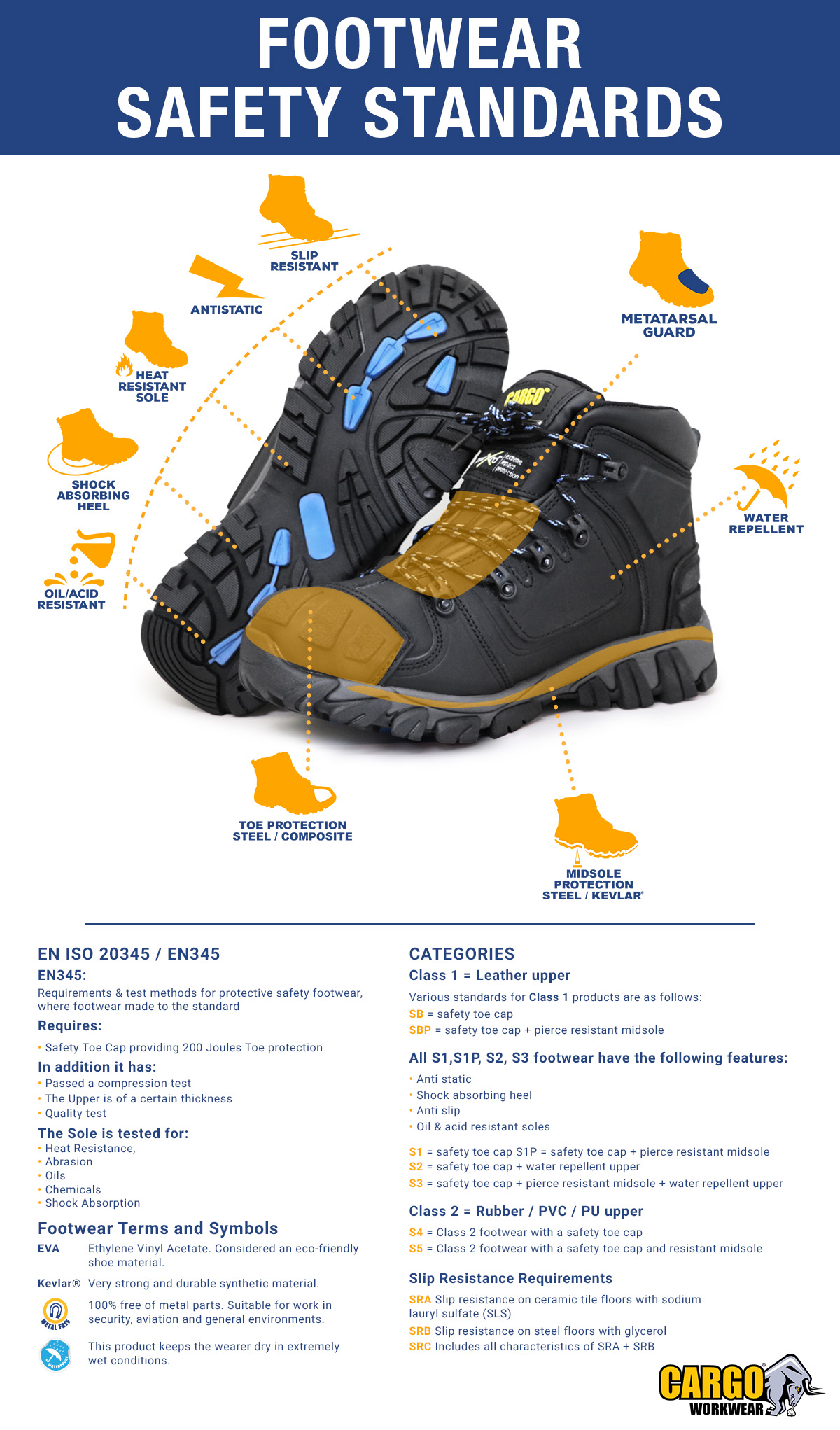
Modern safety footwear is categorized by specific certifications that define the level of protection provided. These standards ensure that the materials used in the footwear, from the toe cap to the midsole, meet rigorous durability and impact requirements.
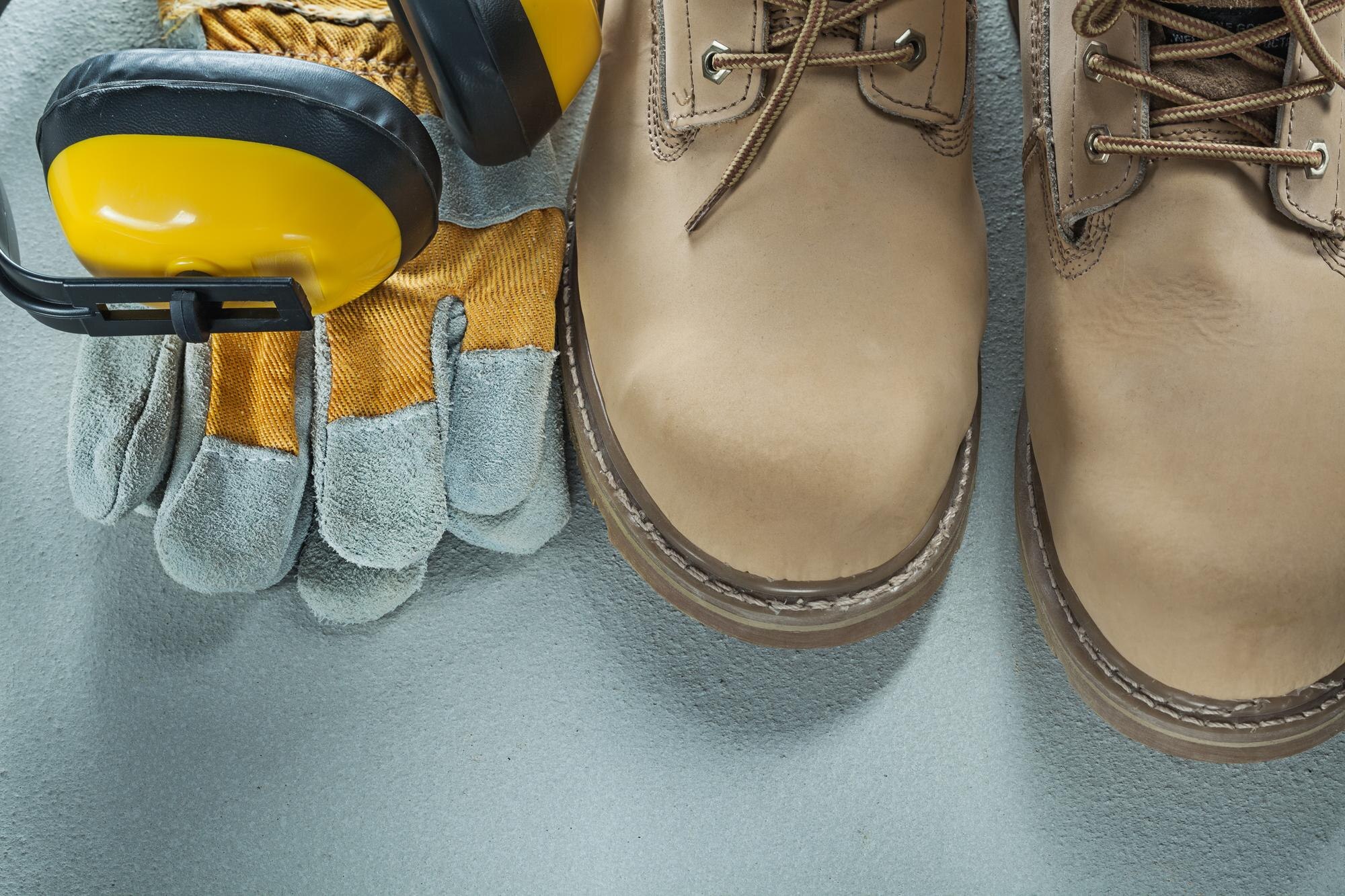
- Toe Protection: Often referred to as "steel-toed," modern options include alloy or composite materials. These are designed to protect against impact and compression. Composite toes are often preferred in environments where non-conductive, lightweight, or metal-detector-friendly footwear is required.
- Puncture Resistance: Essential for construction and waste management, these boots feature a midsole plate—typically steel or woven puncture-resistant fabric—that prevents sharp objects like nails or shards of metal from penetrating the sole.
- Electrical Hazard (EH) Rated: These boots are manufactured with non-conductive, electrical-shock-resistant soles and heels. They are designed to provide a secondary source of protection against accidental contact with live electrical circuits.
- Static Dissipative (SD) Footwear: In environments where sensitive electronic components are manufactured or handled, SD footwear is designed to reduce the buildup of static electricity on the wearer, thereby protecting both the employee and the equipment.
Material Selection: Leather, Synthetic, and Specialized Options
The construction material of the footwear dictates its longevity and performance in specific conditions. Leather remains the industry standard for durability, offering a balance of breathability and resistance to wear and tear. Synthetic materials, such as microfiber or advanced polymers, often offer better resistance to chemical spills and are generally lighter, which can reduce fatigue during long shifts.
Waterproofing is another critical consideration. In outdoor or wet indoor environments, footwear utilizing proprietary breathable membranes (such as Gore-Tex or similar technologies) ensures that feet remain dry, which prevents skin irritation and long-term discomfort. Conversely, in hot environments, look for highly breathable mesh linings to facilitate airflow and moisture management.
The Role of Outsole Design and Traction
The outsole is the primary interface between the worker and the ground, making it a critical safety component. Traction technology has evolved significantly by 2026, with advanced rubber compounds and tread patterns designed to channel away liquids, oils, and sludge.
When evaluating traction, consider the following:
- Slip Resistance: Look for footwear that meets recognized slip-resistance standards. This is measured by the coefficient of friction on various surfaces.
- Tread Depth: Deep lugs provide better grip on uneven terrain or mud, while shallow, flatter patterns are more effective on smooth, high-friction indoor surfaces like warehouse concrete floors.
- Stability Features: High-cut boots provide additional ankle support, which is vital in environments with uneven walking surfaces where the risk of twisting an ankle is high.
Table: Comparison of Protective Footwear Features
| Feature | Primary Hazard Mitigated | Recommended Industry/Task |
|---|---|---|
| Steel Toe Cap | Heavy impact, falling objects | Heavy manufacturing, construction |
| Composite Toe | Compression, electrical hazards | Airport security, electrical work |
| Puncture-Resistant Midsole | Sharp debris, nails | Waste management, demolition |
| EH (Electrical Hazard) Rated | Electrical shock | Utility work, industrial maintenance |
| Slip-Resistant Outsole | Falls on wet/oily floors | Food service, chemical processing |
| Metatarsal Guard | Impact to the top of the foot | Mining, heavy equipment operation |
Fitting and Ergonomics
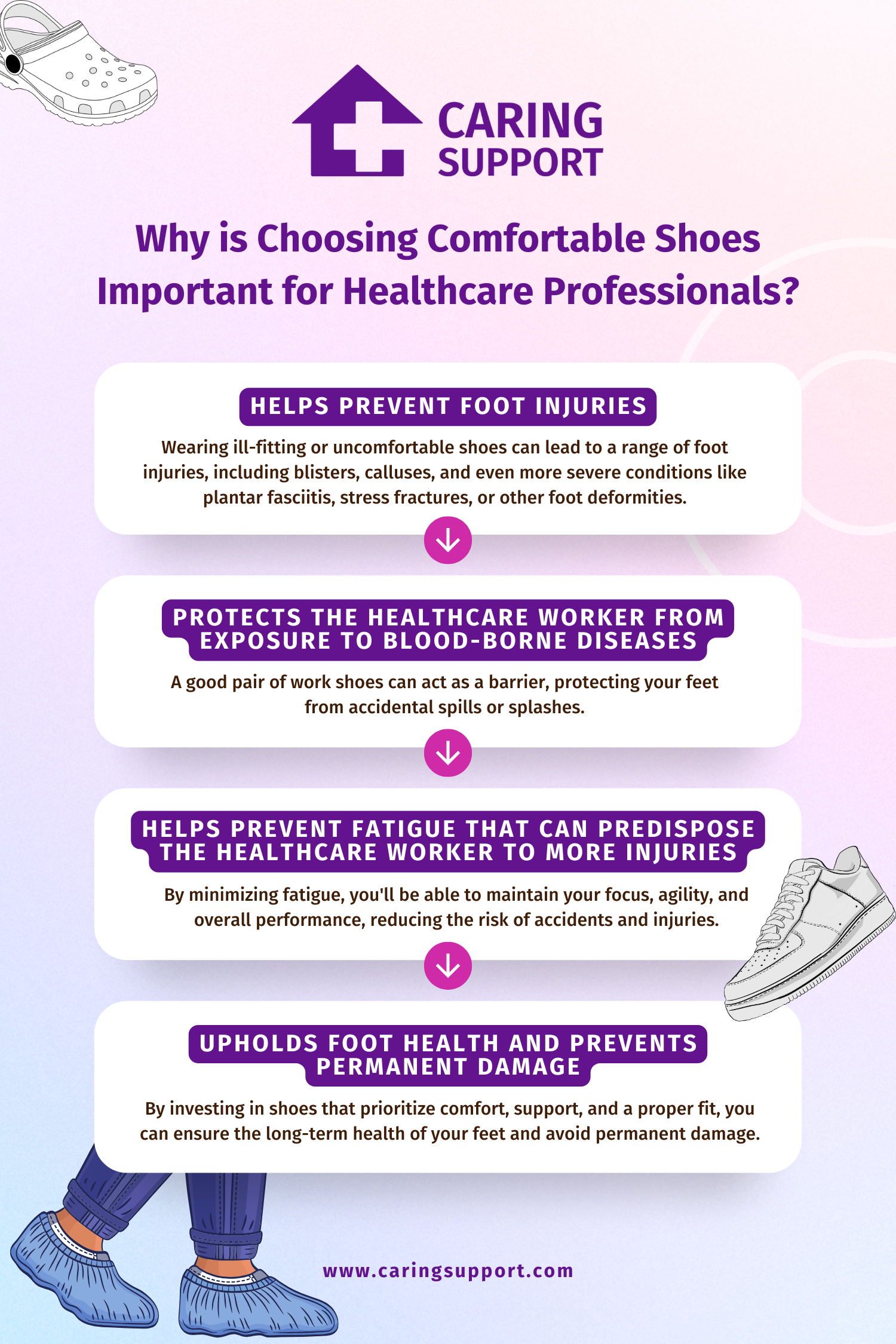
Safety footwear that does not fit correctly is ineffective and can cause debilitating foot conditions. A proper fit should allow for the natural expansion of the foot throughout the day. It is generally advised to shop for work footwear later in the day when the feet are at their largest.
Ensure there is adequate "toe box" clearance—the area where the toes reside—to prevent cramping or impact with the protective toe cap. Arch support is equally critical for workers who spend the majority of their shift standing or walking. If a shoe is compliant but lacks adequate support, the use of high-quality orthotic insoles can often resolve the discrepancy without compromising safety integrity.
Troubleshooting Common Footwear Issues
Even with the best equipment, problems can arise. If you experience persistent blistering or arch pain, evaluate the socks being worn. Moisture-wicking, synthetic, or wool-blend socks are significantly more effective at preventing friction-related injuries than 100% cotton socks.
If the footwear begins to lose its protective capability—indicated by worn-out treads, exposed steel caps, or structural tears in the upper—it must be replaced immediately. In many industrial environments, companies provide a stipend or replacement schedule for footwear every 12 to 24 months. Documenting the purchase date and usage intensity is a best practice to ensure you remain within the functional lifespan of the product.
Frequently Asked Questions
1. How do I know if my shoes meet current safety standards? Check the interior label or tongue of the shoe. It should display the relevant certification codes, such as ASTM F2413 in the United States, which confirms the footwear has been tested for impact, compression, and electrical hazards.
2. Is there a difference between "steel toe" and "safety toe"? Yes. "Steel toe" specifically refers to a metal cap. "Safety toe" is a broader term that encompasses steel, alloy, and composite caps. The protection level is often the same, but the weight and heat conductivity differ.
3. How often should I replace my work boots? There is no hard rule, but generally, if the treads are worn flat, the leather is cracked, or the structural integrity of the safety cap is compromised, replace them. Daily wearers often replace boots annually to maintain comfort and safety.
4. Can I use aftermarket insoles in my safety shoes? Usually, yes, provided they do not significantly alter the fit or lift the foot in a way that interferes with the protective toe cap’s coverage area. Consult your manufacturer’s guidelines.
5. What is the most important factor when choosing work footwear? The specific hazard of your environment is the most important factor. Never compromise on safety features for the sake of price or weight.
Final Recommendation
The most reliable method for choosing appropriate footwear is to audit your specific work tasks against the protective ratings of available safety gear. Start by reviewing your company’s internal safety policy, as many organizations mandate specific certifications. If you are self-employed or responsible for your own gear, prioritize footwear that carries clear, verified certifications from recognized standards bodies. Always verify that the model you choose is rated for the most common—and the most dangerous—hazards you encounter on a daily basis.
Image Gallery