Understanding When Life Insurance Proceeds Are Taxed
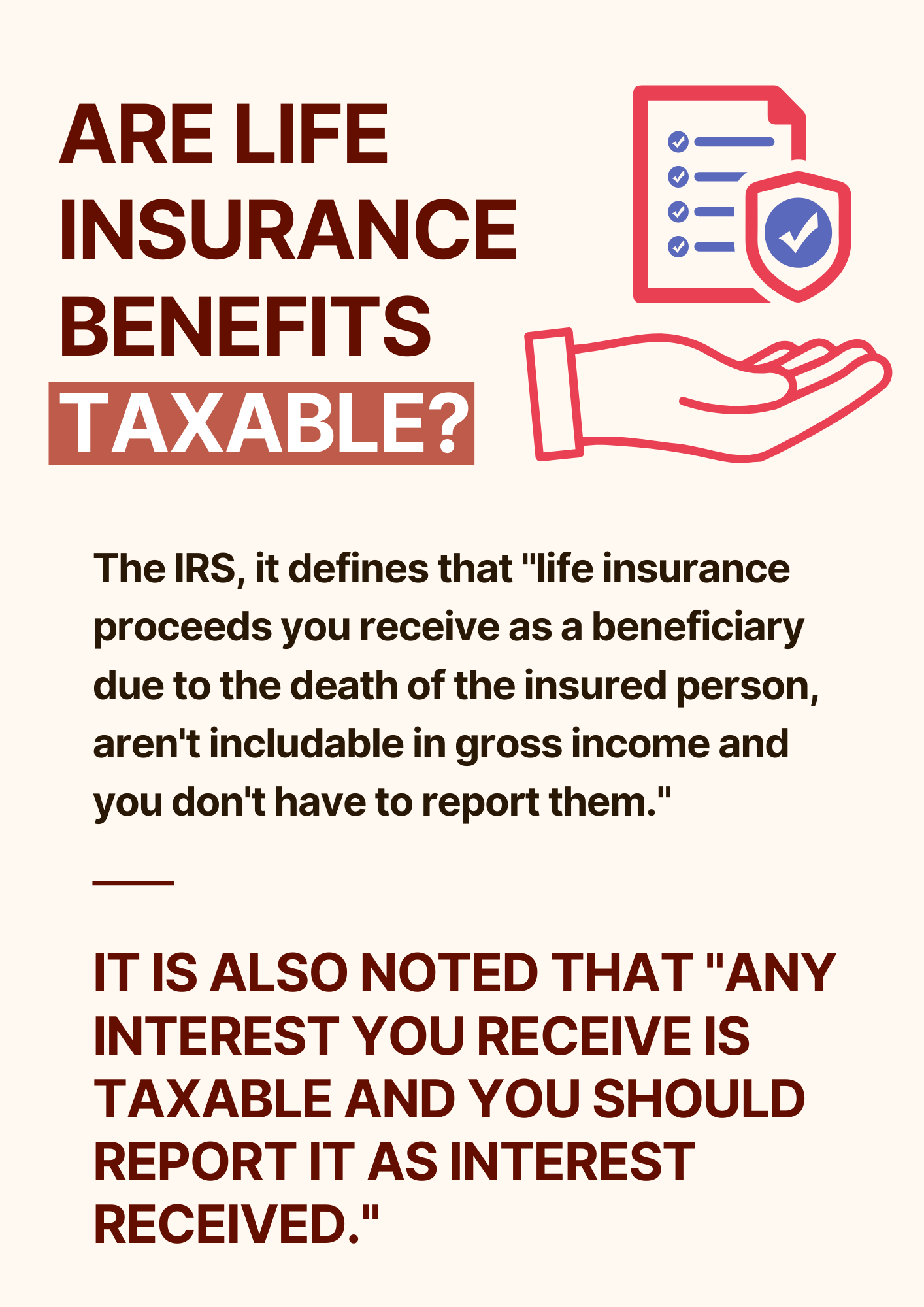
In general, life insurance proceeds paid to a beneficiary upon the death of the insured are not considered taxable income by the Internal Revenue Service (IRS). While this federal tax-free treatment is the standard rule, there are spec...
In general, life insurance proceeds paid to a beneficiary upon the death of the insured are not considered taxable income by the Internal Revenue Service (IRS). While this federal tax-free treatment is the standard rule, there are specific legal and financial scenarios, such as the "transfer-for-value" rule or estate tax thresholds, where proceeds may become subject to taxation.
Contents
The General Rule of Income Tax Exclusions
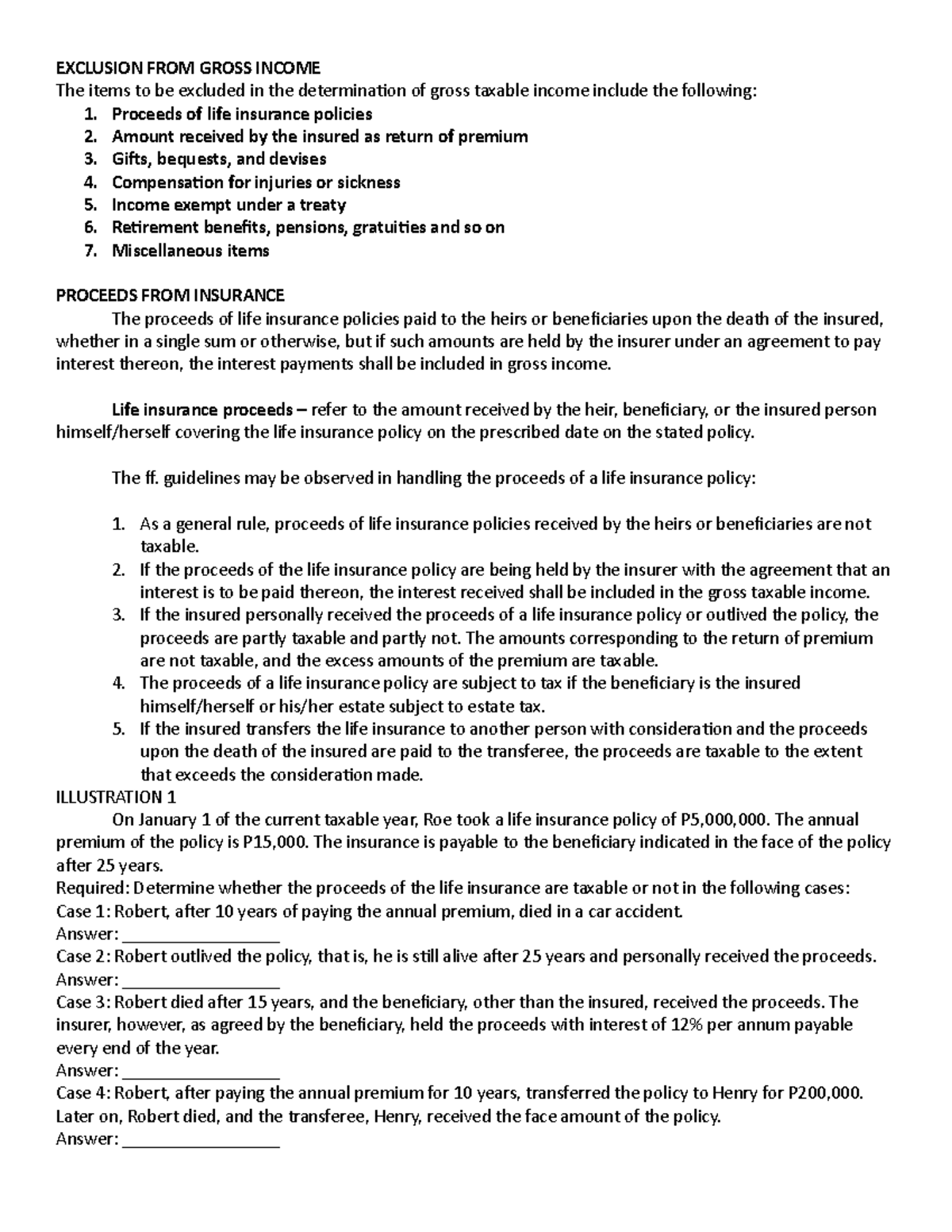
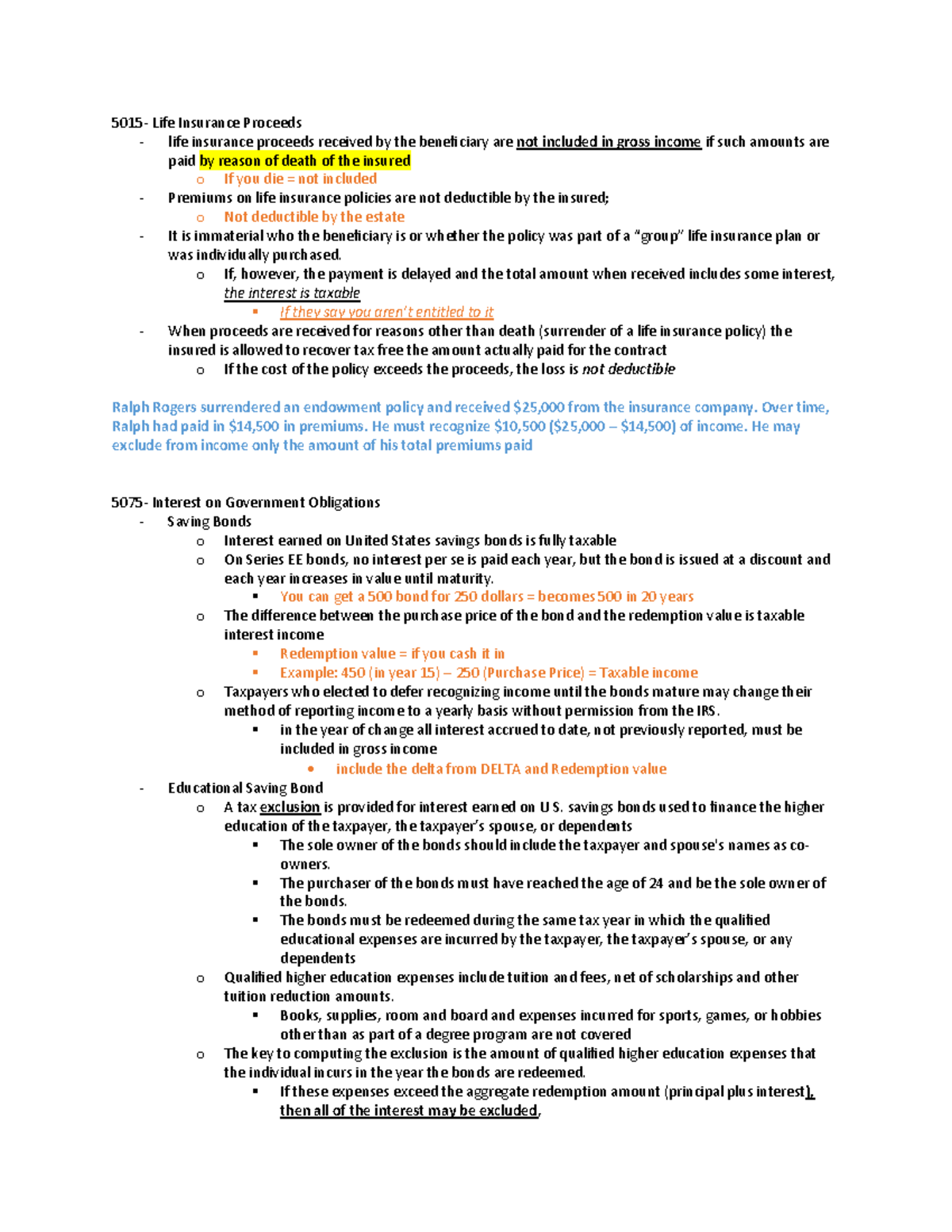
Under Section 101(a)(1) of the Internal Revenue Code, amounts received under a life insurance contract, if such amounts are paid by reason of the death of the insured, are generally excluded from the beneficiary's gross income. This is a foundational pillar of life insurance planning, designed to ensure that the death benefit serves its intended purpose: providing financial security to survivors without the immediate erosion caused by federal income taxes.
For the vast majority of policyholders and beneficiaries, this means the full face value of the policy is received without the need to report the payout as income on an annual tax return. This exclusion applies regardless of whether the policy was an individual policy or a group policy provided by an employer, provided the payment is triggered by the death of the insured.
The Transfer-for-Value Exception
The most notable exception to the tax-free status of death benefits is the transfer-for-value rule. If a life insurance policy—or an interest in a policy—is transferred to another party for "valuable consideration," the income tax exclusion may be lost. Valuable consideration is defined broadly and includes cash, services, or any other exchange of economic value.
When a policy is sold or transferred for value, the new owner may be required to pay income tax on the portion of the death benefit that exceeds the total consideration paid for the policy plus any subsequent premiums or other capital contributions made by the transferee. There are, however, safe harbors for these transactions. The tax-free status is typically preserved if the policy is transferred to:
- The insured person.
- A partner of the insured.
- A partnership in which the insured is a partner.
- A corporation in which the insured is a shareholder or officer.
- A transferee whose basis in the policy is determined by the transferor’s basis (such as certain tax-free reorganizations or transfers between spouses incident to divorce).
Estate Tax Considerations
While life insurance death benefits are generally exempt from income tax, they are not necessarily exempt from federal estate tax. If the deceased person (the insured) possessed "incidents of ownership" in the policy at the time of their death, the value of the death benefit is included in their gross estate.
Incidents of ownership include the right to change the beneficiary, borrow against the cash value of the policy, or cancel the policy. If the total value of the decedent’s estate—including the life insurance proceeds—exceeds the federal estate tax exemption threshold, the proceeds could be subject to estate taxation. For the 2026 tax year, estate tax planning remains critical for high-net-worth individuals, as assets above the applicable exemption limit may be taxed at rates up to 40%. To avoid this, many individuals utilize an Irrevocable Life Insurance Trust (ILIT) to remove the policy from their taxable estate.
Taxation of Interest Payments
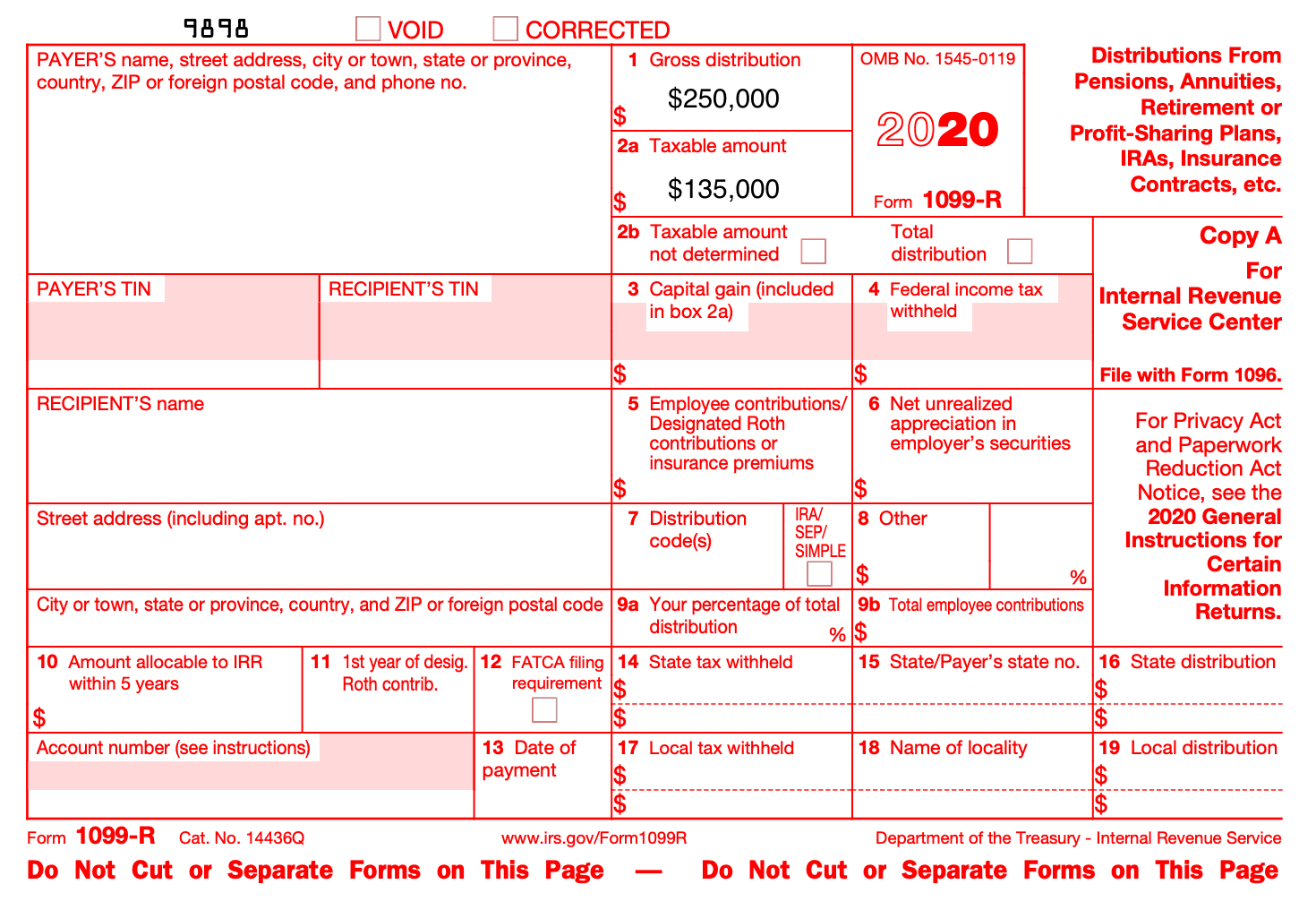
Sometimes, a beneficiary may choose not to receive the death benefit in a single lump sum. Instead, they might opt to leave the funds with the insurance company and receive periodic interest payments. In this specific instance, the death benefit itself remains tax-free, but the interest income earned on that money is considered taxable income. The insurance company will typically issue an IRS Form 1099-INT to report this interest, which must be included in the beneficiary's gross income for the year in which it is received.
Comparison of Tax Scenarios
Understanding the nuances of insurance taxation requires distinguishing between income tax and estate tax. The following table highlights common scenarios and their respective tax treatments.
| Scenario | Income Tax Status | Estate Tax Status |
|---|---|---|
| Lump-sum death benefit to beneficiary | Generally Tax-Free | Taxable if owned by decedent |
| Installment payments of death benefit | Principal is Tax-Free | Taxable if owned by decedent |
| Interest earned on retained proceeds | Taxable as Interest Income | Taxable if owned by decedent |
| Policy transferred for "Value" | Taxable (excess over basis) | Taxable if owned by decedent |
| Policy held in an ILIT | Tax-Free | Excluded from gross estate |
Employer-Provided Life Insurance
Group-term life insurance is a common benefit provided by employers. The premiums paid by the employer for up to $50,000 of group-term life insurance coverage are generally excluded from an employee's gross income. However, if the employer provides coverage in excess of $50,000, the cost of that excess coverage—calculated based on the IRS "Table I" rates—is considered taxable income to the employee. This "imputed income" is reported on the employee's W-2 form. While the premiums may be taxed during the employee's life, the final death benefit paid to the beneficiary remains tax-free at the federal level.
Accelerated Death Benefits and Viatical Settlements
In some cases, a policyholder may receive money from their life insurance policy before they die. These are known as "living benefits."
- Accelerated Death Benefits: If the insured is terminally ill (certified by a physician as having an illness that can reasonably be expected to result in death within 24 months) or chronically ill, they may be able to access the death benefit early. These payments are generally received income-tax-free, provided they meet specific IRS requirements regarding the definition of terminal or chronic illness.
- Viatical Settlements: This involves selling a policy to a third party (a viatical settlement provider) for a cash sum. If the policyholder is terminally or chronically ill, the proceeds from such a sale are typically excluded from income tax. If the policyholder is healthy, the sale may result in taxable capital gains to the extent the proceeds exceed the cost basis of the policy.
Frequently Asked Questions
Does the state government tax life insurance proceeds? While this article focuses on federal taxation, most states follow federal guidelines and do not impose income tax on life insurance death benefits. However, some states maintain their own inheritance or estate taxes, which may differ significantly from federal law.
What is the "cost basis" of a life insurance policy? The cost basis is essentially the total amount of premiums paid into the policy minus any dividends or withdrawals taken out previously. It is vital for calculating potential taxes if a policy is surrendered or sold for value.
If I name my estate as the beneficiary, is the money taxed? Naming your estate as the beneficiary typically ensures the death benefit is included in your taxable estate. This may subject the proceeds to estate taxes if your total assets exceed the federal exemption, and it also potentially exposes the funds to creditors of the estate.
How does a divorce affect the tax status of insurance? If a policy is transferred between spouses incident to a divorce, the transfer-for-value rule generally does not apply, preserving the tax-free status of the death benefit for the recipient spouse.
Are dividends from a participating life insurance policy taxable? Generally, dividends are considered a return of excess premiums and are not taxable until they exceed the total premiums paid into the policy.
Recommendation
If your estate is substantial or if you are considering transferring a policy for value, it is highly recommended that you consult with a qualified tax attorney or a certified financial planner. Tax laws are subject to legislative changes and jurisdictional nuances. Always maintain detailed records of your premium payments and policy documentation, as these will be essential if you ever need to calculate your cost basis or defend the tax-free status of your proceeds.
Image Gallery