Understanding the Biological Causes of Cramps on the First Day of Your Period
Cramps on the first day of your period, medically referred to as primary dysmenorrhea, are primarily caused by the release of prostaglandins. These hormone-like substances trigger the uterine muscle to contract and shed its lining, res...
Cramps on the first day of your period, medically referred to as primary dysmenorrhea, are primarily caused by the release of prostaglandins. These hormone-like substances trigger the uterine muscle to contract and shed its lining, resulting in the characteristic pain, pressure, and discomfort often felt in the lower abdomen or pelvic region during the onset of menstruation.
Contents
The Role of Prostaglandins in Uterine Contractions
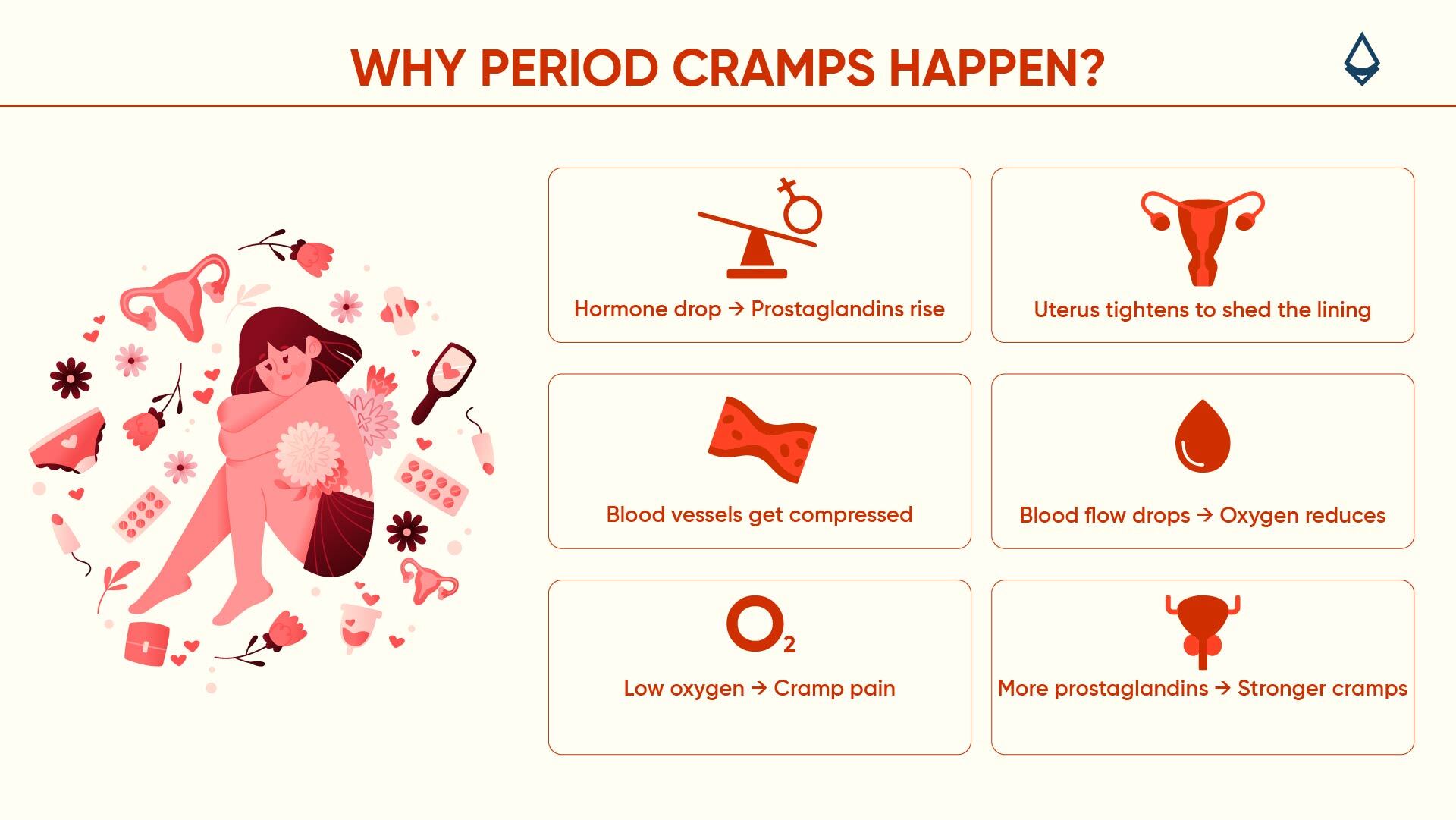
The fundamental biological trigger for menstrual cramps is a chemical process involving prostaglandins. During the days leading up to your period, the levels of progesterone—a hormone that helps maintain the uterine lining—begin to drop if pregnancy has not occurred. This drop, coupled with the onset of the menstrual cycle, signals the body to begin shedding the endometrium, the inner lining of the uterus.
To facilitate this shedding, the body increases the production of prostaglandins. These are fatty acid derivatives that act similarly to hormones. They serve a specific, essential purpose: they signal the smooth muscle tissue of the uterus to contract. When the uterus contracts, it compresses the blood vessels that supply the lining with oxygen and nutrients. As these vessels constrict, the blood supply to the uterine tissue is temporarily reduced, which triggers the onset of bleeding and the release of inflammatory chemicals that increase the sensitivity of pain receptors in the pelvic area.
On the first day of your period, prostaglandin levels are typically at their highest, which explains why many individuals experience the most intense cramping during the first 24 to 48 hours of their cycle. As the uterine lining is shed and the inflammatory response stabilizes, prostaglandin levels naturally taper off, which is why cramping often subsides as the period progresses toward its final days.
Physiological Factors and Uterine Dynamics
Beyond the chemical action of prostaglandins, the physical structure of the uterus plays a role in how a person experiences cramps. The cervix, which is the opening to the uterus, must dilate slightly to allow the passage of blood and tissue. If the cervical opening is narrow, the uterus must contract more forcefully to expel the menstrual fluid, which can lead to heightened pain perception.
Furthermore, individual biological variations can influence the severity of these contractions. Factors such as uterine position—whether the uterus is tilted forward or backward—can sometimes influence the pressure exerted on surrounding pelvic nerves. Additionally, the overall volume of the uterine lining (the endometrium) can dictate the level of muscular activity required to shed it; a thicker lining may necessitate more vigorous contractions, thereby increasing the intensity of the cramps experienced on the first day.
Differentiating Primary vs. Secondary Dysmenorrhea
It is important to distinguish between normal physiological cramping and pain that may indicate an underlying medical condition. The term "primary dysmenorrhea" describes painful periods caused by the natural processes of the menstrual cycle, typically beginning in adolescence. This is a common and expected experience for many.
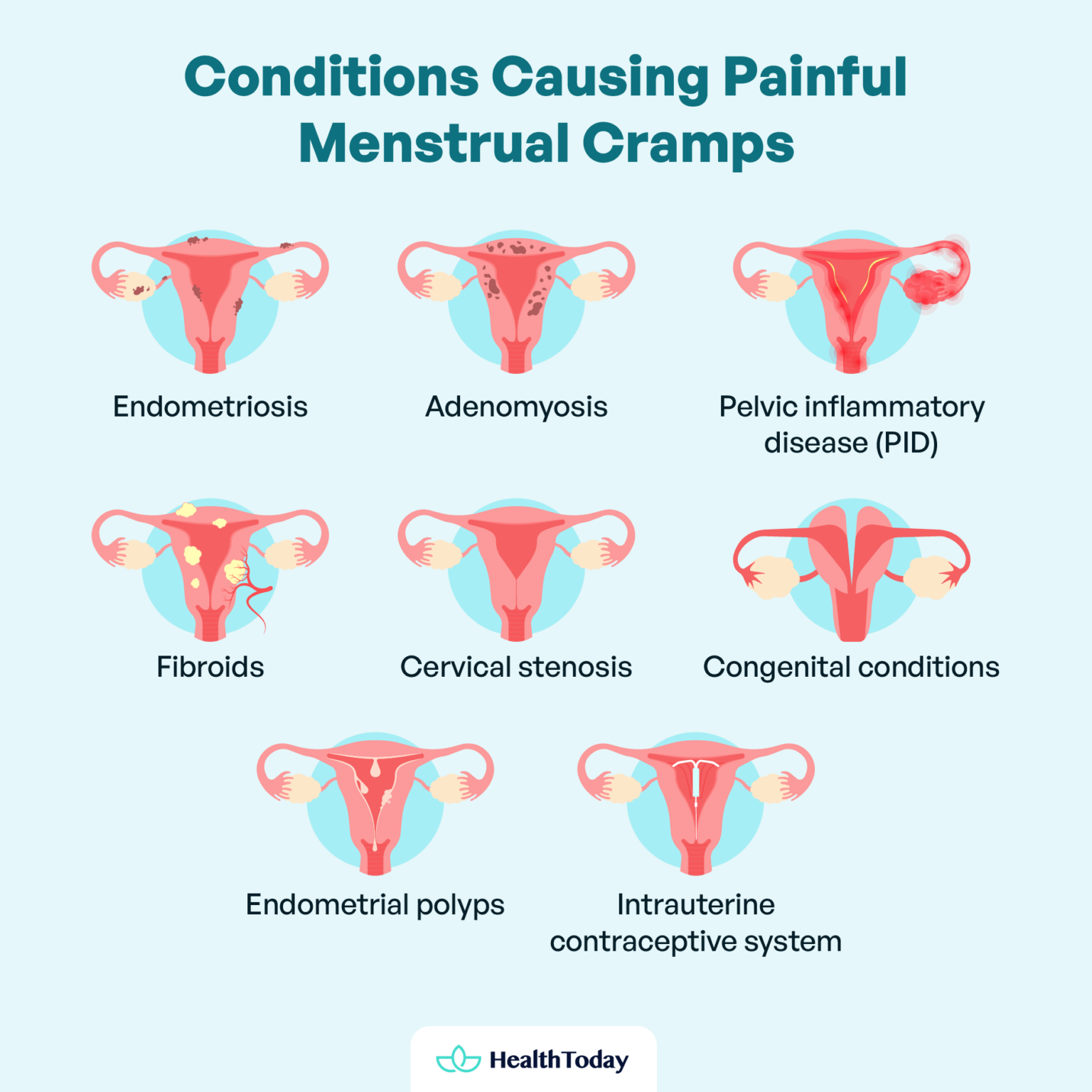
However, "secondary dysmenorrhea" refers to painful periods caused by an underlying structural or reproductive health issue. If your cramps are worsening over time, occurring outside of the first few days of your cycle, or are not relieved by standard over-the-counter interventions, you should consult a healthcare provider. Conditions that may cause secondary dysmenorrhea include:
- Endometriosis: A condition where tissue similar to the lining of the uterus grows outside the uterus, which can cause severe pain during menstruation.
- Uterine Fibroids: Noncancerous growths in the uterus that can cause pressure and increased cramping.
- Adenomyosis: A condition where the tissue that normally lines the uterus grows into the muscular wall of the uterus.
- Pelvic Inflammatory Disease (PID): An infection of the reproductive organs that can cause chronic pelvic pain.
Comparison of Common Menstrual Symptom Management
Managing discomfort on the first day of your period often involves a combination of pharmacological and non-pharmacological approaches. The following table compares common methods used to mitigate cramping.
| Method | Mechanism of Action | Effectiveness |
|---|---|---|
| NSAIDs | Inhibits prostaglandin production | High for prostaglandin-based pain |
| Heat Therapy | Increases blood flow and relaxes muscles | Moderate; provides immediate relief |
| Gentle Exercise | Releases endorphins; reduces stress | Low to moderate; symptom-dependent |
| TENS Units | Interferes with pain signals to the brain | Moderate; non-invasive |
| Magnesium | Aids in muscle relaxation | Varies; requires consistent use |
Note: Always consult with a healthcare professional before starting new supplements or medications to ensure they are appropriate for your specific health history.
Actionable Strategies for Managing First-Day Discomfort
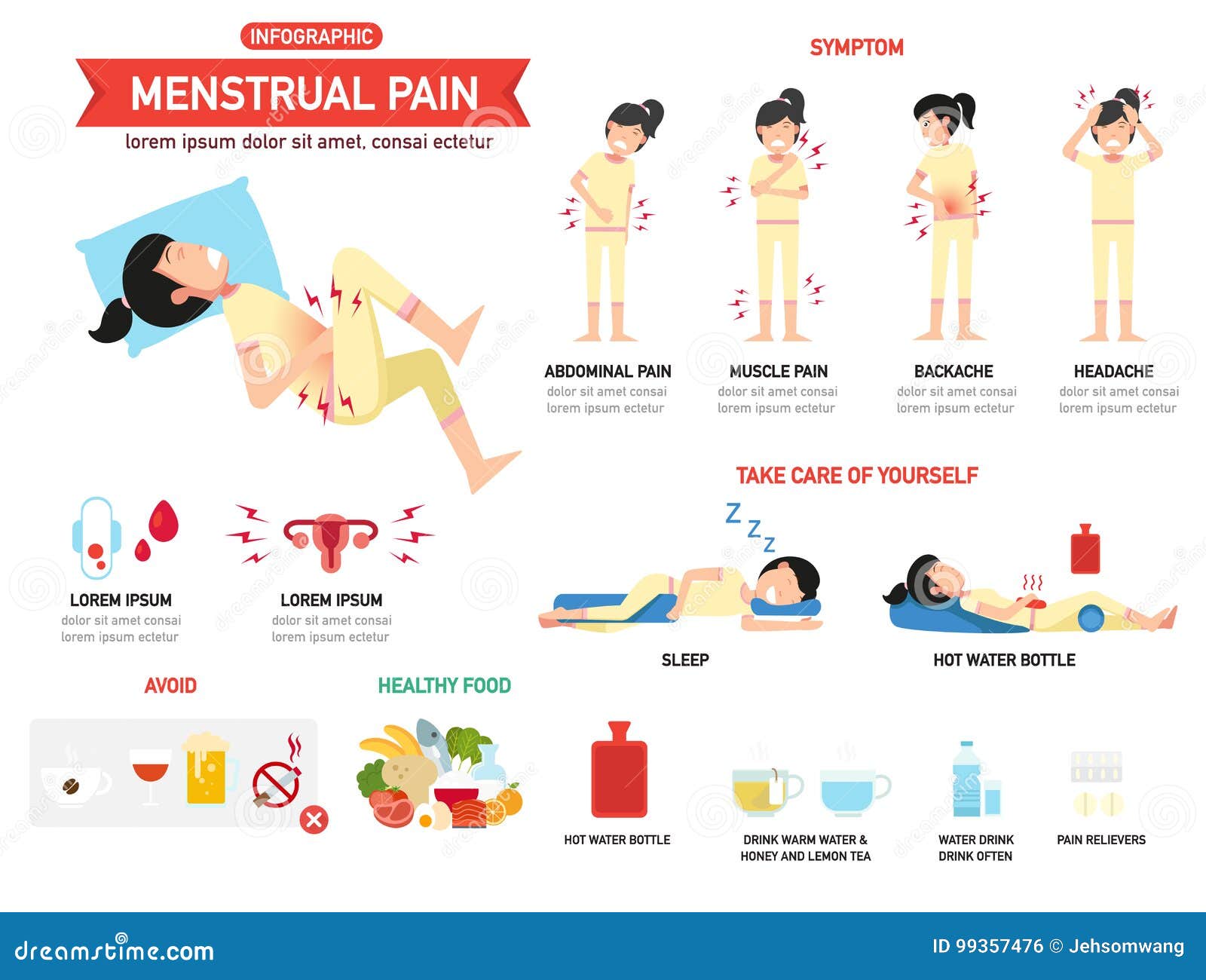
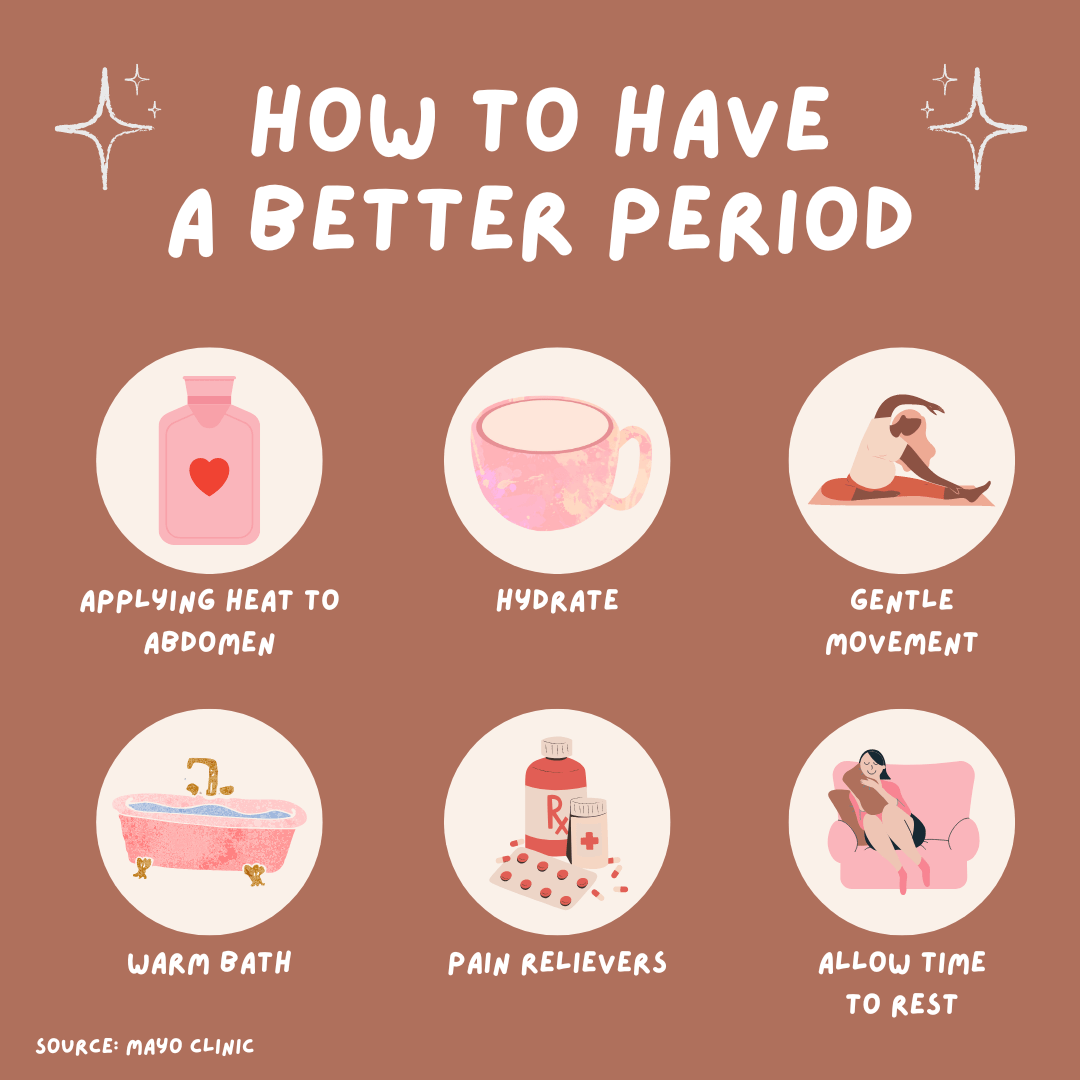
When you are in the midst of day-one cramping, the goal is to lower systemic inflammation and provide localized muscle relaxation. Non-steroidal anti-inflammatory drugs (NSAIDs), such as ibuprofen or naproxen, are often the first line of defense because they specifically target the production of prostaglandins. Taking these medications at the first sign of discomfort—rather than waiting for the pain to peak—can be more effective because it prevents the buildup of these chemicals in the system.
Heat therapy is another highly effective tool. A heating pad, hot water bottle, or a warm bath can help relax the contracting uterine muscles. Heat promotes vasodilation, which increases blood flow to the area and helps to alleviate the ischemic pain caused by blood vessel constriction.
In addition to these direct interventions, lifestyle adjustments in the days leading up to your period can impact the severity of the onset. Staying hydrated and reducing intake of pro-inflammatory foods—such as processed sugars or high-sodium snacks—may help minimize the inflammatory response that exacerbates prostaglandin activity.
Frequently Asked Questions
Why do cramps seem to start exactly when my period starts? Cramps start at the beginning of your period because that is when the drop in hormone levels (specifically progesterone) triggers the body to initiate the shedding process. This physiological trigger causes an immediate, sharp increase in the prostaglandins responsible for uterine contractions.
Is it normal to have cramps before any bleeding begins? Yes, it is common to experience "prodromal" or pre-menstrual cramping. This occurs because the body begins the prostaglandin-signaling process slightly before the physical shedding of the lining becomes visible as blood.
Can stress make my first-day cramps worse? Stress impacts the nervous system and can increase the levels of cortisol in the body. While stress does not directly cause the production of prostaglandins, it can increase your overall sensitivity to pain, making the normal muscle contractions of the uterus feel more intense or difficult to manage.
When should I see a doctor for period cramps? You should seek medical advice if your cramps are debilitating to the point of missing work or school, if they do not respond to over-the-counter pain relief, or if they have suddenly become more severe than they were in the past. These symptoms can be indicators of underlying conditions that require clinical diagnosis.
Do birth control methods help with first-day cramps? Many hormonal contraceptives, such as the pill, patch, or ring, work by thinning the uterine lining and suppressing ovulation. Because there is less lining to shed, the uterus does not need to contract as forcefully, which significantly reduces the intensity of prostaglandin-induced cramping for many users.
Next Steps for Symptom Relief
If your cramps on the first day of your period are consistent but manageable, focus on a proactive regimen of heat therapy and timely use of NSAIDs. Monitor your symptoms over the next two to three cycles to identify what works best for your body. If you notice a pattern of increasing pain intensity, excessive bleeding, or pain that persists well after your period ends, schedule an appointment with a gynecologist or primary care physician. Keeping a simple log of your pain levels and any associated symptoms will provide your healthcare provider with the necessary data to determine if further testing is required.
Image Gallery