How an ATM Locator Service Works: Behind the Digital Map
An ATM locator service functions by aggregating real-time geolocation data from banking networks, independent deployer databases, and API integrations to display machine availability on a map. By matching a user’s current coordinates a...
An ATM locator service functions by aggregating real-time geolocation data from banking networks, independent deployer databases, and API integrations to display machine availability on a map. By matching a user’s current coordinates against a verified repository of terminal addresses, the service identifies nearby cash access points, filtering them by surcharge fees, operating hours, and specific network compatibility.
Contents
The Mechanics of Data Aggregation
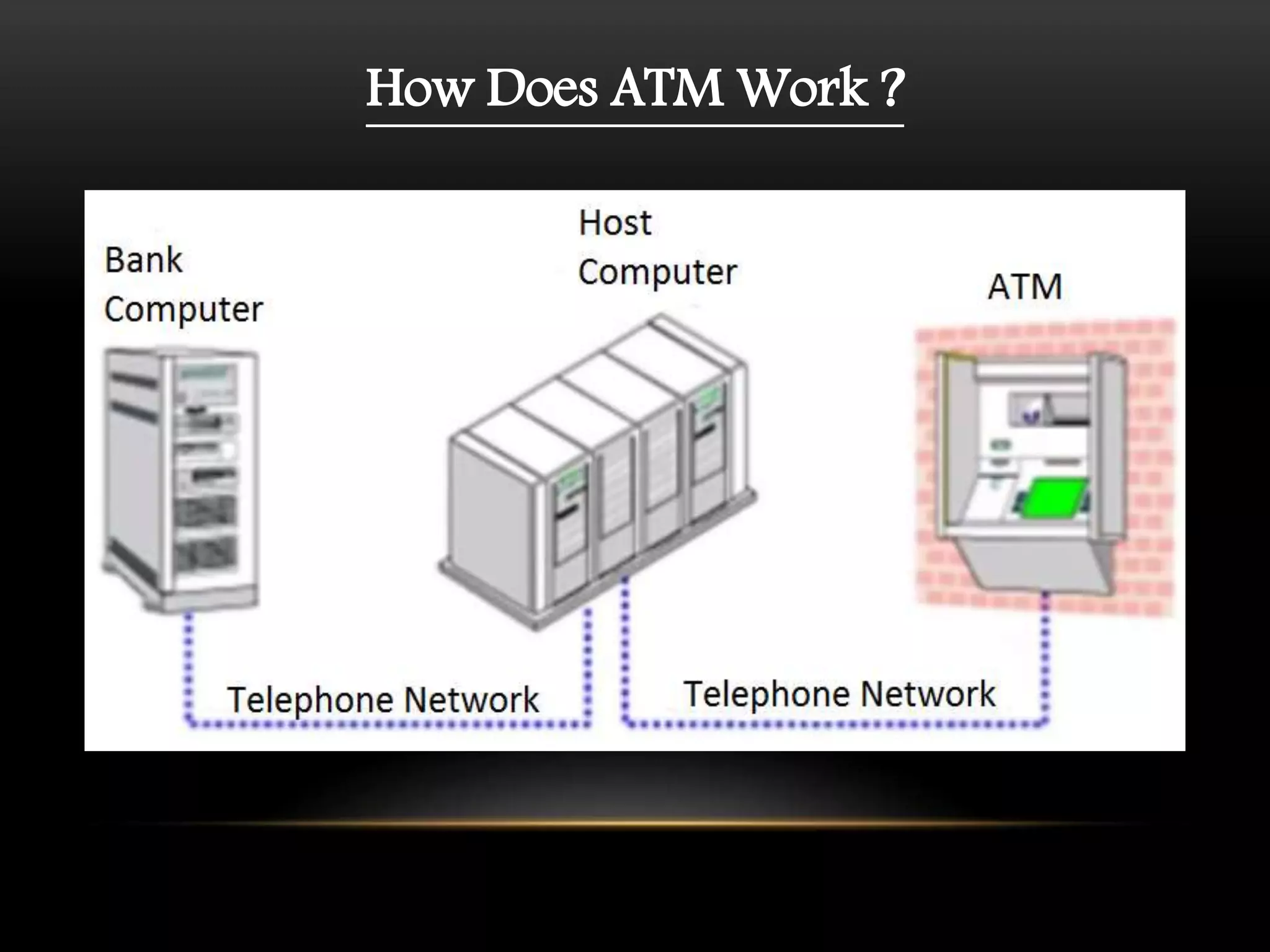
The backbone of any ATM locator service is a massive, continuously updated database. ATMs are not static landmarks; they are financial infrastructure managed by diverse entities, including national commercial banks, credit unions, and independent ATM deployers (IADs).
An ATM locator service functions by acting as a central clearinghouse for this disparate data. To ensure accuracy, these services use three primary methods to gather information:
- API Integration: Large financial institutions provide direct Application Programming Interface (API) access to their ATM networks. When a bank updates the status of a machine—such as taking it offline for maintenance—the locator service receives an automated signal to remove or flag that location in real-time.
- Shared Network Feeds: Networks like Cirrus, PLUS, or regional interbank networks provide broad datasets covering thousands of terminals. These feeds allow a locator to identify ATMs that accept specific debit or credit cards, even if the user is not a customer of the bank hosting the machine.
- Manual Submission and Crowdsourcing: Because some independent machines (often found in convenience stores or retail locations) lack centralized digital management, many services rely on crowdsourced updates. Users report issues like "out of order" or "missing," which the service verifies and propagates across its platform.
Geolocation and User Interaction
When a user opens an ATM locator app or web portal, the service initiates a request for the user’s current position using GPS (Global Positioning System) or IP-based geolocation. This coordinate data is then sent to the service’s backend server, which performs a spatial query.
The database uses a "nearest neighbor" algorithm to scan the repository for coordinates that fall within a defined radius. Once the list of candidates is generated, the service applies filters based on user preferences. Common filtering criteria include:
- Surcharge Status: Identifying "surcharge-free" machines, which are critical for users wanting to avoid the $2.00 to $5.00 fees typically charged by non-bank ATMs.
- Operating Hours: Distinguishing between ATMs located in 24/7 bank vestibules and those located inside retail stores that close at night.
- Machine Capability: Filtering by features such as "cash deposits accepted," "check imaging," or "withdrawal limits."
Technical Challenges and Maintenance
Maintaining a locator service is an exercise in data hygiene. The primary challenge is "data decay." If an ATM is moved, decommissioned, or has its operating hours changed, and the locator service is not notified, it creates a "ghost terminal" situation. This is a common point of frustration for users who arrive at a location expecting a service that no longer exists.
To combat this, professional locator services implement a version-controlled refresh cycle. Depending on the service, data may be refreshed daily, weekly, or in near real-time. Sophisticated services also monitor for "negative signals," such as a high volume of failed transactions or multiple user reports indicating a machine is inaccessible, to trigger an automatic audit of that record.
Comparative Overview of ATM Locator Data Sources
| Source Type | Data Accuracy | Update Frequency | Primary Use Case |
|---|---|---|---|
| Bank-Provided API | Extremely High | Near Real-Time | Checking specific brand availability |
| Network Feeds | Moderate | Daily/Weekly | Finding compatible machines for cards |
| User Crowdsourcing | Variable | Immediate | Real-time status/outage alerts |
| Retail Databases | Moderate | Monthly | Locating cash in remote or retail sites |
Prerequisites for Efficient Use
To get the most out of an ATM locator, users should understand the limitations of the tool. First, ensure that your device has location permissions enabled; without this, the service must rely on manual city or zip code entry, which is significantly less accurate. Second, recognize that "proximity" does not equal "access." An ATM might be 500 feet away, but if it is located inside a restricted office building or a gated facility, the locator’s visual representation may be misleading.
Frequently Asked Questions
Why does an ATM locator sometimes show a machine that isn't there? This typically occurs due to a lag between the machine's removal and the database update. If a business closes or an ATM is retired, the record might persist until the next batch update from the network operator. Always look for a "last updated" timestamp on the locator entry if available.
Are surcharge-free locator results always guaranteed? Not always. While locator services work to categorize ATMs as surcharge-free based on network agreements, some machines change ownership. If a machine is bought by an independent deployer, it may immediately begin charging fees that the database has not yet recorded.
Does the locator show if an ATM is out of cash? Most standard locator services do not have real-time visibility into the physical cash levels of a machine. While some advanced institutional apps can track this, the majority of general locators only confirm the machine is "online" or "powered on," not that it is functional or stocked.
Can I use an ATM locator to find machines that accept foreign cards? Yes. Most locators allow you to filter by network logo (e.g., VISA, Mastercard, Maestro). If your card carries one of these logos, the locator will filter for machines that participate in that specific network’s interchange agreement.
Why is there a difference between what my bank's app shows and what a third-party site shows? Your bank’s app usually has direct, private API access to its own and its partner networks' terminals. Third-party sites often rely on aggregated, public-facing data which may have a longer latency period or lack the specific nuance of private partner-network status.
Practical Recommendation
For the most reliable results, prioritize your banking institution’s official mobile application over third-party search engines. Official apps are updated directly by the bank and are more likely to contain information regarding specific functional capabilities, such as whether a terminal accepts deposits or allows for foreign currency dispensing. If you are traveling to an unfamiliar area, check the locator 24 hours in advance and save your primary and secondary options offline if the app supports it.
Image Gallery