Understanding Codominance Pedigree: Principles, Inheritance Patterns, and Analysis
A codominance pedigree is a specialized genetic family tree used to track traits where two distinct alleles are both fully expressed in the phenotype of a heterozygous organism. Unlike complete dominance, where one allele masks another...
A codominance pedigree is a specialized genetic family tree used to track traits where two distinct alleles are both fully expressed in the phenotype of a heterozygous organism. Unlike complete dominance, where one allele masks another, or incomplete dominance, where traits blend, codominance displays both characteristics simultaneously, such as the AB blood group system or roan coat coloration in cattle.
Contents
Fundamental Principles of Codominance in Genetics
To accurately interpret a codominance pedigree, one must first understand the underlying molecular mechanics of codominance. In classical Mendelian genetics, inheritance is often illustrated through simple dominant and recessive relationships. However, many genetic loci exhibit codominance, where neither allele is recessive. Both alleles produce functional proteins or antigens that are independently detectable in the phenotype.
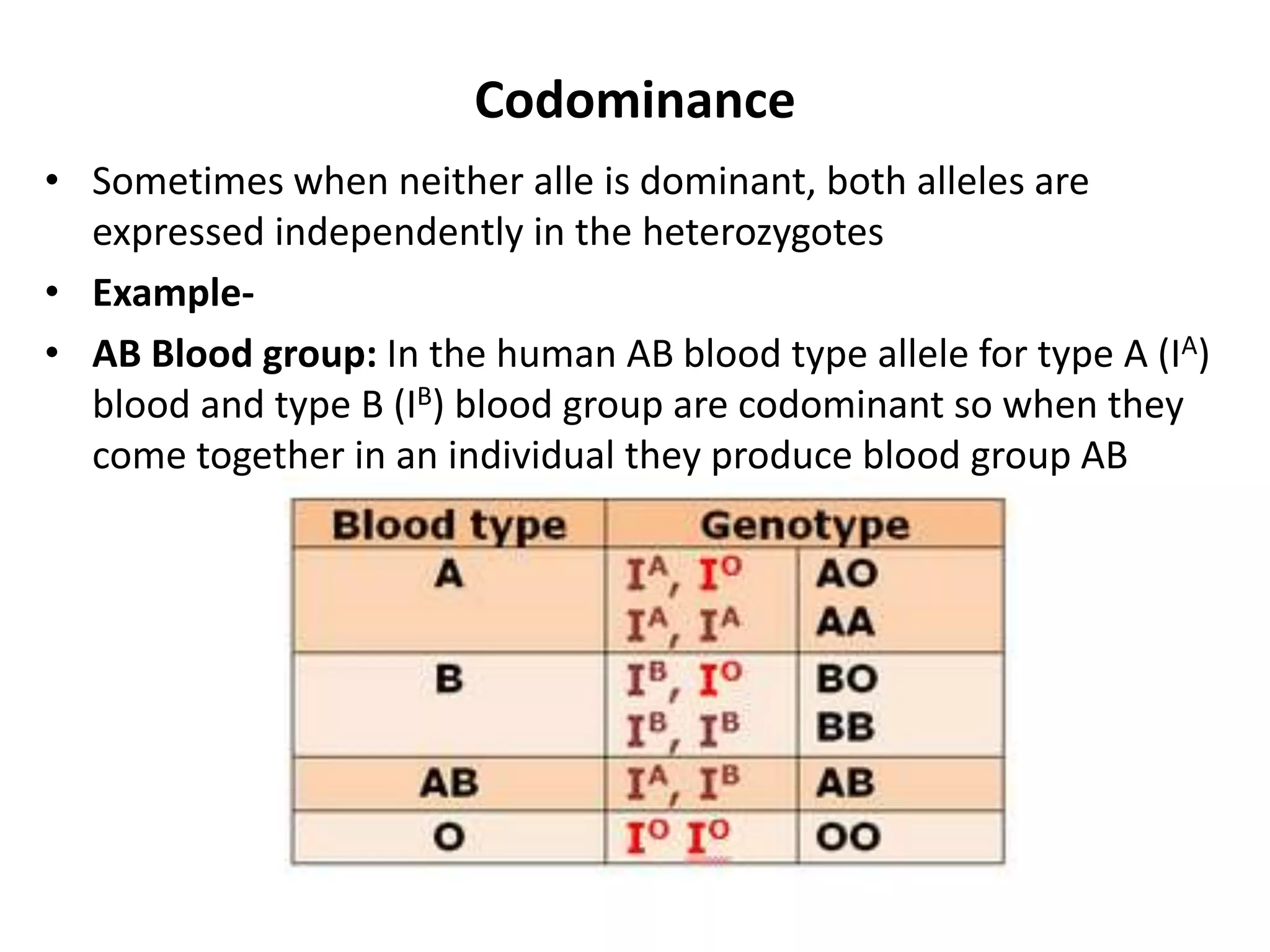
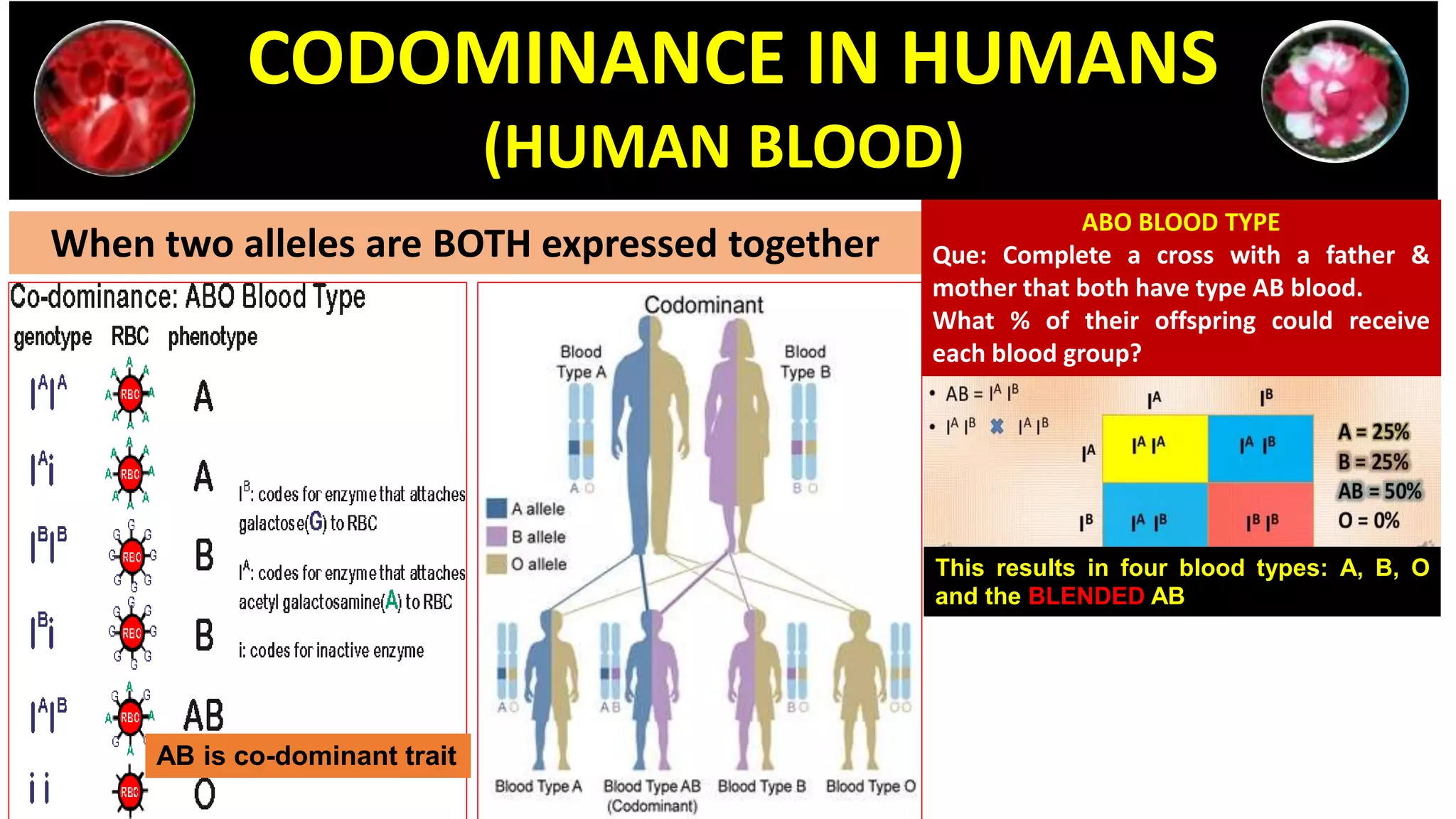
Consider the human ABO blood group system, which serves as the classic textbook example of codominance alongside multiple alleles. The gene encodes an enzyme that modifies surface carbohydrates on red blood cells. The $I^A$ allele adds N-acetylgalactosamine, the $I^B$ allele adds galactose, and the $i$ allele adds neither. When an individual inherits both the $I^A$ and $I^B$ alleles, red blood cells carry both modifications. Both traits are fully expressed, resulting in type AB blood.
In pedigree charts, this equal expression requires specific notation. While dominant alleles are traditionally capitalized and recessive alleles lowercase, codominant alleles are usually represented by a capital base letter with different superscript letters or symbols, such as $C^R$ for red and $C^W$ for white in shorthorn cattle. Recognizing these notations prevents misinterpretations when tracking family lineages across multiple generations.
Structure and Symbols of a Codominance Pedigree
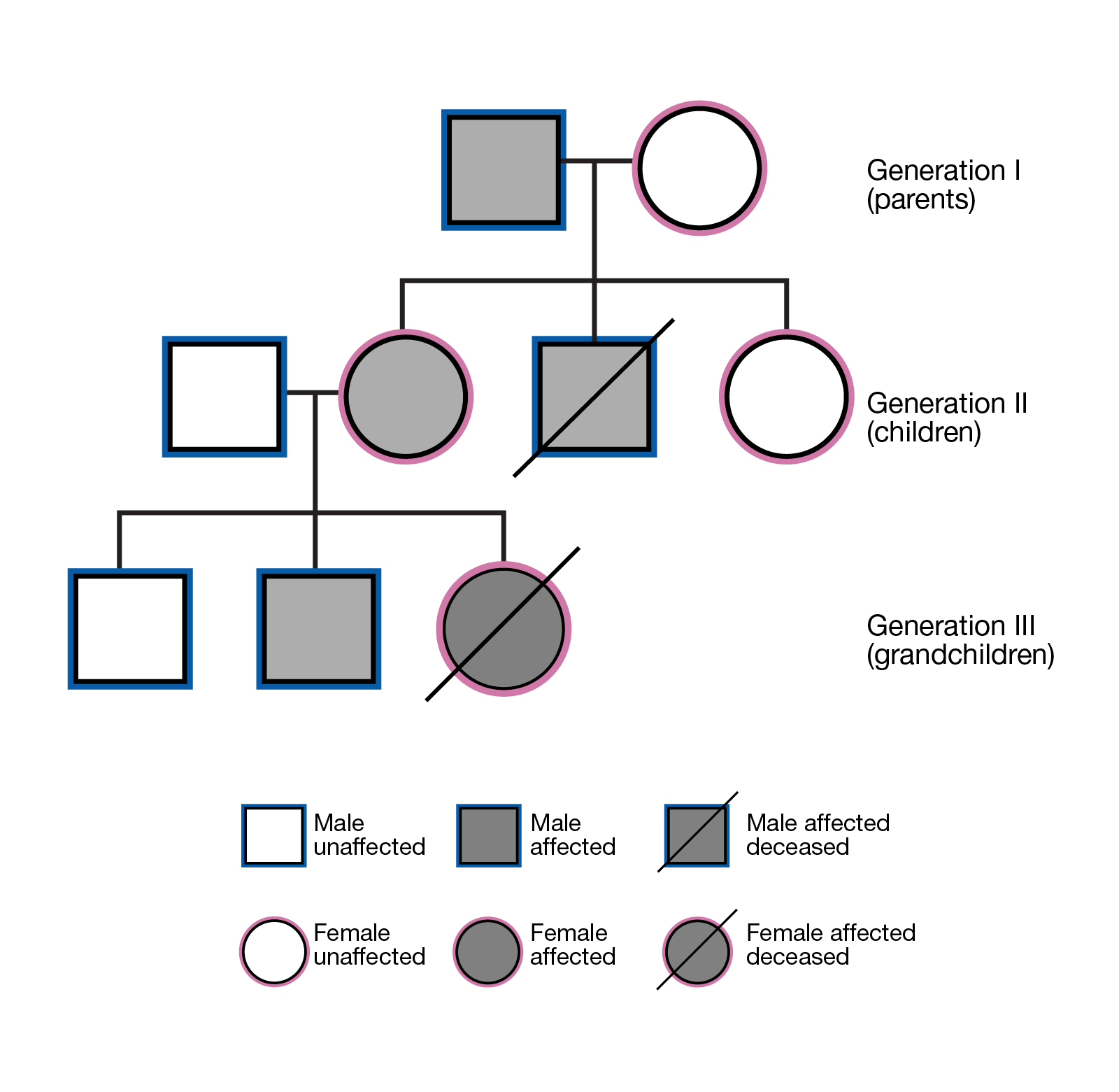
Pedigree charts use a standardized set of universal symbols to map out genetic relationships across generations. Understanding these symbols is a strict prerequisite for any genetic counselor, breeder, or researcher attempting to trace a codominant trait.
- Circles: Represent biological females.
- Squares: Represent biological males.
- Shading/Filling: Indicates the phenotypic expression of the trait. In codominance, partial shading or split-color symbols are frequently utilized to denote heterozygous individuals carrying both distinct phenotypes, while fully shaded shapes represent homozygous expressions of one allele and unshaded shapes represent the alternate homozygous allele.
- Horizontal Lines: Connect mating pairs (parents).
- Vertical Lines: Drop down from mating pairs to connect parents to their offspring.
- Roman Numerals (I, II, III): Designate specific generations, typically starting with the oldest generation at the top.
- Arabic Numerals (1, 2, 3): Identify individuals within a specific generation from left to right.
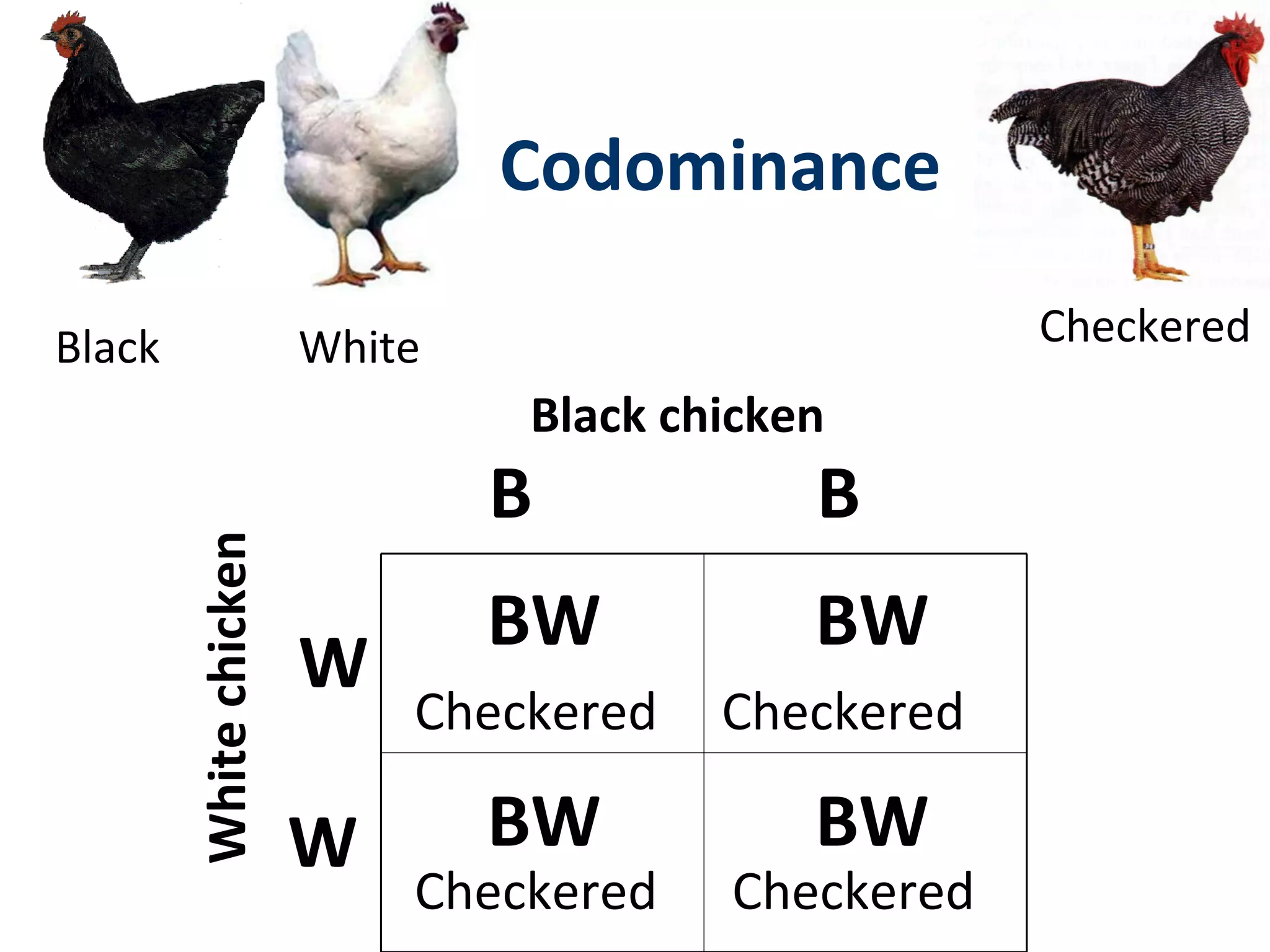
When analyzing a pedigree for codominance, investigators look for specific inheritance signatures. Unlike X-linked recessive traits that skip generations and predominantly affect males, or autosomal dominant traits that appear in every generation, codominance features distinct phenotypic ratios among offspring when heterozygotes mate. A mating between two heterozygous individuals (e.g., $C^R C^W \times C^R C^W$) yields a predictable 1:2:1 phenotypic ratio corresponding to the genotypic ratio: 25% homozygous for the first allele, 50% heterozygous displaying both traits (codominant), and 25% homozygous for the second allele.
Comparing Inheritance Patterns in Pedigrees
To properly identify a codominance pedigree, it is helpful to contrast it directly with other major forms of inheritance. Misidentifying codominance as incomplete dominance or simple dominance leads to inaccurate genetic counseling and breeding projections.
| Inheritance Type | Phenotypic Expression in Heterozygotes | Typical Pedigree Clue | Classic Biological Example |
|---|---|---|---|
| Complete Dominance | Only the dominant trait is visible; recessive trait is masked. | Trait can skip generations; affected children can have unaffected parents. | Cystic fibrosis, Huntington's disease |
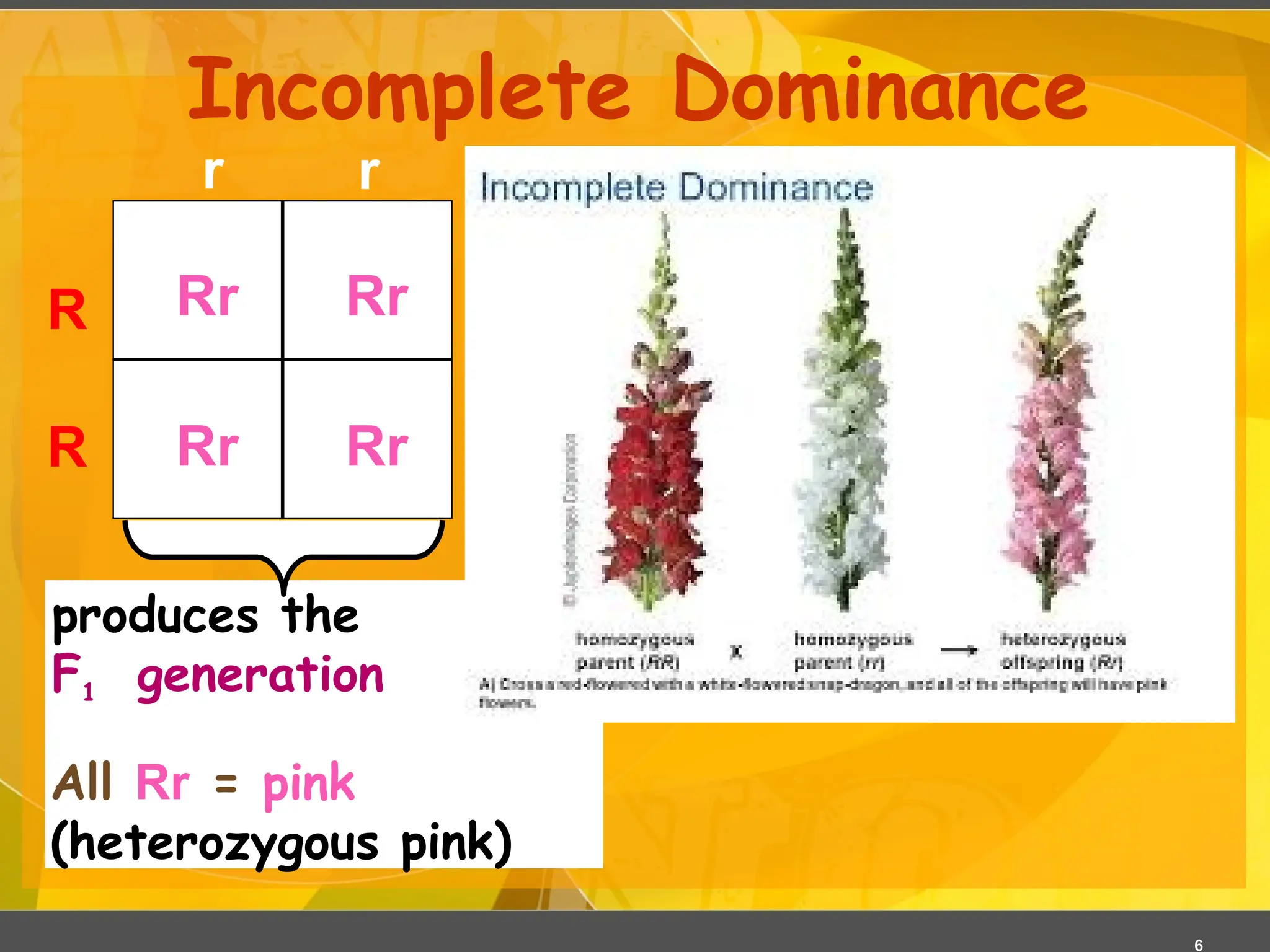
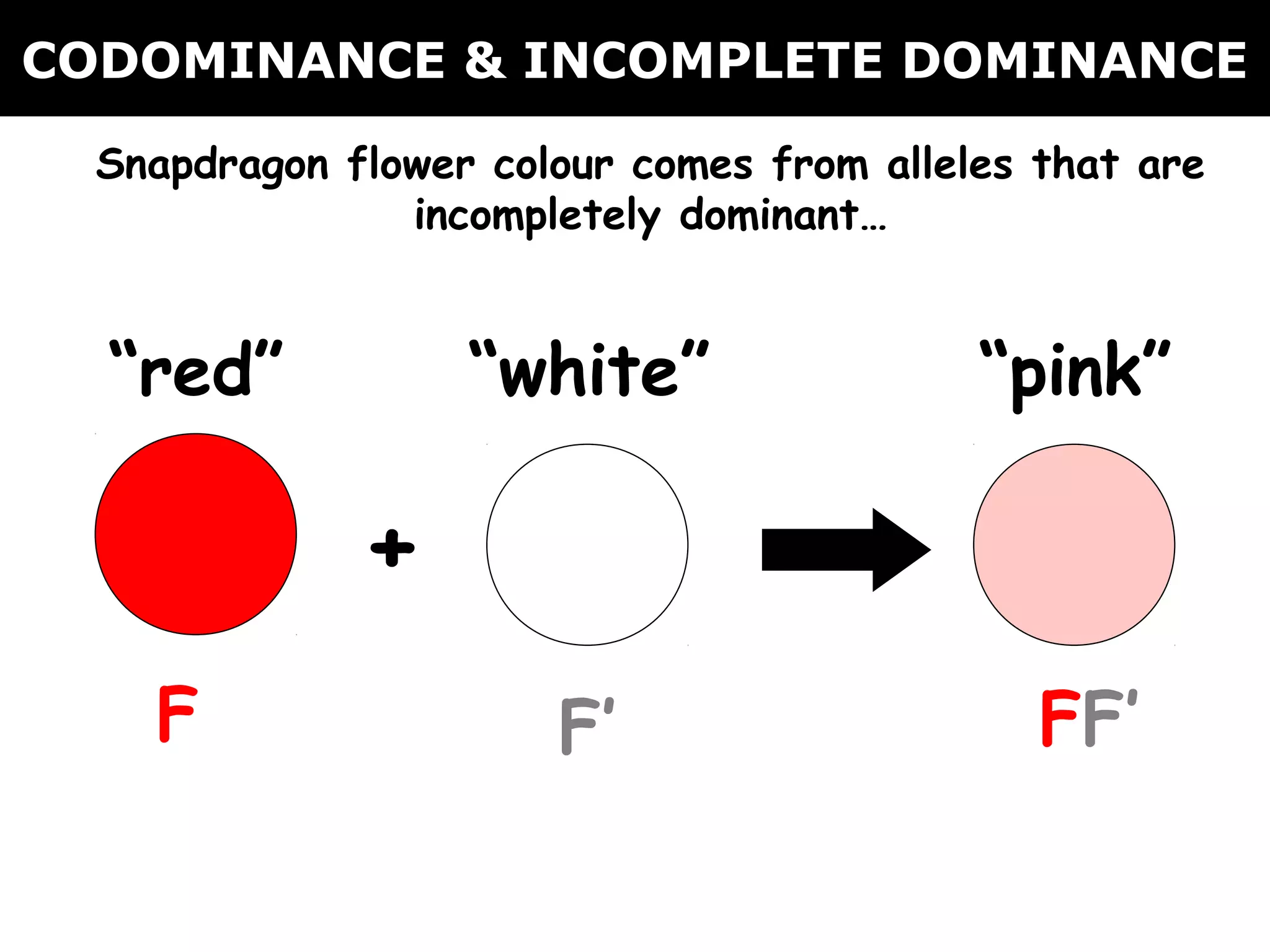
| Incomplete Dominance | Blended or intermediate phenotype (e.g., pink flowers from red and white parents). | Heterozygote displays a distinct third phenotype intermediate between parents. | Snapdragon flower color |
| Codominance | Both alleles are fully and independently expressed side-by-side. | Heterozygote exhibits distinct characteristics of both parental phenotypes. | ABO blood groups, Roan cattle coat color |
| Sex-Linked Recessive | Varies by sex chromosomes; males more frequently affected. | Trait passes from affected grandfather to carrier daughter to affected grandson. | Hemophilia, Red-green color blindness |
Practical Steps for Analyzing a Codominance Pedigree
Conducting a formal pedigree analysis requires a systematic, step-by-step approach. Whether evaluating livestock lineages or human medical charts, investigators follow a structured verification protocol.
- Examine the Founders: Look at the oldest generation (Generation I). Identify the phenotypes of the founding parents to establish baseline allele possibilities for the family line.
- Scan for Intermediate or Dual Expressions: Search descendants for individuals who display both parental traits simultaneously. For instance, in a pedigree tracking cattle coat color, look for roan offspring (intermingled red and white hairs) produced by a red parent and a white parent.
- Trace Allele Transmission: Work forward and backward through the generations. Confirm that every individual displaying the codominant phenotype received one distinct allele from each parent.
- Test Hypotheses Against Progeny Ratios: If a mating pair produces offspring in expected Mendelian proportions for codominant alleles (such as a 1:2:1 ratio over large sample sizes), validate the hypothesis that the trait is governed by a single locus with two codominant alleles.
- Check for Anomalies: Rule out environmental interference, incomplete penetrance, or variable expressivity, which can occasionally confound pedigree interpretations.
Common Mistakes and Troubleshooting in Pedigree Interpretation
Even experienced researchers encounter pitfalls when evaluating complex pedigrees. Avoiding these common errors ensures high diagnostic and analytical accuracy.
- Confusing Codominance with Incomplete Dominance: This is the most frequent error. Remember that codominance means both traits appear distinct and unblended (e.g., blood type AB has both A and B antigens), whereas incomplete dominance results in a novel intermediate phenotype (e.g., pink).
- Overlooking Multiple Allele Systems: Many codominant traits involve more than two alleles within a population (such as the ABO system's three alleles: $I^A$, $I^B$, and $i$). Failing to account for recessive null alleles ($i$) can skew parentage verification and inheritance predictions.
- Assuming Complete Penetrance: Environmental factors or gene interactions can sometimes suppress phenotypic manifestation. Always verify whether genotype matches phenotype through laboratory testing (such as blood typing or DNA sequencing) when working with critical medical or agricultural pedigrees.
- Neglecting Sample Size Limitations: Small family sizes in pedigree charts often deviate significantly from expected Mendelian ratios due to chance alone. Do not discard a codominance hypothesis solely because a single family of four lacks the expected heterozygous ratio.
Frequently Asked Questions
What is the main difference between codominance and incomplete dominance in a pedigree?
In codominance, both alleles are fully and independently expressed in the heterozygote, such as red and white hairs appearing side-by-side in roan cattle. In incomplete dominance, the alleles blend together to create an intermediate phenotype, such as a pink flower resulting from red and white parents.
How do you identify a codominant trait on a pedigree chart?
A codominant trait is identified when heterozygous individuals display distinct characteristics from both homozygous parents simultaneously. Pedigree charts often use split symbols, dual-shading, or distinct notation letters (e.g., $I^A I^B$) to show that both alleles are active.
Can codominant traits skip generations?
Codominant traits typically do not skip generations in the same manner as rare autosomal recessive traits because the heterozygous phenotype is directly and visibly expressed. If an individual possesses the codominant alleles, the phenotype will be observable.
Are human blood types tracked using codominance pedigrees?
Yes. The ABO blood group system is a primary example of codominance combined with multiple alleles. The $I^A$ and $I^B$ alleles are codominant to each other and both are completely dominant over the $i$ allele, making pedigree analysis essential for tracking blood type inheritance in families.
What are the best verification methods to confirm a pedigree's accuracy?
While visual pedigree analysis provides a strong hypothesis, definitive confirmation requires molecular techniques such as DNA sequencing, PCR amplification, or biochemical assays (like agglutination tests for blood groups) to verify the exact genotypes of the individuals involved.
Conclusion and Next Actions
Mastering the interpretation of a codominance pedigree requires combining standard genealogical chart reading with a precise understanding of molecular genetics. By identifying dual phenotypic expressions, utilizing proper allele notation, and ruling out blending inheritance, analysts can accurately track traits across multiple generations. For further investigation, consult specialized genetics literature, review molecular marker assays for specific agricultural species, or engage with certified genetic counselors for human pedigree evaluations.
Image Gallery