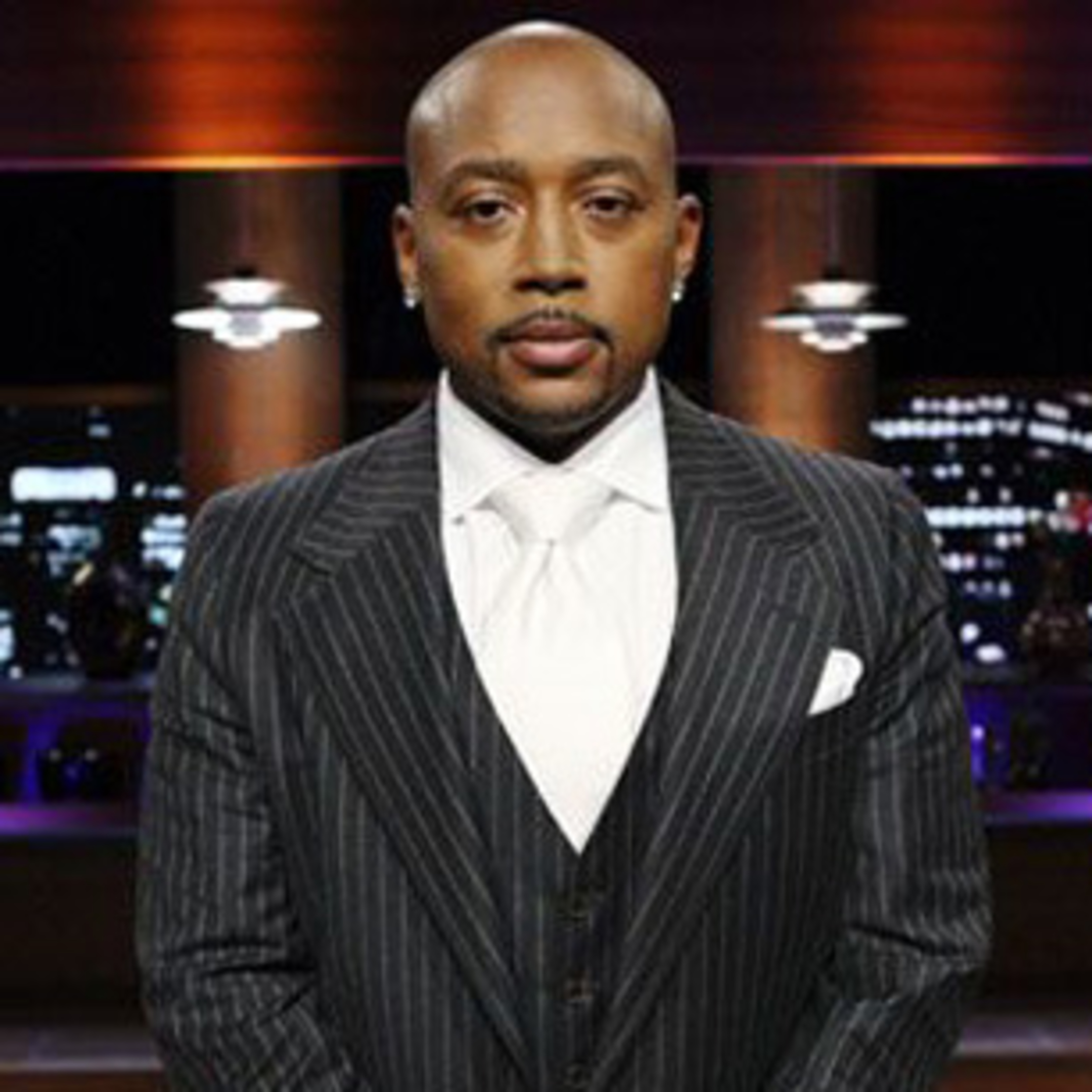
Evaluating the Business Legacy: Is Daymond John the Most Successful Shark?
Determining if Daymond John is the "most successful" shark requires a nuanced look at business metrics, as success in venture capitalism is measured differently by net worth, deal volume, and brand longevity. While Daymond John is a st...
Determining if Daymond John is the "most successful" shark requires a nuanced look at business metrics, as success in venture capitalism is measured differently by net worth, deal volume, and brand longevity. While Daymond John is a standout figure, his standing depends on whether one prioritizes personal net worth, historical deal performance, or long-term brand-building acumen compared to peers like Kevin O’Leary or Mark Cuban.
Contents
Defining Success in Venture Capitalism
The term "most successful" is inherently subjective in the context of the television program Shark Tank. Because the show features a panel of rotating and permanent investors—each with vastly different backgrounds—comparing them requires establishing clear performance criteria.
When viewers identify Daymond John as the most successful shark, they often conflate his personal financial trajectory with his "entrepreneurial spirit." John, the founder of the global apparel brand FUBU, built his fortune through organic growth and marketing ingenuity rather than traditional Wall Street financial instruments. In contrast, other sharks like Kevin O’Leary achieved success through corporate software sales, while Mark Cuban famously sold Broadcast.com to Yahoo! for $5.7 billion.
To evaluate his success, we must examine three specific pillars: his origin as a founder, his investing style on the show, and his long-term impact on the business ecosystem.
The FUBU Foundation and Practical Scaling
Daymond John’s primary claim to business prowess predates Shark Tank. By starting FUBU (For Us, By Us) in his mother’s basement in Queens, New York, in 1992, he demonstrated the ability to bootstrap a company from zero to a global powerhouse.
Unlike sharks who arrived with portfolios built on venture capital or equity buyouts, John’s expertise is rooted in direct-to-consumer apparel and brand licensing. This background informs his strategy on Shark Tank. He is frequently observed favoring companies that have a clear, scalable brand identity and those where he can leverage his extensive connections in the retail and apparel sectors. His success is not just in the capital he provides, but in the logistics and distribution networks he introduces to his portfolio companies.
Analyzing Investing Performance and Strategies
Comparing the sharks requires looking at deal structures. Some sharks prefer royalty deals, where they recoup their investment before seeing equity, while others, like John, often seek traditional equity stakes.
| Metric | Daymond John’s Approach | Comparative Context |
|---|---|---|
| Core Expertise | Apparel, Licensing, Branding | Varies (e.g., Software, Retail, Tech) |
| Deal Preference | High-growth consumer products | Diversified assets |
| Key Advantage | Mentorship and brand positioning | Direct infusion of capital |
| Risk Tolerance | Focused on sustainable, long-term gain | Ranges from aggressive to cautious |
The success of a "Shark" can also be measured by the survival rate of the businesses they fund. John is known for being highly selective. He is less likely than some of his counterparts to cast a wide net; instead, he dives deep into the specific companies that align with his vision. This high selectivity often results in a portfolio that, while perhaps smaller in total volume than those of sharks who invest in every other segment, is deeply integrated into his own business operations.
The Role of Media and Personal Branding
A significant, though often overlooked, factor in "success" is the ability to leverage a television platform into a personal brand. As of 2026, John has successfully transitioned from an apparel entrepreneur to a best-selling author and keynote speaker. This evolution is a form of business success that compounds his initial wealth. By positioning himself as a mentor and a guide for the next generation of entrepreneurs, he ensures his relevance in the business community regardless of the fluctuations in individual portfolio companies.
This multifaceted approach is why many perceive him as the most successful. He has diversified his "product" from being simply a clothing retailer to being an authority on the American Dream, making his personal brand a tangible asset that functions independently of the show.
Comparison to Other Sharks
It is crucial to resolve the ambiguity surrounding the "most successful" label by comparing him to those who hold higher net worths. If "success" is defined strictly by liquid net worth, Mark Cuban has historically held a lead due to the scale of his technology-sector exits. If success is defined by the number of deals closed, Lori Greiner often leads due to her focus on high-volume QVC-ready consumer products.
However, if success is defined by "from-the-bottom-up" growth—moving from a working-class background to a global industry leader—John’s narrative is often viewed as the most representative of the American entrepreneurial archetype. His success is tangible and relatable, which frequently resonates more deeply with the show’s audience than the more abstract, high-finance successes of his peers.
Common Misconceptions About "Shark" Success
Many viewers assume that the sharks invest their own money in every deal that goes to due diligence. In reality, the legal and financial processes behind the scenes are rigorous. Not every deal shown on screen survives the due diligence phase.
One common mistake is assessing success solely based on the number of deals. A shark who makes 100 small, failed investments is objectively less successful than one who makes 10, high-impact, long-term profitable investments. John’s success is often underestimated because he is seen as a "tough" judge who says "no" frequently. However, in the world of venture capital, the ability to say "no" is often a greater indicator of financial success than the tendency to say "yes."
Challenges and Limitations
John, like all investors, faces the reality of market volatility. The retail sector, his primary area of expertise, has faced massive disruption due to the rise of e-commerce and changing consumer behaviors between 2020 and 2026. His success is constantly tested by his ability to pivot his portfolio companies toward digital-first models.
His reliance on brand licensing is also a potential vulnerability; it requires constant vigilance to protect intellectual property and maintain brand relevance in a fast-moving social media landscape. These are not signs of failure, but rather the standard operational risks of a seasoned business professional.
Frequently Asked Questions
Does Daymond John still own FUBU? Yes, Daymond John remains the CEO and founder of FUBU. While the brand has shifted focus over the decades, he continues to manage its licensing and global operations, which remains a core pillar of his professional portfolio.
Is Daymond John the wealthiest Shark on the show? No. While his net worth is substantial and in the hundreds of millions, other sharks such as Mark Cuban have historically held higher valuations based on the sale of large-scale technology and sports assets.
How does Daymond John choose which businesses to invest in? He utilizes a criteria-based system often referred to as "S.H.A.R.K." (Set a goal, Homework, Amour, Remember you are the brand, Keep swimming). He prioritizes founders who understand their niche, have a clear path to market, and possess an authentic passion for their product.
What is the "Daymond Effect" on portfolio companies? The "Daymond Effect" refers to the immediate surge in brand awareness and credibility that a startup receives simply by having Daymond John associated with it. Beyond the capital, the marketing exposure often serves as a catalyst for growth that money alone could not buy.
Are the deals made on the show final? No. The agreements made on set are non-binding "handshake" deals. The actual legal and financial due diligence occurs after the show is filmed, during which time many deals are either restructured or fall through entirely.
Next Steps for Aspiring Entrepreneurs
If your goal is to replicate the type of success seen by Daymond John, the most practical step is to prioritize your "homework." Before seeking capital, ensure your business has a validated product-market fit. Focus on mastering the economics of your specific industry—whether it is apparel, tech, or services—and build a brand that speaks directly to a specific audience rather than trying to appeal to everyone. Success at the level of a "Shark" is rarely about the initial deal; it is about the sustained, disciplined effort to scale a business over decades.
Image Gallery