The Cultural Impact and Technical Execution of Latrell’s Dance Moment in White Chicks
Latrell Spencer’s iconic dance-off sequence in the 2004 comedy film White Chicks represents one of the most recognizable moments in modern cinema, blending physical comedy with intricate choreography. The scene features the character L...
Latrell Spencer’s iconic dance-off sequence in the 2004 comedy film White Chicks represents one of the most recognizable moments in modern cinema, blending physical comedy with intricate choreography. The scene features the character Latrell, portrayed by Terry Crews, engaging in a high-energy dance battle that serves as a pivotal point of character development and comedic relief, cementing the film's enduring legacy in internet culture.
Contents
The Context of the Performance
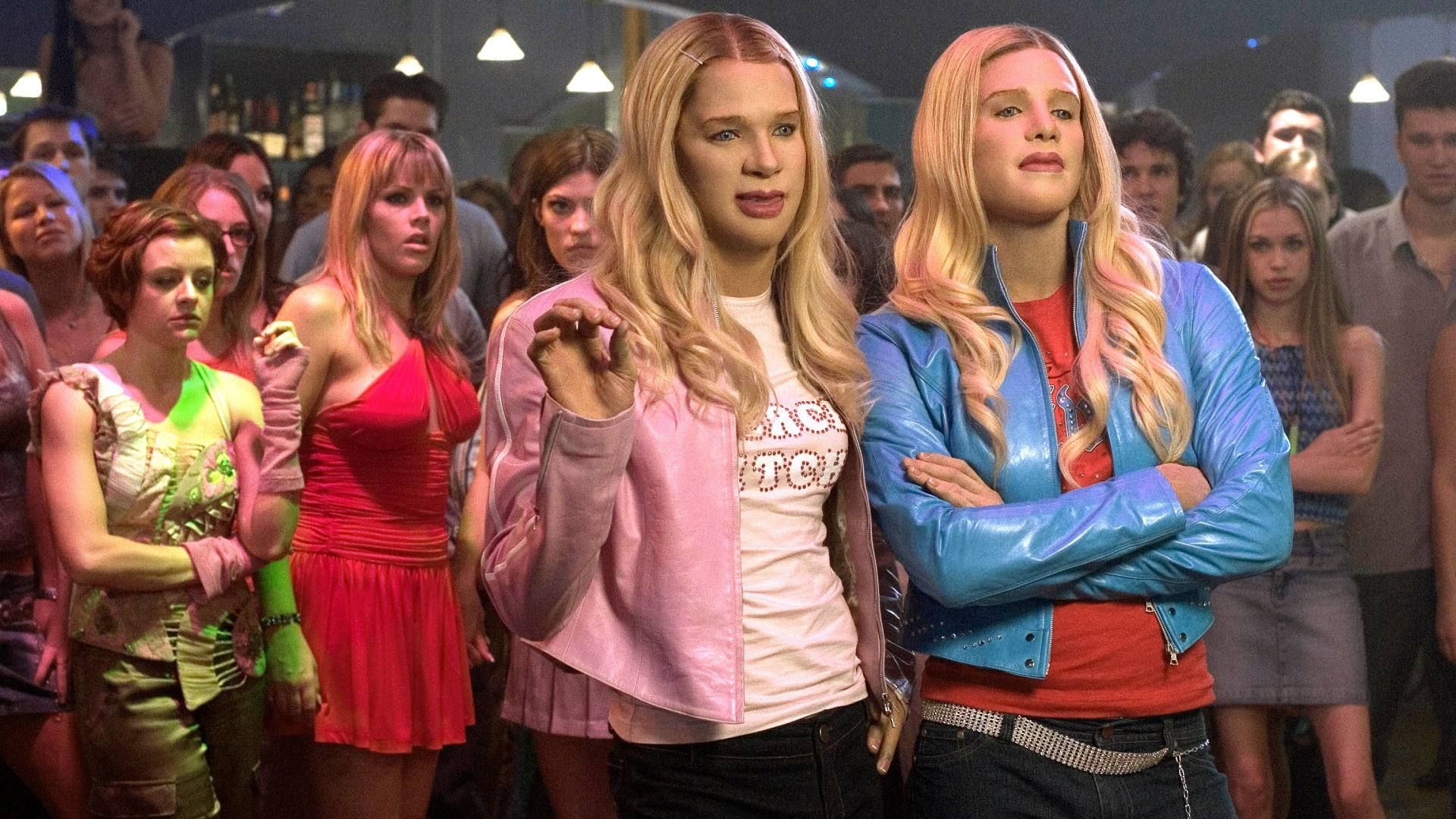
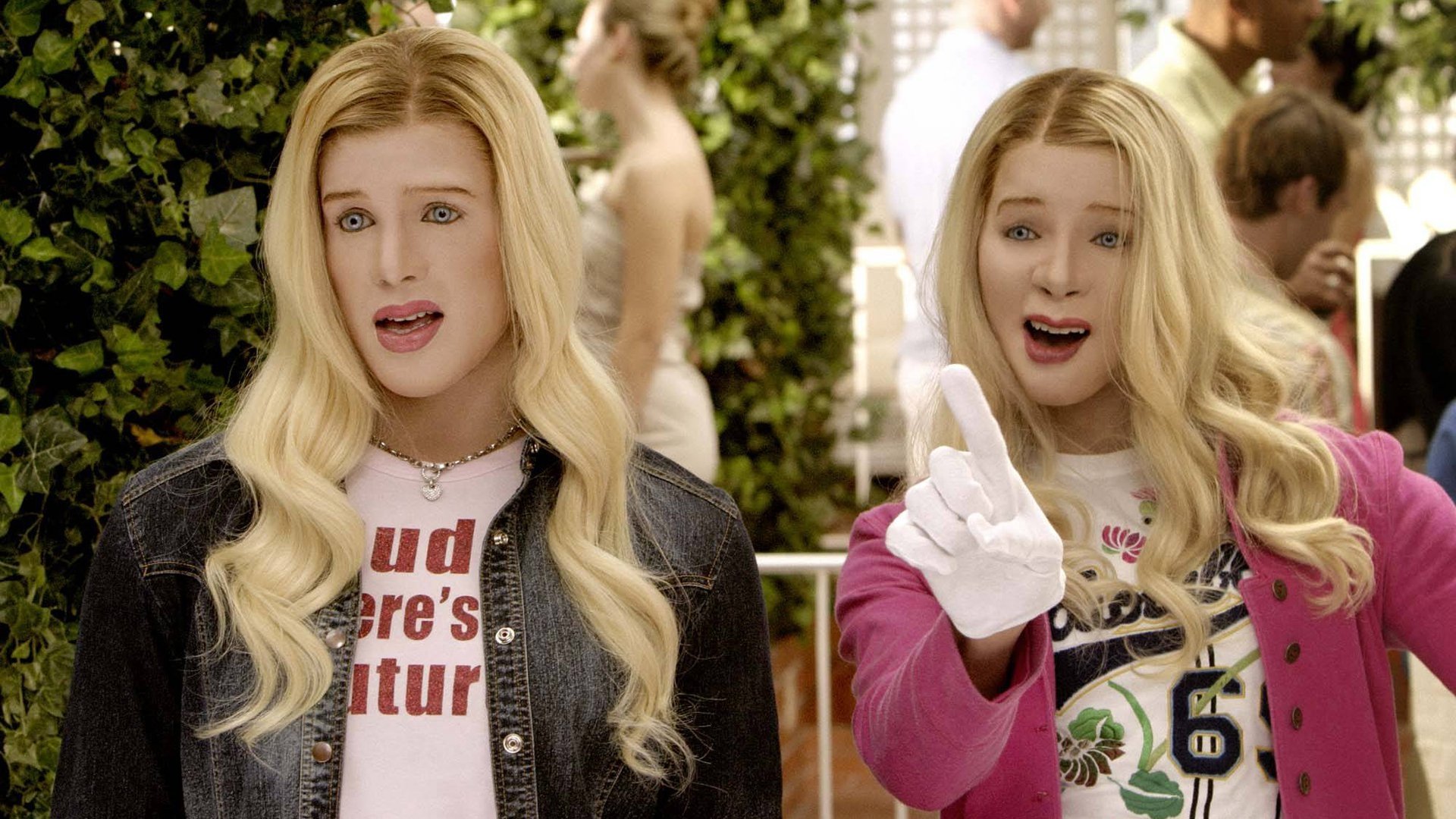
To understand the significance of Latrell’s dance moment, one must first consider the narrative framework of White Chicks. Directed by Keenen Ivory Wayans, the film follows two FBI agents—Kevin and Marcus Copeland, played by Shawn and Marlon Wayans—who go undercover as white socialites. Latrell Spencer, a professional basketball player played by Terry Crews, becomes infatuated with one of the undercover agents.
The dance scene occurs during a club sequence where Latrell attempts to win the affection of his target by showcasing his charisma and physical prowess. This moment is not merely a gag; it functions as a subversion of the traditional "alpha male" archetype. By channeling extreme enthusiasm into a choreographed routine, Terry Crews transformed a potentially one-dimensional character into a fan favorite.
Choreography and Physicality
The success of the dance moment is rooted in the physical commitment of Terry Crews. Unlike many comedic scenes that rely heavily on editing or stunt doubles, the dance-off was largely driven by Crews’ own rhythmic ability and intense athleticism. The sequence is defined by a rapid succession of iconic moves, most notably his synchronization to the song "A Thousand Miles" by Vanessa Carlton.
From a technical perspective, the scene requires a balance of timing, facial expressions, and improvisational energy. Crews’ ability to oscillate between aggressive posturing and absurdly fluid movements creates a comedic contrast that elevated the scene above standard slapstick. The choreography utilizes the space of the dance floor to establish Latrell as a dominant presence, while simultaneously signaling to the audience that his character lacks social awareness—the fundamental irony that drives the scene's humor.
Technical Elements and Production Value
The production of this scene involved specific cinematic choices that contributed to its longevity. The use of wide shots allowed the viewer to fully appreciate the scope of the dance, capturing the reactions of the surrounding cast members. This "reaction-shot" technique is a staple of comedy filmmaking, as it grounds the absurdity of the main action in the disbelief of the onlookers.
| Element | Technical Contribution |
|---|---|
| Musical Choice | The unexpected use of "A Thousand Miles" creates a humorous tonal clash. |
| Physicality | Terry Crews’ background as an NFL athlete provided the stamina required for the high-intensity performance. |
| Editing | Pacing that aligns with the beat drops ensures comedic timing remains tight. |
| Lighting | Club-style high-contrast lighting emphasizes the central performance space. |
The audio-visual synchronization of the scene remains a masterclass in musical comedy. By linking a sentimental pop ballad with the intense physical exertion of a dance-off, the creators achieved a "meme-ability" that has allowed the scene to persist in social media discourse decades after the film's release.
Cultural Legacy and Meme Status
In the years since the release of White Chicks, Latrell’s dance has transitioned from a film sequence to a cultural artifact. The rise of social media platforms has allowed users to replicate, remix, and share the dance, cementing its status as a foundational piece of internet humor. In 2026, the scene remains a common reference point in digital communication, often used to signify overwhelming enthusiasm, awkward pride, or a spontaneous desire to perform.
The longevity of the clip is not accidental. It taps into a universal comedic truth: the combination of total confidence and complete lack of situational awareness. Because the character of Latrell believes he is genuinely impressive, the audience is free to laugh at the absurdity of the situation without feeling that the humor is mean-spirited.
Challenges in Replicating the Moment
For fans attempting to recreate the dance, the primary difficulty lies in replicating the specific combination of intensity and precision that Crews brought to the role. Many amateur recreations fail because they prioritize the speed of the moves over the facial expressions. In the original performance, the eyes and the mouth are just as active as the legs and arms.
Furthermore, the scene serves as an example of why casting is crucial in comedy. A different actor might have played Latrell as a standard antagonist, which would have drained the scene of its charm. Crews’ ability to lean into the vulnerability of the character—his earnest, albeit misguided, pursuit of love—is what makes the performance endure.
Common Questions Regarding the Sequence
Who choreographed the dance in White Chicks? While Terry Crews brought his own athleticism to the role, the film utilized professional choreographers to structure the dance-off. The scene was designed to be modular, allowing for specific beats to be hit in rhythm with the musical score.
Why is "A Thousand Miles" associated with this scene? The song choice was scripted to provide a stark, hilarious contrast to the environment of a high-end dance club. Vanessa Carlton’s piano-driven ballad is structurally antithetical to the high-energy club music usually associated with such scenes, which is precisely why it works.
Did Terry Crews improvise the entire dance? While the framework of the dance was choreographed, the specific facial expressions and the "intensity" levels were largely improvised by Terry Crews on set. He drew from his own comedic instincts to make Latrell feel genuine rather than just a parody.
Is the dance considered a significant moment in film history? It is widely regarded as a high-water mark for mid-2000s comedic performance. Film scholars often cite the scene as a textbook example of how to use physical comedy to deepen characterization.
Can the dance be learned effectively? Because the dance is based on specific athletic movements rather than complex, traditional dance steps, it is accessible for most people to learn. Focus on the timing of the song's chorus, as that is when the most iconic movements occur.
Implementation and Practice Advice
If you are looking to replicate the essence of Latrell’s dance for a performance or a creative project, focus on the following priorities:
- Preparation: Study the clip in slow motion to break down the specific arm movements. The key is to keep the shoulders loose while the lower body remains firm.
- Facial Acting: The secret to the scene is the "look of total triumph." Your face should express that you believe you are the best dancer in the room, regardless of the actual quality of the movement.
- Audience Engagement: Do not look at your feet. The scene works because Latrell is constantly making eye contact with the other characters in the room. This direct, unblinking focus is essential to the comedic effect.
- Audio Synchronization: Ensure your audio playback is clear and the volume is high. The humor is 50% physical and 50% auditory—the music must be a character in the performance itself.
By focusing on these elements, you can capture the spirit of one of the most iconic moments in early 21st-century cinema. Whether you are performing it for fun or analyzing it as a piece of pop culture history, the dance remains a testament to the power of committed, physical acting.
Image Gallery