What a Federated Wireless Cloud Security Engineer Does: Roles, Responsibilities, and Technical Demands
A federated wireless cloud security engineer manages the architecture, implementation, and maintenance of security protocols across distributed wireless environments that rely on cloud-native integration. This role requires securing da...
A federated wireless cloud security engineer manages the architecture, implementation, and maintenance of security protocols across distributed wireless environments that rely on cloud-native integration. This role requires securing data traffic as it moves between private wireless infrastructure—such as Private LTE or 5G—and cloud-based management planes, ensuring that multi-tenant or multi-site federated systems maintain integrity, confidentiality, and low-latency availability.
Contents
The Intersection of Wireless Networking and Cloud Security
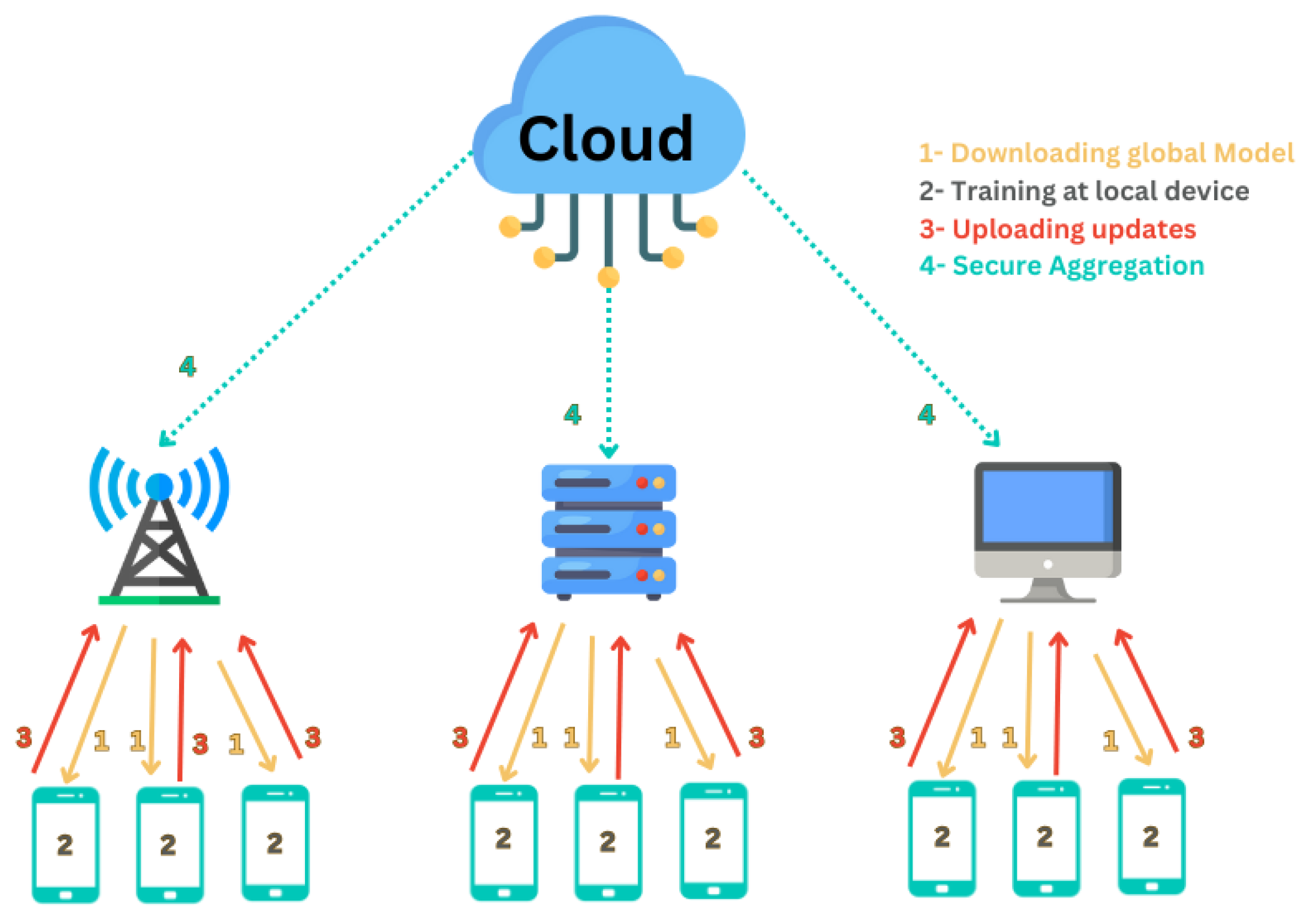
The role of a federated wireless cloud security engineer is distinct because it requires a hybrid expertise in radio access networks (RAN) and cloud-native security frameworks. Unlike traditional enterprise security engineers who focus largely on campus Wi-Fi or wired office networks, these engineers manage the "Federated" model—a deployment strategy where wireless resources are shared across different administrative domains, enterprises, or geographical sites while maintaining unified security policies.
In a 2026 enterprise landscape, this often involves the orchestration of Citizens Broadband Radio Service (CBRS) spectrum, private 5G networks, and multi-access edge computing (MEC). The engineer must ensure that these wireless assets are not just physically secured, but that the software-defined controllers and cloud-based policy engines governing them are hardened against sophisticated cyber threats.
Primary Responsibilities and Daily Operations
The day-to-day work of a federated wireless cloud security engineer is driven by the need to bridge the gap between volatile wireless environments and static cloud security postures.
Policy Orchestration and Identity Management
Because federated systems involve multiple stakeholders or nodes, the engineer must implement robust Identity and Access Management (IAM). This ensures that a device authorized to access a private wireless network in one location can securely authenticate with cloud resources in another. This involves managing Public Key Infrastructure (PKI) and ensuring that certificate-based authentication is propagated across the entire federated network.
Security Posture in Multi-Cloud Environments
Modern wireless infrastructure rarely sits in a single data center. It is often distributed across various cloud service providers (CSPs). The engineer designs security groups and Virtual Private Cloud (VPC) ingress/egress rules that allow cellular-connected devices (IoT, robotics, or handheld devices) to reach their target applications without exposing the internal network infrastructure to the public internet.
Threat Detection and Response in Wireless Flows
Traffic on a wireless network is inherently harder to inspect than traffic on a wired line because of the abstraction layers in cellular protocols. The security engineer implements solutions that can inspect payload data within the User Plane (UPF) of a 5G core. They monitor for anomalous behavior that could indicate a "Man-in-the-Middle" (MitM) attack or an unauthorized device attempting to spoof network identity tokens.
Technical Requirements and Skill Sets
A successful practitioner in this field must possess a unique blend of telecommunications knowledge and software-defined networking expertise.
| Skill Category | Specific Technical Competencies |
|---|---|
| Wireless Protocols | 5G NR (New Radio), LTE, CBRS, 3GPP security standards. |
| Cloud Platforms | AWS (Outposts/Wavelength), Azure (Private MEC), GCP. |
| Security Frameworks | Zero Trust Architecture (ZTA), SASE (Secure Access Service Edge). |
| Automation | Terraform, Ansible, Python for CI/CD pipeline security. |
| Network Security | IPsec, DTLS, eNodeB/gNodeB hardening, firewalls. |
The Move Toward Zero Trust Architecture
In the federated model, the network perimeter is effectively non-existent. A federated wireless cloud security engineer operates under the assumption that the network is already compromised. Consequently, they spend significant time configuring micro-segmentation. This limits the "blast radius" if a single device or cloud node is breached, preventing lateral movement within the wireless infrastructure.
Navigating Regulatory and Spectrum Compliance
Wireless security isn't just about cyber defense; it is also about regulatory compliance. In the United States, engineers working with CBRS must ensure that their security architecture does not interfere with the Spectrum Access System (SAS) administrators. Any failure in the security stack that leads to unauthorized transmissions on restricted spectrum can result in significant legal and operational penalties.
The security engineer must ensure that all logging and auditing tools meet the requirements of the Federal Communications Commission (FCC) and relevant industry-specific compliance frameworks like HIPAA (for healthcare providers using private wireless) or NERC CIP (for utility companies).
Common Challenges and Troubleshooting
The complexity of these systems often leads to unique troubleshooting scenarios that a standard IT professional might not encounter.
Latency vs. Security Trade-offs
One of the most persistent issues is the balance between deep packet inspection (DPI) and latency. Many federated wireless applications—such as autonomous industrial vehicles or remote surgery—require ultra-low latency. If the security engineer adds too many inspection layers or complex encryption overhead, the network performance degrades. The engineer must optimize hardware security modules (HSMs) and cloud-native acceleration to maintain security without triggering latency spikes.
Interoperability Issues in Federated Nodes
When an organization federates its wireless security across different vendors or physical sites, incompatibilities between software versions often create "blind spots." An engineer must perform regular audits of the security policy synchronization across nodes to ensure that a change made at the core controller is actually enforced at the local edge site.
Establishing a Career in This Niche
As of 2026, the demand for this specialization is growing as organizations migrate to Industry 4.0 applications. To excel, professionals often hold certifications that combine wireless and cloud expertise. Common professional milestones include:
- Telecommunications Certification: Demonstrating deep knowledge of 3GPP and cellular standards.
- Cloud Security Certification: Advanced certifications focused on cloud-native security (e.g., CCSP).
- Hands-on Lab Simulation: Building a testbed using open-source projects like OpenAirInterface or srsRAN to understand the interaction between hardware radios and cloud cores.
Related Frequently Asked Questions
What is the difference between this role and a standard Cloud Security Engineer? A standard cloud security engineer focuses on protecting data at rest and in transit within cloud environments. A federated wireless cloud security engineer adds the complex layer of the wireless transport network, managing how devices (which move geographically) connect and authenticate into that cloud.
How does 5G affect the security engineer's work? 5G introduces a Service-Based Architecture (SBA). The security engineer is no longer just securing hardware pipes; they are securing APIs and service meshes that manage network slicing, where different performance levels are carved out for different types of traffic.
What is the "federated" part of the job title? "Federated" refers to a system of systems. It involves multiple distinct network domains trusting a centralized identity or policy provider. The engineer manages the trust relationships and cryptographic handshakes required to keep these domains talking securely.
Can this role be performed remotely? While the management planes are cloud-based and accessible remotely, the role often requires physical access to sites for the purpose of validating antenna configurations, physical port security, and "on-the-ground" testing of wireless signal integrity.
How does this role handle IoT security? Because many IoT devices lack the compute power for heavy encryption, the security engineer must design "proxy security" mechanisms where the wireless core handles the authentication and encryption on behalf of the low-power devices.
Recommendations for Practitioners
If you are currently looking to move into this field, focus on mastering the security of the control plane. While the data plane (the actual traffic) is important, the control plane is where the most critical vulnerabilities in federated wireless systems reside. Reviewing the latest 3GPP security specifications (specifically Release 18 and beyond) is essential to staying current with the protocols that define how federated nodes should verify one another in 2026. Prioritize gaining experience with automated CI/CD security scanning for network function software, as manual configuration is no longer scalable in modern federated environments.
Image Gallery