Understanding Air Conditioner Age: How to Determine When Your System Was Manufactured
Knowing the age of an air conditioning system helps homeowners plan for future budgeting, evaluate maintenance costs, optimize energy efficiency, and anticipate necessary equipment replacements. Because central air conditioners and hea...
Knowing the age of an air conditioning system helps homeowners plan for future budgeting, evaluate maintenance costs, optimize energy efficiency, and anticipate necessary equipment replacements. Because central air conditioners and heat pumps typically last between 10 to 15 years—depending on environmental conditions, maintenance history, and usage intensity—identifying the installation or manufacturing date is vital for property management.
Contents
Why Air Conditioner Age Matters
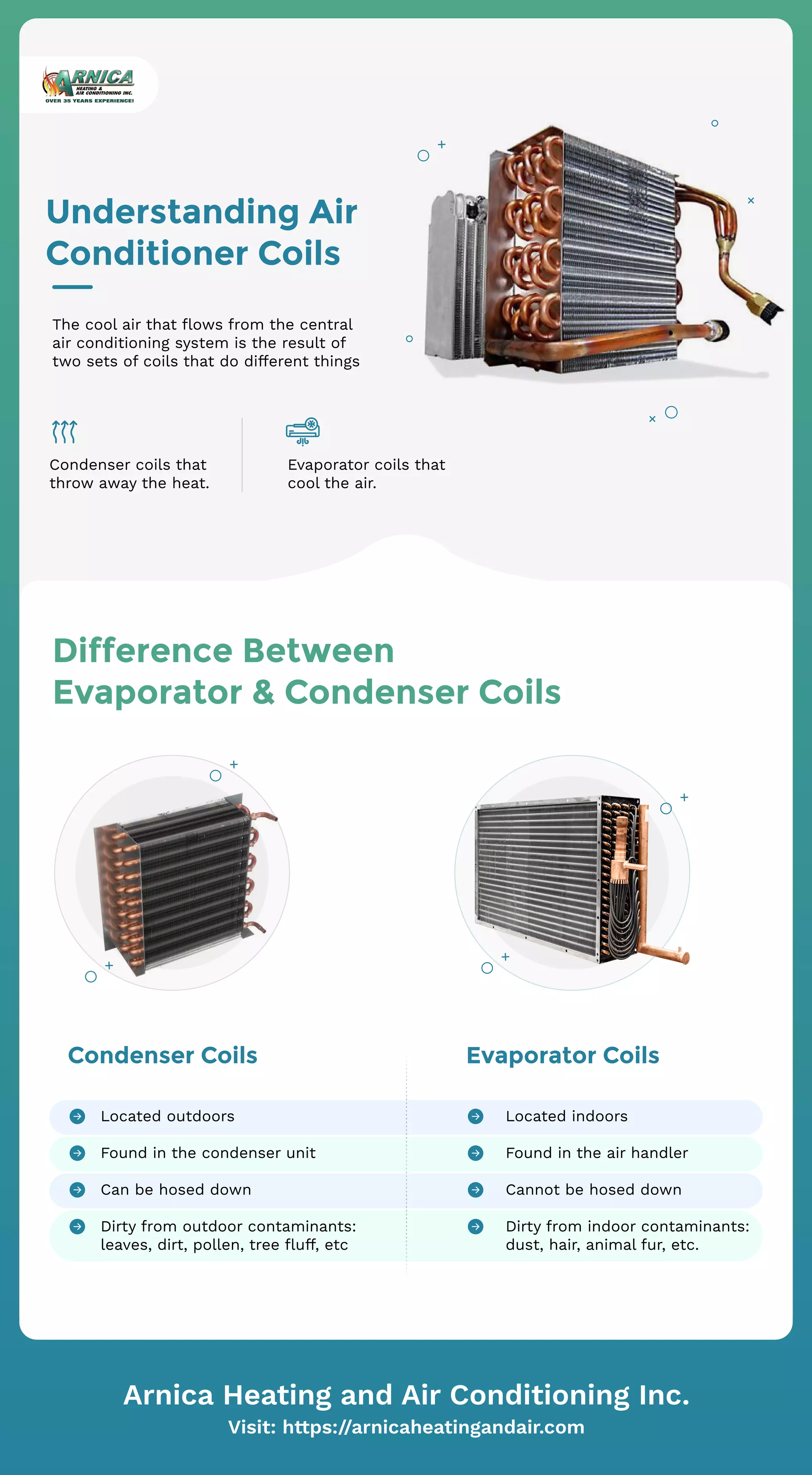
An air conditioner's age serves as the primary baseline for evaluating its overall health, operating efficiency, and remaining service life. As residential and commercial cooling systems age, their internal components—such as compressors, fan motors, and evaporator coils—undergo normal wear and tear. This mechanical degradation directly impacts performance, leading to longer run times, higher monthly utility bills, and a reduced capacity to control indoor humidity.
Furthermore, understanding the age of a cooling unit dictates repair versus replacement decisions. When an out-of-warranty system suffers a major mechanical failure, such as a burned-out compressor or a refrigerant leak in an older coil, the cost of repair often outweighs the residual value of the equipment. Knowing that a system is 12 or 15 years old helps homeowners avoid sinking substantial financial resources into obsolete hardware.
Additionally, age dictates regulatory compliance and refrigerant compatibility. Older systems manufactured before the complete phase-out of R-22 (Freon) refrigerant operate on chemical compounds that are expensive to service and legally restricted in production. Identifying an older unit alerts property owners to potential environmental hazards, outdated electrical draws, and the impending need to transition toward modern, eco-friendly cooling standards.
Locating the Data Plate and Serial Number
To determine the exact age of an air conditioning unit, you must locate the manufacturer's data plate, also known as the rating plate or specification sticker. This metallic or weather-resistant sticker contains essential technical data regarding the equipment, including the model number, serial number, electrical requirements, refrigerant type, and manufacturing date.
Where to Find the Rating Plate
On split-system central air conditioners and heat pumps, the outdoor condensing unit features a data plate typically affixed to the exterior metal housing, often near the electrical service panel or control box access door. For packaged units or indoor gas-electric furnaces, the label is usually located near the blower compartment door or behind the primary service panel.
What Information to Look For
When examining the data plate, focus on two distinct strings of characters:
- Model Number: Indicates the series, cooling capacity (often expressed in BTUs or nominal tonnage), efficiency rating, and design generation.
- Serial Number: Encodes the specific production batch, factory location, and exact date or week/year of manufacture.
If the outdoor sticker has faded, peeled, or weathered away due to exposure to direct sunlight and precipitation, look for a secondary duplicate sticker located on the indoor air handler or evaporator coil casing within the attic, crawlspace, or utility closet.
Decoding Serial Numbers by Manufacturer
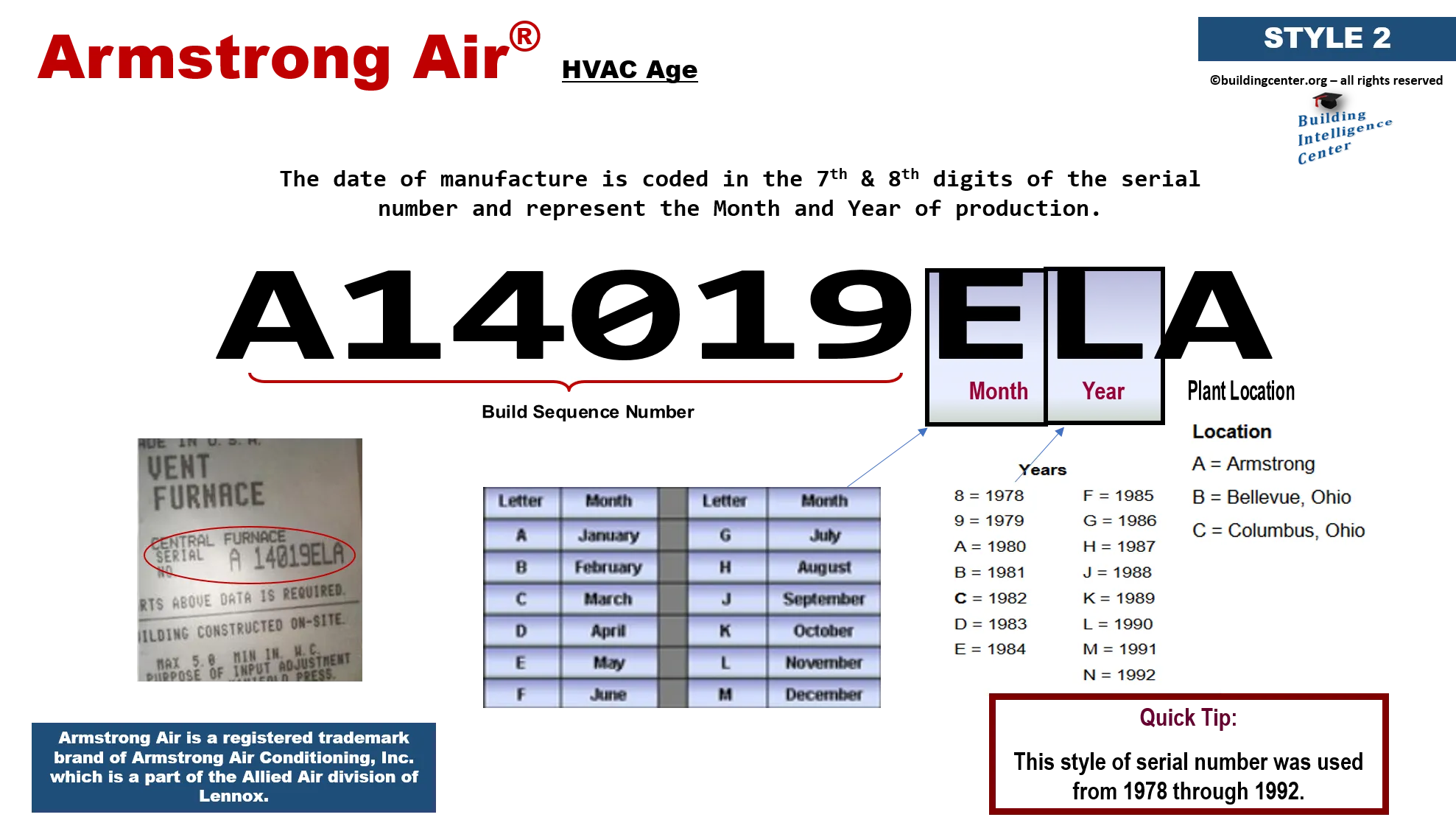
Manufacturers do not use a single universal format for serial numbers. Instead, each brand utilizes its own proprietary coding structure to embed the production date. Deciphering these codes requires understanding the specific syntax of the brand installed on your property.
Carrier, Bryant, and Payne
Carrier and its sister brands generally encode the manufacturing date within the first four digits of the serial number, particularly in modern formats. A four-digit number representing the week and year (WWYY) is standard for many models. For example, a serial number beginning with 2418 indicates that the unit was manufactured in the 24th week of 2018. Older Carrier models may use a letter-and-number sequence where a specific letter correlates to a calendar month and subsequent digits denote the year.
Trane and American Standard
Trane and American Standard serial numbers typically begin with a letter followed by a string of numbers. The first letter in the sequence corresponds to a specific manufacturing year. For instance, the letter L might represent a specific production year within a decade cycle. Because these letter designations repeat every decade, reference charts or professional contractor lookup tools are often required to confirm whether "L" signifies an older or newer decade.
Lennox
Lennox serial numbers rely heavily on a four-digit year and month (YYMM) format for modern equipment. If a Lennox serial number begins with 1906, the first two digits (19) represent the year 2019, and the last two digits (06) represent the month of June. Older Lennox units utilized a letter-based code where the first two letters indicated the year and month of manufacture.
Goodman, Amana, and Daikin
Goodman and its associated brands typically feature a serial number where the first two or four digits represent the production date. Modern Goodman units frequently use a YYMM prefix, making it straightforward to identify the year and month at a glance. Older units integrated the year into the beginning digits, though decoding guides help verify exact production eras.
Air Conditioner Age Verification Methods
| Brand Family | Common Serial Number Format | Decoding Method | Typical Lifespan |
|---|---|---|---|
| Carrier / Bryant | WWYY (Week/Year) or Letter/Number | First 4 digits indicate production week and year. | 12–15 Years |
| Trane / American Standard | Letter followed by numbers | First letter corresponds to the manufacturing year code. | 15–20 Years |
| Lennox | YYMM (Year/Month) | First 4 digits represent the production year and month. | 10–15 Years |
| Goodman / Amana | YYMM or Numeric Sequence | First 2 to 4 digits indicate year and month of build. | 10–12 Years |
Alternative Methods to Estimate Age
When data plates are completely obliterated, painted over, or missing entirely, determining the exact age requires alternative investigative techniques. While these methods yield estimates rather than definitive manufacturing dates, they provide reliable context for property owners.
Inspecting Component Date Codes
Inside the outdoor unit's control panel, individual electrical components—such as the compressor, condenser fan motor, contactor, and capacitor—often feature stamped manufacturing dates or paper stickers applied by component suppliers. While parts like capacitors and contactors are common wear-and-tear items that get replaced during routine maintenance, the compressor and fan motor often date back to the original factory assembly. Checking the stamp on the main compressor housing can narrow down the installation window.
Reviewing Real Estate and Permit Records
For residential properties, municipal building permit archives offer definitive documentation. HVAC replacements typically require local mechanical permits. Searching your local city or county building department database using the property address can reveal the exact date a replacement system was permitted and inspected. Additionally, home inspection reports from previous real estate transactions often record the estimated age and condition of the HVAC infrastructure.
Evaluating Design Styles and Refrigerant Types
The physical characteristics of the equipment also hint at its manufacturing era. Systems utilizing R-22 refrigerant were manufactured primarily before the 2010 regulatory ban on producing new equipment charged with HCFCs. If an air conditioner explicitly states "R-22" on the warning label, it was manufactured prior to 2010, making the unit at least 16 years old as of 2026. Conversely, modern systems manufactured after 2010 utilize R-410A or newer transition refrigerants.
Common Mistakes When Determining Equipment Age
Property owners attempting to date their cooling systems frequently make errors that lead to miscalculated replacement timelines.
One common mistake is confusing the installation date with the manufacturing date. An air conditioning unit might sit in a distributor's warehouse or a wholesale supply house for several months—or occasionally a few years—before a contractor installs it on a property. While the manufacturing date reflects when the factory built the hardware, the installation date marks the beginning of its active service life.
Another frequent error is relying solely on the age of the indoor furnace or air handler when evaluating a split system. In many residential properties, homeowners replace the outdoor condensing unit while retaining the older indoor coil or furnace, or vice versa. Because mismatched indoor and outdoor components can operate at different efficiency levels and ages, you must check the data plates on both major components to understand the complete system age.
Finally, assuming that a well-maintained system lasts indefinitely leads to unexpected breakdowns. Even units that have received annual tune-ups experience structural metal fatigue, electrical insulation breakdown, and compressor efficiency decline past the 15-year mark.
Practical Next Steps for Property Owners
Once you have successfully determined the age of your air conditioning system, take actionable steps to manage your home climate infrastructure effectively:
- Document the Findings: Record the brand, exact model number, serial number, and manufacturing date in your home management files or maintenance log.
- Evaluate Warranty Status: Check whether your equipment is still covered under parts or compressor warranties. Most manufacturer warranties expire after 5 or 10 years, depending on whether the original owner registered the equipment upon installation.
- Assess Performance and Efficiency: If your system is approaching or has exceeded its expected lifespan (10 to 15 years), monitor your monthly electricity consumption and schedule annual preventative maintenance to catch failing parts before they cause a complete breakdown.
- Consult a Licensed Professional: If serial number decoding proves inconclusive, ask a certified HVAC technician to check the manufacturer database during your next scheduled tune-up.
Frequently Asked Questions
How can I find my air conditioner's age if the sticker is missing?
If the outdoor data plate is missing or unreadable, check the indoor air handler or evaporator coil casing for a duplicate sticker. You can also inspect the manufacturing date stamps printed on internal components like the compressor or review municipal building permits from when the HVAC system was replaced.
Does an air conditioner last longer if it is not used often?
While lower run times reduce mechanical wear on moving parts, non-use introduces other risks. Seasonal systems sitting idle for months can experience seal degradation, electrical contact corrosion, and refrigerant leaks. Regular operation and annual maintenance are more critical to longevity than idle time.
Is an R-22 air conditioner worth repairing?
Systems operating on R-22 refrigerant were manufactured before 2010, meaning they are over 16 years old. Because R-22 production and importation are banned, acquiring remaining chemical supplies for repairs is expensive. When an older R-22 unit suffers a major failure, replacement is generally more cost-effective than repair.
What is the average lifespan of a central air conditioner?
Most residential central air conditioning systems last between 10 and 15 years. Units installed in harsh coastal environments with high salt exposure or extreme desert heat may fail sooner, while systems in moderate climates with diligent maintenance can approach 20 years.
Image Gallery