Navigating Real Estate Agent Fees in NYC: What Buyers, Sellers, and Renters Need to Know
Real estate agent fees in NYC typically range from 5% to 6% of the purchase price for home sellers, while renters often face broker fees spanning 8% to 15% of the annual rent or a full month's rent. Because New York City operates under...
Real estate agent fees in NYC typically range from 5% to 6% of the purchase price for home sellers, while renters often face broker fees spanning 8% to 15% of the annual rent or a full month's rent. Because New York City operates under a uniquely complex housing market characterized by high property values, co-op boards, and specialized brokerage structures, understanding how these commissions and fees are calculated, distributed, and negotiated is essential for anyone entering the market in 2026.
Contents
Navigating the financial landscape of New York City real estate requires a firm grasp of transaction costs. Whether you are listing a condominium in Manhattan, purchasing a cooperative apartment in Brooklyn, or searching for a rental in Queens, brokerage compensation models dictate a significant portion of your upfront and closing expenses.
The Landscape of NYC Real Estate Transactions
The New York City real estate market diverges significantly from suburban and rural markets across the United States. Transactions involve distinct property types—primarily condominiums, cooperatives (co-ops), and single-family townhouses—each governed by different regulatory frameworks, board approvals, and contractual obligations. Real estate agents, brokers, and salespersons navigate these hurdles on behalf of clients, earning compensation structured around the transaction's ultimate value.
Unlike simpler markets where commission rates are loosely standardized, NYC features a highly competitive agency environment. Brokerages range from massive multinational firms to boutique local agencies. Understanding who pays whom, when those fees are due, and how changes in the broader real estate industry impact local practices helps participants budget accurately and avoid unexpected financial strain.
Seller Agent Fees: Commissions on Property Sales
When selling a home in New York City, the seller is traditionally responsible for paying the total real estate commission. This fee covers the services provided by the listing (seller's) agent and is typically shared with the buyer's agent through cooperative compensation agreements managed via local listing databases like the Real Estate Board of New York (REBNY) Listing Service.
Standard Commission Percentages
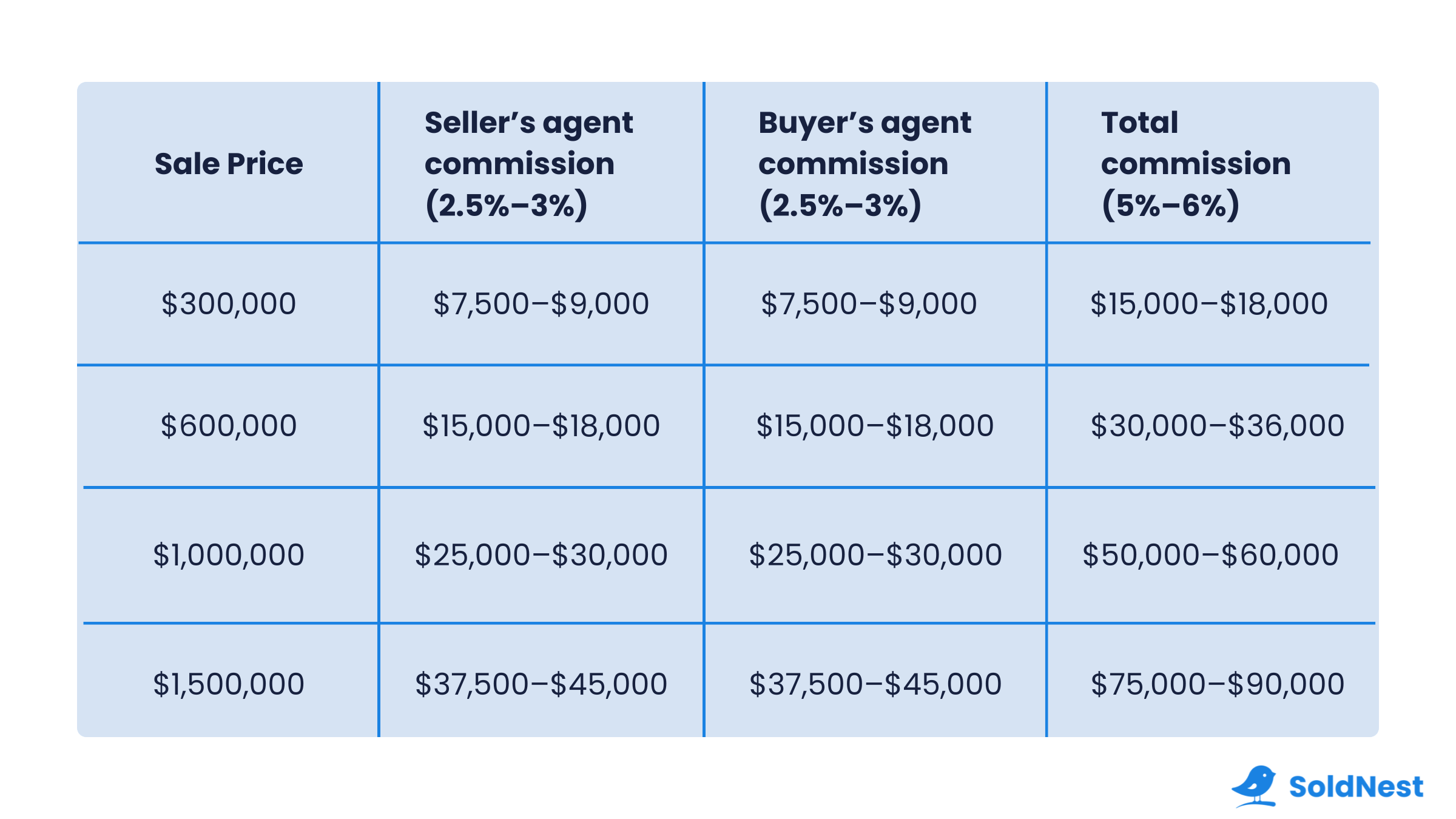
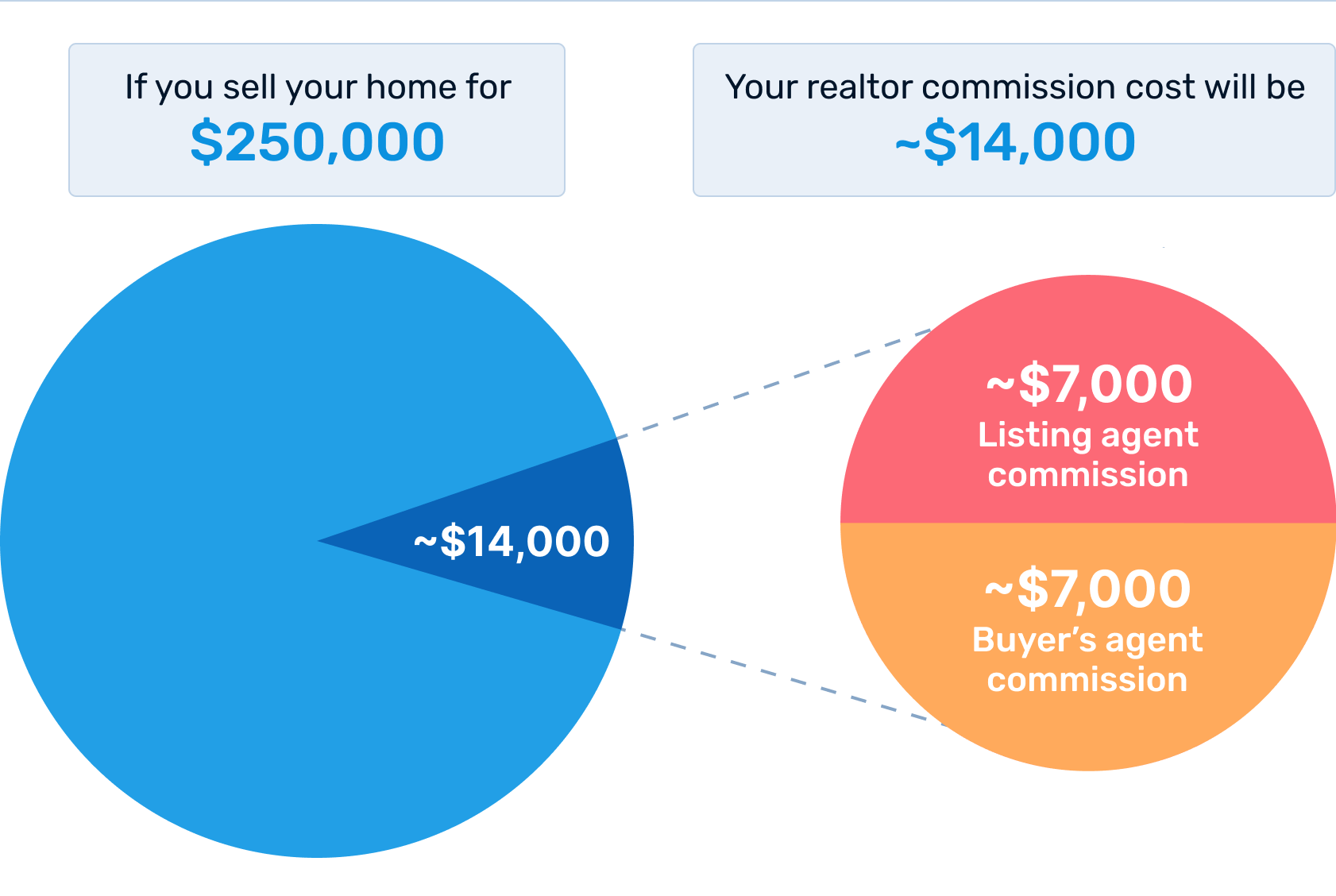
In NYC, the standard commission rate for selling a residential property generally hovers between 5% and 6% of the final purchase price. On a multi-million-dollar Manhattan apartment, this percentage translates to a substantial cash outlay. For example, a 6% commission on a $2 million co-op sale amounts to $120,000.
This total fee is usually split evenly between the two participating brokerages:
- Listing Brokerage: 2.5% to 3%
- Buyer’s Brokerage: 2.5% to 3%
How Commissions are Split and Distributed
The gross commission paid to the brokerage firm is rarely kept entirely by the individual agent. Agents operate under an employment or independent contractor agreement with their brokerages, splitting their earnings according to a negotiated commission split (which can range from 50/50 to 90/10 in favor of top-producing agents). Furthermore, agents must often cover their own marketing costs, professional photography, and staging expenses out of their share, though luxury properties often include these services within higher-tier brokerage packages.
Buyer Agent Representation and Compensation
The structure of buyer representation has undergone significant scrutiny and evolution, particularly following nationwide settlement agreements within the real estate industry that decoupled buyer-broker compensation from mandatory offers of compensation on multiple listing services.
Buyer-Broker Agreements
In NYC, buyers who wish to retain dedicated professional representation to find properties, analyze building financials, and negotiate purchase terms typically sign a Exclusive Buyer Representation Agreement. This contract outlines the agent's scope of work and the agreed-upon compensation structure.
Who Pays the Buyer’s Agent?
While sellers traditionally covered buyer agent fees through shared commission structures, buyers should be prepared for various scenarios:
- Seller-Paid Commission: The seller's listing agreement continues to offer a specified cooperative commission to the buyer's broker.
- Buyer-Paid Commission: If the seller offers no compensation (or an amount lower than agreed in the buyer-broker contract), the buyer may be contractually obligated to pay the difference or the entire fee directly.
- Negotiated Credits: Buyers can sometimes negotiate for the seller to credit a portion of the purchase price back at closing to help cover buyer-side brokerage costs, subject to lender and co-op board approval.
Rental Broker Fees in NYC
Renting an apartment in New York City introduces an entirely separate set of fee structures that frequently surprise newcomers. Unlike most of the United States, where landlords typically pay leasing agents, NYC tenants have historically borne the brunt of broker fees.
Tenant-Paid Broker Fees
When a rental apartment is listed exclusively by a brokerage representing the landlord, or when a renter hires a tenant's broker to find an apartment, a broker fee is usually assessed. These fees typically fall into two categories:
- Percentage of Annual Rent: Ranging from 12% to 15% of the total rent for the 12-month lease term. On an apartment renting for $4,000 per month ($48,000 annually), a 15% fee equals $7,200.
- Flat One Month’s Rent: Equivalent to 100% of the monthly rent.
No-Fee Apartments Explained
A "no-fee" listing does not mean the apartment is entirely free of brokerage involvement. Instead, it means the landlord pays the broker's commission, usually by baking the cost into the monthly rent or by utilizing an in-house leasing team. While renters save on steep upfront costs with no-fee apartments, their monthly baseline rent may be higher than comparable units charging an upfront broker fee.
| Fee Type | Typical Cost Range | Responsible Party | When Paid |
|---|---|---|---|
| Seller Commission | 5% - 6% of purchase price | Seller | At closing |
| Buyer Representation | 2.5% - 3% or flat fee | Buyer (unless covered by seller) | At closing |
| Rental Broker Fee | 8% - 15% of annual rent (or 1 month) | Tenant (unless listed as "no-fee") | Lease signing |
| Co-op/Condo Application Fees | $200 - $1,500+ | Applicant (Buyer/Tenant) | Upon application submission |
Additional Transaction and Administrative Fees
Beyond direct agent commissions and broker fees, NYC real estate transactions entail various administrative and legal fees that buyers, sellers, and renters must budget for.
Co-op and Condo Building Fees
New York City co-op and condo boards are notorious for requiring extensive application packages, credit checks, and financial disclosures. Applicants must account for:
- Application Processing Fees: Ranging from $200 to over $1,000 per building.
- Move-In/Move-Out Deposits: Refundable or non-refundable fees ranging from $500 to $2,000 to cover potential damage to common areas during transit.
- Credit Check and Background Fees: Typically $50 to $150 per applicant.
Legal Representation
Real estate attorneys are mandatory for transactions in New York State. Buyers and sellers retain independent counsel to review contracts, negotiate terms, perform title searches, and represent them at closing. Legal fees for residential transactions generally range from $2,000 to $5,000+, depending on the complexity of the deal.
Factors Influencing Agent Fees
Real estate agent fees in NYC are not legally fixed by law; all commissions are fully negotiable. Several market and property-specific factors influence the final rate negotiated between clients and brokerages:
- Property Value and Price Point: High-value luxury properties (e.g., apartments valued at $5 million or more) often command lower percentage commission rates, as brokerages are willing to discount the percentage in exchange for a massive gross dollar return. Conversely, lower-priced properties or unique niche listings may involve higher percentage rates or minimum flat fees.
- Market Conditions (Buyer's vs. Seller's Market): In a competitive seller's market where inventory is scarce, agents have more leverage to maintain standard commission rates. In a buyer's market, sellers have greater room to negotiate lower listing commissions or demand that agents make marketing concessions.
- Exclusive vs. Open Listings: Signing an Exclusive Right to Sell agreement ensures the agent receives their commission regardless of who finds the buyer, incentivizing them to invest heavily in marketing. Open listings, where multiple agents market the property without exclusivity, often feature different fee structures and lower agent commitment.
Frequently Asked Questions
Are NYC real estate agent commissions negotiable?
Yes. Under federal and state guidelines, real estate commissions are entirely negotiable between the client and the brokerage firm. There is no set standard or legal rate, though market norms generally cluster around 5% to 6% for sales.
Who pays the broker fee on a rental apartment in NYC?
Historically, tenants have paid the broker fee on rental apartments. However, market competition and legislative discussions continue to influence rental practices, and an increasing number of units are marketed as "no-fee" rentals where the landlord absorbs the brokerage cost.
Can I deduct real estate agent commissions on my taxes?
For sellers, real estate commissions are generally not deducted directly as a line-item expense; instead, they are subtracted from the gross sales price when calculating capital gains tax. For investors purchasing commercial or residential investment property, closing costs and commissions are typically capitalized and depreciated over time. Consult a qualified CPA for personalized tax advice.
What is the difference between a co-op and condo application fee?
Co-op boards are notoriously strict and often charge higher application fees, flip taxes (paid by the seller), and administrative processing costs compared to condominiums, which generally have more lenient transfer rules and lower administrative overhead.
What should I look for in a buyer representation agreement?
Key items to review include the length of the contract term, the geographic scope, the exact compensation owed to the agent, cancellation terms, and whether dual agency (where the same agent represents both buyer and seller) is permitted.
Next Steps for Buyers, Sellers, and Renters
Navigating NYC real estate agent fees requires careful financial preparation and transparent communication with professionals. Before signing any representation agreement or listing contract, interview multiple agents, review past comparable sales or rentals in your target neighborhood, and clarify all fee expectations in writing. By understanding how compensation structures operate across sales and rentals, you can protect your financial interests and secure professional representation tailored to your goals.
Image Gallery