How to Approach Gutter Repair in Baltimore
Approaching gutter repair in Baltimore requires understanding the Mid-Atlantic’s unique climate stresses, from heavy spring thunderstorms to freezing winter ice dams. Homeowners must balance immediate leak remediation, material selecti...
Approaching gutter repair in Baltimore requires understanding the Mid-Atlantic’s unique climate stresses, from heavy spring thunderstorms to freezing winter ice dams. Homeowners must balance immediate leak remediation, material selection for historic or modern properties, and proper seasonal maintenance schedules to prevent costly structural water damage.
Contents
Understanding Baltimore’s Climate and Your Gutters
Baltimore sits in a transition zone featuring humid subtropical weather characterized by heavy precipitation throughout the year. The local environment introduces severe environmental pressures on residential and commercial drainage systems. Spring brings intense downpours that test system capacity, while autumn drops heavy layers of organic debris—particularly from the dense canopy of oak, maple, and sycamore trees prevalent in neighborhoods like Roland Park, Homeland, and Guilford.
When winter arrives, fluctuating temperatures cause freeze-thaw cycles. Melted snow runs down a cold roof, refreezes at the eaves, and creates ice dams. These frozen blockages force water underneath shingles and rip gutters away from their fascia boards under the sheer weight of accumulated ice. Understanding these local meteorological realities is the foundational first step for any targeted repair strategy.
Identifying Common Gutter Failures and Damage Patterns
Before selecting a repair method, you must conduct a thorough diagnostic assessment of your drainage system. Visual inspections during or immediately following heavy rainfall offer the clearest picture of performance failures. Look for water spilling over the front edge of the trough, which typically indicates a blockage, incorrect pitch, or insufficient capacity. Conversely, water pooling directly beneath the drip edge points to sagging sections or misaligned hangers.
Common failure modes in Baltimore properties include:
- Seam Separation: Older aluminum and galvanized steel systems rely on sealed joints that crack and leak after years of thermal expansion and contraction.
- Fascia Rot: Chronic overflow or missing flashing rots the wooden framing behind the gutter, destroying the structural anchor points required for secure fastening.
- Corrosion and Rust: Galvanized steel systems develop rust perforation within 15 to 20 years if interior protective coatings fail due to standing acidic debris.
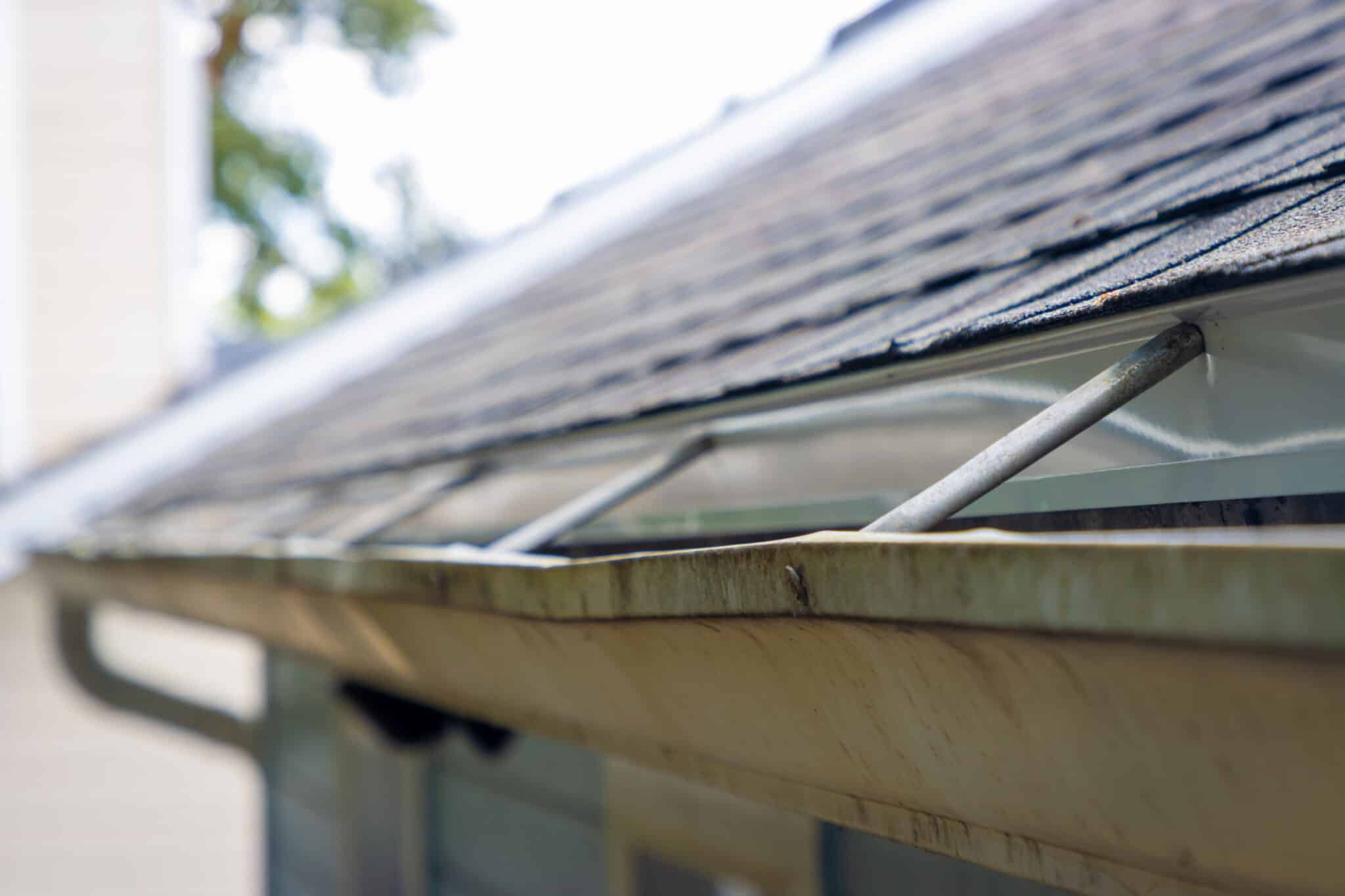
- Sagging Spans: Undersized or improperly spaced fasteners pull free under heavy snow loads, causing water to pool instead of flowing toward the downspouts.
Step-by-Step Diagnostic Assessment
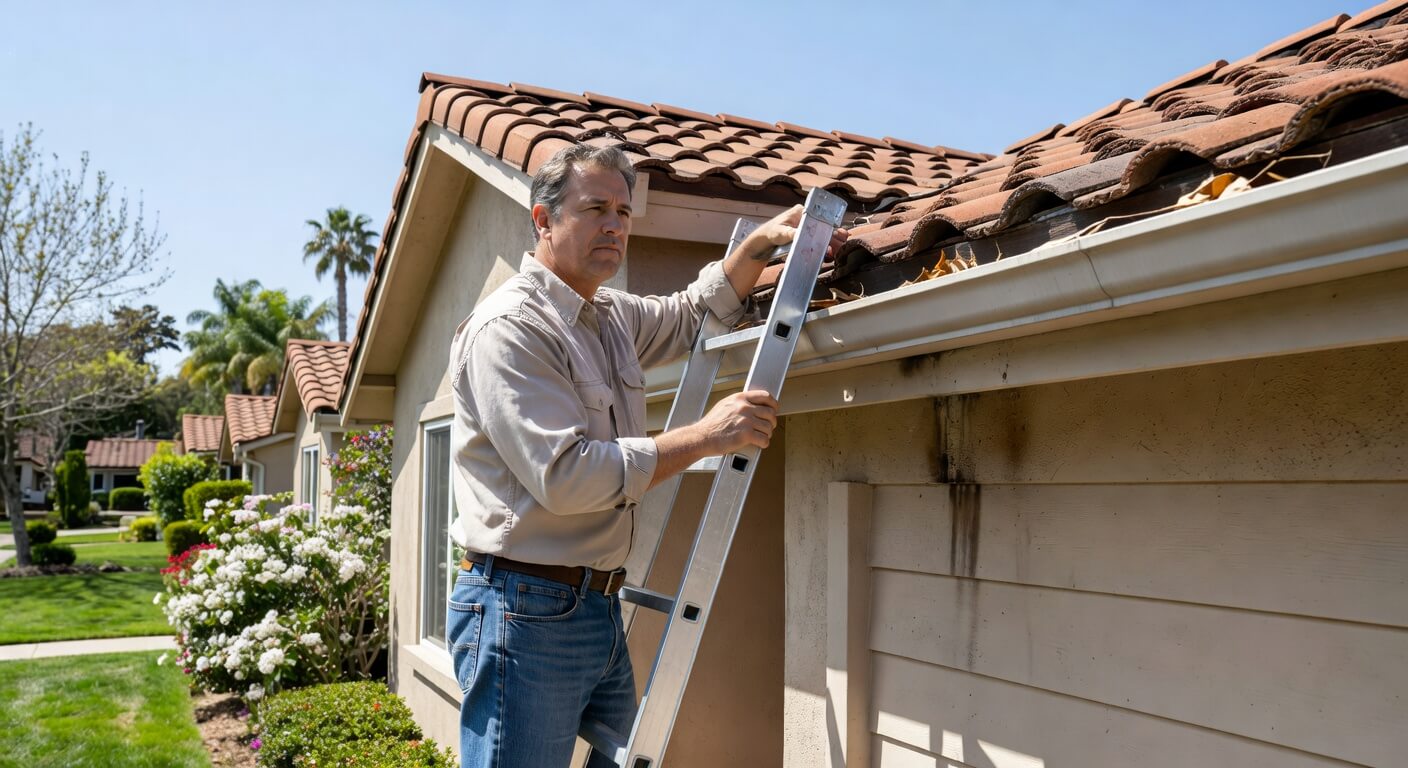
A methodical inspection protects you from performing superficial fixes that leave underlying structural vulnerabilities unaddressed. Execute this evaluation safely from a stable ladder or use a high-resolution pole camera to examine hard-to-reach eaves.
- Clear the Channel: Remove accumulated leaves, silt, and shingle granules. Clean metal surfaces reveal cracks, pinhole leaks, and thinning material that hidden debris might mask.
- Test the Pitch: Pour water into the high end of the gutter run using a garden hose. A properly pitched system drops roughly one-fourth of an inch for every ten feet of run toward the downspout. Standing water deeper than half an inch indicates a sagging section or improper slope.
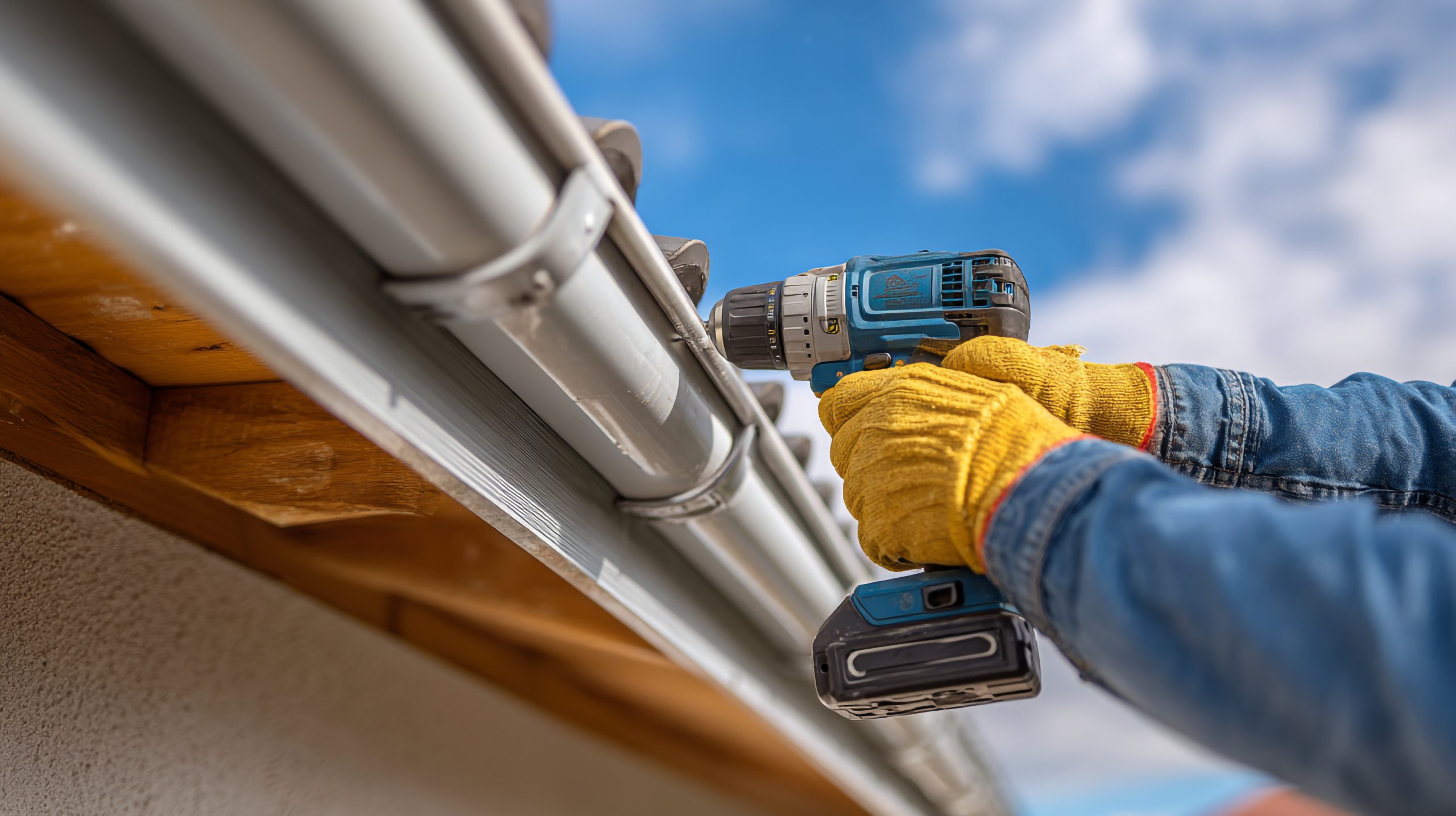
- Inspect Fasteners and Brackets: Check every spike, ferrule, or hidden bracket. Loose fasteners must be replaced with heavy-duty screw hangers that anchor deep into the structural rafter tails rather than relying solely on thin fascia boards.
- Examine Downspout Discharge: Ensure downspouts direct water at least four to six feet away from the foundation via extensions or splash blocks to prevent basement water infiltration and hydrostatic pressure against foundation walls.
Choosing Materials and Repair Techniques
When planning repairs, matching the existing material ensures structural compatibility and aesthetic harmony—especially crucial in Baltimore City historic districts regulated by agencies like Commission for Historical and Architectural Preservation (CHAP).
| Material | Common Repair Method | Estimated Longevity | Primary Consideration |
|---|---|---|---|
| Aluminum | Patching with flashing cement, riveting, or replacing damaged sections | 20–30 years | Lightweight, rust-resistant, prone to denting from heavy ladders. |
| Galvanized Steel | Wire brushing rust, applying roofing cement, or welding seams | 15–20 years | Strong against ice loads, requires periodic painting to prevent rust. |
| Vinyl (PVC) | Replacing cracked segments with slip-joint connectors and silicone sealant | 10–15 years | Affordable, easy to DIY, but becomes brittle under UV exposure and cold snaps. |
| Copper | Soldering joints with a professional iron and specialized flux | 50+ years | Premium historic material; requires specialized trade skills for repair. |
For minor leaks in aluminum or steel systems, cleaning the area with a wire brush and applying a thick layer of polyurethane roof and gutter sealant from the interior provides a reliable short-to-medium-term fix. For severe splits or rusted-out sections, cutting out the damaged segment and installing a replacement patch secured with pop rivets and waterproof sealant offers superior structural integrity.
Safety Protocols and Regulatory Compliance in Baltimore
Gutter maintenance and repair involve working at heights, carrying inherent fall risks that demand proper ladder safety gear, stabilizers, and spotters. Never lean a ladder directly against an existing gutter run, as this crushes the delicate front lip and compromises drainage.
For homeowners in historic Baltimore neighborhoods, exterior modifications are subject to strict architectural guidelines. If you are replacing an entire gutter run or altering material types on a historic property, check local zoning regulations and historic district permissions before beginning work. Furthermore, ensure any professional contractor you hire holds an active license with the Maryland Home Improvement Commission (MHIC), which provides consumer protection and verifies competency standards.
Seasonal Maintenance and Prevention Strategies
Preventing future repairs requires an ongoing maintenance routine tailored to Baltimore's seasonal cycle. Clean your gutters at least twice a year—once in late spring after the seeds and blossoms drop, and once in late autumn after the deciduous trees shed their canopy.
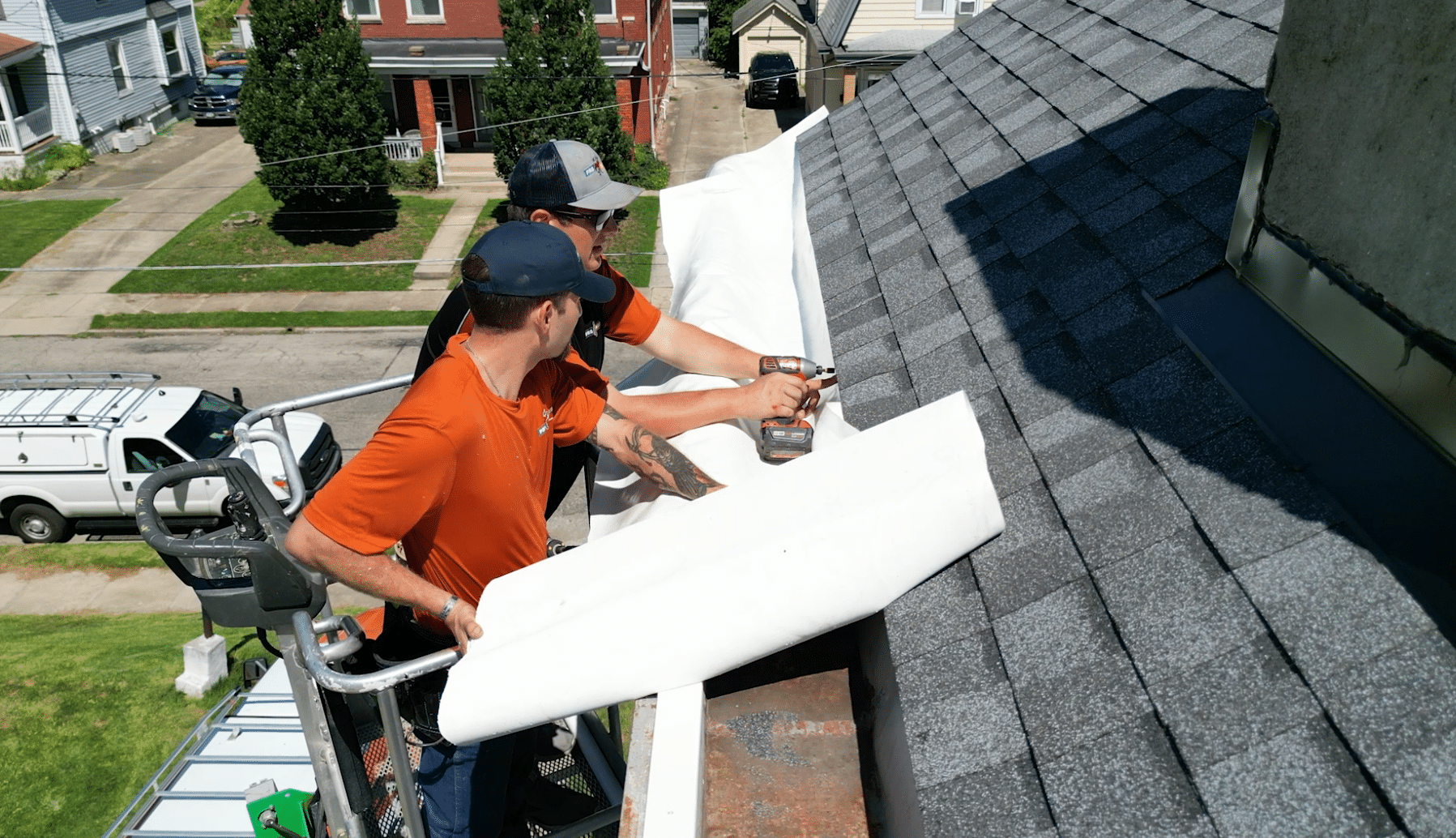
Consider installing high-quality, professional-grade gutter guards if your property is heavily shaded by mature trees. Mesh screens and surface-tension hoods minimize leaf accumulation, though they still require periodic surface cleaning to prevent the buildup of fine silt and roof granules. Monitor your roof valleys and flashing annually, as premature shingle deterioration dumps excess grit directly into your drainage system, accelerating wear and tear.
Frequently Asked Questions
How do I know if I should repair or completely replace my gutters?
Minor leaks, isolated rust spots, and loose fasteners are easily addressed with targeted repairs. However, if your gutters suffer from widespread structural corrosion, extensive sagging across multiple runs, rotting fascia boards, or if the material is past its typical lifespan, full replacement is more cost-effective than continuous patching.
Can I handle Baltimore gutter repairs as a DIY project, or should I hire a professional?
Basic cleaning, sealing small joint leaks, and tightening loose hangers are manageable DIY tasks for comfortable ladder users. Complex projects—such as re-pitching long runs, working on multi-story historic homes, soldering copper, or replacing rotted structural fascia boards—require professional tools, safety equipment, and specialized trade skills.
How do I prevent ice dams on my Baltimore home during winter?
Ice dams form when heat escapes from your attic, melts snow on the roof, and refreezes at the cold eaves. Preventing them requires sealing attic air leaks, ensuring adequate attic insulation, and maintaining proper roof ventilation. Gutter heating cables serve as an emergency supplemental fix but do not solve the root cause of heat loss.
What permits or historic guidelines apply to gutter replacement in Baltimore?
If your home is located in a designated CHAP historic district within Baltimore City, exterior alterations—including changing gutter styles, colors, or materials—may require architectural review and approval. Standard residential repairs that maintain the exact existing appearance typically do not require permits, but checking local guidelines prevents costly compliance disputes.
How often should gutters be cleaned in the Baltimore area?
Baltimore's heavy tree coverage and seasonal storms make semi-annual cleaning essential. Schedule your cleanings in late November after all leaves have fallen and again in late May after the spring pollen and seed pods clear. Properties with heavy overhead tree canopies may require quarterly maintenance.
Next Actions for Property Owners
Begin your gutter project by performing a thorough visual check during the next heavy rainstorm to map out active problem areas. Clear all accumulated debris from the channels and test the water flow toward your downspouts. If you identify sagging sections, widespread corrosion, or structural damage beyond simple patching, contact a licensed Maryland Home Improvement Commission contractor to secure professional evaluations and estimates before water intrusion damages your home's foundation or framing.
Image Gallery