Navigating Mortgage Life Insurance Within the First Year: A Comprehensive Guide
Securing mortgage life insurance within the first year of homeownership is a critical step for protecting your family’s financial future, ensuring that your remaining home loan balance is fully paid off if you pass away unexpectedly. N...
Securing mortgage life insurance within the first year of homeownership is a critical step for protecting your family’s financial future, ensuring that your remaining home loan balance is fully paid off if you pass away unexpectedly.
Contents
Navigating the landscape of mortgage life insurance during your first year of homeownership involves understanding how these policies operate, evaluating whether a decreasing term policy or a standard term life insurance policy fits your financial strategy, and navigating the underwriting process. Because this period often coincides with major financial adjustments—such as funding moving expenses, managing closing costs, and stabilizing a new monthly household budget—making informed choices early on prevents coverage gaps and potential overspending.
(Note: The following information is for educational purposes and should not be construed as formal financial, legal, or tax advice. Consult a licensed insurance professional or financial planner regarding your specific circumstances.)
Understanding Mortgage Life Insurance
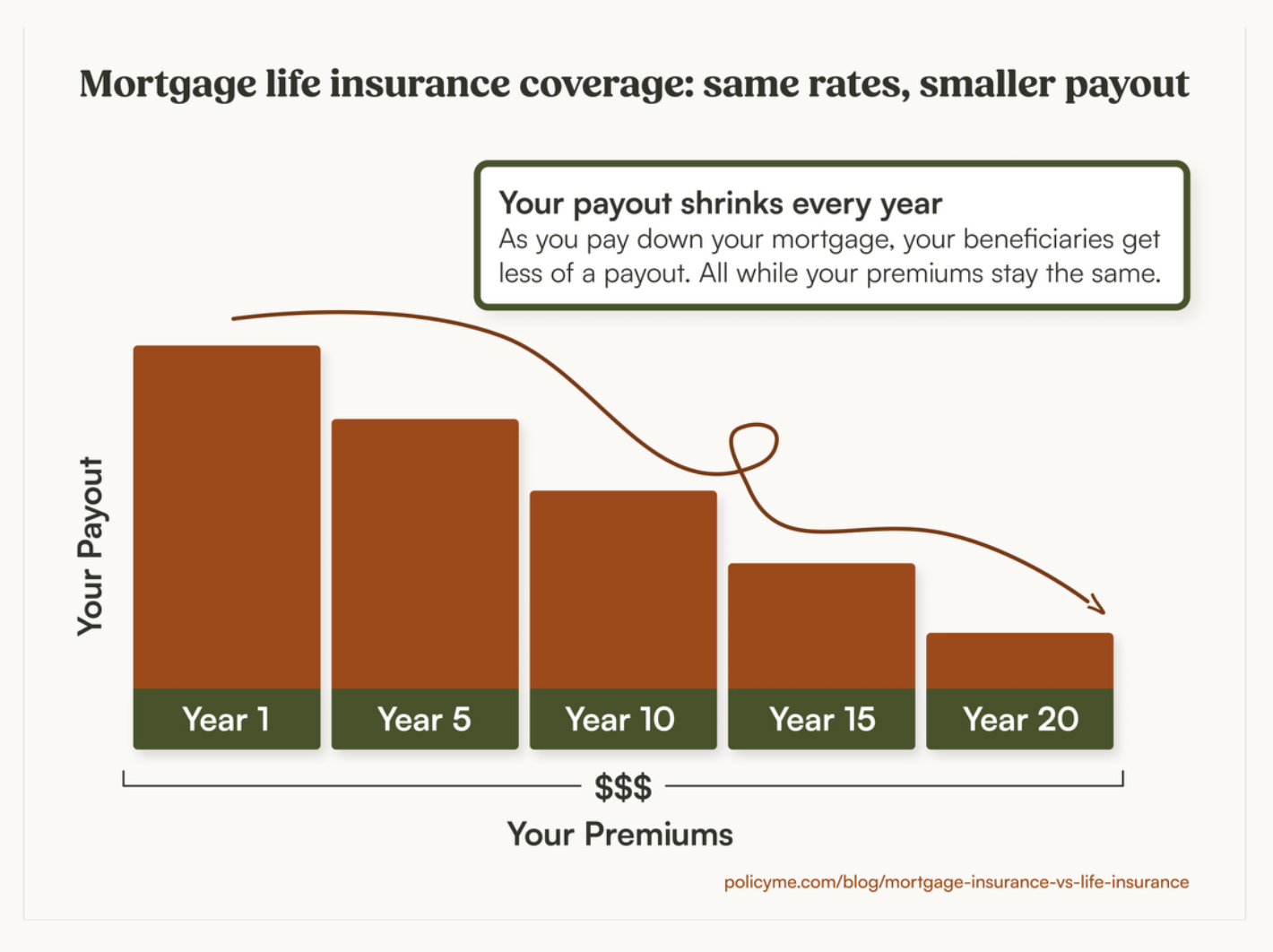
Mortgage life insurance is a specialized form of protection designed to pay off a home mortgage balance if the insured borrower dies before the loan is fully satisfied. Unlike traditional permanent life insurance or level term life insurance, many conventional mortgage protection products feature a "decreasing term" structure. Under this design, the death benefit decreases synchronously with the amortization schedule of your mortgage principal.
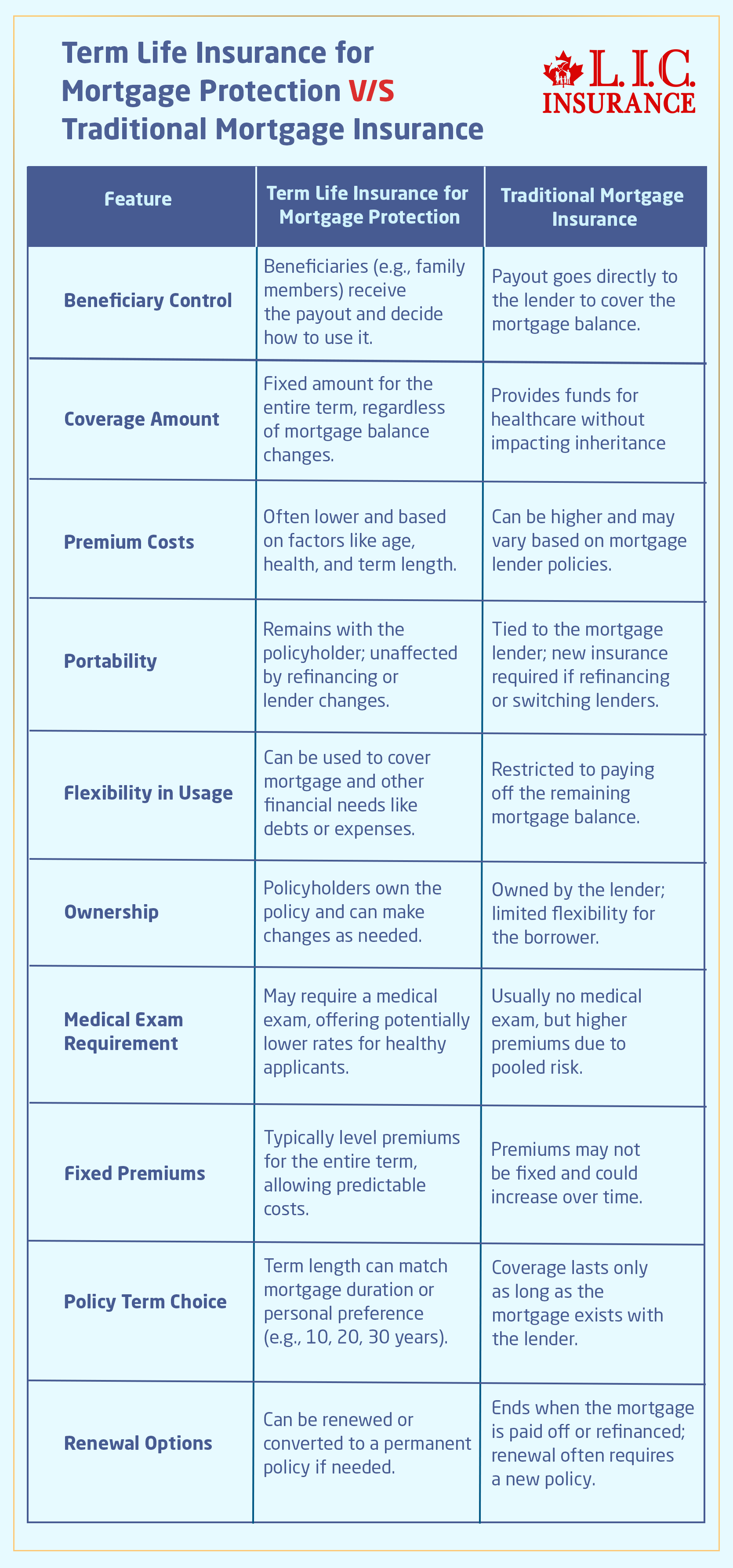
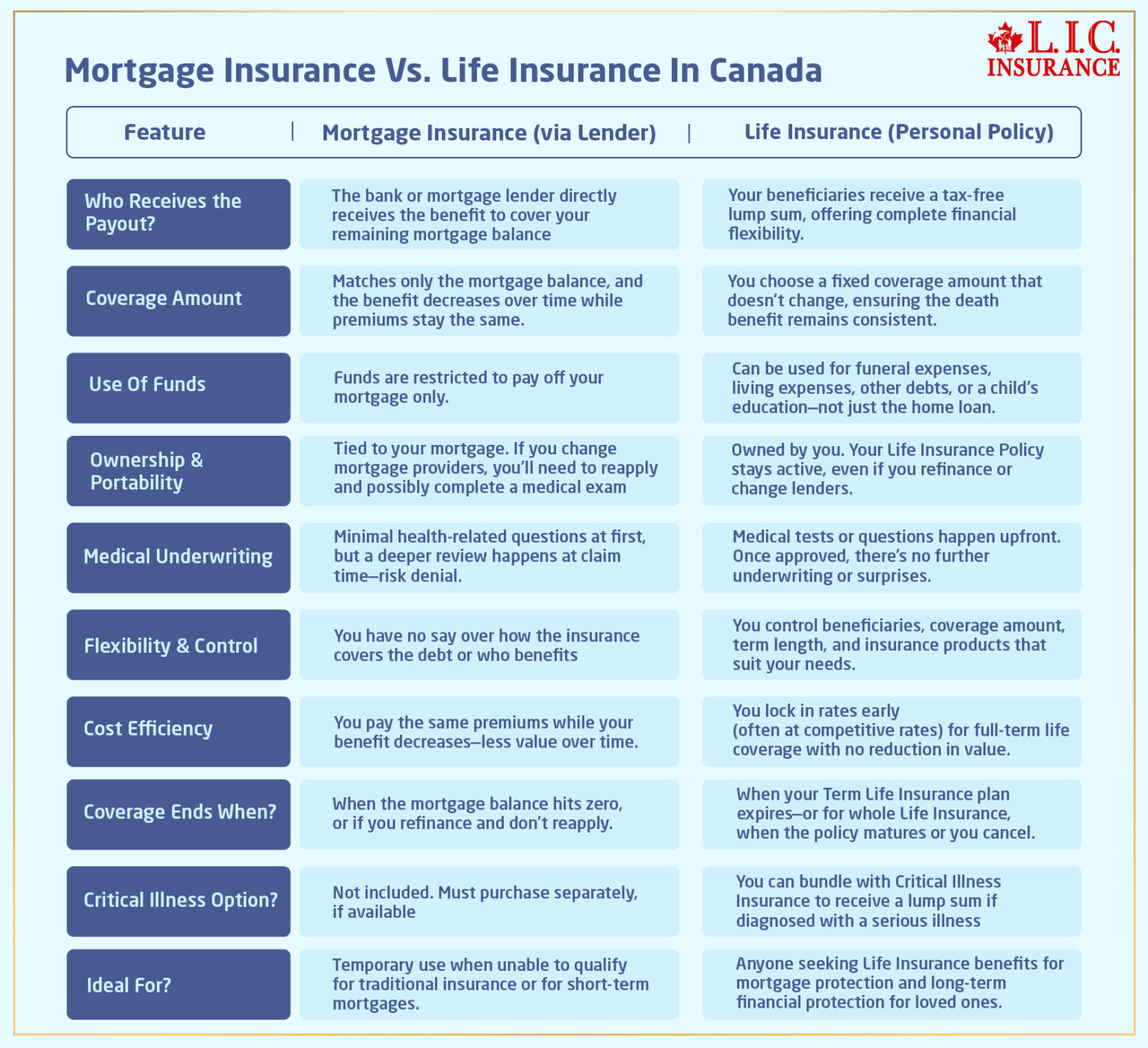
When you purchase a home, lenders or independent brokers often market these policies aggressively. However, homeowners must distinguish between creditor-group mortgage life insurance—sold directly through a lending institution where the payout automatically goes to the bank—and an individual term life insurance policy owned independently by the policyholder.
Creditor-Group vs. Individual Term Policies
The distinction between these two primary types of coverage dictates your control, cost, and ultimate flexibility:
- Creditor-Group Mortgage Insurance: This is issued directly through your mortgage lender. The payout goes straight to the lender to clear the debt, and the premiums typically remain level while the benefit decreases. If you refinance or switch lenders, the policy generally terminates, requiring you to reapply at an older age and higher cost.
- Individual Term Life Insurance: Purchased independently through an insurance broker or carrier, this policy names a personal beneficiary (such as a spouse or family member) rather than the bank. The beneficiary receives a tax-free lump sum upon the insured's death, which they can use to pay off the mortgage, cover monthly bills, or allocate toward other financial needs.
Why the First Year of Homeownership Matters
The first twelve months after closing on a property represent a vulnerable financial window. Buyers have typically depleted a portion of their liquid savings for down payments, inspections, and earnest money. Furthermore, closing costs and new property tax assessments can introduce cash flow friction.
Securing coverage within this first year offers several distinct operational advantages:
- Age and Health Lock-In: Insurance premiums are strictly correlated with age and health status. Locking in a rate during your current age bracket prevents the inevitable rate hikes that occur as you age.
- Mitigating New Debt Exposure: A mortgage is often the largest single debt an individual will ever assume. Leaving this liability unprotected exposes surviving dependents to immediate foreclosure risk or forced relocation if primary income streams cease.
- Coordination with Private Mortgage Insurance (PMI): It is vital to understand that PMI protects the lender if you default on your loan, whereas mortgage life insurance protects your family if you pass away. Neither replaces the other. Sorting out these distinct coverages during the first year eliminates confusion.
Comparing Coverage Options
To determine the right financial vehicle, evaluate how mortgage life insurance stacks up against alternative safety nets.
| Feature / Metric | Decreasing Term Mortgage Insurance | Standard Level Term Life Insurance | Permanent Life Insurance (e.g., Whole Life) |
|---|---|---|---|
| Death Benefit Structure | Decreases over time, matching the mortgage principal balance. | Remains level for a fixed period (e.g., 10, 20, 30 years). | Remains level for life; builds cash value. |
| Beneficiary | Typically the mortgage lender. | A designated personal beneficiary (family member). | A designated personal beneficiary. |
| Portability | Often tied to the specific loan; terminates upon refinancing. | Fully portable; stays with you regardless of property changes. | Fully portable and lifelong. |
| Cost Profile | Generally higher per dollar of coverage initially relative to level term. | Cost-effective; lower initial premiums for high coverage amounts. | Significantly higher due to cash-value accumulation features. |
| Underwriting | Often simplified issue (fewer medical exams required). | Usually requires full medical underwriting for best rates. | Requires rigorous medical underwriting. |
The Application and Underwriting Process
Applying for coverage during your first year as a homeowner requires gathering documentation and understanding underwriting criteria. Depending on whether you choose a simplified issue product or fully underwritten term insurance, the steps vary.
Step 1: Assess Your Total Financial Obligations
Do not look at the mortgage in isolation. Calculate your total financial liabilities, including the current loan balance, remaining interest over time, estimated future property taxes, homeowners insurance, and family income replacement needs.
Step 2: Choose the Policy Type and Term Length
Match the term length of your insurance policy to the timeline of your loan. If you secured a 30-year fixed-rate mortgage, a 30-year term policy ensures coverage remains active throughout the heaviest amortization years.
Step 3: Gather Necessary Documentation
Be prepared to provide personal identification, details regarding your mortgage agreement (loan amount, interest rate, amortization schedule), and a medical history summary.
Step 4: Complete Medical Underwriting
If you select an individual term policy, expect an underwriting review. This may include:
- A health questionnaire detailing medical history, tobacco use, and family background.
- A paramedical exam (blood pressure check, height/weight measurement, and blood/urine samples) conducted at your home or office at the insurer's expense.
- Attending Physician Statements (APS) requested from your primary care doctor if flagged by underwriting guidelines.
Cost Considerations and Budgeting
Insurance premiums are calculated using risk assessment algorithms. Understanding what drives these costs helps you secure a competitive rate during your first year in the home.
- Age: The younger you are when the policy is bound, the lower the baseline premium.
- Health and Lifestyle: Non-smokers who maintain a healthy Body Mass Index (BMI) and have no chronic conditions qualify for "Preferred Plus" or "Preferred" rate classes. Nicotine use typically doubles or triples standard premium quotes.
- Coverage Amount: Aligning your policy strictly with your declining mortgage balance (via decreasing term) can sometimes offer targeted pricing, though level term insurance often provides more flexibility and cheaper rates per thousand dollars of coverage.
Common Mistakes to Avoid
Homeowners navigating insurance decisions in their first year frequently encounter several pitfalls:
- Confusing PMI with Life Insurance: Assuming that paying Private Mortgage Insurance shields your family from debt if you die. PMI protects the lender exclusively.
- Failing to Check Portability: Purchasing a lender-offered group policy that cannot be transferred when refinancing to a lower interest rate later on.
- Underestimating Income Needs: Focusing solely on the mortgage balance while ignoring ongoing living expenses, childcare, and utilities that surviving family members must cover.
- Delaying Application: Waiting until health conditions develop or aging into a new rating bracket, which increases long-term premium expenses.
Frequently Asked Questions
Can I buy mortgage life insurance at any time during my mortgage?
Yes, you can apply for coverage at any point during the life of your loan. However, purchasing coverage during the first year locks in a younger age bracket, resulting in lower long-term premium rates and immediate peace of mind.
Is a medical exam always required for mortgage protection insurance?
Not always. Some creditor-group policies and specialized "simplified issue" individual policies offer coverage without a medical exam, relying instead on health questionnaires. However, these policies often feature higher premiums or lower maximum death benefits compared to fully underwritten term life insurance.
What happens to my mortgage life insurance if I refinance my home?
If you purchased a creditor-group policy through your original lender, refinancing typically terminates that policy, forcing you to reapply under new terms. If you purchased an independent term life insurance policy, your coverage remains completely unaffected by refinancing or selling the home.
Can my mortgage life insurance be denied based on my health?
Yes. Insurance carriers evaluate medical history during underwriting. If an applicant has severe pre-existing medical conditions, an insurer may deny coverage, offer a modified policy, or charge a higher rate (rated premium). Working with an independent broker can help you identify carriers with more lenient underwriting guidelines for specific health profiles.
Is the payout from mortgage life insurance taxable?
Generally, death benefits paid out from life insurance policies to individual beneficiaries are received income tax-free. If the policy is owned by a corporate entity or structured in specific non-standard ways, tax implications can vary, making it essential to review policy documents with a tax professional.
Next Actions for Homeowners
To secure your household effectively during your first year of homeownership, start by pulling your closing disclosure statement to verify your exact loan balance and amortization schedule. Next, request quotes from multiple independent insurance carriers for both decreasing term and level term policies. Compare these options against any offers provided by your mortgage lender to ensure you select a policy that balances cost, flexibility, and comprehensive protection for your family.
Image Gallery