How to Order Chicago Series Episodes for 2025: Chronological and Crossover Watching Guide
Navigating Dick Wolf’s sprawling One Chicago franchise requires a strategic approach, especially when attempting to watch episodes in chronological order or tracking complex, multi-show crossover events. The universe spans multiple int...
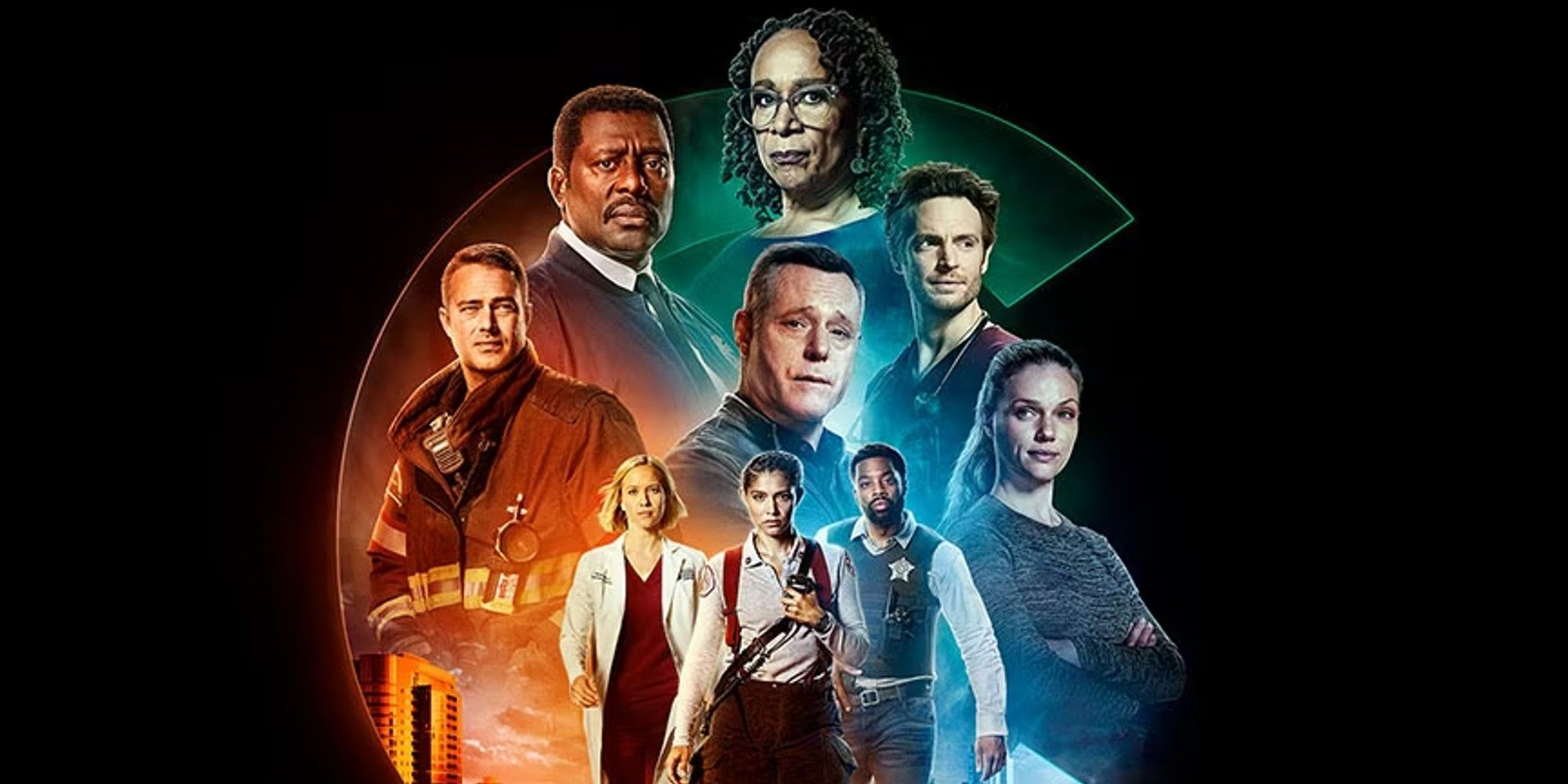
Navigating Dick Wolf’s sprawling One Chicago franchise requires a strategic approach, especially when attempting to watch episodes in chronological order or tracking complex, multi-show crossover events. The universe spans multiple interconnected series—Chicago Fire, Chicago P.D., Chicago Med, and the short-lived Chicago Justice—creating a dense web of interlocking storylines that frequently cross boundaries. Because the standard broadcast air dates often scatter narrative threads across different nights and seasons, putting together a proper viewing timeline for 2025 and beyond demands a clear structural roadmap. This guide explains how to properly sequence the episodes, understand the production logic, manage crossover continuity, and avoid common timeline traps.
Contents
Understanding the One Chicago Franchise Structure
To successfully order the Chicago series episodes, you must first understand the relationship between the core shows and the broader television universe. Created by Dick Wolf and Derek Haas, the franchise is set within the same fictional universe as the Law & Order franchise (frequently crossing over with Law & Order: Special Victims Unit). However, the internal chronology of the Chicago shows relies heavily on sequential emergency response timelines, shared character rosters, and hospital admissions that flow logically from a fire scene to a police investigation, and finally to emergency medical treatment.
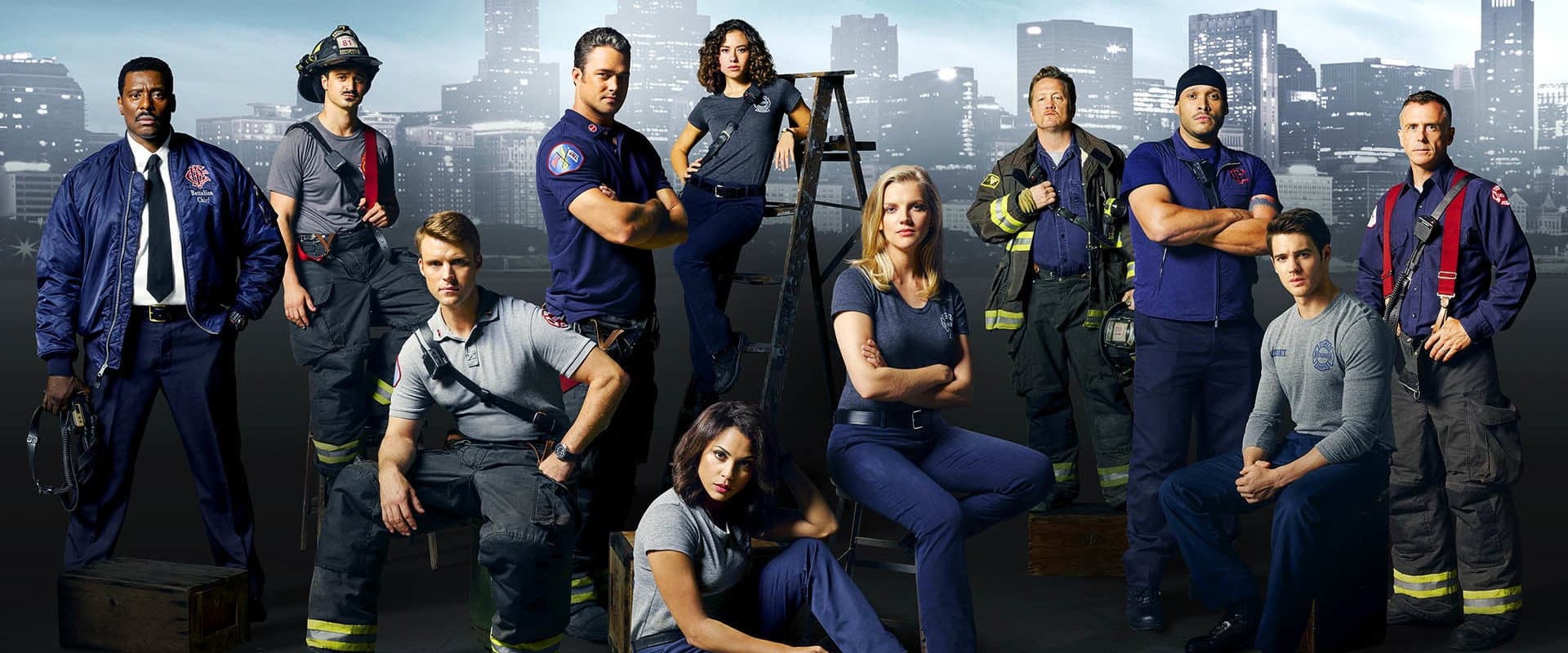
Chicago Fire launched the universe in 2013, focusing on the fictional Firehouse 51, housing Truck 81, Engine 51, Squad 3, and Ambulance 61. As the franchise expanded, Chicago P.D. spun off in 2014, following the Intelligence Unit of the 21st District of the Chicago Police Department. Chicago Med followed in 2015, centering on the fictional Gaffney Chicago Medical Center’s emergency department. The final official addition to the core lineup, Chicago Justice, ran for a single season in 2017, focusing on the state attorney's office, though its characters frequently appeared in crossover cases across the other three active series.
When mapping out a viewing order, viewers generally choose between two primary methods: the Broadcast Order (watching episodes as they originally aired across NBC's schedule) and the Chronological Crossover Order (grouping interconnected multi-show stories together to maintain absolute narrative continuity). For a comprehensive 2025 viewing experience, integrating the chronological approach during crossover events while following the seasonal broadcast structure for standalone episodes offers the best balance of narrative coherence and character development.
The Broadcast Order vs. Chronological Crossover Order
Deciding how to watch the franchise depends entirely on whether you prioritize standalone seasonal arcs or seamless continuity during major crossover events. The broadcast order reflects how viewers watched the shows live on television. Each series runs its own seasonal block, usually starting in the autumn and concluding in the spring. If you watch strictly by release date—shuffling between Fire, P.D., and Med episode by episode based on air dates—you experience the overarching television event season as NBC originally programmed it.
However, broadcast order has a major limitation: multi-part crossover events. When a storyline begins on Chicago Fire, continues on Chicago P.D., and concludes on Chicago Med, watching them in strict individual sequence can cause narrative confusion. A character might appear injured on Fire, appear in surgery on Med the next night, and make a statement to detectives on P.D. two weeks later due to scheduling shifts or network hiatuses.
The chronological crossover method resolves this by grouping multipart event nights together. Whenever a formal crossover occurs, viewers should pause the standalone progression of individual seasons and watch the specific parts in their designated storytelling sequence.
| Crossover Event Name | Part 1 (Start) | Part 2 (Middle) | Part 3 (Conclusion) | Primary Narrative Focus |
|---|---|---|---|---|
| "Nay Never" / "The Number of Rats" | Chicago Fire S03E21 | Chicago P.D. S02E20 | N/A (Two-part crossover) | Serial arsonist and rapist investigation involving Firehouse 51 and Intelligence. |
| "The Beating Heart" | Chicago Fire S04E10 | Chicago Med S01E05 | Chicago P.D. S03E10 | Firefighter trapped in a brutal attack; emergency surgery and subsequent manhunt. |
| " Infection" | Chicago Fire S08E04 | Chicago Med S08E04 (S05E04) | Chicago P.D. S08E04 (S07E04) | Bioterrorism threat involving flesh-eating bacteria across Chicago. |
| "Going to War" | Chicago Fire S07E02 | Chicago Med S04E02 | N/A (Two-part medical emergency) | High-rise apartment fire bringing mass casualties to Gaffney Chicago Medical Center. |
Step-by-Step Guide to Watching the Franchise Seasons
Organizing a complete series run requires tackling the seasons methodically. Because Chicago Fire established the baseline universe, starting with its first season is mandatory before introducing Chicago P.D. in Season 2 of Fire, and Chicago Med in Season 4 of Fire.
Phase 1: Establishing the Foundation (2012–2014)
Begin by watching Chicago Fire Season 1 in its entirety. This season introduces the primary personnel of Firehouse 51, including Matthew Casey, Kelly Severide, and Chief Wallace Boden, while establishing the gritty, realistic tone of emergency response in Chicago. Once completed, move directly into Chicago Fire Season 2. Midway through Chicago Fire Season 2 (specifically around Episode 20, titled "Not a God Damn Fetus"), the backdoor pilot for Chicago P.D. occurs, introducing Hank Voight and the Intelligence Unit.
Phase 2: Expanding the Universe (2014–2015)
With Chicago P.D. Season 1 running concurrently with Chicago Fire Season 2, viewers must begin alternating between the two shows to maintain timeline accuracy. The safest approach is to watch episodes grouped by calendar broadcast weeks or by utilizing a master release-date spreadsheet. During this phase, minor character crossovers become frequent, as police officers routinely visit the firehouse for investigative leads, and firefighters frequent Molly's bar—the shared social hub owned by characters from multiple shows.
Phase 3: The Medical Addition (2015–Present)
Chicago Med Season 1 launches alongside Chicago Fire Season 4 and Chicago P.D. Season 3. At this juncture, the three-show block forms the classic Wednesday night lineup on NBC (often branded as "One Chicago" Wednesdays). To watch these seasons properly:
- Watch the Chicago Fire season premiere.
- Follow with the corresponding week's Chicago Med episode.
- Conclude the weekly block with Chicago P.D.. This precise order reflects the natural chain of emergency response: the fire department responds to the crisis, the medical staff treats the injured, and the police department investigates the cause or criminal elements involved.
Managing Minor Crossovers and Guest Appearances
Beyond massive, multi-part event blocks, the One Chicago franchise relies heavily on "minor crossovers"—instances where a character from Chicago Fire drops by an episode of Chicago P.D. for a two-minute scene to deliver evidence, or a doctor from Chicago Med consults on a patient brought in by police officers.
For these minor appearances, strict chronological sequencing is less critical, provided you are watching seasons that aired during the same calendar year. For example, if Detective Jay Halstead (a main character on Chicago P.D.) interacts with Dr. Will Halstead (his brother and a main character on Chicago Med), the continuity holds as long as you do not jump forward or backward across multiple years.
However, viewers must remain cautious about character departures and promotions. Actors frequently migrate between the three shows. A recurring paramedic on Chicago Fire might transition to a full-time nursing role on Chicago Med in a subsequent season. Watching out-of-order episodes can spoil major career shifts, tragic deaths, or romantic developments that span multiple series. Always verify the production year of the specific episode if you choose to watch standalone episodes out of sequence.
Common Mistakes and Timeline Pitfalls to Avoid
When attempting to order Chicago series episodes for modern viewing, fans frequently encounter several common pitfalls that disrupt continuity or cause confusion.
- Ignoring the Short-Lived Chicago Justice: While Chicago Justice only lasted 13 episodes, its characters appear in backdoor pilots embedded within Chicago P.D. Season 4 and Chicago Fire Season 5. Skipping these embedded crossover episodes leaves gaps in major legal storylines, particularly regarding the prosecution of recurring criminal characters.
- Confusing Broadcast Air Dates with Narrative Chronology: Network scheduling anomalies, winter breaks, and sports broadcasts often caused NBC to air episodes out of narrative order or delay a crossover conclusion by a week. Relying solely on raw file creation dates or digital streaming platform default sorting can separate connected parts.
- Binging Entire Series Separately: Watching all twelve seasons of Chicago Fire before touching Chicago P.D. destroys the shared universe experience. Because major character relationships—such as romantic pairings between firefighters and police detectives—develop across concurrent seasons, separate viewing ruins the narrative payoff.
Frequently Asked Questions
Do I need to watch all three Chicago shows to understand the plot?
No. While the shows share a universe and feature frequent crossovers, each series maintains its own primary narrative focus, core cast, and episodic cases. You can comfortably watch Chicago Fire as a standalone drama without following Chicago P.D. or Chicago Med. However, watching all three enhances the experience during major crossover events and multi-episode story arcs.
Where does Chicago Justice fit into the viewing order?
Chicago Justice originally aired in 2017 during the broadcast seasons of Chicago Fire Season 5, Chicago P.D. Season 4, and Chicago Med Season 2. Its backdoor pilot officially launches during Chicago P.D. Season 4, Episode 16 ("Emotional Proximity"). If you wish to watch Chicago Justice, integrate its 13 episodes alongside the concurrent 2017 broadcast dates of the other active shows.
What is the correct way to watch the massive "Infection" crossover?
The 2019 "Infection" crossover is a three-part event spanning Season 8 of Chicago Fire, Season 5 of Chicago Med, and Season 7 of Chicago P.D.. The correct viewing order is: Part 1 (Chicago Fire S08E04), Part 2 (Chicago Med S05E04), and Part 3 (Chicago P.D. S07E04). Watching them in this exact sequence is essential to track the source of the flesh-eating bacteria outbreak across the city.
Are the One Chicago shows available to stream in chronological order?
Most major subscription streaming platforms and digital video-on-demand stores organize episodes strictly by individual show and season number, rather than unified franchise chronological order. Viewers must manually cross-reference release dates and crossover guides when transitioning between series during multi-part events.
Where does the Law & Order: SVU crossover fit into the timeline?
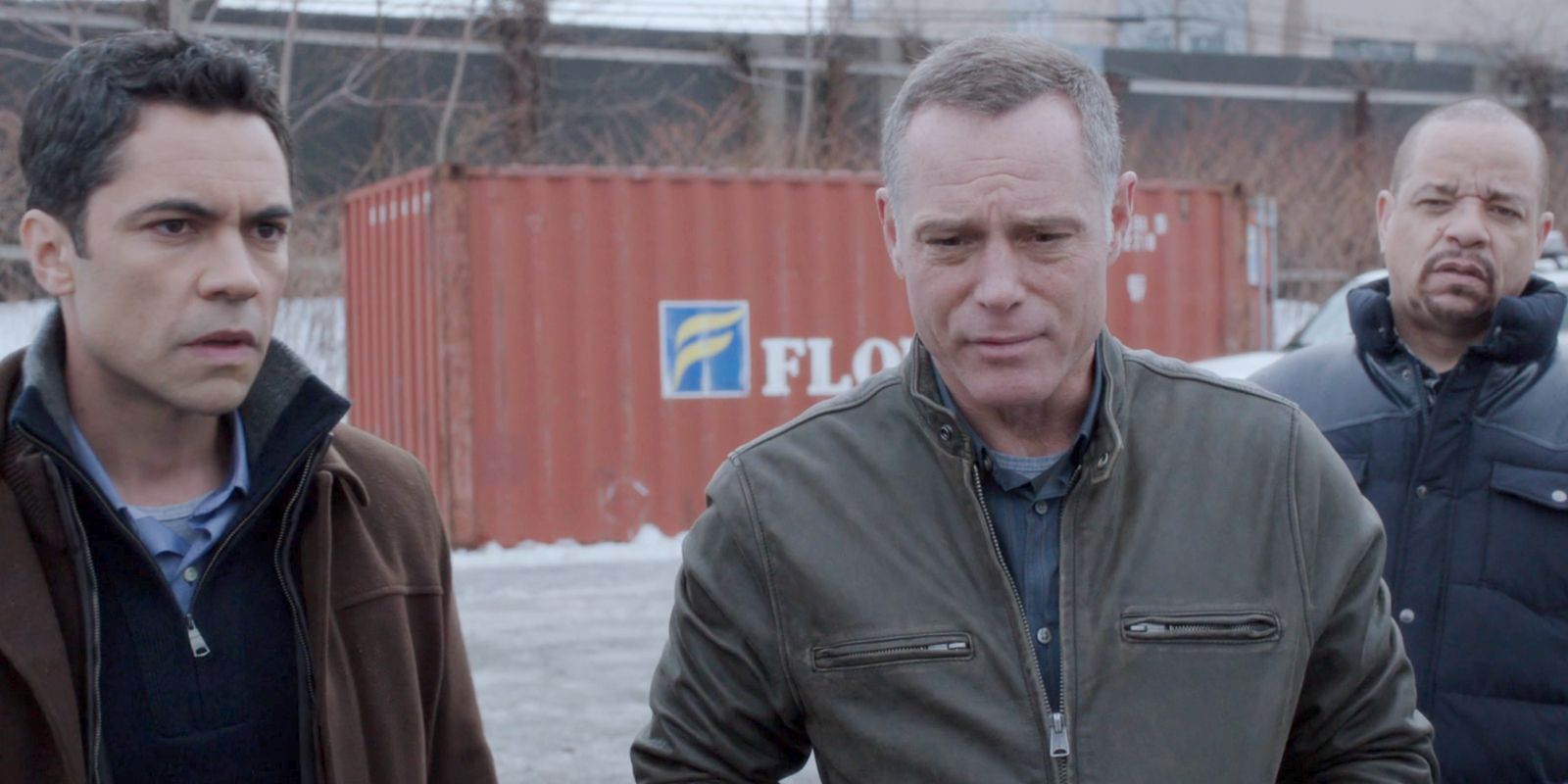
The One Chicago universe crosses over directly with Law & Order: Special Victims Unit on multiple occasions, most notably involving Chicago P.D. characters. To watch these properly, look for the episodes titled "The Number of Prisoners/The Weight of Chicago" (Season 16 of SVU combined with Season 2 of Chicago P.D.) and view the SVU installment immediately before the corresponding Chicago P.D. continuation.
Conclusion and Recommended Next Actions
Mastering the viewing order of the One Chicago franchise requires balancing the individual seasonal structures of Chicago Fire, Chicago P.D., and Chicago Med with the specific requirements of multi-part crossover events. To begin your viewing journey effectively, set up a master tracking list of the broadcast release dates for concurrent seasons, bookmark a verified crossover checklist, and ensure you pause individual show progressions whenever a multi-part emergency event begins. By following this systematic approach, you will preserve the dramatic tension, character continuity, and overarching narrative depth designed by the creators.
Image Gallery