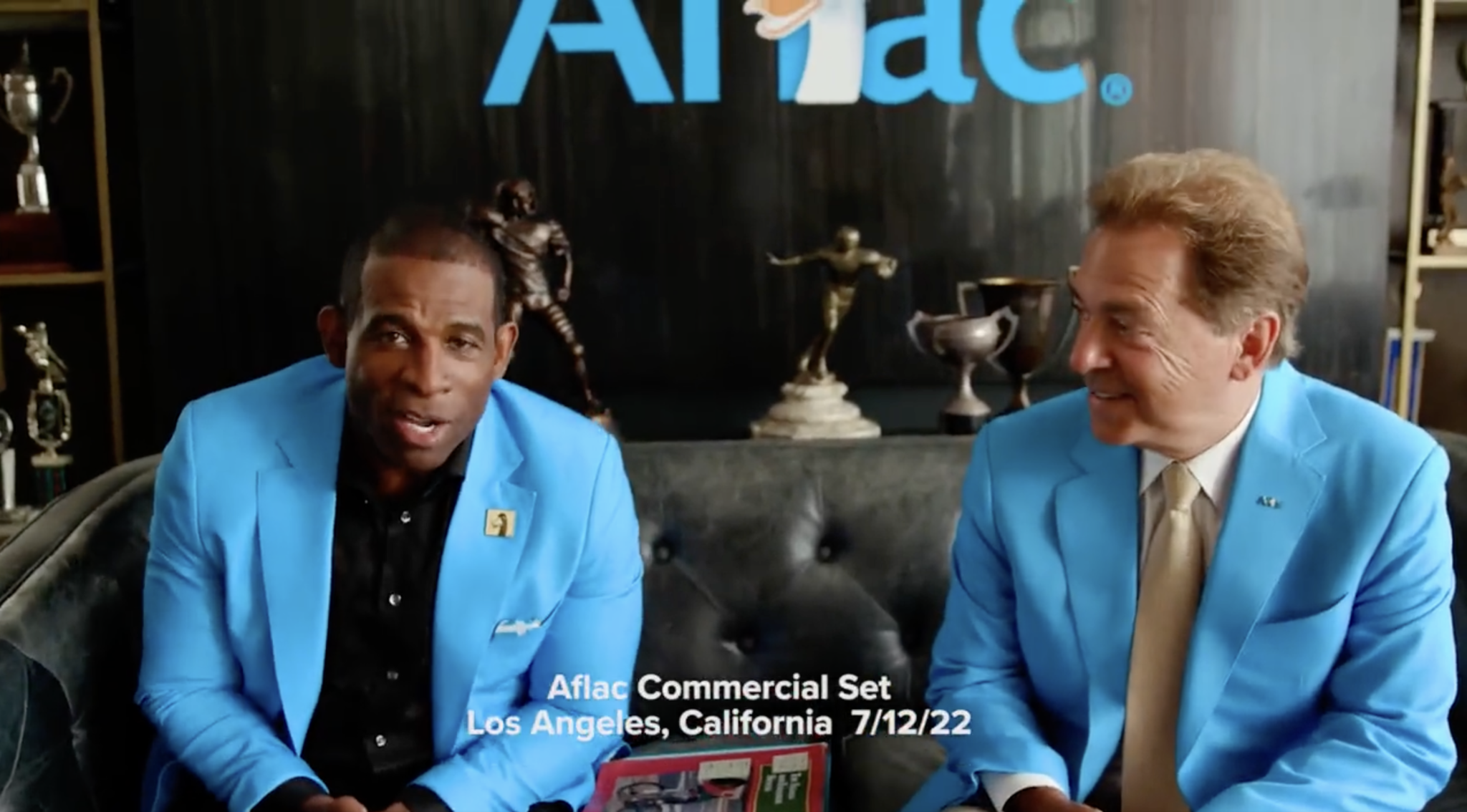
The Evolution of the Aflac Voice in a New Era of Digital Communication and Branding
Aflac’s distinct voice in the modern era bridges decades of iconic advertising heritage with contemporary, data-driven, and multi-channel customer engagement strategies. By balancing humor, familiarity, and cutting-edge digital persona...
Aflac’s distinct voice in the modern era bridges decades of iconic advertising heritage with contemporary, data-driven, and multi-channel customer engagement strategies. By balancing humor, familiarity, and cutting-edge digital personalization, the brand maintains its market position while adapting to evolving consumer expectations.
Contents
Introduction: Understanding the Aflac Brand Identity Shift
For decades, the name Aflac has been instantly recognizable, largely driven by its sharp-witted, persistent waterfowl mascot and the distinct squawk that echoes the brand’s name. However, as digital consumption patterns shift, media fragmentation accelerates, and consumer demographics mature, legacy marketing tactics require deliberate modernization. The evolution of the Aflac voice in a new era represents a masterclass in corporate rebranding and narrative consistency. It is not about abandoning the whimsical charm that built high brand equity; rather, it is about scaling that voice across complex digital ecosystems, programmatic advertising, social media platforms, and direct-to-consumer digital portals.
Examining this evolution requires looking closely at how corporate communication adapts to modern multi-channel environments while retaining core institutional trust. Supplemental health insurance operates in a deeply personal and often complex domain. When consumers face medical uncertainty, financial anxiety, and convoluted policy documents, communication must pivot seamlessly from lighthearted brand awareness to empathetic, precise, and transparent guidance. This article explores how Aflac navigates this transition, examining the operational strategies, technical adjustments, and branding philosophies that define its modern presence.
The Historical Foundation of the Aflac Brand Voice
To understand the current voice of Aflac, one must examine the foundational pillars established over the late 20th and early 21st centuries. Founded in 1955 as the American Family Life Assurance Company of Columbus, the organization historically relied on workplace marketing and agent-driven distribution models. The breakthrough moment arrived in 2000 with the introduction of the Aflac duck, created by the Kaplan Thaler Group.
The duck functioned primarily as an audible mnemonic device. By interrupting everyday conversations to forcefully pronounce "Aflac," the mascot solved a fundamental marketing challenge: brand recall in a commoditized insurance market. Over subsequent campaigns, the duck evolved from an obnoxious nuisance into a sympathetic, comedic companion. This historical voice was characterized by:
- High-Impact Memorability: Prioritizing immediate name recognition over dense product features.
- Humor-Driven Disruption: Using unexpected comedic timing to cut through clutter in traditional television broadcasts.
- Simplicity and Repetition: Reinforcing a single, powerful mental association between the company name and supplemental insurance protection.
While this approach secured legendary status in advertising history, the media landscape of the 2020s demands far more nuance than a single punchline can provide.
Navigating the Modern Media Ecosystem and Digital Channels
As media consumption shifted away from linear television toward on-demand streaming, social media feeds, and mobile applications, the Aflac voice had to become modular. A 30-second television spot is no longer the sole anchor of a marketing campaign; it must integrate with targeted digital video, interactive social media threads, and personalized email journeys.
In this new era, the voice maintains its trademark wit while adopting a native digital fluency. On platforms like X (formerly Twitter), LinkedIn, and TikTok, the brand voice flexes depending on the audience segment. Business-to-business (B2B) communications aimed at human resources directors and corporate benefits managers emphasize reliability, administrative efficiency, and workforce wellness. Conversely, consumer-facing digital touchpoints retain the approachable, lighthearted charm popularized by the duck.
Maintaining consistency across these fragmented channels requires strict brand governance. The modern corporate voice cannot afford tone-deaf humor during a sensitive customer support interaction, nor can it sound overly bureaucratic when attempting to capture attention on a fast-moving social feed. Striking this balance involves segmenting communication channels by intent.
Core Elements of Contemporary Aflac Messaging
The contemporary Aflac voice relies on three distinct pillars that synthesize heritage with modern corporate responsibility: empathy, clarity, and innovation.
1. Radical Empathy in Health Uncertainty
Supplemental insurance exists to mitigate the financial shocks of unexpected illnesses and accidents. Recognizing that policyholders are often experiencing high-stress medical events, modern communications lean heavily into empathy. Messaging avoids sterile corporate language, replacing it with reassuring, human-centric phrasing that validates the customer’s experience.
2. Operational Clarity and Plain-Language Policies
Historically, insurance documents were notorious for dense legal jargon. The modern era demands radical transparency. Aflac’s digital transformation includes rewriting policy descriptions, claims submission guides, and digital portal interfaces into plain language. The goal is to ensure that a policyholder can understand their coverage limits, payout triggers, and claims status without needing a law degree.
3. Technological Empowerment and Self-Service
The voice of a brand is heavily shaped by its user experience (UX). When a customer interacts with the Aflac mobile app or online claims portal, the microcopy—the small text guiding users through buttons, forms, and error states—must reflect the brand's helpful demeanor. Smooth, frictionless digital workflows communicate competence and reliability far more effectively than any advertising campaign.
| Communication Channel | Primary Target Audience | Tone and Voice Characteristics | Core Objective |
|---|---|---|---|
| National Broadcast & Connected TV | General Consumers | Humorous, iconic, universally accessible | Broad brand awareness and top-of-mind recall |
| B2B & Employer Portals | HR Directors, Benefits Managers | Authoritative, consultative, efficiency-driven | Demonstrating workforce value and administrative ease |
| Digital Social Feeds | Millennial & Gen Z Consumers | Conversational, culturally relevant, agile | Community engagement and demographic expansion |
| Customer Support & Claims UX | Active Policyholders | Empathetic, precise, reassuring | Reducing friction and building post-purchase trust |
Balancing Heritage with Modern Inclusion and Diversity
As corporate standards evolved through the 2020s, major brands faced increasing scrutiny regarding representation, cultural relevance, and social responsibility. For a legacy brand like Aflac, updating its voice meant reflecting a diverse America accurately and respectfully.
This shift manifested in casting choices for commercials, partnerships with community organizations, and targeted outreach programs designed to address health equity gaps—particularly regarding coverage access in underserved communities. The voice shifted from a monolithic broadcast perspective to a more inclusive, multi-faceted dialogue that acknowledges different lived experiences and financial realities. By prioritizing inclusivity, Aflac ensures that its brand identity resonates across diverse demographics without relying on outdated tropes or monolithic cultural assumptions.
Challenges and Pitfalls in Modernizing a Legacy Voice
Modernizing a legendary brand voice carries inherent risks. Organizations attempting to navigate this transition frequently encounter several strategic pitfalls:
- Over-Sanitization: Stripping away too much of the brand's unique humor and distinct personality in an attempt to look "serious" and corporate, resulting in generic, forgettable messaging.
- Alienating Core Demographics: Moving too rapidly into niche digital spaces while neglecting traditional customers who still rely on linear television and agent-led interactions.
- Inconsistent Tone Across Silos: Allowing marketing teams, digital product designers, and customer service representatives to operate with disconnected tonal guidelines, leading to a jarring user journey.
- Forced Cultural Relevance: Attempting to participate in fast-moving internet memes or social trends that misalign with the core gravity of insurance and financial protection.
Avoiding these missteps requires rigorous governance frameworks. Aflac’s continued success demonstrates the value of treating brand voice not as a static tagline, but as a living system that scales deliberately across every touchpoint.
Frequently Asked Questions
Why is the Aflac duck still central to the brand's modern messaging?
The duck remains a cornerstone of the brand because of its unparalleled recognition value. In marketing terminology, it serves as a powerful mental shortcut. Retaining the duck allows Aflac to maintain instant brand recall while updating the surrounding context, humor, and digital utility to fit contemporary media consumption habits.
How has Aflac adapted its communication for B2B audiences?
While consumer advertising relies heavily on humor and mass-market appeal, B2B messaging directed at employers and human resources professionals focuses on workforce retention, administrative simplicity, and supplemental benefits integration. The tone here is consultative, data-driven, and focused on operational efficiency.
What role does plain language play in Aflac's digital evolution?
Plain language is critical for building trust in the digital age. By translating complex insurance terms into clear, accessible explanations within mobile apps and online portals, Aflac reduces customer anxiety and minimizes friction during the claims submission process.
How does Aflac measure the effectiveness of its modern brand voice?
Effectiveness is measured through a combination of traditional brand tracking metrics—such as aided and unaided awareness—and modern digital analytics, including sentiment analysis on social media, engagement rates on digital campaigns, and customer satisfaction (CSAT) scores within digital claims portals.
Can legacy brands successfully pivot to digital-first communication without losing their identity?
Yes, provided the transition is evolutionary rather than revolutionary. Successful brands isolate the core emotional triggers that drove historical success—such as humor, reliability, or empathy—and translate those attributes into native formats for new digital platforms rather than simply copying old assets into new mediums.
Conclusion and Strategic Takeaways
The evolution of the Aflac voice in the modern era illustrates how legacy institutions can successfully bridge generational divides. By anchoring its identity in a universally recognized mascot while aggressively modernizing its digital UX, multi-channel messaging, and empathetic customer support, the brand maintains relevance in a crowded financial marketplace. For marketing professionals and corporate strategists, the key takeaway is clear: honoring heritage does not mean standing still. True brand longevity requires respecting the past while building flexible, human-centric communication systems designed for the realities of today's digital ecosystem.
Image Gallery