Ellen DeGeneres, Cats, and the Public Conversation: Examining Celebrity Animal Advocacy and Social Discourse
The intersection of celebrity culture, animal welfare, and public discourse frequently shapes modern media narratives, with figures like Ellen DeGeneres utilizing their platforms to influence public attitudes toward pet adoption, rescu...
The intersection of celebrity culture, animal welfare, and public discourse frequently shapes modern media narratives, with figures like Ellen DeGeneres utilizing their platforms to influence public attitudes toward pet adoption, rescue animals, and responsible pet ownership. This dynamic reflects broader cultural shifts in how public personalities interact with animal rights and how audiences respond to celebrity-driven advocacy campaigns.
Contents
The Intersection of Celebrity Influence and Animal Advocacy
The relationship between high-profile entertainers and animal advocacy is a well-established phenomenon within media studies and public relations. When television hosts, actors, or musicians endorse specific causes—such as feline rescue, spay-and-neuter initiatives, or anti-declawing legislation—their statements often generate immediate public attention and measurable shifts in consumer behavior. This phenomenon is frequently analyzed through the lens of parasocial interaction, where audiences develop a one-sided sense of connection with a media personality, making them more receptive to the values and lifestyle choices promoted by that figure.
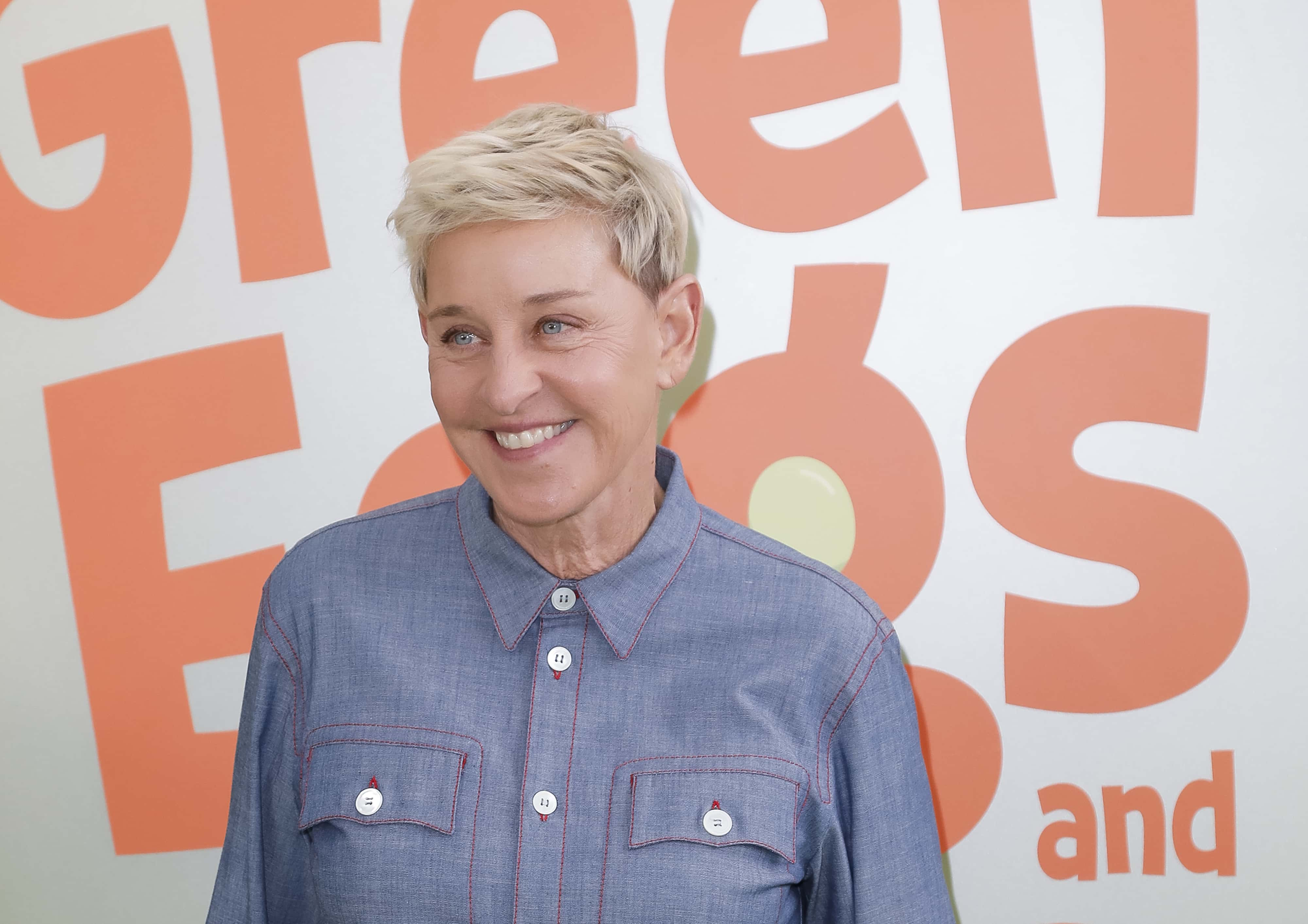
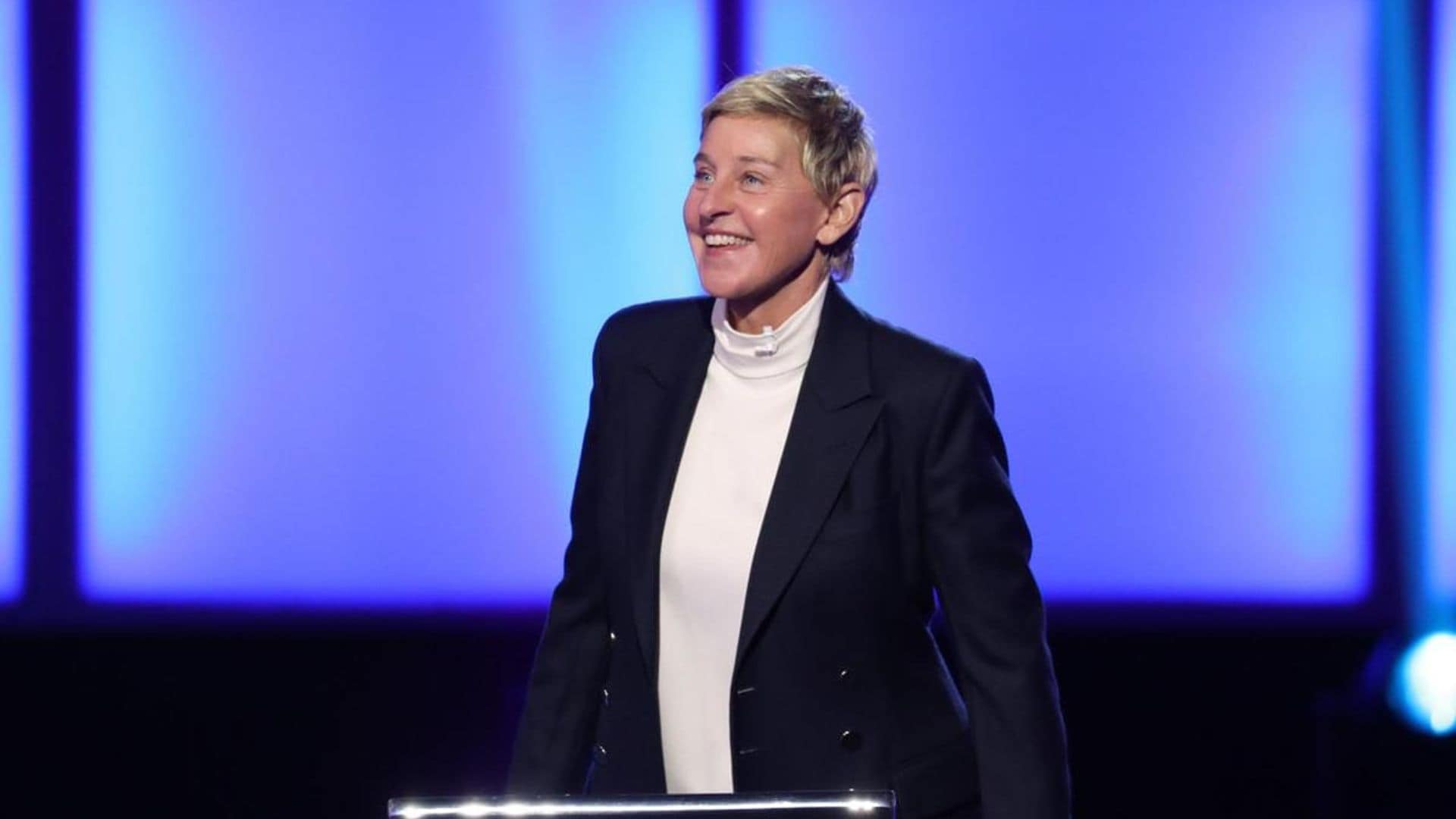
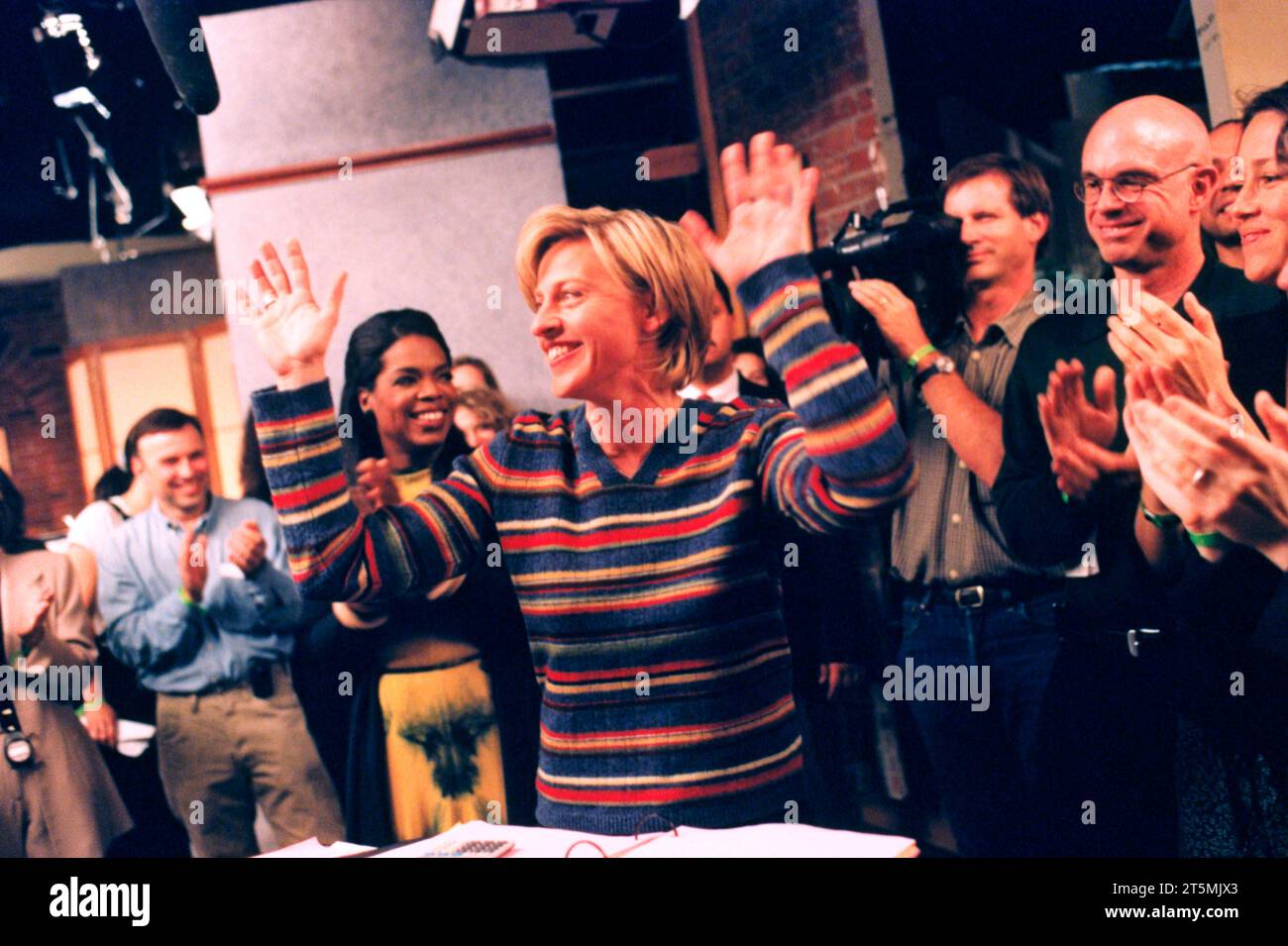
In the case of Ellen DeGeneres, a prominent figure in American television and entertainment for decades, public commentary regarding her personal life, lifestyle choices, and interactions with animals has frequently intersected with broader cultural conversations. While celebrity advocacy can significantly boost visibility and fundraising for animal shelters, it also subjects the individual's personal practices to heightened public scrutiny. Understanding this dynamic requires examining how media framing, social media amplification, and changing cultural standards collectively shape the public conversation surrounding celebrity pet ownership and animal welfare.
Historical Context of Feline Advocacy in Mainstream Media
For decades, mainstream media representation of cats lagged behind that of dogs in terms of organized advocacy and emotional appeal. While canine rescue organizations and celebrity dog adoptions have long been staples of morning television and talk shows, feline welfare initiatives historically received less dedicated prime-time attention. Over the past twenty years, however, cultural attitudes toward cats have shifted significantly, driven by internet culture, specialized rescue organizations, and increased awareness of shelter overpopulation.
Talk shows and entertainment platforms played a vital role in this evolution by featuring rescue cats, highlighting the benefits of adopting older or special-needs felines, and debunking persistent myths regarding cat behavior. When public figures share stories of adopting rescue pets, they normalize these choices for a broad audience. The public conversation surrounding these events typically moves through distinct phases, ranging from initial audience celebration to deeper discussions about systemic animal welfare challenges.
- Celebrity Advocacy Event
- Media Amplification & Social Sharing
- Public Discourse & Shelter Engagement
- Long-Term Cultural Impact on Pet Ownership
Media Framing and the Mechanics of Public Discourse
Public conversations regarding celebrity behavior and animal welfare do not happen in a vacuum; they are heavily influenced by media framing and the architecture of modern social platforms. When a high-profile personality makes news—whether through a new pet adoption, a controversy involving rehoming an animal, or a lifestyle announcement—the story is rapidly processed by digital media outlets, independent bloggers, and millions of social media users.
The Role of Social Media in Amplifying Animal Welfare Stories
Platforms such as X (formerly Twitter), Instagram, and TikTok allow users to dissect celebrity actions in real time. In instances involving animal rescue or pet placement, public reaction can range from intense praise to severe criticism. This decentralized commentary often transforms a localized incident into a national conversation about the responsibilities of pet ownership, the ethics of animal rehoming, and the standards expected of public figures who champion animal rights.
- Immediate Visibility: Celebrity announcements reach millions of followers instantly, raising awareness for shelter animals.
- Critical Scrutiny: Audiences increasingly demand transparency regarding what happens to pets when a celebrity's lifestyle or living situation changes.
- Cultural Accountability: Public debate often shifts from mere appreciation of a cute pet to broader ethical discussions about animal welfare commitments.
Comparative Analysis of Canine vs. Feline Representation in Celebrity Culture
To understand how felines are positioned within the public conversation compared to other companion animals, it is useful to examine the disparities in media coverage, rescue infrastructure, and cultural visibility.
| Feature / Aspect | Canine Advocacy in Media | Feline Advocacy in Media |
|---|---|---|
| Mainstream Visibility | High; frequently featured in films, talk shows, and commercials. | Moderate to High; heavily driven by internet memes and specialized rescue groups. |
| Shelter Population Challenges | High volume of intake, but strong network of breed-specific and general rescues. | High volume of intake, frequently facing higher euthanasia rates in municipal shelters. |
| Public Perception | Often framed as intensely loyal, active, and socially integrated. | Historically subject to stereotypes of independence, occasionally leading to lower initial adoption urgency. |
| Celebrity Endorsement Impact | Direct correlation with specific breed trends or adoption surges. | Increases awareness for shelter adoption and trap-neuter-return (TNR) programs. |
Practical Considerations and Responsibilities in Pet Adoption
The public conversations spurred by celebrity pet ownership frequently highlight important lessons for everyday animal adopters. While media personalities may have access to professional trainers, specialized care facilities, and vast resources, ordinary pet owners must navigate the practical realities of long-term animal care.
- Assessing Household Compatibility: Adopting a cat or dog requires evaluating housing rules, lifestyle compatibility, and the presence of other pets or family members.
- Financial Preparedness: Veterinary care, quality nutrition, preventative medicine, and emergency procedures represent significant, ongoing financial commitments.
- Long-Term Commitment: Companion animals require stability over their entire lifespans, which can exceed fifteen to twenty years in the case of felines.
- Shelter Consultation: Working closely with adoption counselors ensures that the temperament of the animal matches the environment of the adopter.
Frequently Asked Questions
Why do celebrity pet adoptions generate such extensive public discussion?
Celebrity pet adoptions combine popular culture with relatable domestic themes. Because many people own pets, public figures sharing their experiences with rescue animals can normalize adoption and inspire others. However, when controversies arise regarding pet rehoming or care, it triggers public debate about accountability and the ethical treatment of animals.
How has the public perception of cats changed in media over recent decades?
Historically, media representations often relegated cats to secondary status compared to dogs. With the rise of internet culture, specialized feline rescue organizations, and advocacy by public figures, cats have gained recognition as emotionally complex companions requiring dedicated care and advocacy.
What are the main challenges facing feline rescue organizations?
Feline rescues often deal with high population densities, seasonal surges in kitten intake (commonly known as "kitten season"), and limited municipal resources compared to canine facilities. Public education regarding spaying, neutering, and trap-neuter-return programs remains essential for addressing these systemic challenges.
Can celebrity endorsements significantly impact animal shelter adoption rates?
Yes. When a well-known personality highlights a specific shelter or animal, it can drive immediate traffic, increase donations, and raise public awareness for organizations that might otherwise struggle with visibility.
What should prospective pet owners consider before adopting a rescue animal?
Prospective owners should evaluate their daily schedule, financial stability, housing arrangements, and long-term ability to provide medical and emotional care. Consulting with shelter staff is crucial to finding an animal whose temperament suits the household.
Conclusion and Next Actions
The ongoing public conversation surrounding Ellen DeGeneres, companion animals, and celebrity advocacy illustrates the complex interplay between fame, media framing, and animal welfare. While public figures possess a unique ability to elevate shelter animals into the national spotlight, their actions also invite scrutiny regarding the responsibilities of pet ownership. For readers interested in supporting animal welfare, the most effective next actions include volunteering at local shelters, supporting spay-and-neuter initiatives, and researching thoroughly before committing to pet adoption.
Image Gallery