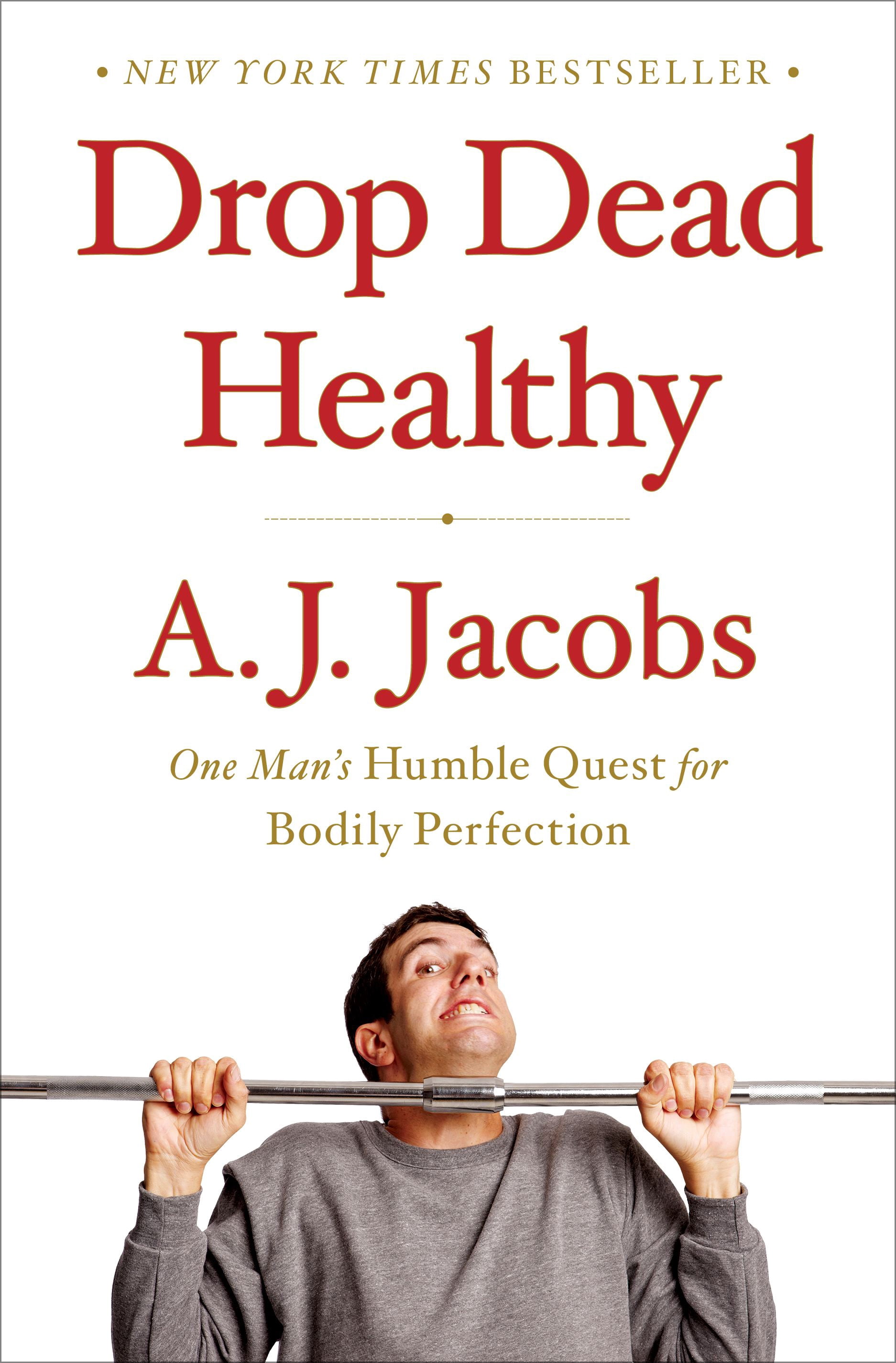
The Drop Dead Healthy Quest for Bodily Perfection: Analyzing the Modern Obsession with Optimization
The drop dead healthy quest for bodily perfection represents an intensive, modern cultural drive to optimize human biology through relentless self-measurement, biohacking, and rigorous lifestyle interventions. While pursuing physical w...
The drop dead healthy quest for bodily perfection represents an intensive, modern cultural drive to optimize human biology through relentless self-measurement, biohacking, and rigorous lifestyle interventions. While pursuing physical wellness offers genuine health benefits, the absolute quest for flawlessness often blurs the line between sustainable vitality and psychological burnout, raising important questions about the actual costs of extreme optimization.
Contents
Understanding the Modern Pursuit of Bodily Perfection
The contemporary fixation on physical optimization goes far beyond traditional fitness routines or balanced nutrition. Driven by ubiquitous wearable technology, continuous health tracking, and an influx of wellness media, individuals now have access to granular data regarding their sleep architecture, heart rate variability (HRV), metabolic glucose responses, and cellular health. This unprecedented visibility transforms everyday living into an ongoing experiment, where every biological metric can be monitored, analyzed, and fine-tuned.
At its core, this quest is fueled by the democratization of medical and physiological data. Consumers no longer rely solely on annual physical examinations; instead, they act as active researchers and self-quantifiers. However, this shift creates a paradox. While greater awareness can empower proactive health management, it can also foster a hyper-critical relationship with the body. When every physiological fluctuation is interpreted as a failure or a sub-optimal state, the pursuit of wellness risks inducing chronic stress—the very physiological enemy that wellness advocates seek to eliminate.
The Pillars of Physical Optimization: Methods and Technologies
To understand how individuals pursue bodily perfection, it is necessary to examine the primary mechanisms, tools, and interventions that characterize this movement. The optimization toolkit spans several distinct domains, ranging from nutritional experimentation to high-tech recovery modalities.
Quantified Self and Biohacking
The quantified self-movement relies heavily on data collection. Continuous glucose monitors (CGMs), smart rings, advanced fitness watches, and DNA testing kits allow users to map their internal systems. Biohacking takes this data a step further by implementing targeted interventions—such as cold plunges, infrared saunas, nootropic supplementation, and sleep-tracking protocols—to override perceived biological limitations and enhance cognitive or physical performance.
Nutritional Rigor and Restriction
Nutrition within the optimization space has evolved from simple calorie counting to complex biochemical management. Protocols such as intermittent fasting, ketogenic diets, cyclical carbohydrate intake, and rigorous micronutrient tracking are common. While these approaches can yield metabolic improvements for specific individuals, they often demand significant psychological bandwidth and can inadvertently transition into orthorexia—an unhealthy obsession with eating "correctly" or "purely."
Advanced Recovery and Longevity Medicine
Beyond diet and exercise, the quest for perfection extends into proactive longevity medicine. Hormone optimization therapy, intravenous (IV) vitamin drips, hyperbaric oxygen therapy, and peptide usage have migrated from specialized clinical settings into mainstream wellness culture. Proponents argue that these interventions delay aging and maximize vitality, while critics highlight the lack of long-term safety data for healthy populations utilizing medical therapies outside strict clinical indications.
Comparative Analysis: Sustainable Wellness vs. Extreme Optimization
To evaluate the impact of the drop dead healthy mindset, it is helpful to contrast sustainable health practices with extreme physiological optimization across key dimensions.
| Dimension | Sustainable Wellness | Extreme Bodily Optimization |
|---|---|---|
| Primary Motivation | Long-term vitality, functional longevity, and mental peace. | Peak performance, measurable flawlessness, and aesthetic or metric superiority. |
| Data Relationship | Uses metrics as general guideposts for lifestyle adjustments. | Obsesses over granular daily fluctuations in biomarkers and scores. |
| Nutritional Approach | Flexible, nutrient-dense, and socially adaptable eating patterns. | Highly restrictive, protocol-driven, and rigidly timed nutritional rules. |
| Psychological Impact | Low anxiety; food and exercise remain sources of enjoyment. | High risk of orthorexia, exercise addiction, and chronic health anxiety. |
| Financial Cost | Moderate (standard gym memberships, whole foods, basic check-ups). | High (wearables, continuous testing, supplements, specialized therapies). |
The Psychological Toll and Orthorexia Risks
The pursuit of absolute bodily perfection carries significant psychological risks that are frequently downplayed in wellness marketing. When human worth or daily mood becomes tethered to a wearable device's "readiness score" or a specific blood biomarker range, psychological well-being suffers.
Psychologists and public health researchers have noted rising rates of health anxiety directly linked to hyper-monitoring. Orthorexia nervosa—though not formally recognized as a standalone diagnosis in all psychiatric manuals—describes a clinically significant fixation on righteous eating that impairs social functioning and causes nutritional distress. When individuals sacrifice social connection, mental peace, and emotional stability in the name of health, the pursuit becomes counterproductive. True health must encompass psychological resilience alongside physical metrics.
Navigating the Fine Line Between Health and Obsession
Achieving a balanced relationship with physical optimization requires intentional boundaries. Readers and practitioners navigating this space can adopt several practical strategies to protect their mental and physical well-being:
- Audit Your Relationship with Data: Periodically step away from tracking devices for a week. If removing the wearable device causes severe anxiety or disorientation, the tool may be dictating your well-being rather than serving it.
- Focus on Functional Outcomes: Prioritize how your body feels, moves, and performs in daily life over abstract numerical targets generated by algorithms.
- Consult Qualified Professionals: Rely on licensed medical professionals, registered dietitians, and board-certified physicians for health interventions rather than relying solely on anecdotal internet forums or wellness influencers.
- Embrace Biological Variability: Understand that human physiology is naturally dynamic, not static. Daily fluctuations in weight, sleep scores, and energy levels are normal biological responses to stress, weather, and activity, not indicators of systemic failure.
Frequently Asked Questions
What is the primary driver behind the quest for bodily perfection?
The quest is primarily driven by advancements in consumer health technology, the widespread availability of biometric tracking data, and cultural shifts toward preventative longevity and self-optimization. While rooted in a desire for health, it is often amplified by digital media platforms that reward aesthetic and performance extremes.
Can continuous health tracking be harmful?
Yes, for certain individuals, continuous tracking can induce hyper-vigilance, health anxiety, and obsessive behaviors. When minor biological variations are misinterpreted as medical emergencies or personal failures, the psychological cost outweighs the physical benefit of the data.
How do biohacking and traditional health differ?
Traditional health focuses on foundational pillars such as adequate sleep, balanced nutrition, regular movement, and stress management. Biohacking often builds upon these foundations by incorporating experimental, high-tech, or pharmacological interventions designed to push physiological markers beyond normal baseline ranges.
What is orthorexia nervosa?
Orthorexia is an informal term used to describe an obsessive focus on eating pure, clean, or biologically optimal foods. Unlike standard dietary preferences, orthorexia causes severe emotional distress, social isolation, and rigid dietary rules that can eventually lead to malnutrition or psychological impairment.
How can someone pursue longevity without falling into perfectionism?
Individuals can maintain a balanced approach by viewing health habits as flexible tools rather than strict moral obligations. Emphasizing enjoyment in movement, sharing varied foods socially, and listening to internal body cues rather than deferring entirely to wearable devices helps maintain a healthy perspective.
Conclusion and Next Actions
The drop dead healthy quest for bodily perfection highlights humanity's eternal desire to transcend biological limits. However, true wellness requires recognizing that the human body is an adaptive organism, not a machine to be perpetually recalibrated. To move forward productively, individuals should balance scientific curiosity with self-compassion, utilizing health data as a supportive compass rather than an unyielding tyrant. Start by evaluating your current health routines: identify one tracking habit or dietary restriction driven purely by anxiety or metrics, and replace it with a practice focused on sustainable enjoyment and genuine physical restoration.
Image Gallery