How to Make a Blast Furnace Safely
Constructing a small-scale or experimental blast furnace requires rigorous adherence to thermal engineering principles, refractory material selection, and personal protective equipment protocols to prevent catastrophic failures, explos...
Constructing a small-scale or experimental blast furnace requires rigorous adherence to thermal engineering principles, refractory material selection, and personal protective equipment protocols to prevent catastrophic failures, explosions, and severe burns.
Contents
Building a functional blast furnace involves designing a vertically oriented smelting vessel that uses a forced air blast to burn carbon fuel, typically metallurgical coke, and reduce metal oxides—most commonly iron ore—into liquid pig metal and slag. Because internal operating temperatures easily exceed 1,200 degrees Celsius (2,192 degrees Fahrenheit) and can reach upwards of 1,700 degrees Celsius near the tuyères, safety is not merely a precautionary measure; it is the fundamental parameter governing every stage of construction, material sourcing, and operation. This guide examines the engineering requirements, refractory chemistry, structural assembly, ignition procedures, and operational safety protocols necessary to build and manage a blast furnace safely.
Understanding Blast Furnace Principles and Hazards
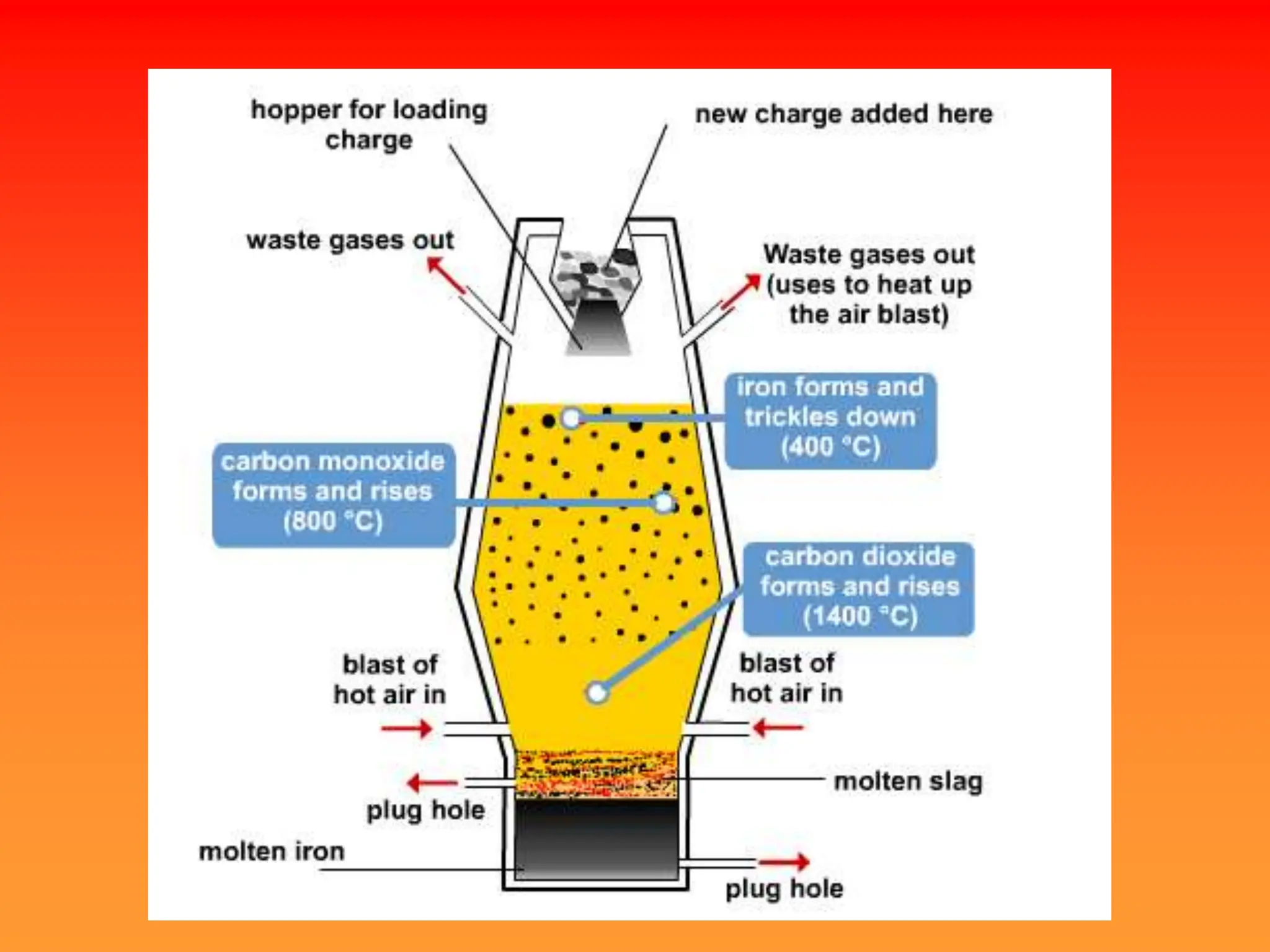
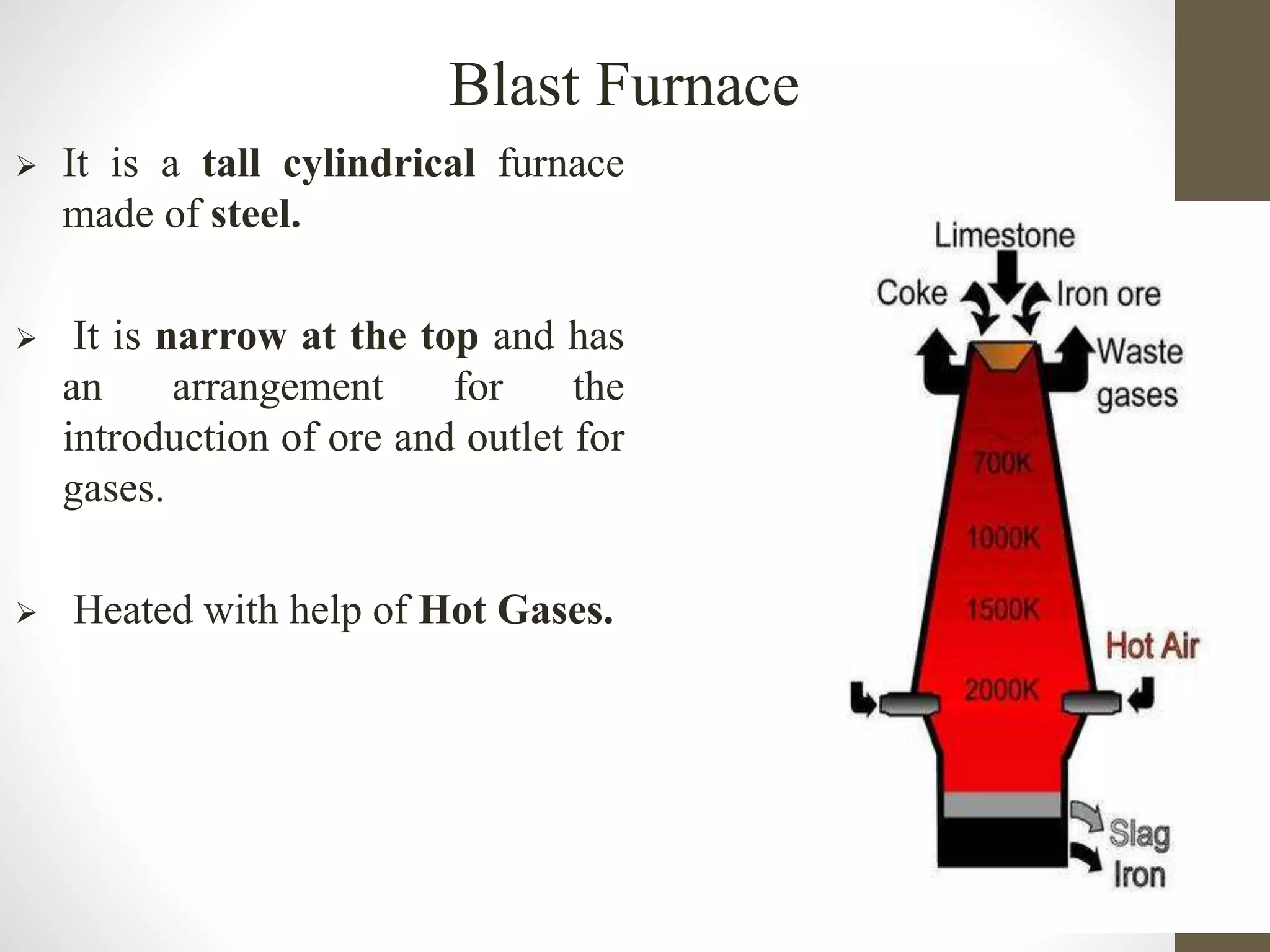
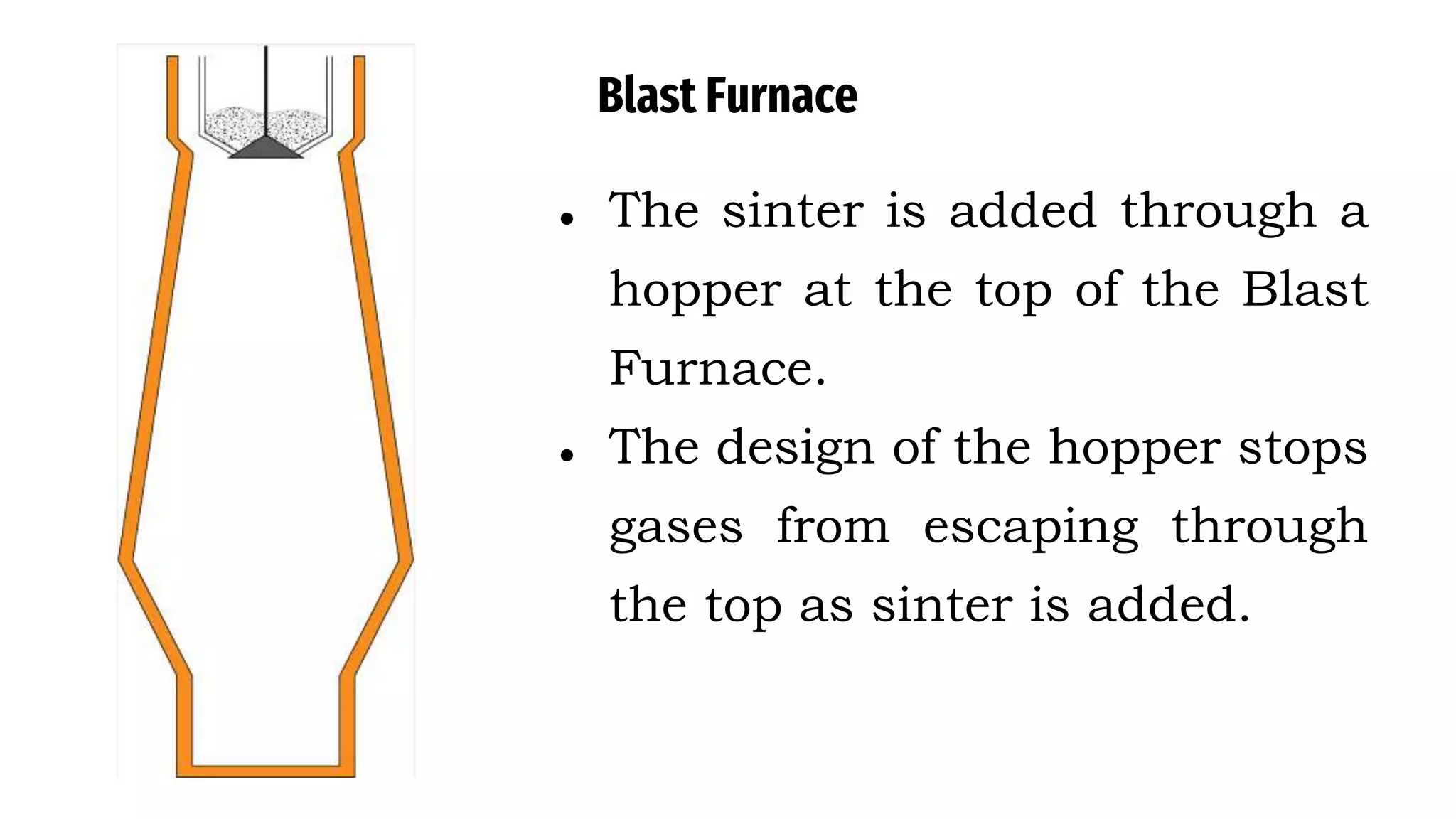
Before gathering materials or laying a single brick, a builder must understand the physical and chemical environment inside a working blast furnace. A blast furnace is a continuous countercurrent reactor. Solid charges of iron ore, fuel (coke or charcoal), and fluxes (such as limestone) are charged from the top, while a blast of preheated or ambient air is forced into the bottom through water- or air-cooled nozzles known as tuyères.
The primary hazards associated with this process include:
- Steam Explosions: The most violent hazard in amateur or small-scale metallurgy. If moisture is trapped within the refractory lining, the crucible floor, or the raw materials, the intense heat instantly vaporizes the water. Steam expands to roughly 1,700 times the volume of liquid water, causing a catastrophic explosion that sprays molten metal and slag in all directions.
- Carbon Monoxide (CO) Poisoning: The partial combustion of carbon creates massive volumes of carbon monoxide, a colorless, odorless, and highly toxic gas. Accumulation in poorly ventilated areas can be fatal within minutes.
- Thermal Burns and Radiation: Molten metal operates at extreme temperatures, and refractory materials retain heat for hours after shutdown. Radiant heat can cause skin damage and ignite nearby combustible structures.
- Structural Failure: Thermal shock, uneven expansion, and slag erosion can breach the furnace walls, causing breakouts of molten iron that destroy equipment and threaten personnel.
Essential Materials and Refractory Selection
The structural integrity of a blast furnace relies entirely on high-temperature refractory materials. Standard bricks, concrete, and mortar will melt, spall, or disintegrate under the chemical attack of basic slags and extreme heat.
Refractory Bricks and Mortar
For the hearth and bosh (the lower and middle sections where temperatures peak and liquid collects), high-alumina bricks containing 60% to 80% aluminum oxide ($Al_2O_3$) or carbon-based blocks are required. For the upper stack where temperatures are lower but abrasion is high, dense fireclay bricks work effectively. All bricks must be laid with a high-temperature refractory mortar rated for the specific service temperature. Crucially, all refractory materials must be completely bone-dry before exposure to heat.
Structural Shell and Reinforcement
The refractory lining cannot stand alone; it requires a rigid outer shell to contain the outward thrust caused by the weight of the burden and internal gas pressures.
- Steel Casings: Heavy-gauge steel drums or welded plate steel (minimum 1/4 inch thickness) form the outer containment vessel.
- Tension Bands: External steel bands with mechanical tightening bolts accommodate thermal expansion and prevent the shell from warping or cracking.
Air Supply and Blower Systems
The blast system requires a reliable, high-volume air compressor or blower capable of delivering steady static pressure. Hand-cranked blowers or vacuum cleaners operated in reverse are generally inadequate for consistent combustion control. The air feed must connect to a manifold and split into one or more tuyères made of thick-walled steel or copper pipe projecting slightly into the furnace interior.
| Furnace Zone | Primary Function | Recommended Material | Critical Hazard |
|---|---|---|---|
| Hearth / Crucible | Collection of molten metal and slag | High-alumina or Carbon bricks | Molten breakout, water contact |
| Bosh | Combustion zone and primary reduction | High-alumina firebrick | Extreme heat, slag erosion |
| Stack / Shaft | Preheating and gradual reduction | Dense fireclay brick | Carbon monoxide accumulation |
| Shell / Casing | Structural containment | Welded steel plate / strapping | Thermal fatigue, over-pressurization |
Step-by-Step Construction Methodology
Building a blast furnace safely requires methodical execution, allowing ample time for curing and structural inspection at every phase.
Phase 1: Foundation and Drainage
Construct the furnace on a non-combustible foundation, preferably a reinforced concrete slab poured over a thick bed of crushed gravel to ensure absolute drainage. Any sub-surface moisture beneath the foundation can travel upward into the refractory via capillary action, setting the stage for a steam explosion. Ensure the work area is outdoors or in an industrial facility with engineered mechanical ventilation and zero overhead wooden structures.
Phase 2: Constructing the Hearth and Taphole
The hearth is the lowest section of the furnace, designed to hold the pool of molten iron and slag. Lay the floor bricks meticulously, ensuring tight joints.
- Build the circular or rectangular side walls, leaving an aperture for the taphole—the channel through which molten metal will be drained.
- Form the taphole using a mixture of refractory clay and graphite paste, which can be easily broken out and plugged (using a clay gun or plugging iron) during operations.
- Install the tuyère ports at a calculated height above the maximum anticipated liquid metal pool level to prevent liquid iron from backing up into the air blast lines.
Phase 3: Building the Shaft and Lining
Once the hearth cures, erect the outer steel shell around the inner refractory ring, or build the brick wall upward inside the steel casing, backfilling any interstitial space with insulating refractory concrete or granular refractory wool.
- Maintain uniform brick spacing. Uneven mortar joints create thermal hotspots where the lining will fail prematurely.
- Incorporate thermocouple wells into the brickwork at varying heights to monitor shell and lining temperatures during operation.
Phase 4: Curing the Refractory
Rushing the curing process guarantees failure. Refractory mortar and castable linings contain chemically bound and free water that must be driven off slowly.
- Allow air-setting mortars to cure at ambient temperature for a minimum of 72 hours.
- Perform a low-temperature dry-out fire using a small charcoal or gas burner inside the hearth for 24 to 48 hours, keeping internal temperatures below 150°C (302°F) until all steaming ceases entirely. Gradually ramp up the heat over several days.
Ignition and Operating Safety Protocols
Once construction and curing are complete, safe operation requires strict adherence to lighting and charging procedures.
Dry-Out and Pre-Heating
Never charge a cold blast furnace with heavy iron ore and dense flux. The furnace must be preheated with a coke bed until the refractory walls glow dull red. This thermal priming prevents the cold charge from chilling the combustion zone and stalling the reduction reactions.
Charging and Burden Management
Charge the furnace in alternating layers of fuel (coke) and burden (ore mixed with limestone flux).
- Ensure all raw materials are 100% dry. Storing ore or coke outdoors in rain or snow introduces lethal moisture into the stack.
- Monitor the top gas emissions. A sudden change in flame color or excessive smoke indicates channeling or scaffolding—a dangerous condition where the solid charge hangs up on the walls and hollows out underneath.
Personal Protective Equipment (PPE)
Operators must wear full safety gear specifically rated for foundry work:
- Aluminized or heavy leather foundry suits designed to shed molten metal splashes.
- Dual-visor face shields rated for impact and radiant heat, worn over safety glasses.
- Metatarsal guard foundry boots with integrated steel toes, free of laces that can trap molten droplets.
- Self-Contained Breathing Apparatus (SCBA) or supplied-air respirators for personnel working near the top gas region or taphole during tapping operations.
Troubleshooting Common Operational Hazards
Even with careful preparation, anomalies can occur during a smelting campaign. Recognizing and responding to these indicators prevents disasters.
1. Water Leaks in Tuyères
If water-cooled tuyères develop a pinhole leak, water enters the high-temperature combustion zone instantly, cracking into hydrogen and oxygen and triggering a severe steam explosion.
- Action: Immediately shut down the air blower, cut off cooling water supplies while venting pressure, and evacuate the casting floor.
2. Taphole Freezing
If the slag or metal cools too rapidly inside the taphole, the channel seals shut, trapping molten material inside the hearth.
- Action: Use oxygen lances to thermal-cut through the blockage, ensuring operators stand clear of the direct line of the stream to avoid explosive blowback when the liquid breaks free.
3. Hearth Burn-Through
A localized hot spot on the exterior steel shell indicates that the internal refractory lining has thinned or eroded away, exposing the shell directly to molten metal.
- Action: Immediately apply external water spray cooling to freeze an internal protective layer of slag against the shell, reduce the blast volume, and prepare for an emergency shutdown and controlled drain of the furnace.
Conclusion
Building and operating a blast furnace is an intense metallurgical undertaking that leaves no margin for error. Success depends on meticulous material selection, patient refractory curing, unwavering attention to moisture elimination, and strict adherence to foundry safety gear. By respecting the immense thermal and chemical energies involved, operators can manage smelting operations efficiently while mitigating the catastrophic risks of steam explosions, toxic gas exposure, and molten metal breakouts.
Image Gallery