70 kg Female Celebrities and Body Image Trends: Redefining Standards in Media Culture
The conversation surrounding 70 kg female celebrities and body image trends reflects a broader cultural shift away from hyper-thin body ideals toward more realistic, diverse, and inclusive standards of health and beauty. As media repre...
The conversation surrounding 70 kg female celebrities and body image trends reflects a broader cultural shift away from hyper-thin body ideals toward more realistic, diverse, and inclusive standards of health and beauty. As media representation evolves, public figures hovering around the 70-kilogram mark—spanning various heights, body compositions, and athletic backgrounds—challenge outdated industry norms and help normalize diverse physical forms in mainstream entertainment.
Contents
Understanding the Context of Body Weight in Media
For decades, the entertainment industry enforced narrow, often unattainable weight and size standards. Historically, fashion models and leading actresses frequently fell far below average population weight distributions, creating systemic pressure on consumers.
In recent years, public awareness regarding body diversity has grown significantly. The figure of 70 kg (approximately 154 pounds) serves as an interesting reference point in contemporary discussions. Depending on an individual's height, muscle mass, and bone density, 70 kg can represent a healthy body mass index (BMI), athletic muscularity, or a mid-range weight, demonstrating that weight alone is an incomplete metric for health or aesthetic appeal.
The Math Behind the Scale: Height and Body Composition
To understand why a 70 kg weight looks entirely different across various female celebrities, one must examine how height and body composition alter physical appearance:
- Height Variations: For a person standing 155 cm (5'1''), a weight of 70 kg places them in the overweight category according to standard clinical charts. For someone standing 178 cm (5'10''), 70 kg represents a lean, athletic build well within the normal range.
- Muscle vs. Fat Mass: Muscle tissue is denser than fat tissue. Two women weighing exactly 70 kg can have completely different physiques if one engages in heavy resistance training and the other leads a sedentary lifestyle.
- Skeletal Structure: Frame size, shoulder breadth, and hip structure dictate how weight is distributed across the body, meaning identical weights never translate to identical silhouettes.
The Evolution of Body Image Trends in Entertainment
Shifting cultural attitudes have transformed how celebrities discuss their weights, fitness routines, and body image struggles. The era of praising extreme thinness has gradually given way to appreciation for strength, wellness, and body neutrality.
From Heroin Chic to Strong is the New Skinny
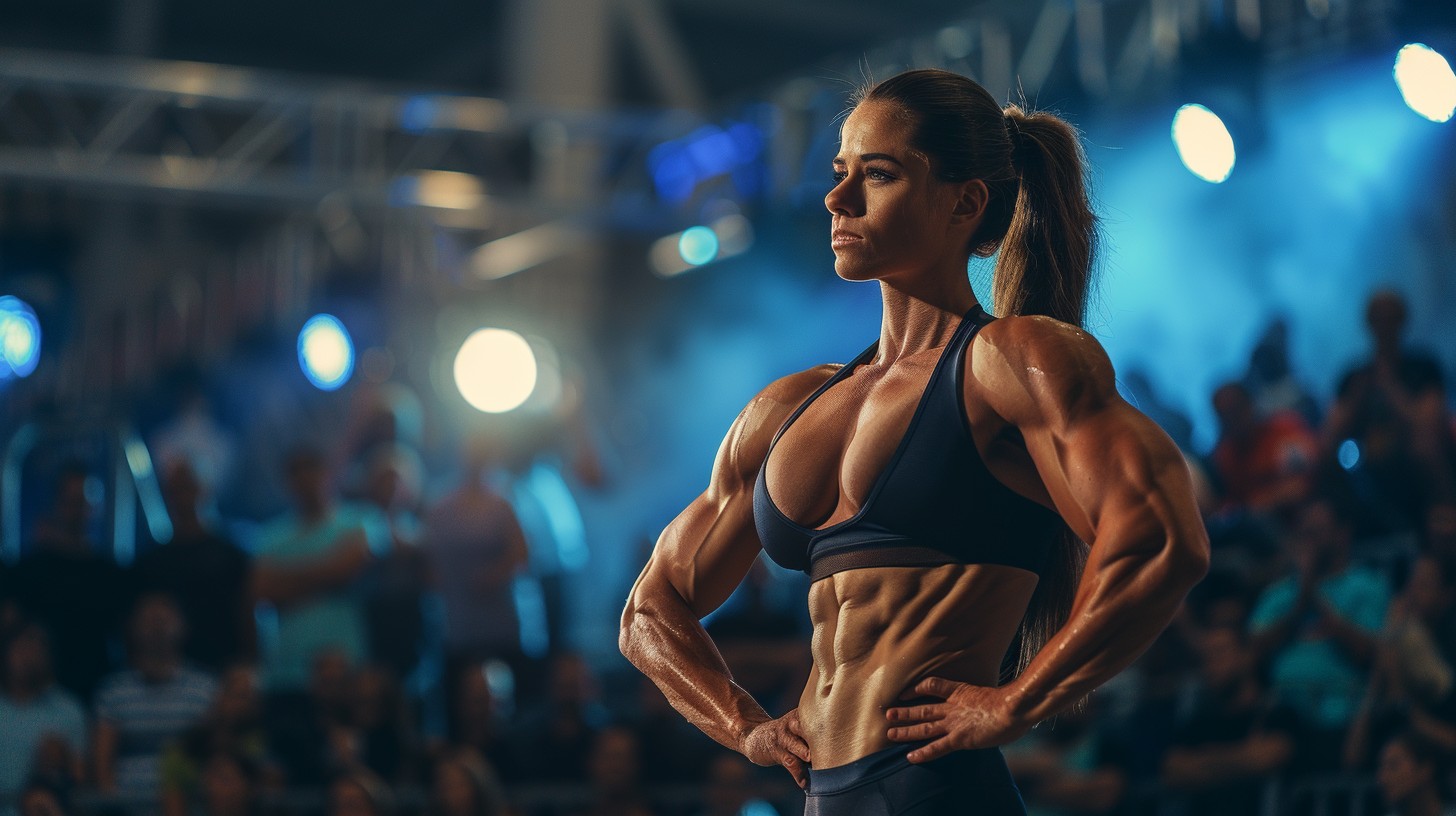
During the 1990s and early 2000s, pop culture popularized ultra-thin aesthetics. By the 2010s, fitness movements popularized by platforms like Instagram encouraged women to build muscle and embrace athletic curves. Female celebrities began openly sharing their weightlifting regimens, protein intakes, and body acceptance journeys. Public figures who weigh around 70 kg—such as certain athletes, models, and actresses who prioritize functional fitness over scale numbers—have become prominent figures in this cultural evolution.
The Rise of Body Positivity and Body Neutrality
While body positivity originated as a movement for marginalized bodies, its mainstream adoption has occasionally simplified complex health discussions. Consequently, many cultural commentators now advocate for "body neutrality"—a mindset that focuses on what the body can do rather than how it looks. This shift has allowed celebrities to step away from constant weight scrutiny and focus on longevity, mental health, and physical capability.
Case Studies: Diversity in 70 kg Female Celebrities
Public perception of weight is heavily skewed by Hollywood illusions. Many women who appear remarkably lean on screen actually weigh around 70 kg due to tall statures or high muscle density. Examining how different public figures navigate weight helps demystify these physical realities.
| Celebrity Archetype | Typical Height Range | Estimated Weight | Body Composition Focus | Cultural Impact |
|---|---|---|---|---|
| Athletic Actresses | 170 cm – 178 cm (5'7"–5'10") | ~68 kg – 72 kg | High muscle mass, functional strength | Normalizes muscular physiques in action roles and red carpets. |
| Curvy Fashion Models | 172 cm – 175 cm (5'8"–5'9") | ~70 kg – 75 kg | Balanced proportions, soft tissue distribution | Bridges the gap between traditional runway and plus-size modeling. |
| Endurance Athletes | 165 cm – 170 cm (5'5"–5'7") | ~68 kg – 72 kg | Low body fat percentage, dense musculature | Demonstrates that high performance requires adequate fueling. |
Psychological Impacts of Media Representation
The portrayal of bodies in media directly influences public self-esteem, eating habits, and mental health. When media outlets scrutinize a celebrity's fluctuation around the 70 kg mark, it sends harmful signals to consumers about acceptable weight limits.
The Dangers of Weight Stigma and Taboos
Weight stigma remains prevalent in media reporting, where female celebrities are often subjected to aggressive tabloids speculating about pregnancy or weight gain whenever their weight shifts. This constant surveillance reinforces internal shame among everyday consumers who share similar body types. When media platforms celebrate diverse weights—including healthy ranges around 70 kg—it helps dismantle these damaging stigmas.
The Role of Social Media Algorithms
Modern social media platforms complicate body image trends. While fitness communities promote strength and health, algorithms frequently push idealized, heavily edited imagery. Prominent figures who transparently share unedited photos and realistic weight metrics play a vital role in combating digital distortion.
Practical Approaches to Personal Body Image and Health
Navigating personal body image in an era of shifting media standards requires intentional strategies focused on physical and mental well-being rather than arbitrary scale targets.
- Focus on Functional Metrics: Measure health through strength, cardiovascular endurance, sleep quality, and energy levels rather than focusing solely on kilograms or pounds.
- Curate Media Feeds: Unfollow accounts that trigger insecurity or promote unrealistic aesthetic standards. Replace them with creators who emphasize health, body neutrality, and diverse physical forms.
- Consult Qualified Professionals: For personalized dietary or fitness changes, rely on registered dietitians and medical doctors rather than celebrity trends or social media advice.
Disclaimer: This article is for informational and cultural analysis purposes only and does not constitute medical, psychological, or nutritional advice. Individuals seeking guidance on weight management or body image concerns should consult healthcare professionals.
Frequently Asked Questions
Is 70 kg considered a healthy weight for a woman?
Whether 70 kg is considered a healthy weight depends entirely on an individual's height, age, muscle mass, and overall body composition. According to standard clinical guidelines, 70 kg may fall into a normal, overweight, or athletic category depending on whether a person is short or tall. Clinical evaluation requires looking at comprehensive health markers beyond a single scale reading.
Why do some celebrities who weigh 70 kg look very slender?
Height and muscle density explain why two people at the same weight can look completely different. A taller celebrity (such as someone 175 cm or taller) distributing 70 kg across a larger frame will appear much leaner than someone shorter carrying the same weight. Additionally, high muscle mass increases density while occupying less physical volume than fat tissue.
How have body image trends changed in Hollywood over the last decade?
Over the past ten years, media culture has gradually shifted away from glorifying extreme thinness toward celebrating athletic builds, strength, and diverse body shapes. While industry pressures still exist, public figures face more cultural demand to promote balanced health, wellness, and body neutrality rather than dangerous dieting practices.
What is body neutrality, and how does it differ from body positivity?
Body positivity focuses on loving and accepting your physical appearance despite cultural flaws and societal beauty standards. Body neutrality, on the other hand, encourages individuals to view their bodies as functional instruments rather than objects to be evaluated aesthetically. It allows people to feel neutral about their physical appearance while appreciating what their bodies can achieve physically.
How can I stop comparing my body to celebrity appearances?
Combatting comparison involves recognizing that media images are frequently curated, posed, lit, and edited. Curating your digital environment to remove triggering content, focusing on personal strength goals, and practicing self-compassion help build resilience against unrealistic media standards.
Conclusion
The discourse surrounding 70 kg female celebrities and body image trends highlights a positive cultural movement toward realism and inclusivity. By recognizing that weight is mediated by height, muscle distribution, and genetics, consumers can break free from rigid, outdated beauty standards. Prioritizing health, functional capability, and mental well-being over arbitrary scale targets remains the most sustainable path forward in a changing media landscape.
Image Gallery