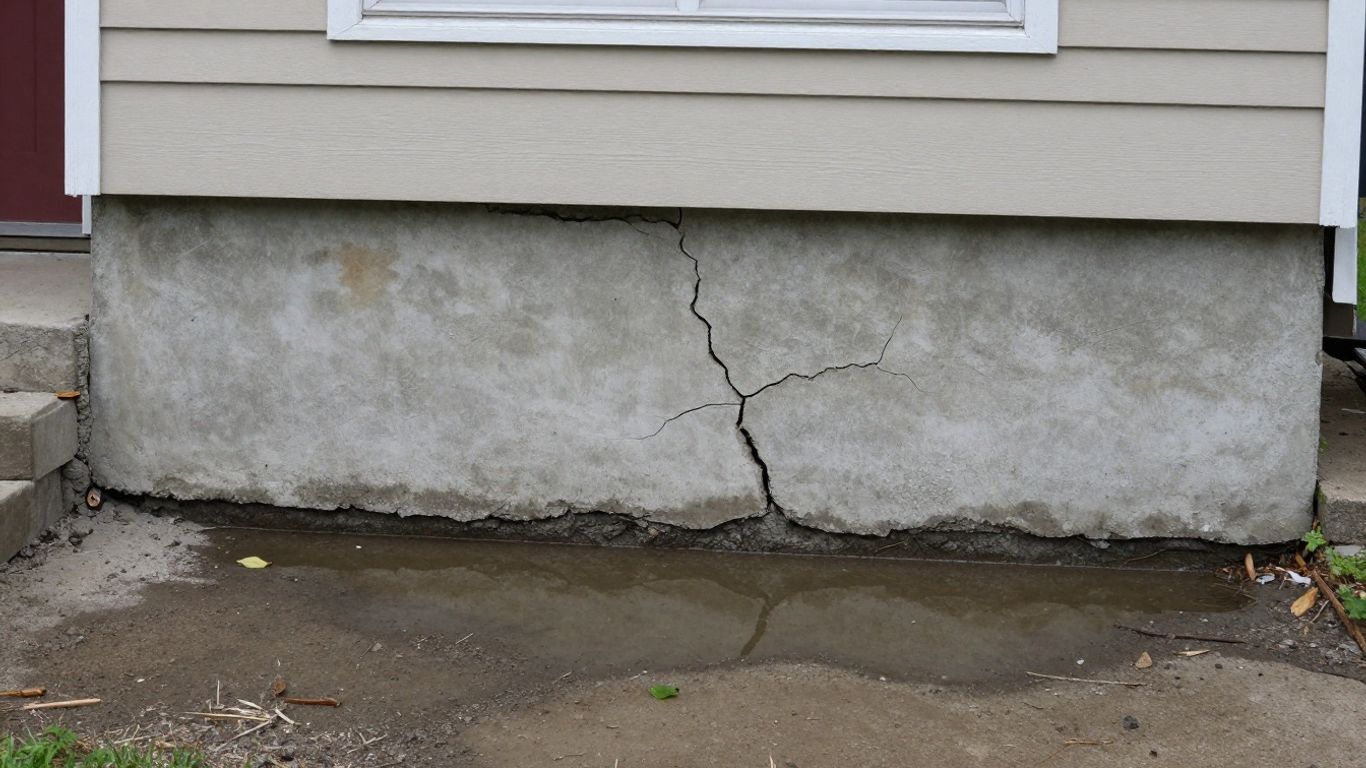
Understanding Foundation Repair in Decatur, TX: Causes, Methods, and Costs
Foundation repair in Decatur, TX involves assessing shifting clay soils, stabilizing structures using methods like steel piers or concrete pilings, and budgeting for repairs that typically range from several thousand dollars depending...
Foundation repair in Decatur, TX involves assessing shifting clay soils, stabilizing structures using methods like steel piers or concrete pilings, and budgeting for repairs that typically range from several thousand dollars depending on the extent of the structural damage.
Contents
Property owners in Wise County, Texas, frequently encounter unique structural challenges due to the regional environment. Decatur, situated just northwest of the Dallas-Fort Worth metroplex, sits upon complex geological formations that place immense pressure on residential and commercial foundations. Understanding why foundations fail in this area, recognizing the early warning signs of distress, and knowing what to expect from professional repair methods are essential steps for protecting property value and structural integrity.
Geological Context: Why Decatur Soil Causes Foundation Issues
The primary culprit behind foundation movement in Decatur is the prevalence of expansive clay soils, often referred to as black gumbo or Yazoo clay. These soils possess a high volumetric expansion potential, meaning they swell significantly when they absorb moisture during heavy North Texas rainstorms and shrink dramatically during prolonged summer droughts.
The Shrink-Swell Cycle and Structural Stress
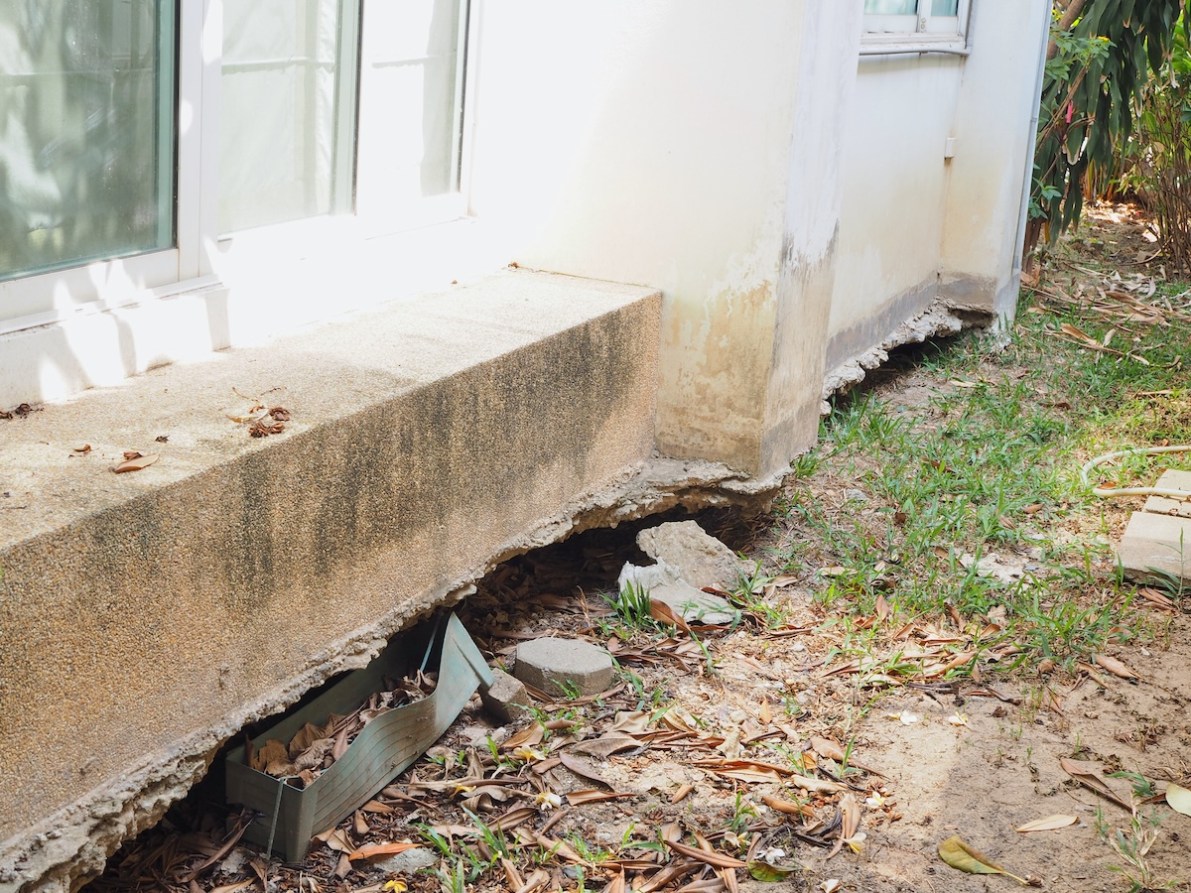
When moisture conditions fluctuate, the soil beneath a structure experiences dramatic volume changes. During dry spells, the clay pulls away from the perimeter grade beams of a foundation, leaving a void. The edges of the foundation lose vertical support, creating cantilever stress that can snap concrete slabs. Conversely, heavy rainfall hydrates the clay, causing it to swell upward. If this moisture is distributed unevenly—such as when a large tree draws water from one side of a house—differential heave occurs. One corner of the house rises while another remains stable, twisting framing members, cracking drywall, and jamming doors.
Environmental Factors Impacting Decatur Foundations
Weather patterns in Wise County exacerbate soil movement. Extended periods of 100-degree summer days bake moisture out of the earth to depths of several feet. When autumn storms arrive, rapid saturation creates localized pressure pockets. Furthermore, Decatur features varying topographical contours, ranging from flat plains to rolling hills with shallow limestone layers. Properties built on sloping terrain or transition zones—where clay meets rock—frequently experience uneven settling rates across different sections of a single footprint.
Common Signs Your Foundation Needs Repair
Catching structural problems early prevents minor cosmetic cracks from evolving into catastrophic structural failures. Property owners should perform routine visual inspections of both the interior and exterior of their buildings.
Exterior Warning Signs
- Brick and Mortar Cracks: Stair-step cracking in brick veneer or mortar joints typically indicates differential movement of the wall. Shear cracks that are wider at the top than the bottom suggest that a corner of the foundation is sinking.
- Separation: Gaps appearing between brickwork and window frames, door frames, or rooflines indicate that the framing and the foundation are shifting out of alignment.
- Fascia and Roof Line Distortion: Sagging rooflines or leaning chimneys point to severe structural settling beneath load-bearing walls.
Interior Warning Signs
- Sticking Doors and Windows: When a foundation shifts, door frames and window openings skew from rectangles into parallelograms, causing doors to bind or windows to become difficult to open.
- Drywall and Plaster Cracks: Diagonal cracks running upward from the corners of doors and windows are classic indicators of foundation settlement.
- Sloping Floors: Walking across a room and noticing a distinct tilt, or watching round objects roll across the floor on their own, points to severe interior pier settlement.
Professional Foundation Repair Methods Used in Decatur
When structural damage exceeds normal tolerances, professional intervention is required. Decatur foundation repair contractors typically employ stabilization techniques engineered to reach stable load-bearing strata beneath the active clay zone.
| Repair Method | Description | Best Suited For | Typical Longevity |
|---|---|---|---|
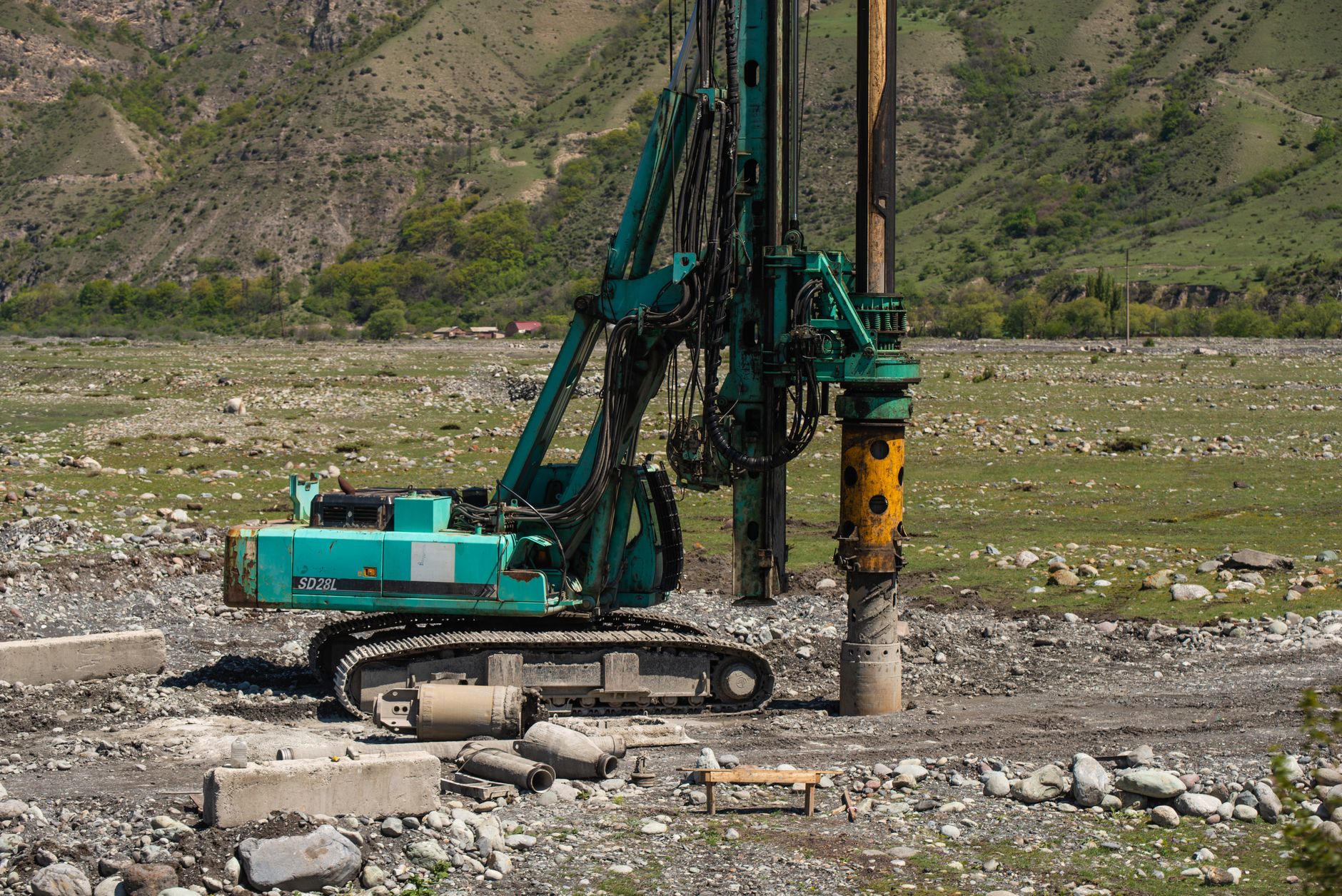
| Pressed Concrete Pilings | Hydraulic rams drive pre-cast concrete cylinders deep into the ground until they hit load-bearing strata. | Standard residential slab foundations on moderately reactive soils. | Moderate to High (often includes transferable warranties) |
| Steel Pier Systems | Heavy-duty galvanized or structural steel pipe columns are driven hydraulically to bedrock or stable strata and locked in place with brackets. | Severe structural settlement, heavy commercial buildings, or rocky transitional soils. | Permanent / Lifetime |
| Helical Piers | Steel shafts with welded helical plates are screwed into the ground mechanically, providing support for both tension and compression loads. | New construction, lightweight structures, or areas with high water tables. | Permanent / Lifetime |
| Mudjacking / Polyurethane Injection | High-pressure pumping of grout or expanding polyurethane foam beneath a sunken slab to fill voids and lift concrete. | Minor slab settlement, sunken porches, driveways, and interior walkways. | Varies based on soil drainage |
Evaluating the Repair Process
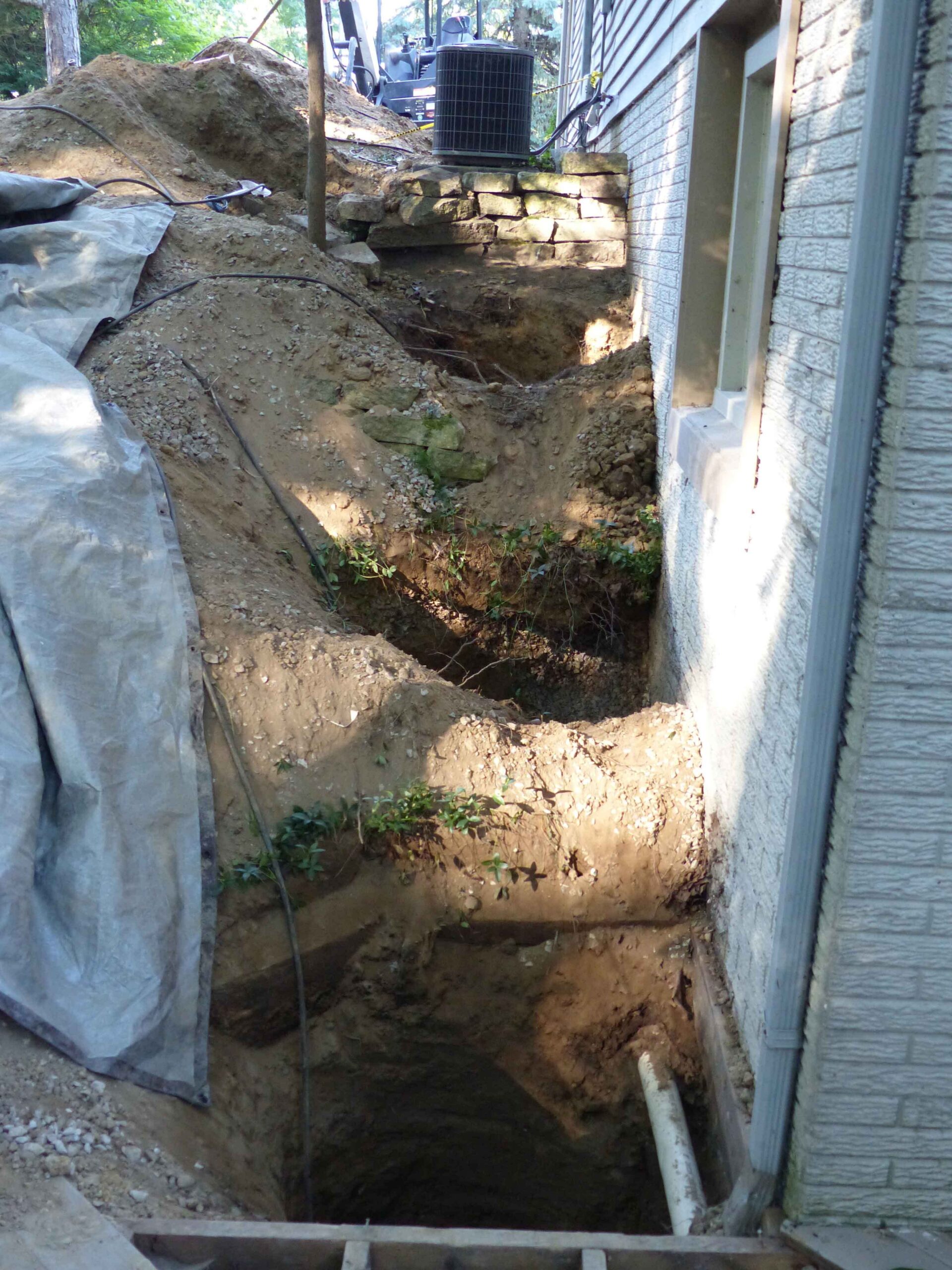
Professional repairs begin with an engineering evaluation. Independent structural engineers or licensed foundation evaluators use high-precision elevation meters to map floor levels across the structure, identifying low points and the degree of slope. Once a plan is established, crews excavate working holes around the perimeter and sometimes through interior slab cutouts. Piers are driven or pressed to refusal depth, and hydraulic jacks lift the structure back toward its original elevation. Finally, the structure is shimmed and locked onto the piers, and excavations are backfilled.
Financial Considerations and Cost Factors
Budgeting for foundation repair requires an understanding of how contractors price their services. Because every home and geological profile is unique, flat-rate pricing is rare in the industry.
Variables That Influence Repair Costs
- Number of Piers Required: The primary cost driver is the linear footage and number of stabilization points needed to support the structure. Minor corner settlement might require only 4 to 6 piers, whereas a complete home perimeter stabilization can require 30 or more.
- Depth to Stable Strata: In some parts of Decatur, stable limestone or load-bearing shale sits at shallow depths, while in other areas, crews must drive piers significantly deeper, increasing material and labor costs.
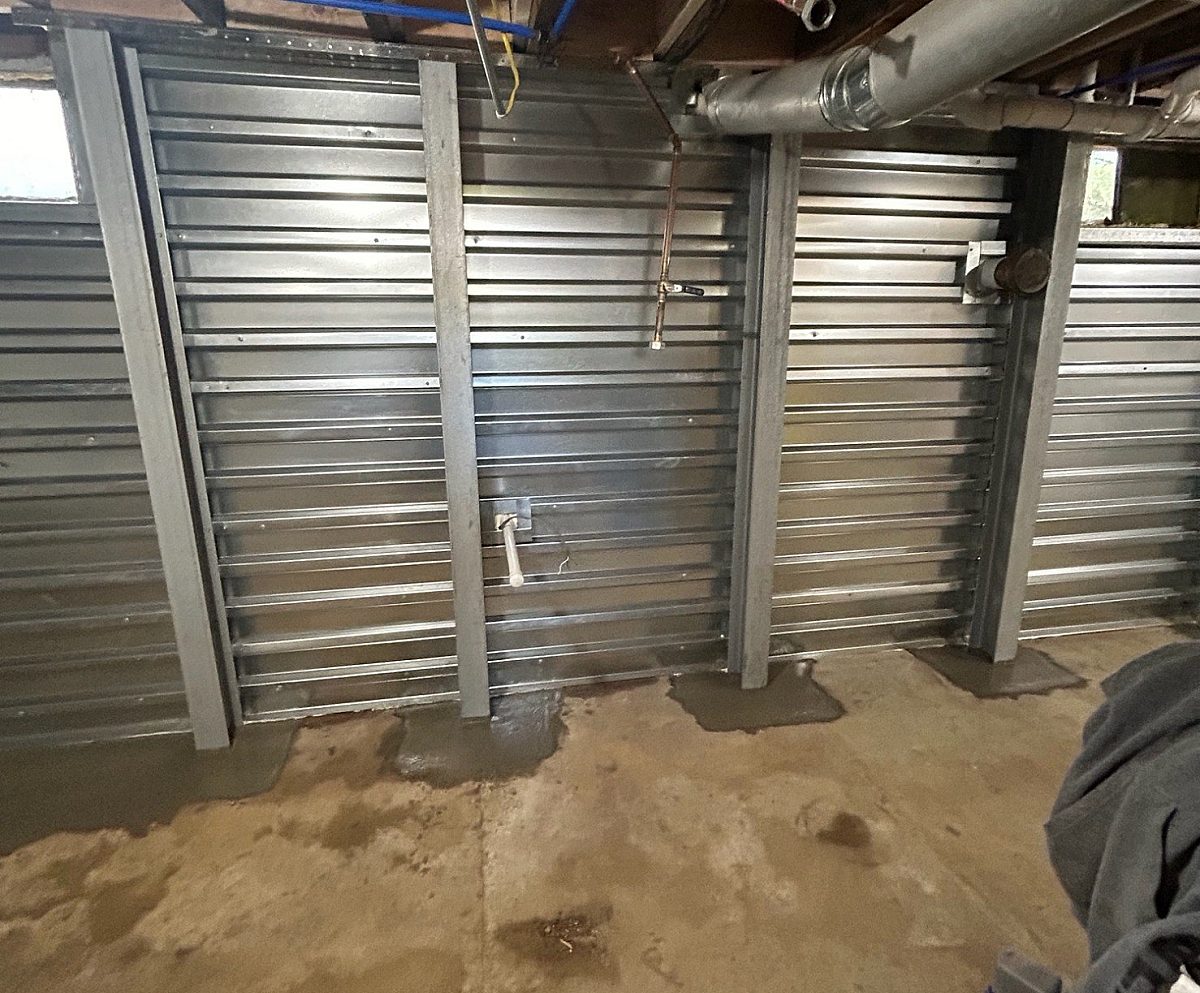
- Type of Foundation: Pier and beam (crawl space) foundations often require different remediation techniques, such as sistering joists or pouring concrete grade beam supports, compared to monolithic concrete slabs.
- Plumbing and Cosmetic Repairs: If shifting soils have snapped under-slab cast iron or PVC sewer lines, hydrostatic testing and plumbing tunneling will add to the overall project cost. Cosmetic repairs—such as tuckpointing brick and hanging drywall—are rarely included in base foundation bids.
Preventive Maintenance and Soil Management
Mitigating future movement is critical after completing structural repairs. Because you cannot change the underlying clay soil, you must manage its moisture content to maintain a stable environment around your foundation.
Managing Moisture Levels Around Your Home
- Root Barriers and Tree Placement: Large trees—such as elms, post oaks, and hackberries native to North Texas—can extract hundreds of gallons of water daily from the soil. Planting large trees a safe distance from the foundation or installing deep root barriers helps prevent localized soil dehydration.
- Positive Drainage Gradients: The ground surrounding your foundation should slope away at a minimum fall of six inches within the first ten feet. This ensures that heavy rainfall drains safely away from the perimeter grade beam rather than pooling against the foundation.
- Gutter and Downspout Extensions: Installing seamless gutters and extending downspouts at least three to five feet away from the structure prevents roof runoff from saturating the immediate perimeter soils.
- Soaker Hoses and Watering Systems: During severe summer droughts, running a systematic watering schedule via soaker hoses placed 12 to 18 inches away from the foundation helps maintain uniform soil moisture, reducing the extreme shrinkage that leads to edge-drop settlement.
Frequently Asked Questions
How do I know if foundation cracks are cosmetic or structural?
Hairline cracks in drywall or exterior mortar that measure less than 1/8 inch wide are often normal settling cracks caused by thermal expansion or minor curing. Cracks that are wider than 1/4 inch, run diagonally across door frames, or show displacement (where one side of the crack is pushed out further than the other) typically indicate structural movement requiring professional evaluation.
Does homeowners insurance cover foundation repair in Decatur, TX?
Standard homeowners insurance policies in Texas generally exclude foundation repairs caused by settling, earth movement, expansive soils, or normal wear and tear. However, coverage may apply if the foundation damage is the direct result of a covered peril, such as a sudden and accidental plumbing leak beneath the slab. Review your specific policy endorsements and consult your insurance agent for clarification.
How long does a typical foundation repair project take?
Most standard residential pier installations take between one to three days to complete, depending on the number of piers required and whether interior access is necessary. Complex commercial projects or homes requiring extensive root removal and plumbing tunneling can take a week or longer.
Are foundation repair warranties transferable?
Most reputable foundation repair companies in Texas offer transferable warranties. If you sell your home, the warranty transfers to the new owner, often for a nominal administrative fee. Always verify whether the warranty is backed by an independent third party or the individual contractor, and read the fine print regarding maintenance requirements to keep the warranty valid.
Can I repair a foundation myself?
DIY foundation repair is strongly discouraged. Structural stabilization involves heavy hydraulic equipment, precise mathematical load calculations, and deep knowledge of soil mechanics. Incorrect placement of piers can crack the slab further, compromise load-bearing walls, and void any future professional remediation options.
Next Actions and Professional Consultation
If you suspect foundation distress at your Decatur property, start by documenting all visible cracks with dated photographs and noting any doors or windows that have recently begun sticking. Contact a licensed, insured Decatur foundation repair specialist or an independent structural engineer for a comprehensive elevation survey. Getting multiple professional opinions ensures you receive an accurate diagnosis and a transparent, engineered repair plan tailored to the specific geological conditions of Wise County.
Image Gallery