Navigating Midlands Auto Insurance Costs and Coverage
Midlands auto insurance costs and coverage depend heavily on regional driving environments, localized risk factors, state statutory requirements, and individual driver profiles. Securing the right policy requires balancing mandatory mi...
Midlands auto insurance costs and coverage depend heavily on regional driving environments, localized risk factors, state statutory requirements, and individual driver profiles. Securing the right policy requires balancing mandatory minimum liability limits with optional physical damage protections while understanding how urban and rural risk variations influence monthly premiums across the Midlands region.
Contents
Evaluating auto insurance in the Midlands requires a strategic look at how regional claim frequencies, traffic densities, uninsured motorist rates, and vehicle repair costs shape pricing structures. Whether you live in a bustling urban hub or a quieter rural pocket, understanding the mechanics of rate calculation helps drivers optimize their coverage without overpaying. This comprehensive guide breaks down the core cost drivers, policy options, legal mandates, and actionable steps required to secure optimal protection.
Core Factors Driving Auto Insurance Costs in the Midlands
Insurance companies do not pull premium prices out of a hat; they utilize complex actuarial tables that assess risk on both a macro and micro level. In the Midlands, several distinct geographic and demographic elements converge to determine what policyholders pay each month.
Regional Risk Profiles and Traffic Density
The Midlands features a diverse landscape ranging from dense commercial centers to expansive rural routes. Urban corridors often experience higher frequencies of minor collisions, fender-benders, and vehicle thefts due to heavy daily commuting and congested thoroughfares. Conversely, rural highways and county roads may record fewer total incidents, but the severity of accidents—often involving higher speeds or fixed-object collisions—can be significantly greater. Insurers weigh these localized statistics heavily, meaning your specific ZIP code serves as a primary baseline for your rate.
Uninsured Motorist Rates
One of the most persistent cost drivers in regional insurance markets is the prevalence of uninsured or underinsured drivers. When a high percentage of motorists on the road carry zero coverage, insurance carriers must absorb the financial fallout of collisions caused by these individuals through uninsured motorist (UM) claims. This systemic risk is distributed across all policyholders in the affected rating territory, driving up average premiums for everyone who maintains legal coverage.
Vehicle Characteristics and Repair Inflation
Modern vehicles are packed with advanced driver-assistance systems (ADAS), sensor-laden bumpers, specialized aluminum frames, and proprietary computerized components. When a modern vehicle sustains front-end damage in a Midlands parking lot or highway intersection, repairing it requires specialized diagnostic equipment and certified technician hours. Comprehensive and collision insurance costs reflect these rising replacement and labor expenses, making vehicle choice a critical factor in overall ownership costs.
Decoding Auto Insurance Coverage Types
Selecting a policy involves more than just picking the cheapest monthly rate. It requires assembling a custom package of coverages designed to protect your personal assets from catastrophic financial loss.
Mandatory Minimum Liability vs. Full Coverage
Every state mandates a minimum level of liability insurance to legally operate a vehicle on public roads. However, treating these minimums as an optimal strategy can expose drivers to severe financial vulnerability.
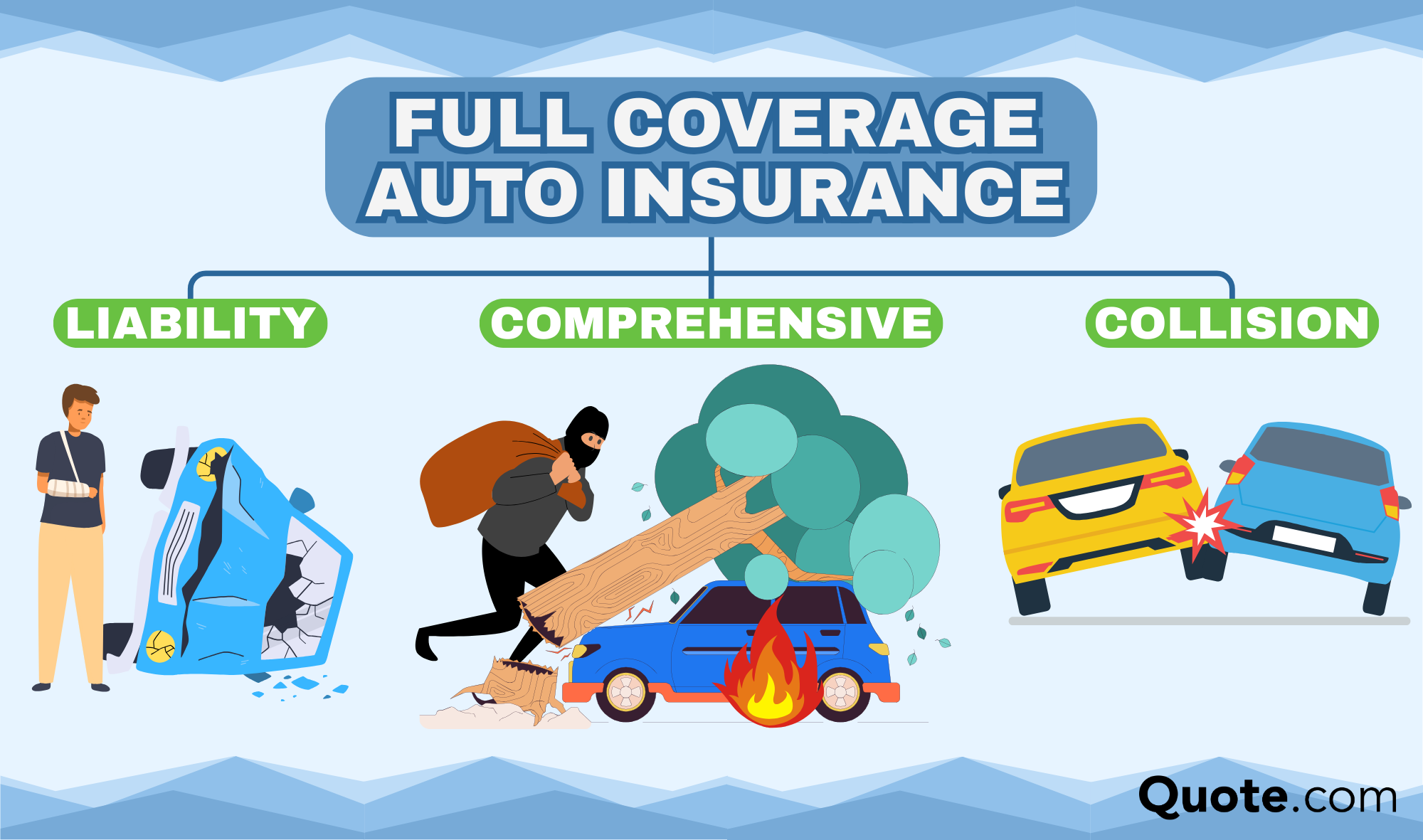
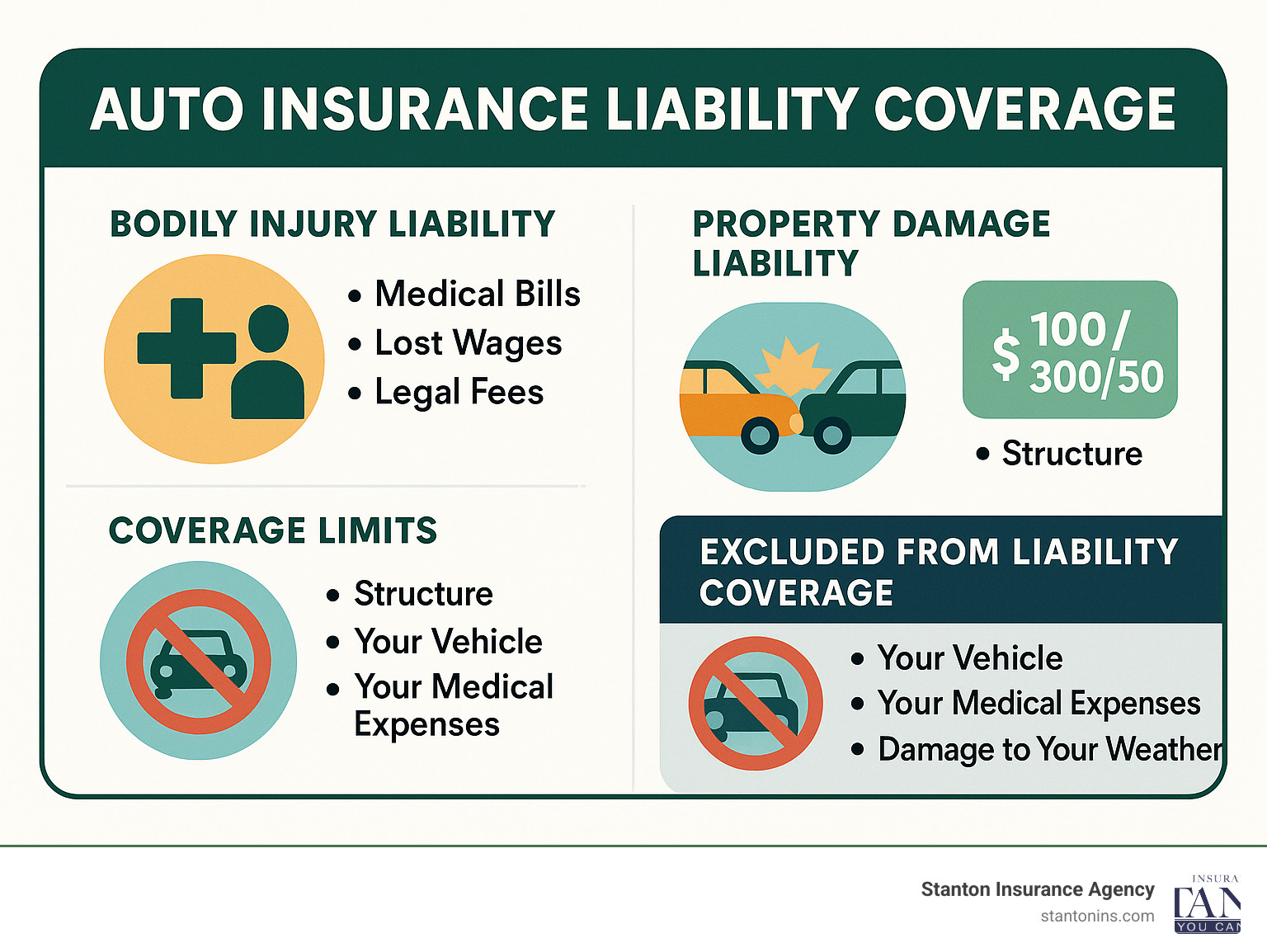
- Bodily Injury Liability: Pays for medical expenses, legal fees, and lost wages of other parties when you are at fault in an accident.
- Property Damage Liability: Covers the repair or replacement costs for other people's vehicles or property damaged during an at-fault incident.
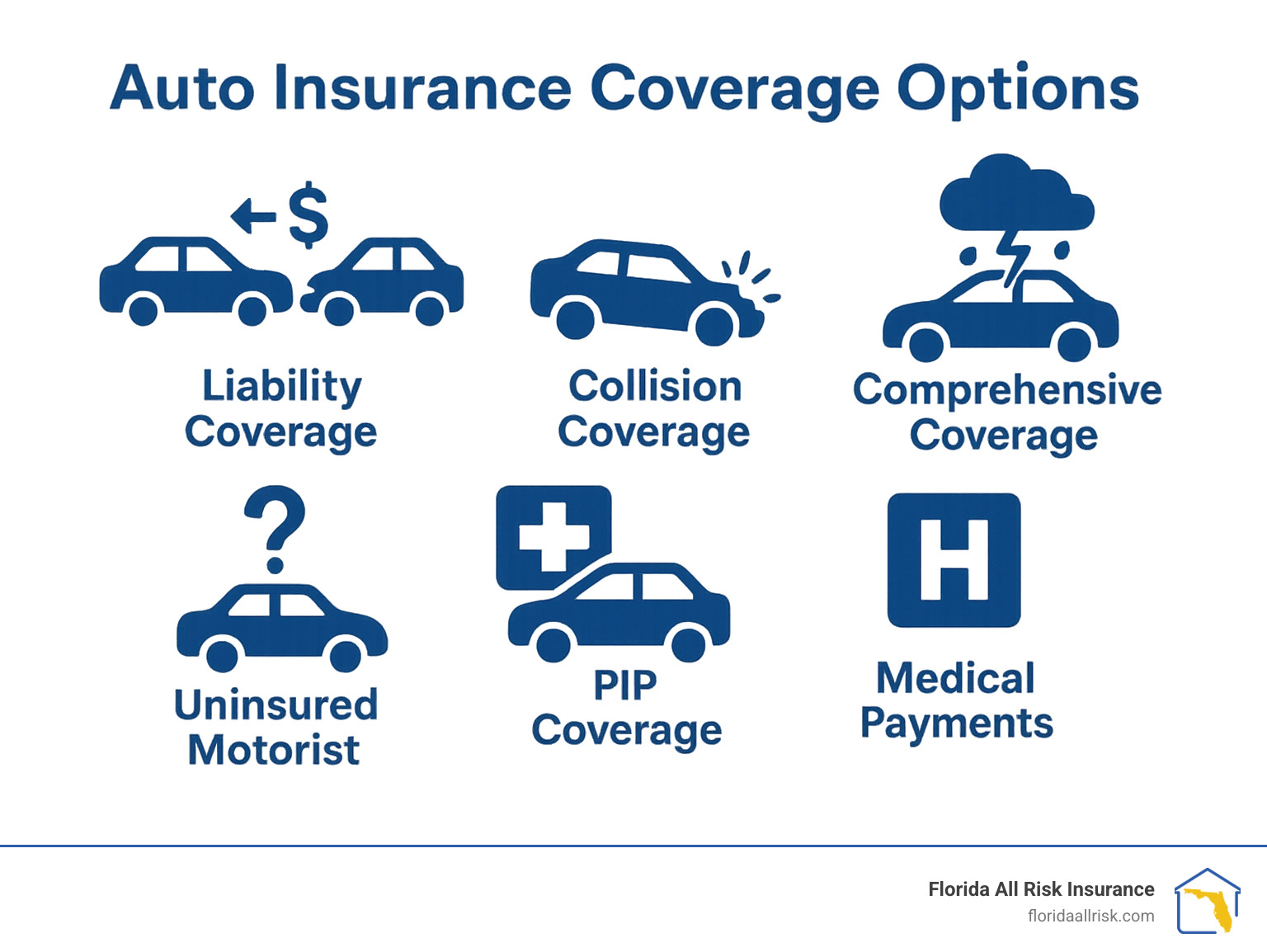
- Collision Coverage: Pays for damage to your own vehicle resulting from a collision with another car or object, regardless of fault.
- Comprehensive Coverage: Protects your vehicle against non-collision perils, including theft, vandalism, fire, animal strikes, and severe weather events common to the region.
Essential Policy Add-Ons
Beyond standard liability and physical damage coverage, several optional endorsements provide valuable safety nets for Midlands drivers:
- Uninsured/Underinsured Motorist Coverage (UM/UIM): Steps in to cover your medical bills and property repairs if you are hit by a driver who lacks adequate insurance.
- Roadside Assistance: Provides towing, flat-tire changes, and lockout services, which is particularly beneficial for rural commuters.
- Rental Car Reimbursement: Covers the daily cost of a rental vehicle while your car is in the repair shop following a covered claim.
| Coverage Type | What It Protects | Standard Requirement | Recommended For |
|---|---|---|---|
| Liability | Other drivers' injuries and property damage | Mandatory by law | All drivers (higher limits recommended) |
| Collision | Your vehicle from accidents and crashes | Optional (Required if financed) | Newer cars or vehicles with high market value |
| Comprehensive | Non-collision events (theft, weather, glass) | Optional (Required if financed) | All vehicles parked outdoors or in high-risk zones |
| UM / UIM | Your injuries/damage from uninsured drivers | Varies by state | High-traffic zones and safety-conscious drivers |
Strategies to Optimize Coverage and Lower Costs
Navigating auto insurance costs does not mean you have to sacrifice necessary protection. Strategic shopping, proactive adjustments, and leveraging available discounts can significantly reduce your annual expenditure.
Adjusting Deductibles Wisely
Your deductible is the out-of-pocket amount you pay before insurance kicks in for a claim. Opting for a higher deductible—such as raising it from $500 to $1,000—can lower your monthly premium by 10% to 25%. However, you must ensure you have adequate emergency savings set aside to cover that higher deductible immediately should an accident occur.
Bundling Policies and Utilizing Discounts
Insurance carriers frequently reward customer loyalty. Bundling your auto insurance policy with homeowners, renters, or life insurance policies through the same provider often triggers multi-policy discounts of 15% to 25%. Additionally, inquire about discounts for paperless billing, defensive driving course completion, anti-theft device installations, and clean driving records spanning three to five years.
Periodic Policy Reviews
Insurance markets fluctuate constantly. A carrier that offered the most competitive rates two years ago may have adjusted its underwriting guidelines, making another provider more attractive today. Reviewing your policy annually ensures you capitalize on life changes—such as a shorter commute, a milestone birthday, or an improved credit score—that positively impact your risk profile.
Common Mistakes When Purchasing Auto Insurance
Policyholders frequently make critical errors when trying to cut corners on their insurance budget, often discovering the true cost of these mistakes only after a claim occurs.
Selecting Bare-Minimum Liability Limits
Opting for state-minimum liability limits is the most common way drivers try to save money. If you cause a multi-vehicle accident with serious injuries, state-minimum limits can be exhausted within minutes of hospital care. Once those limits are reached, you are personally liable for every remaining dollar of medical bills and property damage, putting your home, savings, and future earnings at risk.
Overlooking Deductible vs. Premium Realities
Some drivers select excessively high deductibles to achieve the lowest possible monthly payment without calculating whether they can afford that deductible in an emergency. If a sudden repair bill forces you to put a deductible on high-interest credit cards, the short-term savings on monthly premiums are quickly erased.
Failing to Verify Provider Financial Stability
Choosing an obscure, ultra-discount insurance carrier purely based on a low quote can backfire if the company lacks the financial reserves to handle regional catastrophe claims. Always check an insurer's financial strength ratings through independent agencies like A.M. Best before committing to a policy.
Frequently Asked Questions
How do local traffic patterns impact Midlands auto insurance rates?
Local traffic congestion, intersection collision rates, and regional accident frequencies directly influence insurance risk pools. Higher traffic density increases the statistical likelihood of claims, which insurance companies factor into base rates for specific ZIP codes.
Is full coverage legally required in the Midlands?
No state legally requires full coverage (collision and comprehensive) unless you are financing or leasing your vehicle. State laws only mandate minimum liability coverage, though lenders require physical damage protection to protect their financial stake in the car.
What is the most effective way to lower my monthly premium?
Raising your deductibles, maintaining a clean driving record, bundling home and auto policies, and asking your insurer about low-mileage or safety-feature discounts offer the most reliable ways to reduce costs without compromising essential protection.
How often should I shop around for a new auto insurance policy?
It is wise to review your auto insurance policy annually or whenever you experience a major life event, such as moving, buying a new vehicle, adding a teen driver, or changing your daily commute distance.
Does my credit score affect my auto insurance costs?
In many jurisdictions, insurance companies use credit-based insurance scores as one of several factors to determine risk and set premiums, as statistical data indicates a correlation between credit history and claim frequency.
Practical Next Actions for Midlands Drivers
Securing the right auto insurance coverage at a competitive price requires a proactive approach. Begin by pulling your current policy declaration page to review your existing liability limits, deductibles, and optional coverages. Next, assess your personal asset exposure—if your net worth exceeds your current liability limits, increase those limits immediately to protect your financial future. Finally, gather quotes from at least three reputable carriers to compare pricing, discount structures, and customer service ratings, ensuring you achieve the optimal balance of comprehensive protection and fiscal value.
Image Gallery