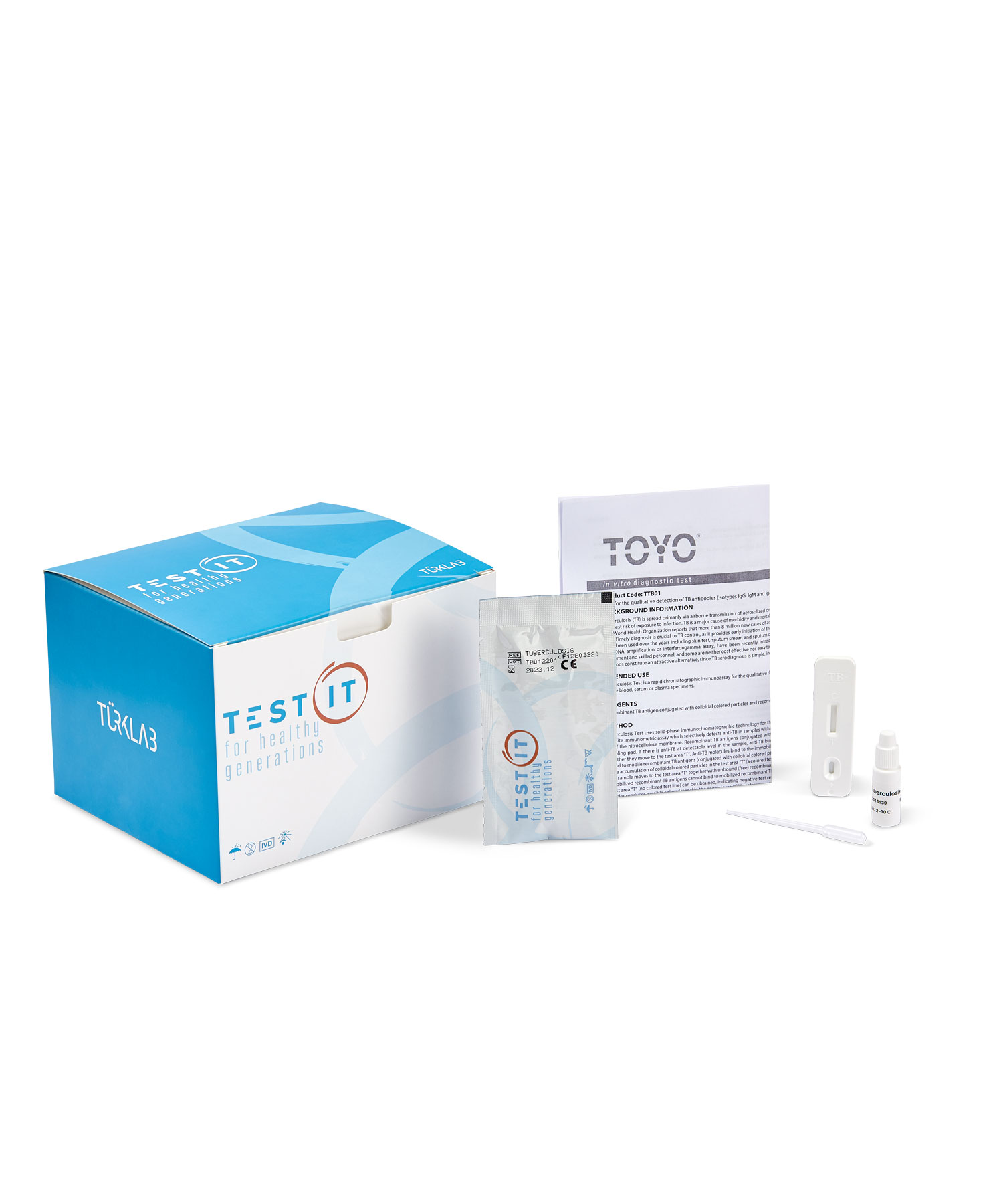
Navigating Tuberculosis Screening and Diagnostic Tests During Pregnancy
Undergoing a tuberculosis test during pregnancy is a critical clinical step for safeguarding both maternal and fetal health, as active tuberculosis disease poses severe risks including miscarriage, low birth weight, and congenital infe...
Undergoing a tuberculosis test during pregnancy is a critical clinical step for safeguarding both maternal and fetal health, as active tuberculosis disease poses severe risks including miscarriage, low birth weight, and congenital infection, while standard screening methods like the tuberculin skin test and interferon-gamma release assays remain safe for expectant mothers.
Contents
Understanding Tuberculosis and Pregnancy Risks
Tuberculosis (TB) is a contagious airborne bacterial infection caused by Mycobacterium tuberculosis. While it most commonly affects the lungs, it can also impact other parts of the body. When a person contracts TB, the bacteria can exist in two distinct states: latent TB infection (LTBI) and active TB disease. Individuals with latent TB carry the bacteria in their bodies, but the immune system keeps it contained; they feel well, have no symptoms, and cannot transmit the infection to others. Conversely, individuals with active TB disease are sick, experience symptoms such as a persistent cough, fever, night sweats, and weight loss, and can spread the bacteria to those around them.
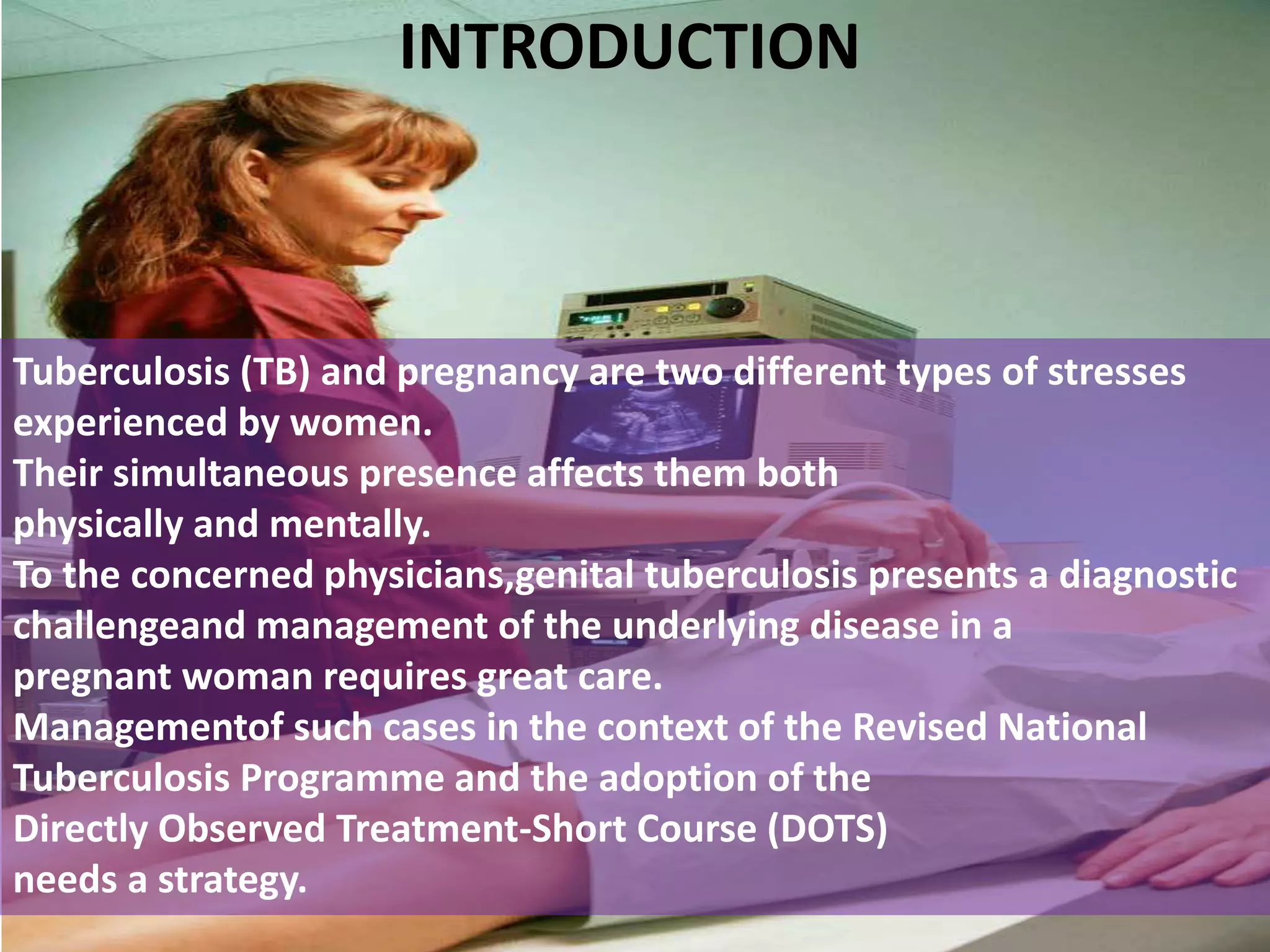
The intersection of tuberculosis and pregnancy requires careful clinical management because untreated active TB poses substantial risks to both the pregnant individual and the developing fetus. Active TB during pregnancy is associated with increased rates of maternal complications, including spontaneous abortion, premature labor, pre-eclampsia, and low birth weight. Furthermore, if the mother has active pulmonary TB, there is a risk of congenital tuberculosis, where the infant is infected in utero or during delivery. Therefore, identifying and treating both latent and active TB promptly is a vital component of comprehensive prenatal care, particularly for individuals from high-risk populations or those with known exposures.
Standard Screening Methods: Safety and Efficacy
When healthcare providers evaluate a pregnant patient for tuberculosis, they typically rely on two primary diagnostic modalities: the tuberculin skin test (TST), often referred to as the Mantoux test, and interferon-gamma release assays (IGRAs), which are blood tests. Both methods are safe to use during pregnancy and do not pose any risk of harm to the fetus.
The tuberculin skin test involves the intradermal injection of a small amount of purified protein derivative (PPD) on the inner surface of the forearm. A trained healthcare professional must examine the site 48 to 72 hours later to measure the size of any induration (raised, hard area) that develops. The TST has been used safely for decades and remains a cornerstone of TB screening worldwide. It does not cause adverse effects on the pregnancy or the fetus.
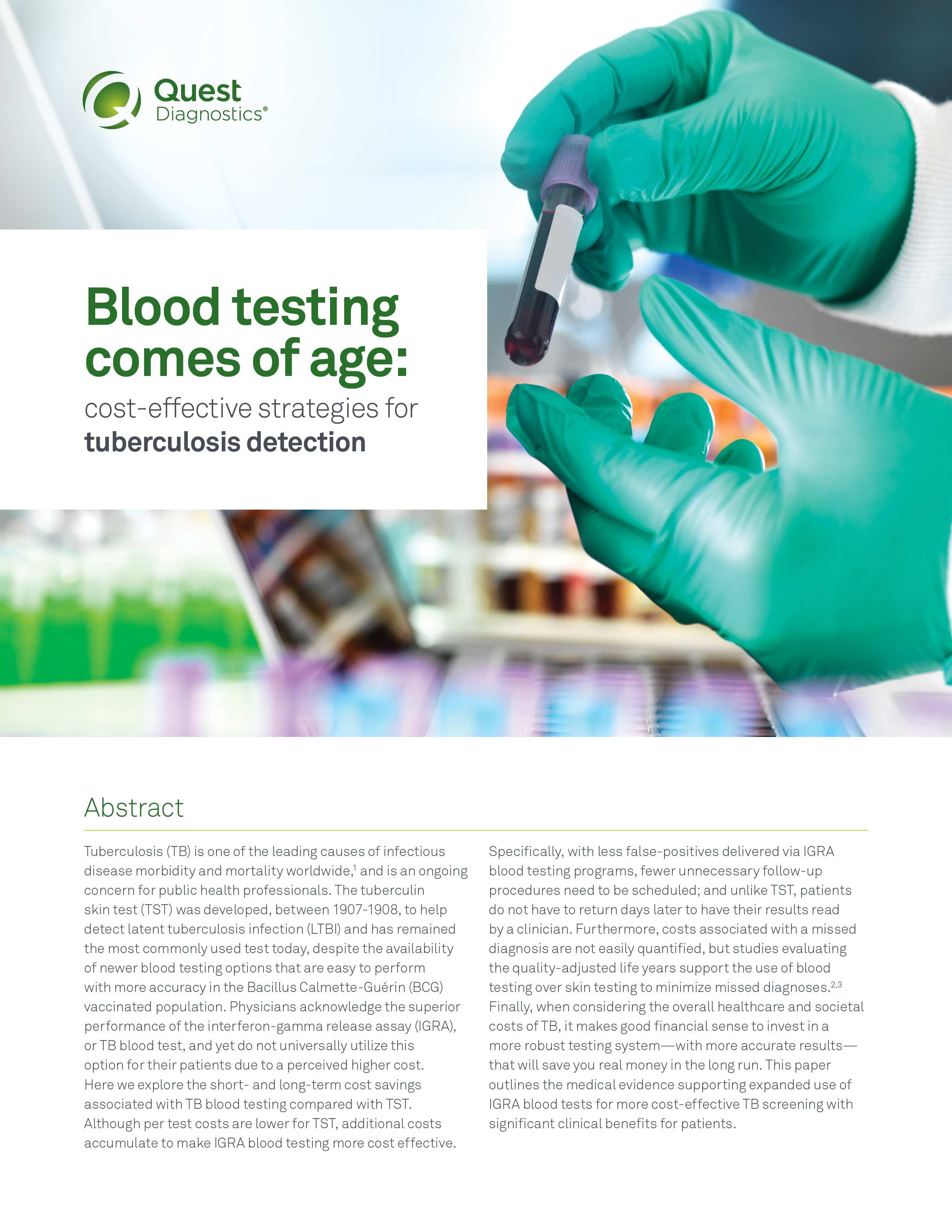
Alternatively, interferon-gamma release assays, such as the QuantiFERON-TB Gold Plus or T-SPOT.TB tests, measure the immune system's reactivity to Mycobacterium tuberculosis antigens in a single blood sample. IGRAs offer several advantages over the traditional skin test: they require only a single patient visit for blood collection, their interpretation is not subject to reader bias, and they are not confounded by prior Bacillus Calmette–Guérin (BCG) vaccination, which often causes false-positive skin test results in individuals from countries where the vaccine is routinely administered.
| Feature | Tuberculin Skin Test (TST / Mantoux) | Interferon-Gamma Release Assay (IGRA) |
|---|---|---|
| Test Type | Intradermal skin injection | Blood draw |
| Patient Visits Required | Two visits (placement and reading) | One visit (blood collection) |
| Pregnancy Safety | Completely safe for mother and fetus | Completely safe for mother and fetus |
| BCG Vaccination Interference | May cause false-positive results | Unaffected by prior BCG vaccination |
| Results Timeline | Read within 48 to 72 hours | Typically available in 24 to 48 hours |
Diagnostic Workup for Positive Screening Results
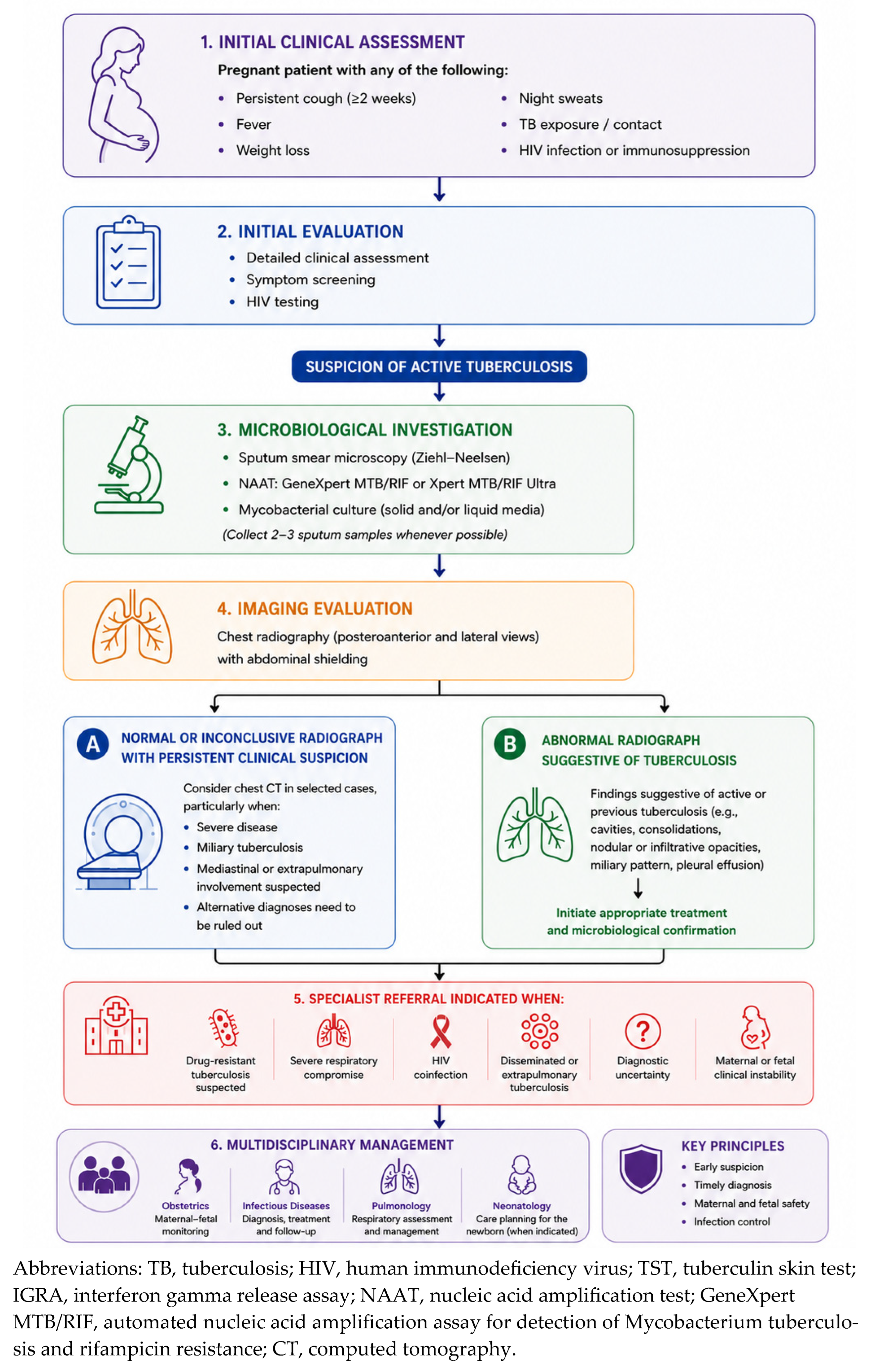
A positive result on either a tuberculin skin test or an interferon-gamma release assay indicates that the patient has been infected with Mycobacterium tuberculosis, but it does not differentiate between latent TB infection and active TB disease. Consequently, a positive screening result must be followed by a comprehensive diagnostic workup to determine the clinical status of the patient.
The immediate next step in this evaluation is a thorough clinical assessment, which includes taking a detailed medical history, evaluating symptoms such as a chronic cough or unexplained weight loss, and assessing known risk factors such as recent travel to endemic regions or close contact with an individual diagnosed with active TB.
If active pulmonary tuberculosis is suspected based on symptoms or physical examination findings, a chest radiography (chest X-ray) is typically ordered. While healthcare providers and pregnant patients often express concern regarding radiation exposure, a properly shielded chest X-ray exposes the fetus to an infinitesimally small amount of radiation—far below the threshold associated with fetal harm. The American College of Obstetricians and Gynecologists (ACOG) and the Centers for Disease Control and Prevention (CDC) confirm that chest radiography, when performed with abdominal and pelvic shielding, is safe during pregnancy and essential for ruling out active pulmonary disease.
Following imaging, if pulmonary abnormalities are detected or if active TB is strongly suspected, the provider will order sputum smears and cultures. Acid-fast bacilli (AFB) smear microscopy provides rapid preliminary results, while mycobacterial cultures remain the gold standard for definitive diagnosis and drug susceptibility testing.
Treatment Protocols for Latent and Active Tuberculosis
Managing tuberculosis during pregnancy depends heavily on whether the patient is diagnosed with latent infection or active disease, as treatment timelines and medication regimens differ significantly.
Treating Latent TB Infection (LTBI)
For pregnant individuals diagnosed with latent TB infection who are at high risk for progression to active disease—such as those with HIV co-infection, recent exposure, or medical conditions that compromise the immune system—treatment is strongly recommended. However, clinical guidelines often recommend a nuanced approach regarding timing. Many providers suggest delaying LTBI treatment until after the first trimester or even into the postpartum period for stable, low-risk patients, thereby avoiding unnecessary medication exposure during the critical period of organogenesis. When treatment is indicated during pregnancy, isoniazid daily or twice weekly for nine months is the preferred regimen, accompanied by pyridoxine (vitamin B6) supplementation to prevent peripheral neuropathy.
Treating Active TB Disease
Active tuberculosis disease, unlike latent infection, requires immediate treatment regardless of the stage of pregnancy, because the risks of untreated active disease to the mother and fetus vastly outweigh the potential risks of the medications. The standard initial treatment regimen for active TB consists of a multi-drug regimen: isoniazid, rifampin, and ethambutol administered for an initial intensive phase of two months, followed by a continuation phase of isoniazid and rifampin for an additional seven months, totaling a nine-month course. Streptomycin must be strictly avoided during pregnancy because it crosses the placenta and can cause permanent ototoxicity and eighth cranial nerve damage in the fetus. Pyrazinamide is also frequently avoided in the United States due to limited safety data during pregnancy, though it is routinely recommended by the World Health Organization globally. Throughout treatment, clinicians monitor liver function tests regularly, as anti-tubercular medications can cause drug-induced hepatotoxicity.
Frequently Asked Questions
Can a tuberculosis skin test harm my baby during pregnancy?
No, the tuberculin skin test is completely safe during pregnancy. The purified protein derivative injected into the skin does not circulate systemically in a way that affects the fetus, and it cannot cause an active tuberculosis infection.
Is a chest X-ray safe if I am pregnant?
Yes, a chest X-ray is safe during pregnancy when performed with standard abdominal and pelvic lead shielding. The radiation dose directed toward the uterus is extremely low, and ruling out active pulmonary tuberculosis is critical for protecting both maternal and fetal health.
What happens if my TB test comes back positive?
A positive skin test or blood test indicates that you have been infected with the tuberculosis bacterium, but it does not mean you are sick with active disease. Your healthcare provider will order a physical exam, a chest X-ray, and potentially sputum tests to determine whether you have latent infection or active disease before deciding on the appropriate management plan.
Can I breastfeed while undergoing tuberculosis treatment?
In most cases, mothers taking standard first-line medications for tuberculosis like isoniazid and rifampin can safely breastfeed. Small amounts of these drugs pass into breast milk, but the concentrations are too low to cause toxicity in the infant, though the infant should be monitored closely by a pediatrician.
Are blood tests for TB better than skin tests during pregnancy?
Interferon-gamma release assays (blood tests) are often preferred if the patient has received the BCG vaccine in the past, as the vaccine can cause false-positive results on the skin test. Both tests are equally accurate for detecting the presence of the infection, and your provider will choose the best option based on your medical history.
Next Actions and Clinical Consultation
If you are pregnant or planning to become pregnant and suspect you may have been exposed to tuberculosis, or if your routine prenatal screening includes a TB test, consult your obstetrician or primary care provider immediately. Prompt evaluation ensures that any necessary diagnostic testing is performed safely, and if treatment is required, it can be initiated without delay to secure the best possible health outcomes for both mother and child.
Image Gallery