How to Find Investment Information Sources: A Comprehensive Guide to Reliable Market Research
Finding dependable investment information sources requires distinguishing between verified financial data providers, regulatory disclosures, and unvetted commentary. Investors must navigate a vast landscape of primary public filings, m...
Finding dependable investment information sources requires distinguishing between verified financial data providers, regulatory disclosures, and unvetted commentary. Investors must navigate a vast landscape of primary public filings, macroeconomic reports, and analytical platforms to gather accurate information for sound decision-making.
Contents
Understanding the Landscape of Investment Information
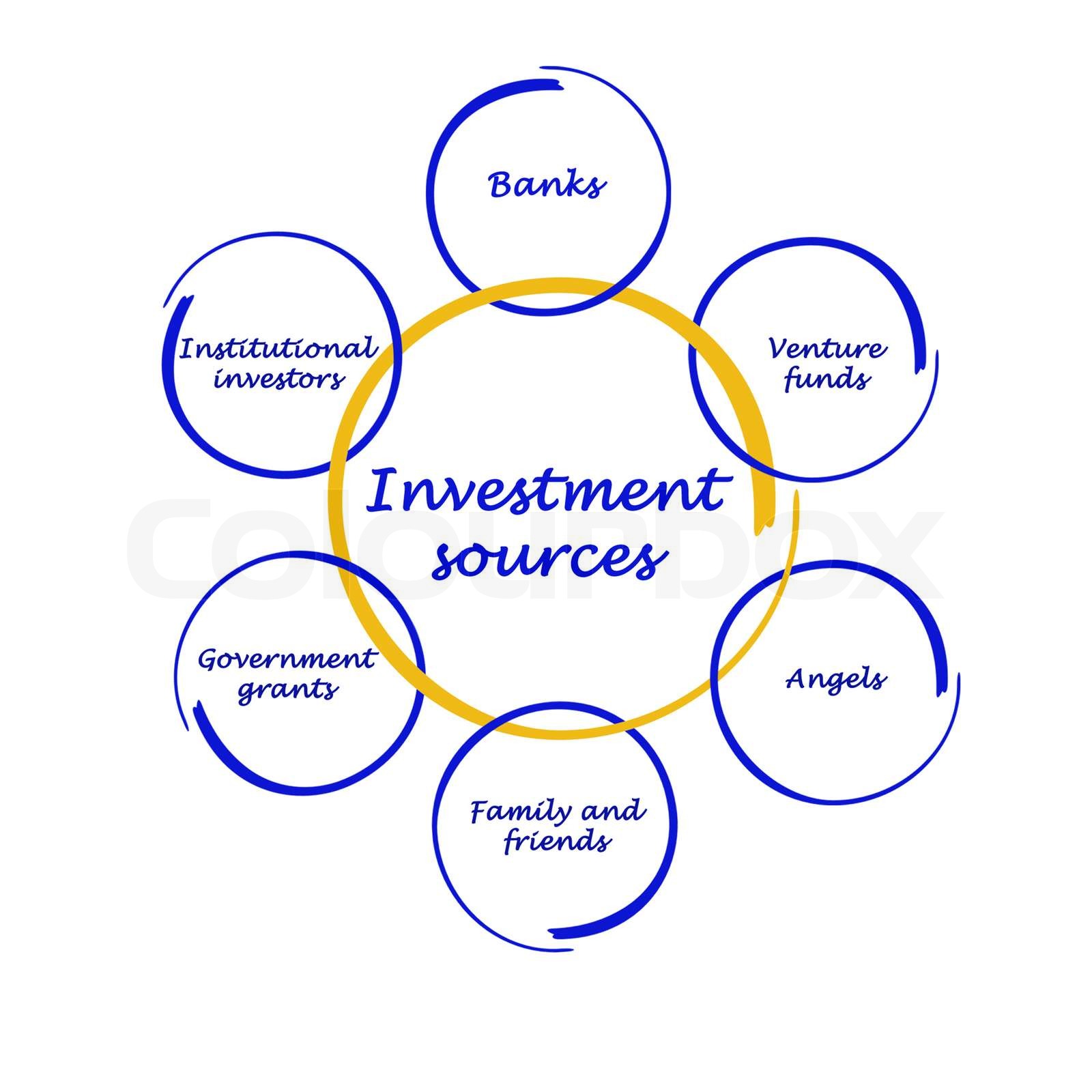
Navigating the financial ecosystem begins with understanding the hierarchy of information. Not all data holds equal value, and the speed of modern information delivery often sacrifices verification for engagement. To build a robust research process, an investor must categorize sources into distinct tiers, ranging from raw legal disclosures to secondary analysis and macroeconomic databases.
Primary sources form the foundation of sound market research. These are documents generated directly by corporations, regulatory bodies, and central banks. Because they lack intermediary interpretation, they provide the most objective view of financial health, operational scope, and market conditions. Conversely, secondary sources—such as financial journalism, analyst commentary, and educational blogs—offer context, synthesis, and alternative viewpoints. While valuable for discovering trends, secondary sources should always be cross-referenced against primary data.
The Role of Regulatory Filings
For publicly traded assets, regulatory documents represent the gold standard of verifiable information. In the United States, the Securities and Exchange Commission (SEC) maintains the Electronic Data Gathering, Analysis, and Retrieval system, commonly known as EDGAR. Through EDGAR, any investor can access real-time corporate filings without cost.
Key documents to monitor include:
- Form 10-K: The annual comprehensive report detailing a company's financial performance, audited balance sheets, risk factors, and management discussion and analysis (MD&A).
- Form 10-Q: The unaudited quarterly report providing a snapshot of ongoing financial health between annual reports.
- Form 8-K: The current report filed to announce major events—such as executive changes, acquisitions, or bankruptcy filings—that shareholders must know about immediately.
Primary Sources: Corporate and Regulatory Data
Direct access to company-generated data removes the risk of editorial bias or misinterpretation. When investigating a corporation, examining the raw source material ensures that metrics like revenue, debt obligations, and profit margins are accurate and up to date.
Beyond corporate disclosures, government and regulatory databases offer macro-level insights that shape entire asset classes. Central banks, such as the U.S. Federal Reserve or the European Central Bank, publish monetary policy decisions, interest rate projections, and economic research papers. Furthermore, statistical agencies like the U.S. Bureau of Labor Statistics (BLS) provide objective datasets on employment, inflation indices, and consumer spending habits. Integrating these primary macroeconomic indicators into your research workflow ensures a comprehensive view of the broader economic climate.
Secondary Sources: Financial Media and Analytical Platforms
Once an investor has reviewed primary data, secondary sources help contextualize these findings within current market trends. However, evaluating the credibility of these platforms is essential. High-quality financial journalism and analytical software aggregate raw data into digestible formats, helping investors spot patterns that might not be immediately obvious in a 200-page regulatory filing.
When choosing analytical platforms, look for transparency in data sourcing, calculation methodologies, and historical accuracy. Independent rating agencies and institutional research providers often supply deep dives into industry sectors, though many of these professional tools require paid subscriptions. Balancing free public resources with specialized analytical software allows retail and professional investors alike to maintain a cost-effective yet thorough research pipeline.
Comparing Investment Data Sources
To assist in structuring a research toolkit, the following table compares common categories of investment information sources based on accessibility, purpose, and verification level.
| Source Category | Examples | Primary Purpose | Cost & Accessibility | Verification Level |
|---|---|---|---|---|
| Regulatory Databases | SEC EDGAR, Financial Conduct Authority (FCA) Register | Access raw legal disclosures, annual reports, and compliance records. | Free / Publicly Accessible | Highest (Official legal record) |
| Central Banks & Statistics | Federal Reserve Economic Data (FRED), BLS | Track macroeconomic trends, interest rates, and employment data. | Free / Publicly Accessible | High (Government verified) |
| Corporate Investor Relations | Company IR websites, earnings call transcripts | Review management commentary, presentations, and press releases. | Free / Publicly Accessible | High (Company verified) |
| Financial Media | Financial Times, The Wall Street Journal, Reuters | Stay informed on breaking market news and geopolitical events. | Subscription / Mixed Access | Moderate to High (Journalistic standards) |
| Independent Aggregators | TradingView, Koyfin, Yahoo Finance | Screen equities, chart historical performance, and view consolidated ratios. | Free tiers & Paid Subscriptions | Moderate (Depends on upstream data feeds) |
Evaluating Source Credibility and Avoiding Common Pitfalls
The proliferation of digital content has made it easier than ever to access market commentary, but it has also increased the prevalence of unverified information, biased research, and outright misinformation. Investors must develop a rigorous critical framework to evaluate every piece of information they consume.
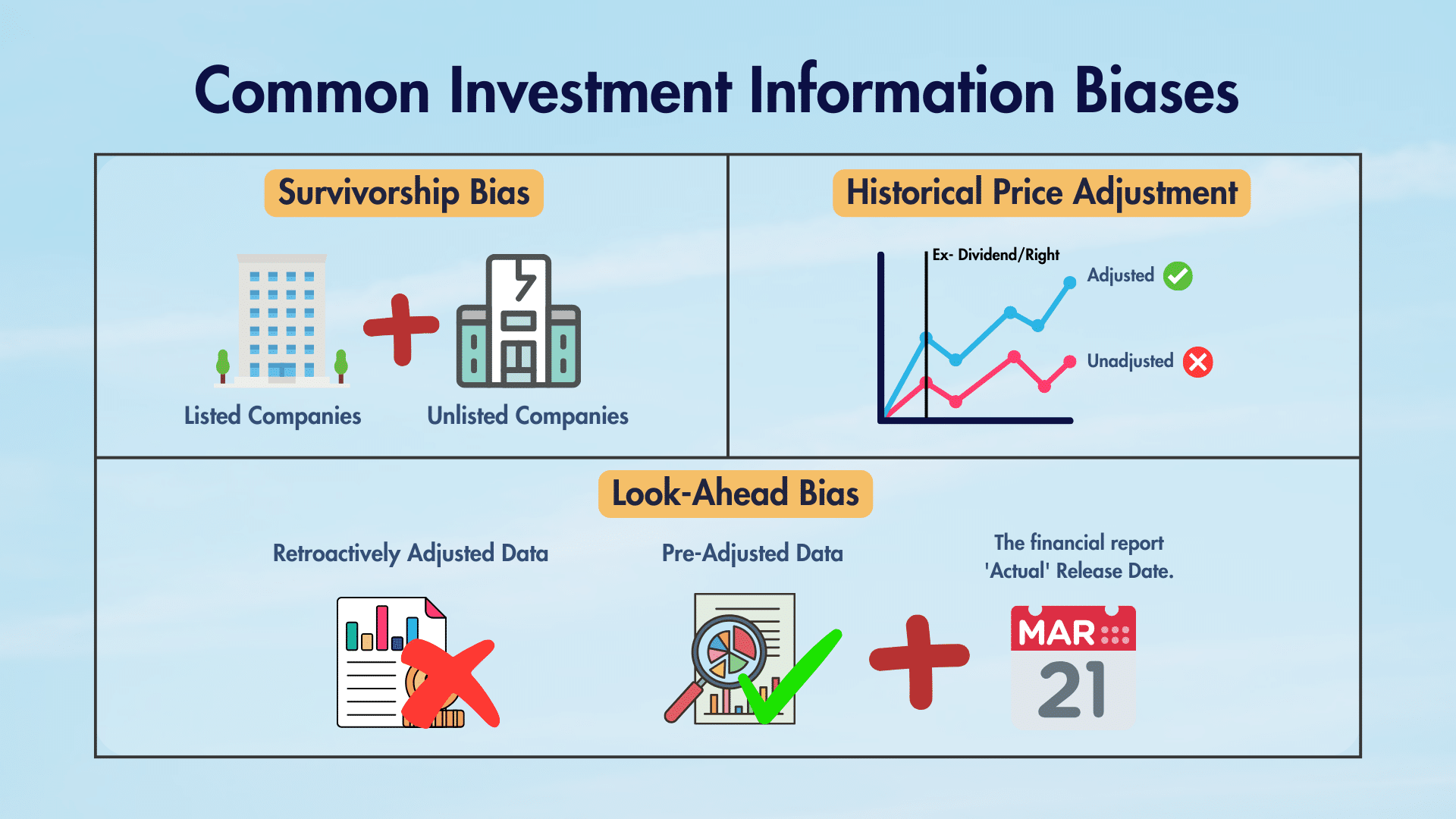
One common pitfall is confirmation bias—seeking out sources that validate a pre-existing investment thesis while ignoring contradictory data. To combat this, intentionally review bear cases and critical analyses for any asset under consideration. Additionally, always trace claims back to their original source. If a financial blog or social media post cites a statistic, find the primary report or regulatory filing to verify its context and accuracy. Be wary of sources that promise guaranteed returns, rely on anonymous sourcing, or lack clear editorial standards.
Practical Steps to Build Your Research Workflow
Establishing a repeatable, efficient research routine prevents information overload and ensures that no critical data points are missed before making an allocation decision.
- Define the Scope: Identify the specific asset class, sector, or macroeconomic trend you wish to research.
- Consult Macro Indicators: Review central bank announcements and economic data releases (e.g., inflation reports, employment figures) to understand the prevailing market environment.
- Examine Primary Filings: Pull the latest annual (10-K) and quarterly (10-Q) reports directly from regulatory databases like SEC EDGAR or international equivalents.
- Review Corporate Communications: Read recent earnings call transcripts and investor presentation decks from the target company's investor relations portal.
- Synthesize with Secondary Sources: Read independent analysis and financial journalism to gauge market sentiment and discover alternative perspectives or overlooked risks.
- Document and Verify: Keep a centralized log of your sources, double-checking all figures against primary disclosures before executing any financial strategy.
Disclaimer: This article is for informational and educational purposes only and does not constitute financial, legal, or professional advice. Always conduct your own due diligence or consult with a qualified professional before making investment decisions.
Frequently Asked Questions
Where can I find official financial reports for public companies?
Official financial reports for publicly traded companies are available for free through regulatory databases such as the U.S. Securities and Exchange Commission's EDGAR system. Additionally, most public companies maintain an "Investor Relations" section on their corporate websites where they archive annual reports, quarterly filings, and earnings presentation slides.
Are free financial websites reliable for investment research?
Free financial websites are generally reliable for tracking stock quotes, historical charts, and consolidated financial ratios. However, they can occasionally contain data entry errors or delayed feeds. For critical investment decisions, it is best practice to cross-reference data from free aggregators directly against official primary documents like corporate regulatory filings.
How do I verify macroeconomic data for my investment strategy?
Macroeconomic data should be sourced directly from official government agencies and central banks. Trusted repositories include the Federal Reserve Economic Data (FRED) database for U.S. and global economic metrics, the Bureau of Labor Statistics for employment and inflation data, and equivalent national statistical offices for international markets.
What is the difference between primary and secondary investment sources?
Primary investment sources consist of raw, uninterpreted data generated directly by companies and regulators, such as SEC filings, earnings transcripts, and central bank policy statements. Secondary sources involve outside interpretation, commentary, and synthesis of that data, such as financial journalism, analyst research reports, and educational articles.
How often should I check my investment information sources?
The frequency of your research depends on your investment strategy. Long-term investors typically review primary filings quarterly and annually, while monitoring major macroeconomic releases monthly. Active traders or those managing shorter-term allocations may need to monitor breaking news and market data daily, though over-reliance on constant updates can lead to emotional decision-making.
Image Gallery