Understanding the Public Discourse: Why Some Fans Dislike Bad Bunny at a Halftime Show
Public criticism regarding Bad Bunny’s potential or past involvement in high-profile events like halftime shows often centers on the intersection of cultural expectations, language barriers in American broadcasting, and the evolving id...
Public criticism regarding Bad Bunny’s potential or past involvement in high-profile events like halftime shows often centers on the intersection of cultural expectations, language barriers in American broadcasting, and the evolving identity of traditional sports entertainment. Discontent usually stems from disagreements over the perceived "American" standard of halftime performances versus the global, non-English-language appeal that define his artistry.
Contents
The Halftime Show, historically rooted in the spectacle of American pop culture, acts as a massive cultural barometer. When an artist like Bad Bunny—a Puerto Rican global superstar who predominantly records in Spanish—is involved, the conversation frequently divides between those celebrating cultural inclusivity and those who maintain a traditionalist view of domestic entertainment consumption. Understanding this tension requires looking at the nuances of fan expectations, broadcast demographics, and the shifting nature of the NFL's global outreach.
The Cultural Dissonance in Modern Sports Entertainment
The primary friction point for many critics involves the expectation of cultural alignment. Historically, halftime shows were curated around a specific subset of American music icons whose catalogs were deeply embedded in the cultural memory of the domestic NFL audience. When an artist performs primarily in Spanish, critics from the traditionalist demographic often express a feeling of alienation. This is less about the technical skill of the performer and more about the perceived "fit" within a broadcast that has historically centered on English-language pop or rock staples.
For proponents of the halftime show's traditional format, there is a desire for the show to function as a unifying American cultural moment. Introducing a global superstar like Bad Bunny, who commands a massive international audience, is viewed by some as a departure from that mandate. This creates a disconnect: the artist represents a massive, younger, and increasingly global demographic, while the traditional fan base expects the show to mirror the classic aesthetics and linguistic norms of the 20th-century halftime spectacle.
The Role of Language and Representation
A significant portion of the discourse surrounding Bad Bunny involves the use of Spanish in a performance space that has traditionally been English-dominant. Fans who express dislike for his potential inclusion often cite the "lack of familiarity" with his discography. However, this argument frequently masks a deeper issue regarding the cultural composition of the television audience.
In 2026, the demographics of the NFL fan base are more diverse than they have ever been. The league's push to expand into Latin American markets and increase the domestic Hispanic viewership has made the inclusion of artists like Bad Bunny a strategic business decision. The dislike from some fans is essentially a reflection of a "cultural shock" as the medium of the halftime show pivots from a static American monoculture to a more fluid, global, and multicultural representation.
Production and Artistic Style Expectations
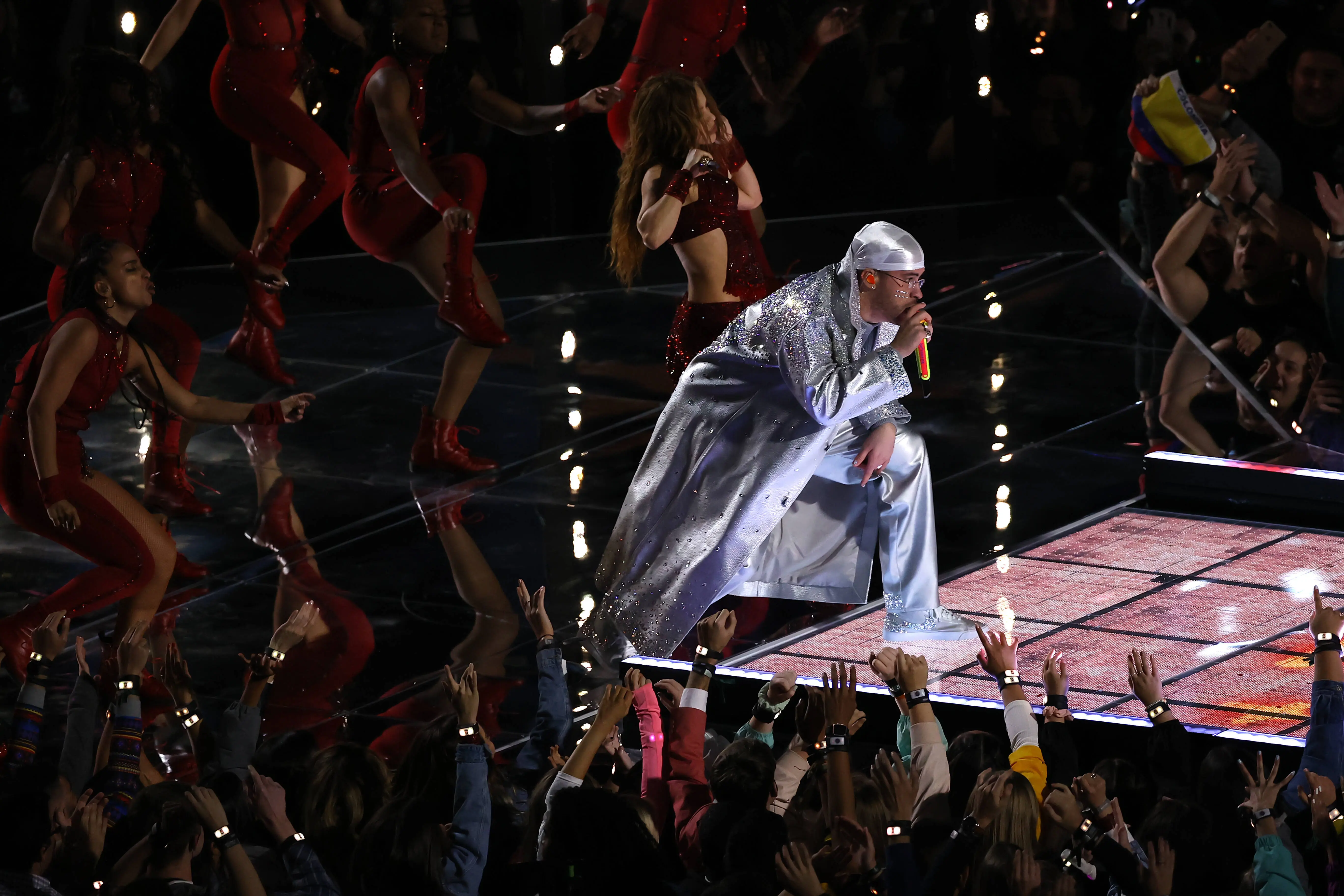
Beyond language, there are technical and aesthetic expectations regarding what a halftime show "should" look like. Bad Bunny’s artistic identity is tied to urban, reggaeton, and trap influences, which come with specific production requirements—heavy bass, distinct visual storytelling, and a collaborative spirit that often involves multiple guests.
Fans of "classic" halftime shows, such as those featuring legendary rock bands or iconic pop vocalists, often prefer a more centralized performance focused on a singular, recognizable star. The complex, multifaceted nature of a Bad Bunny performance can be polarizing:
- Complexity: Critics may find his stage design and ensemble-heavy performances chaotic compared to the straightforward choreography of earlier halftime eras.
- Genre Nuance: The specific sub-genres of reggaeton and Latin trap may not translate well to fans whose musical palate is strictly limited to mainstream American Top 40 or classic rock.
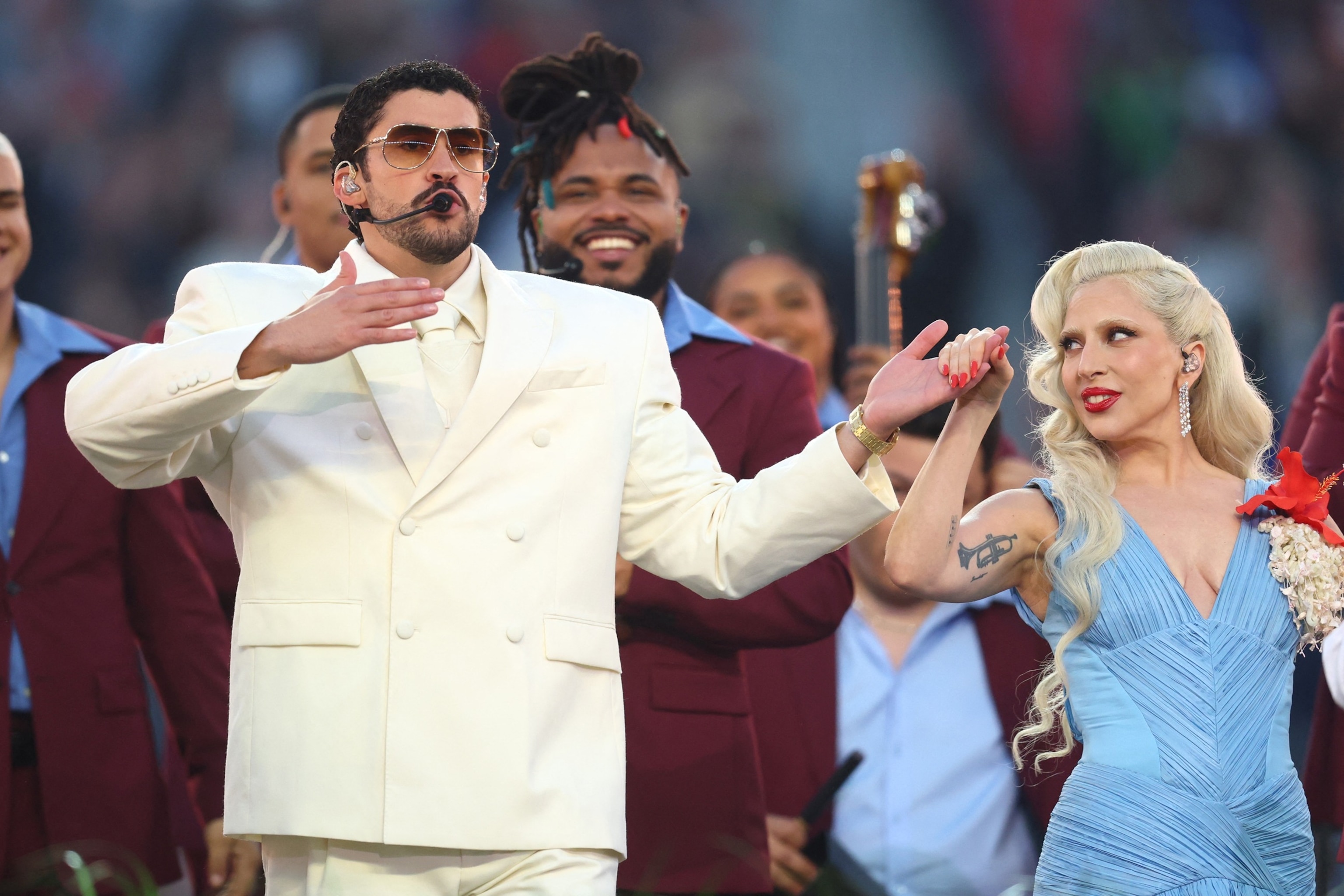
- Staging: The use of guest artists, which is a hallmark of Bad Bunny's live sets, can lead to frustration among fans who feel the headliner is sharing too much of the spotlight.
Comparative Expectations of Halftime Performers
To understand why some fans express dissatisfaction, it is helpful to contrast the expectations placed on different types of performers in the halftime show environment.
| Feature | Traditional Pop/Rock Act | Modern Global Act (e.g., Bad Bunny) |
|---|---|---|
| Primary Language | English | Spanish / Multilingual |
| Fan Base Density | Domestic (United States) | Global / Transnational |
| Musical Style | Anthem-based, classic structures | Urban, rhythmic, genre-bending |
| Stage Dynamics | Solo-focused or single band | Ensemble, collaborative, high-energy |
| Cultural Appeal | Homogeneous / Nostalgic | Diverse / Contemporary |
The table above illustrates the shift in focus. The dissatisfaction is often a byproduct of a fan expecting the characteristics of the "Traditional Pop/Rock Act" while being presented with the "Modern Global Act."
Frequently Asked Questions
Why do some fans feel that language matters during a halftime show?
Language functions as a gateway to cultural comfort. For viewers who have viewed the halftime show as an English-language institution for decades, the transition to a Spanish-language performance can be jarring, leading to a perception that the content is "not for them," even when the artistic quality is high.
Is the dislike for Bad Bunny’s involvement based on his music or his identity?
It is rarely singular. Most critiques are a blend of musical preference, cultural gatekeeping, and a resistance to the changing demographic focus of the NFL. Some fans genuinely prefer a different genre of music, while others express discomfort with the shift away from traditional American cultural pillars.
How does the NFL choose performers, and why might they pick someone like Bad Bunny?
The NFL selects artists based on cultural relevance, social media engagement, and the need to expand its reach. Bad Bunny’s massive streaming numbers and global reach make him an attractive choice for an organization looking to maintain relevance with younger, non-traditional, and international audiences.
Do professional critics share the same "dislike" as the fans?
Generally, professional critics evaluate the performance based on showmanship, technical production, and stage presence. They are more likely to praise the high production value of his sets, whereas the "dislike" from fans is usually more visceral and rooted in personal preference or cultural expectation.
How does the size of the halftime show impact these disagreements?
The halftime show is a high-stakes, 15-minute global event. Because there is so much cultural weight placed on these 15 minutes, any deviation from a fan's personal expectations is magnified, leading to more vocal criticism than one might see for a standard concert tour date.
Practical Next Steps for Viewers
For fans who find themselves frustrated by the shift in halftime entertainment, the best approach is to distinguish between "personal taste" and "cultural evolution." If an artist’s style does not align with your preferences, it is worth acknowledging that the NFL’s goal is to capture the widest possible audience, which necessarily includes demographics outside of the traditional fan base.
To improve your own viewing experience, consider exploring the artist's discography or the cultural context behind their performance prior to the event. Understanding the significance of a performer’s rise to global fame often provides the necessary context to appreciate the production, even if the musical style remains outside of your personal favorites. Ultimately, the halftime show will continue to mirror the shifting demographic and global ambitions of the league itself.
Image Gallery